
What Every Old Hickory Resident Needs to Know About Septic to Sewer Conversions
Living in Old Hickory means dealing with the unique challenges of Nashville’s transition from septic systems to municipal sewer infrastructure. If your property still relies on a septic tank, you’re facing a critical decision point as Davidson County continues expanding its sewer network.. Read more about Is a Greywater Recycling System Possible for Your Sustainable East Nashville Renovation?.
The shift from septic to sewer isn’t just about convenience. It’s about protecting property values, preventing environmental contamination, and eliminating the constant worry of system failures. Old Hickory residents along the Cumberland River watershed face particular pressure since failing septic systems can directly impact local water quality. How to Deal with Hard Water Issues in Your Mt Juliet Home.
This comprehensive guide breaks down everything you need to know about converting your Old Hickory property from septic to city sewer. From understanding Nashville’s permit requirements to navigating the excavation challenges of Middle Tennessee’s limestone bedrock, you’ll learn the complete process and what to expect at each step. Tennessee Department of Environment & Conservation.
Why Old Hickory Residents Are Making the Switch
Several factors drive the decision to convert from septic to sewer in Old Hickory. Property values increase significantly after conversion since modern buyers prefer the reliability of municipal sewer connections. No more worrying about drain field failures during heavy rain or expensive pumping schedules.
The environmental impact matters too. Old Hickory sits near the Cumberland River where septic system leaks can introduce harmful bacteria and nutrients into the watershed. Metro Water Services has been actively expanding sewer infrastructure to protect these sensitive areas. Metro Water Services.
Additionally, older septic systems in neighborhoods like Mount Juliet and surrounding areas are reaching the end of their useful life. The cost of replacing a failing system often exceeds the price of conversion to sewer service. Plumbing Mount Juliet.
The Septic-to-Sewer Conversion Process Step by Step
Converting from septic to sewer involves several distinct phases. Understanding this timeline helps you plan accordingly and avoid surprises. Understanding Backflow Testing.
- Initial Site Evaluation
A licensed plumber assesses your property’s current septic system, determines the distance to the nearest sewer main, and evaluates soil conditions. This step identifies whether you’ll need a grinder pump or can use gravity flow.
- Metro Water Services Permitting
Submit applications to Metro Water Services for sewer tap privileges. This includes capacity fees based on your property’s expected water usage and connection fees for tapping into the main line.. Read more about Is Gray Water Recycling a Realistic Option for Your Eco-Friendly East Nashville Home?.
- Excavation and Trenching
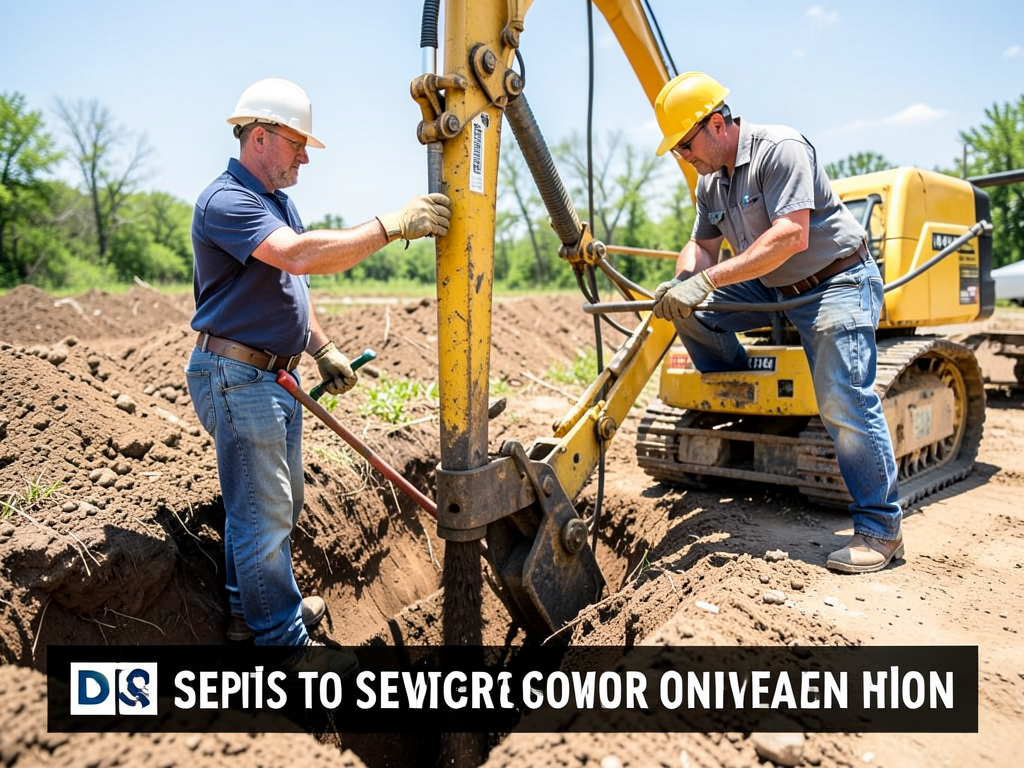
Heavy equipment digs trenches for the new sewer lateral line. Middle Tennessee’s limestone bedrock often requires specialized equipment and can extend project timelines by several days.
- Septic Tank Decommissioning
Old septic tanks must be properly abandoned according to Davidson County Health Department requirements. This typically involves crushing the tank and filling it with gravel or clean soil.
- Final Inspection and Connection
Metro Water Services inspects the new connection before activating service. Your property is then officially connected to the municipal sewer system.
Nashville Permit Requirements and MWS Regulations
Navigating Nashville’s permit process requires understanding specific requirements from Metro Water Services and the Davidson County Health Department. The permitting process ensures your conversion meets all local codes and protects public health.
Metro Water Services charges capacity fees based on the size of your property and expected water usage. These fees help fund the maintenance and expansion of Nashville’s sewer infrastructure. You’ll also pay tap-in fees for connecting to the main sewer line.
The Davidson County Health Department oversees septic tank abandonment. They require documentation proving proper decommissioning before approving final permits. This protects against future sinkage or contamination from abandoned tanks.
Local plumbing codes in Davidson County mandate specific pipe materials and installation depths. Clay soil conditions common in Old Hickory affect trenching requirements and may necessitate additional protective measures for buried pipes. Who to Call When Your Pipes Burst in Nashville at 3 AM.
Estimated Costs and Factors Affecting Your Conversion
Septic to sewer conversion costs vary significantly based on several factors specific to Middle Tennessee properties. Understanding these variables helps you budget accurately.
| Cost Factor | Typical Range | Impact on Timeline |
|---|---|---|
| Permit and Capacity Fees | $2,000 – $5,000 | 1-2 weeks for processing |
| Excavation and Trenching | $3,000 – $8,000 | 2-5 days depending on bedrock |
| Sewer Lateral Installation | $2,000 – $4,000 | 1-2 days |
| Grinder Pump (if needed) | $3,000 – $7,000 | 1 day |
| Septic Tank Decommissioning | $1,500 – $3,000 | 1 day |
| Total Estimated Cost | $12,000 – $27,000 | 2-4 weeks total |
Several factors can significantly impact your conversion costs. Properties in areas with shallow limestone bedrock like parts of Mount Juliet often require specialized excavation equipment, adding $2,000-$4,000 to the project.
Distance from your home to the nearest sewer main directly affects trenching costs. Properties set back from the street or with long driveways can see costs increase by $1,000-$2,000 per additional 50 feet of trench.
Whether you need a grinder pump installation depends on your property’s elevation relative to the sewer main. Gravity flow is always preferable but isn’t possible on all properties.
Septic Tank Decommissioning Requirements
Proper septic tank abandonment is crucial for both safety and legal compliance. Davidson County requires specific procedures to prevent future hazards.
The standard decommissioning process involves completely emptying the tank, removing the lid, and either crushing the tank in place or removing it entirely. The void is then filled with clean material like gravel or compacted soil.
Never attempt to simply abandon a septic tank without proper decommissioning. Empty tanks can collapse under weight, creating dangerous sink holes. The health department requires documentation of proper abandonment before issuing final permits.
In some cases, particularly with older systems, the tank location may be unknown. Professional locating services using ground-penetrating radar can identify tank locations before excavation begins. Professional Plumbing Fixture Installation for Your Brentwood Remodel.
Gravity Sewer vs. Grinder Pump Systems
Your property’s topography determines whether you’ll need a grinder pump or can use gravity sewer connection. Understanding the difference helps you prepare for potential additional costs.
Gravity sewer systems work when your home sits at a lower elevation than the sewer main. Wastewater flows naturally through pipes without mechanical assistance. This is the most reliable and lowest-maintenance option.
Grinder pump systems become necessary when your property sits above the sewer main or when the main is located uphill from your home. These pumps grind waste into a slurry and pump it uphill to the sewer connection.
Grinder pumps require electricity and have mechanical components that can fail. They typically last 8-10 years before needing replacement. The initial installation costs more but may be your only option depending on property layout.
Excavation Challenges in Middle Tennessee
Middle Tennessee’s unique geology creates specific challenges for septic to sewer conversions. Understanding these factors helps set realistic expectations for your project timeline.
Limestone bedrock underlies much of the Nashville area. In some locations, bedrock sits just 12-18 inches below the surface. Standard trenching equipment cannot penetrate solid rock, requiring jackhammering or rock saws that significantly slow progress.
Heavy clay soil common in Old Hickory expands when wet and contracts when dry. This movement can stress newly installed pipes if proper bedding material isn’t used. Professional installers account for these soil conditions during trench preparation.
Karst topography in certain Nashville areas creates additional concerns. Sinkholes can develop where underground limestone has dissolved, potentially affecting trench stability. Professional assessment identifies these risks before excavation begins.
Property Value Impact After Conversion
Converting from septic to sewer typically increases property values by 3-7% in the Nashville market. This improvement comes from both the reliability factor and the elimination of septic maintenance concerns.
Buyers view municipal sewer connections as more desirable than septic systems. This preference is particularly strong among younger buyers who may not understand septic system maintenance requirements.
Properties with recent septic to sewer conversions often sell faster than comparable homes still using septic systems. The absence of septic concerns removes a potential negotiation point during real estate transactions.
In Old Hickory and similar neighborhoods, the combination of environmental benefits and increased reliability makes sewer connections particularly valuable. Properties near waterways like the Cumberland River see the strongest value increases.
Financing Options and Available Programs
Several financing options exist for septic to sewer conversions in Nashville. Understanding these programs can make the project more affordable.
Traditional home equity loans or lines of credit provide one financing route. These options typically offer lower interest rates than credit cards but require sufficient home equity.
Some local programs through Metro Water Services offer payment plans for capacity fees, spreading costs over several years rather than requiring upfront payment.
Home improvement loans through banks or credit unions provide another option. These unsecured loans work well for homeowners without significant equity but typically carry higher interest rates.
Check with local banks about any special programs for infrastructure improvements. Some institutions offer promotional rates for projects that improve property values or environmental conditions.
Timeline Expectations for Your Conversion
The complete septic to sewer conversion process typically takes 2-4 weeks from start to finish. However, several factors can extend this timeline.
Permit processing through Metro Water Services usually takes 1-2 weeks. Complex applications or those requiring additional documentation may take longer.
Excavation timelines depend heavily on soil conditions. Standard trenching in good soil takes 2-3 days. Rock excavation can extend this to 5-7 days.
Weather significantly impacts outdoor work. Heavy rain can delay excavation by several days as wet soil becomes unstable for trenching operations.
Scheduling inspections with Metro Water Services and the health department may require waiting 2-3 days between project phases. Planning your project during slower permit periods can reduce these delays.
Environmental Benefits of Making the Switch
Converting from septic to sewer provides significant environmental benefits, particularly in areas near waterways like Old Hickory’s location along the Cumberland River.
Septic systems can leak or fail, introducing nitrogen, phosphorus, and harmful bacteria into groundwater. These contaminants eventually reach surface water, affecting aquatic ecosystems and potentially human health.
Municipal sewer systems provide centralized treatment that removes these contaminants before discharge. Modern treatment facilities achieve much higher removal rates than typical residential septic systems.
The cumulative impact of multiple septic system failures in a neighborhood can be substantial. Converting entire communities to sewer service dramatically reduces the environmental load on local waterways.
For properties near sensitive environmental areas, the environmental benefits often justify the conversion cost regardless of the septic system’s current condition.
Common Concerns and How to Address Them
Many homeowners worry about property disruption during septic to sewer conversion. Understanding what to expect helps manage these concerns.
Excavation does create temporary mess and noise. However, professional contractors use protective measures to minimize landscape damage and restore affected areas after completion.
Some homeowners fear losing water service during the conversion. While brief interruptions occur during connection, they typically last only a few hours rather than days.
Cost concerns prevent many from pursuing conversion. However, when factoring in potential septic replacement costs and increased property values, the long-term financial picture often favors conversion.
Questions about property taxes sometimes arise. While sewer connection may slightly increase assessed value, the property value increase typically exceeds any tax impact.
Frequently Asked Questions
How long does a septic to sewer conversion take?
The complete process typically takes 2-4 weeks, including permits, excavation, and final inspections. Weather and soil conditions can extend this timeline.
Do I need to be home during the conversion?
You don’t need to be present for most work, but you should be available for key moments like final inspections and connection activation.
What happens to my old septic tank?
The tank must be properly decommissioned by crushing or removing it, then filling the void with clean material. This prevents future sinkage or contamination.
Can I convert if my property is far from the sewer main?
Yes, but longer distances increase costs due to additional trenching. A grinder pump may be necessary if your property sits above the sewer main elevation.
Will I save money on maintenance after conversion?
Yes. You’ll eliminate septic pumping costs ($200-$500 every 3-5 years) and avoid potential septic system repairs that can cost thousands.
Do I need special permits for the conversion?
Yes. You’ll need permits from Metro Water Services for the sewer connection and from the Davidson County Health Department for septic abandonment.
Can I convert my septic system to sewer myself?
No. Tennessee law requires licensed plumbers to perform sewer connections. Improper installation can cause serious health and environmental hazards.
Making Your Decision: Is Conversion Right for You?
Several factors should influence your decision about septic to sewer conversion. Consider your property’s age, the septic system’s condition, and your long-term plans for the home.
If your septic system is over 20 years old or showing signs of failure, conversion often makes financial sense even before considering other benefits. The cost of emergency septic replacement far exceeds planned conversion costs.
Properties with environmental concerns or those near waterways should strongly consider conversion. The environmental benefits and potential regulatory pressure make this a wise long-term investment.
For homeowners planning to stay in their homes long-term, the reliability and convenience of sewer service often justifies the upfront cost. The peace of mind alone can be worth the investment.
Finally, consider your property’s market position. If comparable homes in your area have already converted to sewer, making the switch helps maintain competitive market value.
Next Steps for Old Hickory Residents
Ready to explore septic to sewer conversion for your Old Hickory property? The first step is a professional site evaluation to determine your specific requirements and costs.
During this evaluation, a licensed plumber will assess your current system, locate the nearest sewer main, and identify any potential challenges specific to your property. This assessment typically takes 1-2 hours and provides the information needed to develop accurate cost estimates.
Ask about the plumber’s experience with Davidson County permits and Metro Water Services requirements. Local experience matters significantly for navigating the specific requirements and avoiding common pitfalls.
Request references from similar projects in the Old Hickory area. Seeing completed conversions nearby provides confidence in the contractor’s ability to handle your specific situation.
Finally, discuss financing options early in the process. Understanding available payment plans or loan programs helps you make informed decisions about timing and project scope.
Don’t wait until your septic system fails to explore conversion options. Proactive planning gives you control over the process and helps you make the best decision for your property and budget.
Ready to learn more about converting your Old Hickory property from septic to sewer? Call Ironwood Plumbing today at (615) 413-8833 for a professional site evaluation and personalized cost estimate. Our experienced team understands the unique requirements of Davidson County conversions and can guide you through every step of the process.
You may also find this helpful. Why Your Historic Hillsboro Village Home Has a Strange Sewer Smell.