
Is a Greywater Recycling System Possible for Your Sustainable East Nashville Renovation?
Thinking about a greywater recycling system for your East Nashville renovation? You are not alone. More homeowners in Nashville are looking for ways to save water and reduce utility bills while making their homes more sustainable. But before you start planning your system, you need to know the facts about Tennessee regulations, installation requirements, and the unique challenges of our local climate and soil. Tennessee Department of Environment & Conservation (TDEC) greywater guidelines.
This guide breaks down everything you need to know about greywater systems in Nashville. We will cover the legal requirements, system types, costs, and how to get started with a system that works for your home and neighborhood. How to Deal with Hard Water Issues in Your Mt Juliet Home.
Understanding Tennessee Greywater Laws and Metro Nashville Codes
Tennessee has specific rules about greywater reuse. The Tennessee Department of Environment and Conservation (TDEC) sets the state guidelines, and Metro Nashville may have additional requirements. In Tennessee, greywater is defined as wastewater from showers, bathtubs, bathroom sinks, and washing machines. Water from kitchens, dishwashers, and toilets is considered blackwater and cannot be reused in greywater systems. Metro Nashville Health Department.
For residential properties in Davidson County, you must follow TDEC Rule 0400-48-01. This rule requires a permit for any greywater system that reuses water for irrigation or toilet flushing. The system must meet health and safety standards to prevent contamination of drinking water or groundwater. You will need to submit plans to the Metro Public Health Department and may need inspections during and after installation.. Read more about Is Gray Water Recycling a Realistic Option for Your Eco-Friendly East Nashville Home?.
East Nashville homes often have unique plumbing setups, especially in older neighborhoods like Lockeland Springs and Five Points. Many of these homes have original plumbing that may need updates before a greywater system can be installed. If your home is in a historic district, you may also need approval from the Metro Historic Zoning Commission. Professional Plumbing Fixture Installation for Your Brentwood Remodel.
Types of Greywater Systems for Nashville Homes
There are two main types of greywater systems: gravity-fed and pumped systems. Each has its own benefits and challenges, especially in Middle Tennessee.
Gravity-Fed (Branched Drain) Systems
Gravity-fed systems use the natural slope of your yard to move greywater to plants or mulch basins. These systems are simple and do not require electricity. They work well in East Nashville neighborhoods where yards have some slope, like in Eastwood or Bemis Heights. However, if your yard is flat or if your home is on a steep hill, you may need a pumped system.. Read more about Adding a Detached ADU in East Nashville – What You Need to Know About the Plumbing.
Pumped Systems
Pumped systems use a small pump to move greywater where you want it. These are more flexible and can work in almost any yard. They are a good choice for newer homes in areas like Donelson or Hermitage where yards may be flatter or have more landscaping. Pumped systems can also be automated, making them easier to use.
Both systems require filters to remove lint, hair, and other debris. In Nashville’s humid climate, it is important to choose filters that resist mold and mildew. Regular cleaning is essential to keep the system working well.
Benefits of Greywater Systems for Nashville Homeowners
Greywater systems can save you money and help the environment. Here are some key benefits for Nashville residents:
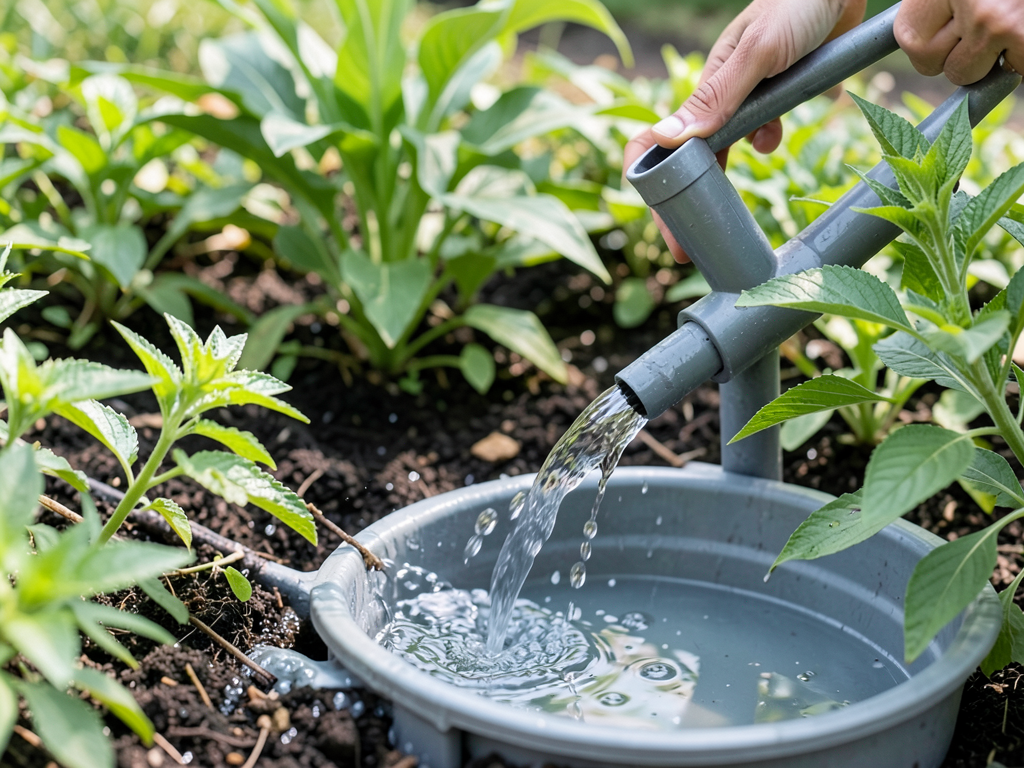
- Lower Water Bills: Using greywater for irrigation can cut your outdoor water use by up to 50%, especially during Nashville’s hot summers.
- Reduced Strain on Local Water Supply: By reusing water, you help conserve the Cumberland River and other local water sources.
- Healthier Plants: Greywater often contains nutrients that benefit plants. Many Nashville gardeners use it for native plants like purple coneflower, black-eyed Susan, and switchgrass.
- Compliance with Local Sustainability Goals: Nashville encourages water conservation, and a greywater system can help you meet city guidelines.
During Nashville’s dry spells, a greywater system can keep your garden green without using extra city water. This is especially helpful for homes in areas like East Nashville, where many residents value sustainability and local food production.
Installation Process and Permitting in Davidson County
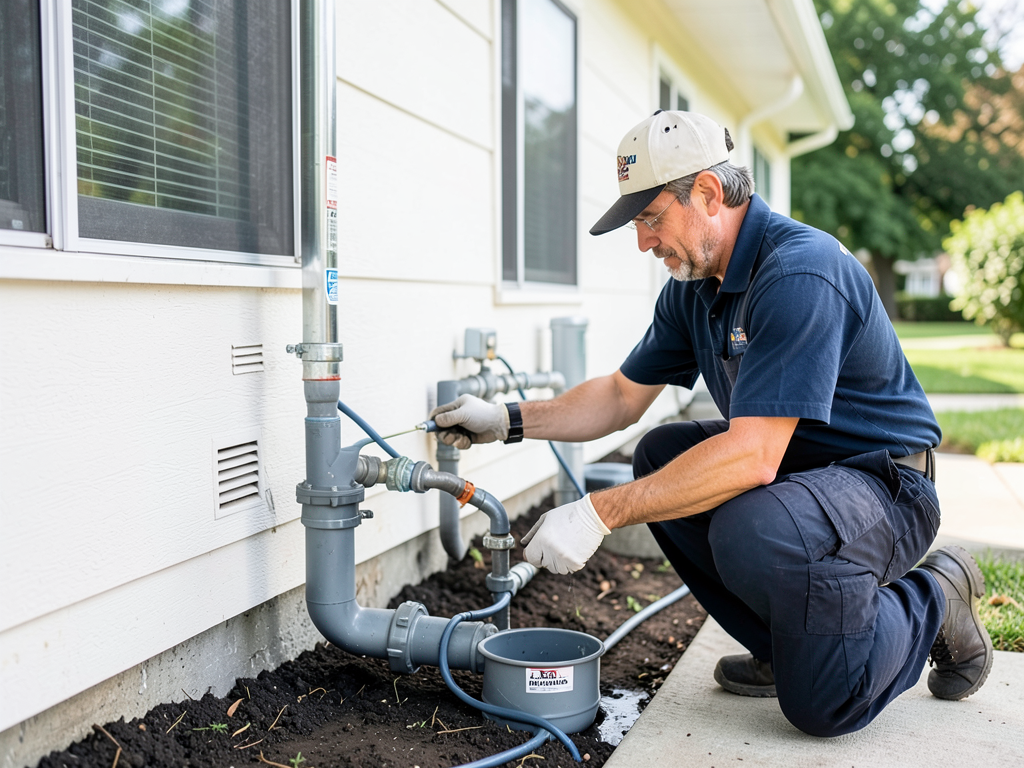
Installing a greywater system in Nashville requires careful planning and permits. Here is a step-by-step overview:
- Site Assessment
A licensed plumber evaluates your home’s plumbing, yard slope, and soil type. This is crucial in Nashville due to our heavy clay soil, which can affect drainage. Plumbing Mount Juliet.
- Design and Permitting
Plans are submitted to the Metro Public Health Department for approval. You will need to show how the system meets TDEC and Metro codes.
- Installation
Plumbing is rerouted to separate greywater from blackwater. New pipes, filters, and irrigation lines are installed. Plumbing Springfield.
- Inspection
The system is inspected by local authorities to ensure it meets all safety standards.
- Final Approval and Use
Once approved, you can start using your greywater system.
The entire process can take several weeks, especially if permits are delayed. Working with a plumber who knows Nashville’s codes can save you time and hassle.
Winterization and Maintenance for Middle Tennessee Climates
Nashville winters can bring freezing temperatures, which means your greywater system needs protection. Here are some tips for keeping your system running smoothly year-round:
- Insulate Pipes: Wrap exposed pipes with insulation to prevent freezing.
- Drain the System: Before the first hard freeze, drain any water that could freeze and cause damage.
- Check Filters Regularly: Nashville’s humidity can lead to mold in filters. Clean or replace them every few months.
- Monitor for Leaks: Our clay soil can shift, putting stress on underground pipes. Check for leaks in the spring.
Regular maintenance helps prevent problems and keeps your system efficient. Many Nashville homeowners schedule annual check-ups with a local plumber to stay on top of maintenance.
Cost Factors for Greywater Systems in Nashville
The cost of a greywater system depends on several factors:
- System Size: A simple laundry-to-landscape system is less expensive than a whole-house system.
- Permitting and Inspections: Permit fees and inspection costs vary in Davidson County.
- Plumbing Upgrades: Older homes in East Nashville may need plumbing updates before installation.
- Landscape Features: Yards with lots of plants or hardscaping may require more complex irrigation.
While costs can vary, most Nashville homeowners can expect to invest between $2,000 and $7,000 for a professionally installed system. The long-term savings on water bills can help offset the initial cost.
Choosing the Right Plants for Nashville Greywater Irrigation
Not all plants thrive with greywater. In Nashville’s USDA Hardiness Zone 7, many native plants are well-suited for greywater irrigation. Here are some top choices:
| Plant Name | Water Needs | Benefits |
|---|---|---|
| Purple Coneflower | Low to Moderate | Attracts pollinators, drought-tolerant |
| Black-Eyed Susan | Low to Moderate | Bright flowers, low maintenance |
| Switchgrass | Moderate | Good for erosion control, native grass |
| American Beautyberry | Moderate | Attracts birds, purple berries |
Choosing the right plants helps your greywater system work efficiently and supports local wildlife.
Frequently Asked Questions
Is a greywater system legal in Nashville?
Yes, but you must follow TDEC and Metro Nashville codes. A permit is required, and the system must meet health and safety standards.
Can I install a greywater system myself?
DIY installation is not recommended. Permits and inspections are required, and improper installation can lead to health risks or code violations.
How much water can I save with a greywater system?
Homeowners often save 30-50% on outdoor water use, depending on the system and household habits.
What maintenance does a greywater system need?
Regular filter cleaning, leak checks, and winterization are essential. Annual inspections by a professional are recommended.
Will a greywater system work in an older East Nashville home?
Yes, but older plumbing may need updates. A site assessment will determine what is needed for your specific home.
Ready to Start Your Sustainable Renovation?
If you are considering a greywater system for your East Nashville home, the first step is a professional site assessment. Our team knows Nashville’s codes, soil, and climate inside and out. We will help you design a system that meets your needs and keeps your home compliant with all local regulations.
Call us today at (615) 413-8833 to schedule your consultation. Let’s make your sustainable renovation a reality!
Learn more about emergency plumbing services in Nashville
Read about water heater replacement in Franklin