
Is Gray Water Recycling a Realistic Option for Your Eco-Friendly East Nashville Home?
Living in East Nashville means you care about sustainability and reducing your environmental footprint. Gray water recycling systems offer a way to reuse water from showers, bathroom sinks, and washing machines for irrigation and other non-potable uses. But is this option realistic for your home? Let’s explore the facts about gray water systems in Nashville. How to Deal with Hard Water Issues in Your Mt Juliet Home.
Understanding Gray Water Regulations in Tennessee
Before installing any system, you need to know what Tennessee law allows. The Tennessee Department of Environment and Conservation (TDEC) regulates gray water reuse through Rule 0400-48-01. This rule sets strict guidelines for what qualifies as gray water and how it can be used. Tennessee TDEC Rule 0400-48-01.
Gray water in Tennessee includes wastewater from bathtubs, showers, bathroom sinks, washing machines, and laundry tubs. It does not include water from kitchen sinks, dishwashers, or toilets. Those sources contain food particles, grease, or human waste and are classified as black water.
The key regulation is that gray water must be used within 24 hours of collection. It cannot be stored for later use. Systems must also use subsurface irrigation methods – no spraying gray water above ground where people could come into contact with it.
In Nashville, you’ll need permits from both Metro Water Services and the Metro Nashville Codes Department. The permitting process ensures your system meets all safety and health requirements before installation begins. Metro Water Services Nashville.
Types of Gray Water Systems for Nashville Homes
Different homes need different approaches. Here are the main system types that work well in the Nashville area:. Read more about Adding a Detached ADU in East Nashville – What You Need to Know About the Plumbing.
Laundry-to-Landscape Systems
These simple systems divert washing machine water directly to your yard. They work well for East Nashville’s typical bungalow and craftsman-style homes with washing machines on the main floor. The system uses gravity and basic plumbing to move water through pipes to landscaped areas. Who to Call When Your Pipes Burst in Nashville at 3 AM.
Laundry-to-landscape systems are the most affordable option and require minimal plumbing changes. They’re perfect for homeowners who want to start small with gray water reuse. Professional Plumbing Fixture Installation for Your Brentwood Remodel.
Branch Drain Systems
These systems collect water from multiple sources like showers, bathroom sinks, and washing machines. They use a diverter valve to switch between the sewer system and your gray water irrigation system. Branch drain systems work well for larger East Nashville homes built in the 1920s-1940s with multiple bathrooms.. Read more about How to Stop Pet Hair from Constantly Clogging Your East Nashville Bathtub.
The diverter valve is crucial – it lets you send water to the sewer during cleaning product use or when you don’t want to irrigate.
Treatment and Storage Systems
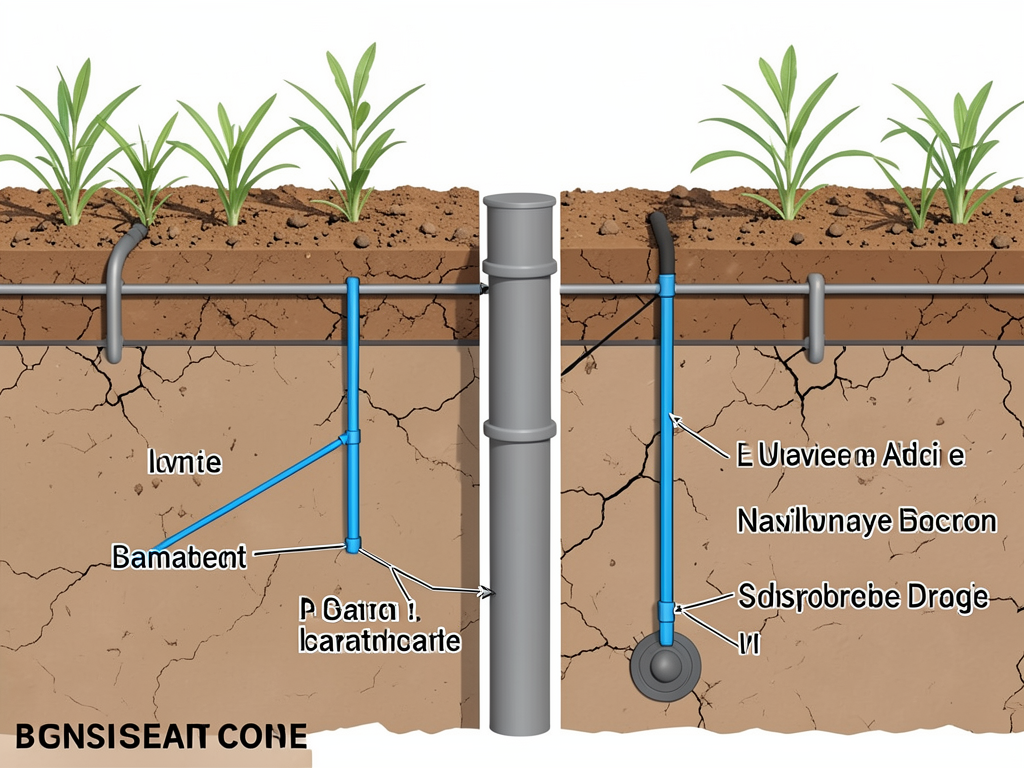
These advanced systems filter and treat gray water before use. They include settling tanks, filters, and sometimes UV treatment. While more expensive, they allow for more flexible use of the water and can handle larger volumes.
These systems are better suited for new construction or major renovations where you can plan the plumbing layout from the start. Plumbing Mount Juliet.
Benefits for Middle Tennessee Homeowners
Installing a gray water system in your East Nashville home offers several advantages specific to our region:
Water Bill Savings
Gray water systems can reduce outdoor water use by 30-50%. In Nashville, where summer irrigation can triple your water bill, this translates to significant savings. The average Nashville homeowner spends $80-120 monthly on water during peak irrigation season.
Drought Resilience
Tennessee experiences periodic droughts, with Nashville averaging only 4-5 inches of rain monthly during summer. Gray water provides a reliable water source when rainfall is scarce. This is especially valuable for East Nashville’s mature trees and established gardens.
Environmental Impact
By reusing water, you reduce demand on the Cumberland River watershed. Nashville’s growing population puts pressure on local water resources. Every gallon of gray water used for irrigation is a gallon saved from the city’s treatment system.
Plant Health Benefits
Gray water contains nutrients from soaps and detergents that can benefit plants. Many East Nashville homeowners report healthier landscapes when using gray water, particularly for trees and shrubs that have deep root systems.
The Permitting Process in Nashville & Davidson County
Getting permits for a gray water system in Nashville involves several steps. Here’s what you need to know: Getting Your Franklin TN Water Heater Replaced Without the Stress.
Step 1: Pre-Application Meeting
Schedule a meeting with Metro Water Services to discuss your project. They’ll review your property layout and help determine what type of system is appropriate for your location.
Step 2: Permit Application
Submit detailed plans showing your system layout, including pipe routes, storage tanks if applicable, and irrigation zones. Plans must show compliance with TDEC setback requirements – typically 2 feet from property lines and 50 feet from water wells.
Step 3: Plumbing Permit
Obtain a plumbing permit from the Metro Codes Department. This ensures your system meets all plumbing code requirements. You’ll need a licensed plumber to pull this permit.
Step 4: Inspections
Before covering any pipes, you’ll need inspections at key stages. The inspector checks that pipes are properly sloped, connections are secure, and the system meets all code requirements.
Step 5: Final Approval
After installation and successful inspections, you’ll receive final approval. Keep all documentation – you may need to show it if you sell your home.
Cost and ROI Analysis
Gray water system costs vary widely based on complexity. Here’s what Nashville homeowners typically invest:
| System Type | Typical Cost Range | Installation Time |
|---|---|---|
| Laundry-to-Landscape | $800 – $2,500 | 1-2 days |
| Branch Drain | $2,500 – $7,000 | 3-5 days |
| Treatment System | $7,000 – $15,000+ | 1-2 weeks |
Beyond installation, factor in annual maintenance costs of $200-500 for filter replacements and system checks.
ROI depends on your water usage patterns. Most Nashville homeowners see full payback in 3-7 years through reduced water bills. Homes with large landscaped areas or extensive gardens see faster returns.
Maintenance Requirements for Tennessee Homeowners
Gray water systems need regular maintenance to function properly. Here’s what to expect:
Monthly Tasks
- Check for leaks or blockages in pipes
- Clean filter screens if your system has them
- Inspect diverter valves for proper operation
- Check irrigation outlets for clogs
Seasonal Tasks
- Winterize the system before first freeze (November in Nashville)
- Flush the entire system in spring
- Check pump operation if your system uses one
- Clean settling tanks if applicable
Annual Professional Service
Schedule a professional inspection once yearly. A plumber can check for issues you might miss and ensure your system continues to meet code requirements.
Is Gray Water Right for Your East Nashville Home?
Consider these factors when deciding if gray water recycling makes sense for you:
Property Characteristics
Your lot size matters. East Nashville homes on smaller lots may have limited space for irrigation fields. Homes with large yards or extensive landscaping get more benefit from gray water systems.
Soil Type
Nashville’s clay soil affects system performance. Clay drains slowly, which can cause issues if your system produces more water than the soil can absorb. A soil test helps determine if your property can handle gray water volumes.
Water Usage Patterns
Homes with teenagers or large families produce more gray water. If you have a small household, you might not generate enough water to justify the system cost.
Landscaping Needs
If you have drought-tolerant landscaping or minimal outdoor watering needs, a gray water system provides less benefit. Homes with vegetable gardens, fruit trees, or extensive flower beds see the most advantage.
Common Questions About Gray Water in Nashville
Many homeowners have questions about gray water systems. Here are answers to the most common concerns:
Will gray water damage my plants?
When used properly, gray water benefits most plants. Avoid using water with high salt content or harsh chemicals. Stick to plant-friendly soaps and detergents. Most East Nashville soils can handle typical gray water without issues.
What about odors?
Gray water should not produce odors if used within 24 hours. If you notice smells, your system may need maintenance or you might be storing water too long.
Can I use gray water for my vegetable garden?
TDEC allows gray water use on food crops, but it must be subsurface irrigation only. Never spray gray water on edible plant parts. Many Nashville gardeners use gray water successfully for fruit trees and root vegetables.
Will a gray water system affect my home’s value?
Green features often appeal to buyers in East Nashville’s eco-conscious market. A properly installed, permitted system can be a selling point. However, poorly maintained systems can detract from value.
Professional Installation vs. DIY
While some homeowners attempt DIY gray water installation, professional installation offers significant advantages:
Code Compliance
Professionals understand Nashville’s specific requirements and ensure your system meets all codes. This prevents costly mistakes and potential fines.
Warranty Protection
Professional installation typically includes warranties on both labor and materials. DIY systems have no warranty protection.
Insurance Considerations
Some insurance companies may question DIY plumbing modifications. Professional installation provides documentation that satisfies insurance requirements.
Long-term Performance
Professional systems use proper materials and installation techniques that prevent common problems like pipe separation or root intrusion.
Getting Started with Your Gray Water Project
If you’re ready to explore gray water recycling for your East Nashville home, here’s how to begin:
Step 1: Professional Assessment
Schedule a consultation with a plumber experienced in gray water systems. They’ll evaluate your property, water usage patterns, and landscaping needs to recommend the best approach.
Step 2: Design Development
Work with your plumber to develop detailed plans. This includes pipe routing, irrigation zones, and any necessary filtration equipment.
Step 3: Permit Acquisition
Your plumber can handle the permitting process, ensuring all paperwork is correct and submitted on time.
Step 4: Installation
Professional installation minimizes disruption to your home and ensures the system functions properly from day one.
Step 5: System Activation
After installation and inspections, your plumber will activate the system and show you how to operate it properly.
Frequently Asked Questions
How much water can I save with a gray water system?
Most Nashville homeowners save 15,000-30,000 gallons annually, depending on household size and landscaping needs. This represents 30-50% of typical outdoor water use.
Can I use gray water during Nashville’s winter months?
Yes, but you’ll need to winterize the system. Many homeowners use gray water only during the growing season (April-October) and divert to sewer in winter.
What maintenance does a gray water system require?
Monthly checks for leaks and clogs, quarterly filter cleaning, and annual professional inspection keep systems running smoothly. Expect 2-4 hours of homeowner maintenance yearly.
Will gray water systems work in older East Nashville homes?
Absolutely. Many 1920s-1940s homes are excellent candidates for gray water systems. The key is working with a plumber who understands historic home plumbing.
Are there any rebates or incentives for gray water systems in Nashville?
Currently, Metro Water Services doesn’t offer specific rebates for gray water systems. However, some homeowners qualify for federal tax credits for water conservation improvements.

Ready to Make Your East Nashville Home More Sustainable?
Gray water recycling offers a practical way to reduce water consumption while maintaining beautiful landscaping. For East Nashville homeowners committed to sustainability, these systems provide both environmental benefits and long-term cost savings.
The key to success is professional installation that ensures code compliance and optimal system performance. Our team understands Nashville’s specific regulations and can guide you through the entire process from initial assessment to final inspection.
Don’t let uncertainty about gray water systems hold you back from making your home more eco-friendly. We offer free consultations to evaluate your property and explain your options in clear, straightforward terms.
Call us today at (615) 413-8833 to schedule your gray water consultation. Let’s work together to create a more sustainable East Nashville, one home at a time.
You may also find this helpful. Seven Sneaky Reasons Your Nashville Water Bill Is Suddenly Sky High.