
The Essential Plumbing Checklist for Anyone Buying a Home in Spring Hill
Buying a home in Spring Hill means navigating Middle Tennessee’s unique plumbing challenges. The area’s red clay soil shifts with seasonal moisture changes. Many homes sit atop shallow limestone bedrock that makes underground repairs complicated. Before signing on the dotted line you need a specialized plumbing inspection that goes far beyond what a standard home inspector provides. Tennessee State Plumbing Code.
Why Spring Hill Homes Need Specialized Plumbing Inspections
Spring Hill sits in Williamson County where the transition from rural septic systems to municipal sewer service creates hidden risks. Homes built before 2010 often have clay sewer lines that tree roots invade. The area’s hard water leaves mineral deposits that reduce pipe diameter by 30% over 15 years. A general home inspection catches visible leaks but misses these systemic issues that cost thousands to repair. EPA Water Usage Statistics.
Key Areas Your Plumbing Inspection Must Cover
A comprehensive Spring Hill plumbing inspection examines seven critical systems. The main water line connects your home to the municipal supply. Older homes may have galvanized pipes that corrode from the inside out. The sewer line runs from your house to the street and often contains the most expensive problems. Water heaters in Spring Hill typically last 8-12 years due to hard water. The pressure regulator valve prevents pipe damage from municipal pressure spikes. Drain lines need proper slope to prevent backups. Sump pumps protect finished basements from Middle Tennessee’s heavy spring rains. Who to Call When Your Pipes Burst in Nashville at 3 AM.
The Nashville Area Home Buyer’s Plumbing Inspection Checklist
Your inspector should verify these specific items during the evaluation. Check the main shut-off valve location and operation. Test static water pressure which should read between 40-80 PSI. Inspect visible supply lines for corrosion or damage. Verify water heater age and check for code compliance. Test all fixtures for leaks and proper drainage speed. Examine exposed drain lines for signs of previous repairs. Check sump pump operation if applicable. Test backflow prevention devices if present. Document any signs of previous water damage. How to Deal with Hard Water Issues in Your Mt Juliet Home.
Sewer Scope Inspections: The Non-Negotiable Spring Hill Requirement
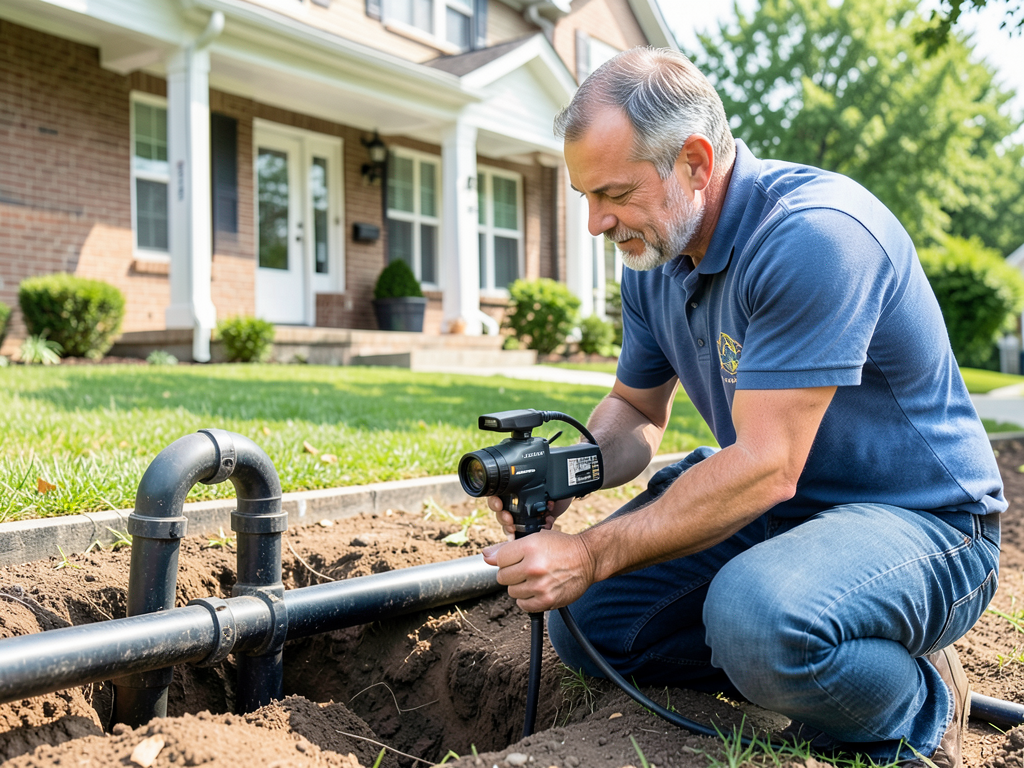
Every Spring Hill home inspection must include a sewer scope. The camera reveals cracks bellies and root intrusions that cost $5000-$15000 to repair. Homes in older Spring Hill neighborhoods like Campbells Station often have Orangeburg pipes installed before 1980. These tar-paper pipes collapse completely after 30-40 years. The scope shows pipe material condition and locates problem areas before you commit to purchase.. Read more about Why You Should Consider Cast Iron Pipes for Soundproofing Your SoBro Townhome.
Common Plumbing Issues in Spring Hill Properties
Spring Hill’s rapid growth since 2000 created specific plumbing patterns. Many homes in the Westhaven and Chapel Hill areas use PEX piping which resists hard water damage but can fail at connection points. The area’s clay soil causes 2-3 inches of annual pipe movement that stresses joints. Homes near the Little East Fork Creek face higher water table risks requiring robust sump systems. The hard water here measures 12-15 grains per gallon compared to the national average of 7-8. Professional Plumbing Fixture Installation for Your Brentwood Remodel.
Understanding Nashville Area Building Codes and Compliance
Davidson County and surrounding areas follow Tennessee State Plumbing Code with local amendments. Spring Hill homes must comply with 2021 International Plumbing Code standards. Backflow prevention devices protect municipal water supplies from contamination. Water heaters require expansion tanks when thermal expansion creates pressure over 80 PSI. Gas line installations need pressure testing to 10 PSI minimum. Your inspector should verify all work meets current code requirements. Plumbing Mount Juliet.
Cost-Benefit Analysis of Professional Plumbing Inspections
A professional plumbing inspection costs $300-$600 in the Nashville area. Main line replacements average $5000-$15000. Water heater replacements cost $1200-$2500. Repiping a home runs $4000-$15000 depending on size. The inspection fee represents 2-5% of potential repair costs. Most Spring Hill buyers recover inspection costs through negotiation credits or by avoiding properties with major issues. Plumbing Springfield.
Timeline Considerations for Real Estate Transactions
Standard real estate contracts give buyers 7-10 days for inspections. Schedule your plumbing inspection within this window. Most inspectors need 2-3 hours for a thorough evaluation. Reports arrive within 24 hours. Major issues require additional specialist assessments adding 1-2 days. Plan accordingly to meet contract deadlines. Rush fees apply for inspections needed within 24 hours.
Negotiation Strategies Using Inspection Findings
Plumbing inspection reports provide negotiation leverage. Sellers must disclose known issues but not hidden problems. Your inspector’s findings create documented evidence for price reductions. Common negotiation points include repair credits, price reductions, or seller-paid repairs. The severity of issues determines your negotiating position. Minor repairs might yield $500-$1000 credits. Major line replacements can justify $5000-$10000 price reductions.
Red Flags That Should Stop Your Purchase
Certain plumbing conditions warrant walking away from a deal. Active water leaks under foundation slabs require demolition to repair. Collapsed sewer lines need complete replacement. Galvanized supply lines throughout the house need full repiping. Polybutylene pipes manufactured between 1978-1995 fail catastrophically. Homes with these issues often hide additional problems. The cost to fix these conditions exceeds most buyers’ repair budgets.. Read more about Comparing the Most Reliable Water Heater Brands for the Middle Tennessee Climate.
Spring Hill Specific Plumbing Considerations
Spring Hill’s location creates unique plumbing needs. The area sits at the edge of the Central Basin where limestone bedrock affects drainage. Many homes built during the 2010s housing boom used lower-grade materials to meet demand. The city’s rapid growth means infrastructure sometimes lags behind development. Water pressure varies significantly between neighborhoods depending on elevation and distance from supply lines.. Read more about Deciding Between Gas and Electric Water Heaters for Your Nolensville New Build.
Choosing the Right Plumbing Inspector
Not all inspectors provide equal service. Look for licensed master plumbers with specific home inspection experience. Verify insurance coverage including errors and omissions protection. Ask about camera equipment quality and reporting software. The best inspectors provide video footage of problem areas. They explain issues in plain language and offer repair recommendations. Experience in Middle Tennessee matters more than national certification.
Questions to Ask Your Plumbing Inspector
Prepare these questions before your inspection. How long have you inspected homes in Spring Hill? What percentage of your inspections find major issues? Do you provide video documentation? What’s your experience with the home’s construction era? Can you assess the city water supply quality? What additional tests might be needed? How do you handle emergency findings during inspection?. Read more about Is a Water Pressure Booster Pump the Best Fix for Your Low Flow Brentwood Home?.
Documentation and Reporting Standards
Professional plumbing inspection reports include specific elements. Digital photos document visible conditions. Video footage shows internal pipe conditions. Written descriptions explain findings in detail. Cost estimates help with negotiation planning. Recommendations prioritize necessary repairs. Timeline estimates show when systems need replacement. The best reports include local code references and permit requirements.
Post-Inspection Steps and Next Actions
After receiving your inspection report take these steps. Review findings with your real estate agent. Get repair estimates from licensed contractors. Consult with your lender about financing options for repairs. Consider additional testing if major issues appear. Make your decision within contract timelines. If proceeding request seller responses to inspection findings. Document all repair agreements in writing.
Protecting Your Investment Long-Term
Once you purchase your Spring Hill home implement preventive measures. Install water pressure regulators if needed. Schedule annual plumbing inspections. Address minor issues before they become major problems. Learn your home’s plumbing layout and shut-off locations. Keep documentation of all repairs and upgrades. Join neighborhood groups to share local plumbing experiences. Monitor water bills for unexpected usage increases indicating leaks.
Frequently Asked Questions
How long does a plumbing inspection take?
A thorough plumbing inspection typically requires 2-3 hours depending on home size and complexity. Older homes with more plumbing fixtures take longer to evaluate completely.
What’s the difference between a home inspection and plumbing inspection?
Home inspectors perform visual checks only. Licensed plumbers use specialized tools like cameras and pressure gauges to find hidden problems that visual inspections miss.
Should I be present during the inspection?
Yes being present allows you to ask questions and understand findings immediately. Most inspectors prefer client attendance for better communication.
Comparing Inspection Options
| Inspection Type | Cost Range | Depth of Analysis | Best For |
|---|---|---|---|
| Basic Visual | $150-$250 | Surface only | Sellers disclosure |
| Standard Professional | $300-$450 | Comprehensive | Home buyers |
| Premium with Camera | $450-$600 | Full diagnostics | Older homes |
Common Repair Costs in Spring Hill
| Repair Type | Average Cost | Urgency Level |
|---|---|---|
| Sewer Line Replacement | $5000-$15000 | High |
| Water Heater Replacement | $1200-$2500 | Medium |
| Whole House Repiping | $4000-$15000 | High |
| Drain Line Repair | $500-$3000 | Medium |
Ready to Protect Your Spring Hill Home Investment?
Don’t let hidden plumbing problems derail your home purchase. A professional inspection reveals issues that could cost you thousands in unexpected repairs. Our licensed master plumbers understand Spring Hill’s unique challenges from clay soil to hard water. We provide detailed reports with video documentation and clear recommendations. Call us today at (615) 413-8833 to schedule your comprehensive plumbing inspection. Your peace of mind is worth every penny. For more information, visit American Society of Home Inspectors.
You may also find this helpful. How to Tell If Your Lebanon Home’s Tankless Water Heater Needs a Professional Flush.
You may also find this helpful. Preventing a Laundry Room Flood in Your Wedgewood-Houston Townhome.
You may also find this helpful. Reverse Osmosis vs Charcoal Filtration — Which Is Better for Your Belle Meade Home?.
You may also find this helpful. Seven Sneaky Reasons Your Nashville Water Bill Is Suddenly Sky High.
You may also find this helpful. Why Your Dishwasher Leaves Standing Water in the Bottom (And How to Fix It in Nipper’s Corner).