Is a Water Pressure Booster Pump the Best Fix for Your Low Flow Brentwood Home?
Your shower barely trickles. The washing machine takes forever to fill. You have had enough of weak water pressure in your Brentwood home. A water pressure booster pump might be the solution you need. How to Deal with Hard Water Issues in Your Mt Juliet Home.
Low water pressure affects thousands of homes across Nashville’s western suburbs. From Forest Hills to Oak Hill homeowners deal with frustrating flow problems daily. Understanding whether a booster pump will fix your specific situation requires knowing what causes these issues in our area. Understanding Backflow Testing.
Why Brentwood Homes Experience Low Water Pressure
Several factors contribute to weak water flow in Brentwood homes. The most common culprits include:. Read more about How to Fix Low Water Pressure That Only Happens at the Kitchen Faucet in Franklin.
- Elevation changes from Nashville’s rolling hills that reduce city water pressure
- Aging Metro Water Services infrastructure in older Brentwood neighborhoods
- Distance from main water lines causing pressure drop
- Hard water scale buildup in pipes reducing flow capacity
- Simultaneous water use by multiple homes on the same supply line
Brentwood sits at a higher elevation than downtown Nashville. Water must travel uphill through miles of pipes to reach your home. This elevation change alone can reduce pressure by 5 to 10 pounds per square inch. Older neighborhoods like Taramore and Maryland Farms often have pipes installed decades ago. These pipes corrode internally creating rough surfaces that restrict water flow. Who to Call When Your Pipes Burst in Nashville at 3 AM.
Many Brentwood homes sit far from main water lines. Each foot of pipe reduces pressure slightly. When multiple homes draw water simultaneously pressure drops further. Hard water in Middle Tennessee creates mineral deposits inside pipes. These deposits narrow pipe diameter reducing water volume significantly over time.. Read more about Why Your Lennox Village Pipes Make a Loud Banging Noise When You Turn Off the Tap.
How Water Pressure Booster Pumps Work
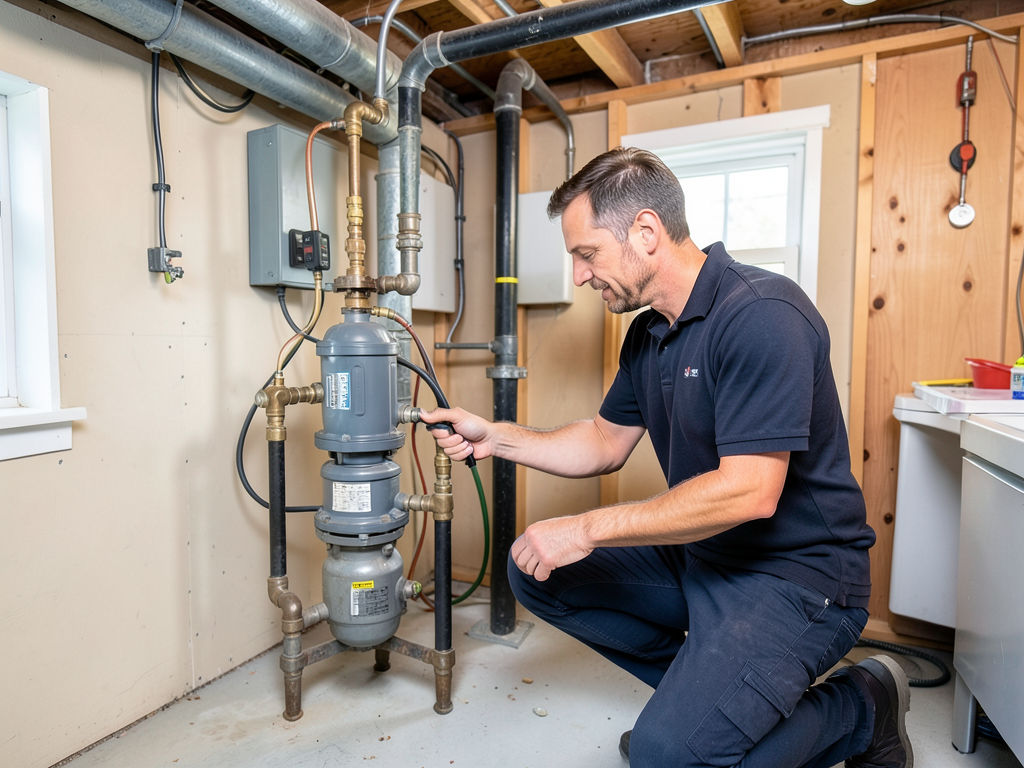
A water pressure booster pump increases water pressure by forcing water through your home’s plumbing system at higher pressure. The pump connects to your main water line. When you turn on a faucet the pump activates automatically. It pushes water through pipes at the pressure you select. Plumbing Foundation.
Most booster pumps include a pressure tank. This tank stores pressurized water. The tank allows the pump to run less frequently saving energy. When you open a faucet the tank provides immediate pressure while the pump ramps up to full speed.. Read more about What to Do if Your Tankless Water Heater Shows an Error Code in Brentwood.
Modern booster pumps use variable speed motors. These motors adjust speed based on demand. When you run one faucet the pump runs slowly. When you run multiple fixtures the pump speeds up to meet demand. This technology reduces energy consumption and extends pump life.
Benefits of Installing a Booster Pump
Installing a booster pump provides immediate improvements to your daily life. Showers feel stronger with better rinsing power. Washing machines and dishwashers fill faster completing cycles sooner. Garden hoses spray with enough force to clean driveways and siding effectively.
Booster pumps solve problems throughout your entire home. Every fixture receives improved pressure. You can run multiple showers simultaneously without pressure drops. Outdoor spigots gain enough pressure to operate sprinklers and pressure washers properly.
Energy efficient models reduce electricity costs. Modern pumps use less power than older designs. Smart controls optimize operation based on your usage patterns. Many homeowners recover installation costs through energy savings within three to five years.
Common Problems Booster Pumps Solve
Booster pumps fix specific water pressure problems effectively. Low pressure from elevated homes improves dramatically. Homes at the end of water mains gain consistent pressure. Multi story houses achieve good pressure on upper floors where gravity reduces flow.
Simultaneous fixture use becomes possible. You can run the dishwasher while someone showers without noticeable pressure drops. Outdoor watering systems operate properly even during peak usage times. Fire suppression systems maintain required pressure for safety.
Hard water scale buildup problems reduce. Higher pressure forces water through partially blocked pipes. While not a permanent fix this improvement helps until you replace affected pipes. Booster pumps also help homes with undersized main lines that cannot deliver adequate pressure.
Installation Requirements and Considerations
Installing a booster pump requires several components working together. You need the pump itself plus a pressure tank check valves and controls. The system connects to your main water line typically in the basement or utility area. Electrical power must reach the installation location.
Professional installation ensures proper operation. Plumbers size pumps correctly for your home’s needs. They install check valves to prevent backflow into city water mains. Controls maintain safe pressure levels throughout your plumbing system. Professional Plumbing Fixture Installation for Your Brentwood Remodel.
Permits often require approval before installation. Local codes regulate booster pump installations to protect municipal water systems. Licensed plumbers understand these requirements and handle permitting processes. They also ensure your system complies with all safety standards.
Cost Analysis for Brentwood Homeowners
Booster pump systems cost between $1,500 and $4,000 installed. Basic systems for small homes start around $1,500. Large homes with multiple bathrooms may need systems costing $3,000 to $4,000. These prices include equipment labor and basic controls.
Additional costs may apply for electrical upgrades. Some installations need new circuits or panel modifications. Pressure tanks range from $200 to $600 depending on size. Premium features like smart controls add $300 to $500 to total costs.
Operating costs remain relatively low. Modern pumps use 300 to 500 watts during operation. At average electricity rates annual operating costs range from $50 to $100. Variable speed pumps reduce these costs by 30 to 50 percent compared to single speed models.
Alternative Solutions to Consider
Before installing a booster pump consider other options. Pipe replacement eliminates scale buildup permanently. New copper or PEX pipes restore original flow capacity. This solution costs more upfront but provides lasting results without ongoing energy costs.
Water softeners prevent future scale formation. These systems remove minerals causing hard water problems. Softened water flows freely through pipes extending plumbing system life. Water softeners cost $1,000 to $2,500 installed plus monthly salt costs. Plumbing Mount Juliet.
Pressure regulating valves sometimes cause problems. These valves reduce incoming pressure to safe levels. Malfunctioning valves can restrict flow excessively. Replacing a faulty valve costs $300 to $600 and may solve pressure issues without a booster pump.
Maintenance Requirements for Booster Pumps
Booster pumps need regular maintenance for reliable operation. Check pressure gauges monthly to ensure proper operation. Listen for unusual noises that indicate bearing wear or cavitation. Clean or replace filters every six months to prevent debris damage.
Annual professional inspections identify developing problems early. Technicians check motor condition electrical connections and pressure settings. They test check valves and ensure proper tank pressure. Early detection prevents costly emergency repairs. EPA WaterSense program.
Most pumps last 10 to 15 years with proper maintenance. Variable speed motors typically outlast single speed designs. Quality components and professional installation extend system life significantly. Some premium systems operate reliably for 20 years or more.
Choosing the Right Booster Pump System
Selecting the correct pump size matters for optimal performance. Undersized pumps cannot meet demand during peak usage. Oversized pumps waste energy and may cause pipe damage. Professional sizing considers home size number of bathrooms and typical usage patterns.
Variable speed pumps offer advantages over single speed models. They adjust automatically to changing demands. Energy consumption drops significantly with variable speed technology. These pumps also operate more quietly and last longer than single speed alternatives.
Brand selection affects reliability and support. Established manufacturers provide better warranties and parts availability. Local plumbers often recommend specific brands based on field experience. Research customer reviews and professional recommendations before purchasing.
Local Building Codes and Regulations
Brentwood and Davidson County regulate booster pump installations. Permits must approve most residential installations. These requirements protect municipal water systems from contamination. Licensed plumbers handle permitting and ensure code compliance.
Backflow prevention devices prevent contaminated water from entering city mains. These devices install on the main line before the booster pump. Annual testing ensures continued protection. Some jurisdictions require professional testing and certification.
Pressure limits prevent damage to municipal infrastructure. Most areas limit residential booster pumps to 80 pounds per square inch maximum. This limit protects pipes and appliances from excessive pressure. Professional installers set these limits during initial setup.
Environmental Impact and Efficiency
Modern booster pumps operate efficiently reducing environmental impact. Variable speed technology minimizes electricity consumption. Smart controls optimize operation based on actual demand. Many systems achieve 50 percent energy savings compared to older designs.
Water conservation benefits often accompany pressure improvements. Better pressure reduces shower times as rinsing becomes more effective. Washing machines fill faster completing cycles sooner. These efficiency gains offset the pump’s energy consumption.
Quality components last longer reducing waste. Durable pumps and tanks need less frequent replacement. Recyclable materials in modern systems support sustainability goals. Many manufacturers now use recycled materials in pump construction.
Comparing Booster Pumps to Other Solutions
| Solution | Initial Cost | Annual Operating Cost | Lifespan | Maintenance Needs |
|---|---|---|---|---|
| Booster Pump | $1,500-$4,000 | $50-$100 | 10-15 years | Annual inspection |
| Pipe Replacement | $3,000-$8,000 | $0 | 50+ years | None |
| Water Softener | $1,000-$2,500 | $100-$200 | 10-15 years | Monthly salt refill |
Additional Comparison Data
| Feature | Booster Pump | Pipe Replacement | Water Softener |
|---|---|---|---|
| Installation Time | 1-2 days | 3-5 days | 1 day |
| Disruption to Home | Minimal | High | Minimal |
| Noise Level | 50-60 dB | N/A | Quiet |
| Energy Star Rated | Many models | N/A | Some models |
This comparison shows booster pumps offer balanced solutions for many homeowners. They cost less than full pipe replacement while providing immediate results. Operating costs remain reasonable compared to other options. The 10 to 15 year lifespan provides good value for the investment.
Frequently Asked Questions
Will a booster pump increase my water bill? Booster pumps use minimal water. They increase pressure but do not increase total water consumption significantly. Most homeowners see no change in water bills after installation.
Can I install a booster pump myself? Professional installation ensures proper operation and code compliance. DIY installation may void warranties and create safety hazards. Licensed plumbers understand local requirements and ensure reliable performance.
How loud are booster pumps during operation? Modern pumps operate quietly at 50 to 60 decibels. This noise level compares to normal conversation. Variable speed pumps run more quietly than single speed models. Proper installation minimizes vibration and noise transmission.
Making Your Decision
Consider your specific situation when deciding about a booster pump. Homes with elevation problems benefit most from these systems. If you experience pressure drops during peak usage hours a booster pump may solve your problems. Multiple story homes often need pressure improvements for upper floors.
Evaluate costs against benefits for your household. Calculate energy savings from faster appliance cycles. Consider the value of improved shower experiences and outdoor watering capabilities. Factor in potential increases in home value from upgraded systems.
Professional assessment helps make informed decisions. Plumbers can test your current pressure and identify specific problems. They recommend appropriate solutions based on your needs and budget. This expert guidance prevents costly mistakes and ensures satisfaction. ASSE International.
Next Steps for Better Water Pressure
Start by testing your current water pressure. Simple pressure gauges attach to outdoor faucets for measurement. Normal residential pressure ranges from 40 to 80 pounds per square inch. Pressures below 40 pounds indicate problems requiring attention.
Contact local plumbing professionals for assessments. Many offer free evaluations of water pressure issues. They can identify causes and recommend solutions specific to your home. Professional advice helps you avoid unnecessary expenses and ensures effective results.
Consider scheduling installations during off peak seasons. Plumbers often have more availability during winter months. This timing may provide better pricing and faster service. Planning ahead ensures your system installs when you need it most.
Ready to solve your water pressure problems? Contact Brentwood’s water pressure experts today. Professional assessment and installation ensure reliable results. Enjoy strong consistent water pressure throughout your home. Stop dealing with frustrating low flow issues now.