How to Tell If Your Lebanon Home’s Tankless Water Heater Needs a Professional Flush
Your tankless water heater should deliver endless hot water on demand. But when mineral scale builds up inside the heat exchanger performance drops fast. This guide walks you through the warning signs that your system needs professional descaling before a costly breakdown hits. Professional Plumbing Fixture Installation for Your Brentwood Remodel.
Why Lebanon Homes Face Special Tankless Maintenance Challenges
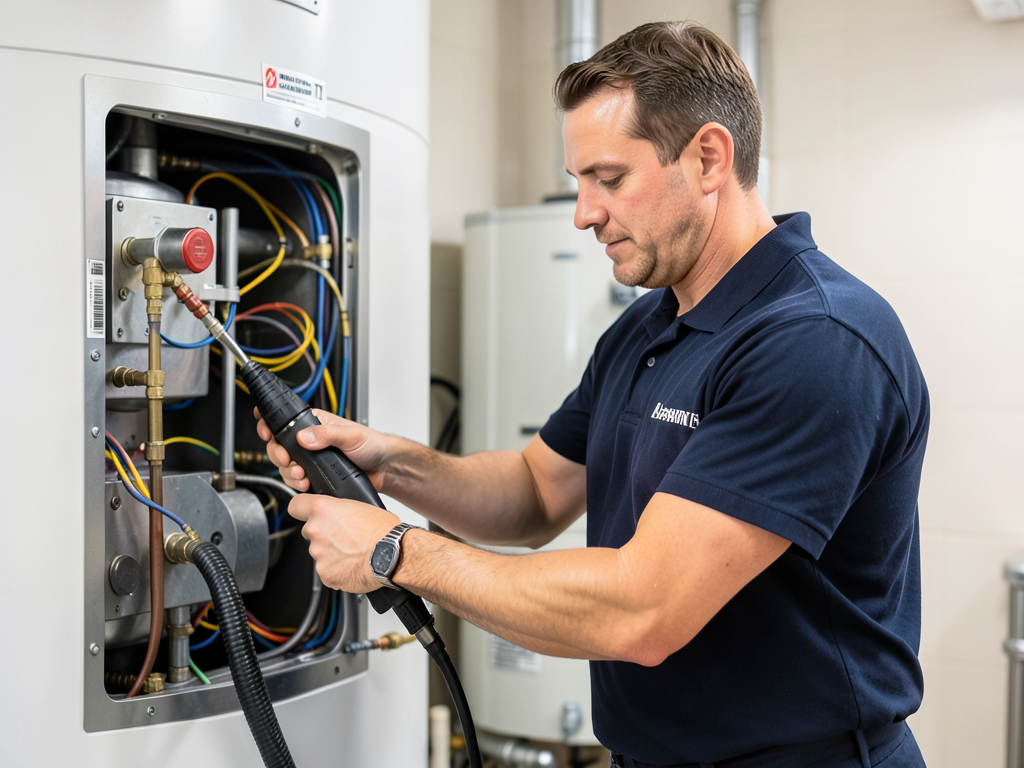
Lebanon sits in the heart of Middle Tennessee where limestone-rich groundwater flows through the Cumberland River basin. This water carries high levels of dissolved calcium and magnesium. When heated these minerals precipitate out as scale coating the interior surfaces of your tankless unit. How to Deal with Hard Water Issues in Your Mt Juliet Home.
Unlike tank-style heaters that store scale at the bottom tankless systems force water through narrow channels. Even a thin layer of buildup acts like insulation reducing heat transfer. Your burner works harder. Energy bills climb. Hot water flow drops. Left unchecked the damage can void your manufacturer warranty.. Read more about Comparing the Most Reliable Water Heater Brands for the Middle Tennessee Climate.
Seven Warning Signs Your Tankless System Needs Attention
These symptoms develop gradually but signal serious internal buildup.
1. Fluctuating Water Temperatures
You feel hot water turn cold then hot again mid-shower. This “cold water sandwich” happens when scale restricts flow through the heat exchanger. The unit cycles on and off trying to maintain temperature. Consistent pressure loss causes these annoying temperature swings.
2. Reduced Hot Water Flow Rate
Your showerhead that once delivered strong hot water now trickles. Scale narrows the internal water channels. You might notice it takes longer for hot water to reach fixtures. Multiple fixtures running simultaneously become impossible without losing heat entirely.
3. Strange Rumbling or Kettling Noises
Scale deposits create hot spots on the heat exchanger. Water trapped under these deposits turns to steam creating popping or rumbling sounds. This kettling effect stresses the metal and can cause premature failure. If you hear banging or knocking when hot water runs the heat exchanger needs immediate inspection.
4. System Error Codes on the Display
Modern tankless units monitor performance. Common error codes that indicate scale problems include flame failure (11) ignition failure (12) and temperature fluctuation errors. The unit may display “flow rate too low” even when water pressure seems normal elsewhere in your home.
5. Unexpected Increase in Utility Bills
Your gas or electric bills rise without increased usage. The unit runs longer cycles to achieve target temperatures. A scaled heat exchanger can reduce efficiency by 30 percent or more. You pay for energy that never reaches your shower.
6. Longer Wait Times for Hot Water
Water that once heated instantly now takes 30 seconds or more. Scale buildup in the heat exchanger and flow sensors forces the unit to work harder to detect and heat incoming water. This delay frustrates morning routines and wastes water down the drain.
7. Visible Scale Around Fixtures
While this appears on fixtures rather than the unit itself white crusty buildup on faucets and showerheads indicates the mineral content in your water. If you see scale on visible surfaces your tankless heat exchanger faces the same problem internally magnified by constant heating cycles.
What Happens During a Professional Tankless Flush
DIY vinegar flushes help but cannot match professional descaling. Here’s what certified technicians perform:
- System Inspection
Technicians check for error codes inspect venting and test gas pressure. They verify the unit model and check warranty status.
- Isolation and Drainage
Water and gas supplies shut off. The unit drains completely. Isolation valves allow circulation without disrupting household water.
- Chemical Descaling
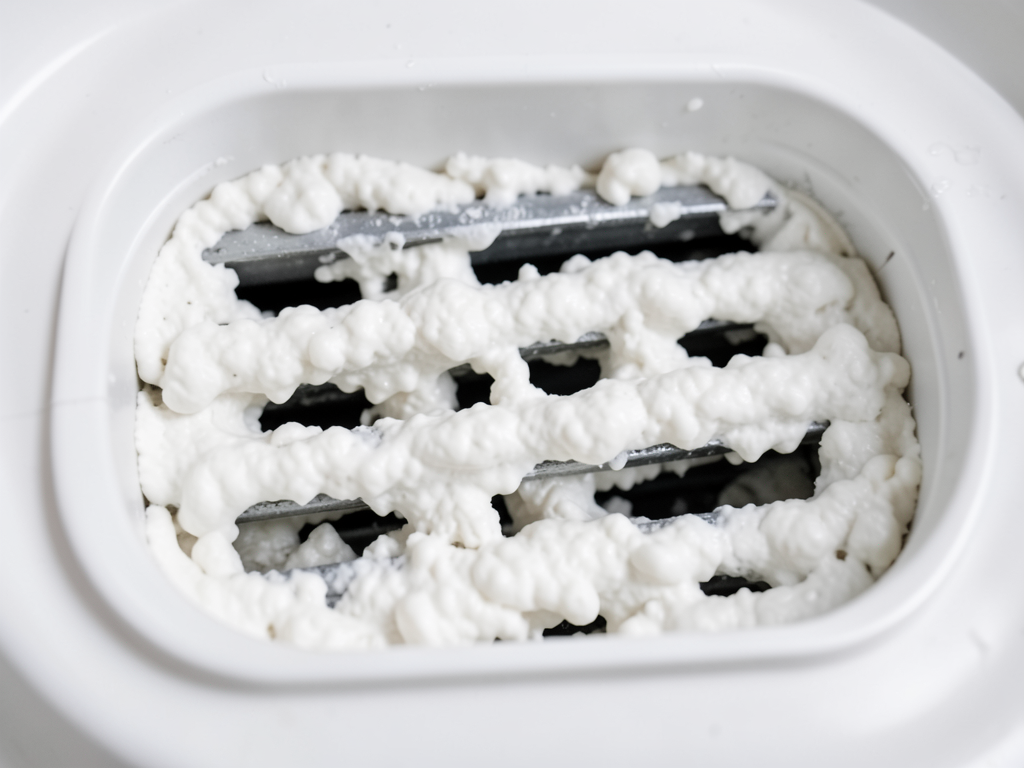
Food-grade phosphoric acid solution circulates through the heat exchanger for 45-90 minutes. This dissolves calcium and magnesium deposits without damaging metal components.
- Filter and Screen Cleaning
Inline water filters and the unit’s internal inlet screen remove trapped sediment. Clean filters restore proper flow sensing.
- Component Inspection
Heat exchanger gets visual inspection for corrosion. Burners cleaned. Igniter and flame rod checked. Venting examined for obstructions.
- Performance Testing
Unit restarts. Technicians verify temperature rise flow rate and combustion efficiency. Error codes cleared if present.
Maintenance Schedule for Lebanon Area Homes
Water hardness in Wilson County averages 12-15 grains per gallon. This falls in the hard water category requiring annual professional maintenance. Homes using well water or with older plumbing may need service every six months. Plumbing Mount Juliet.
| Water Hardness Level | Recommended Service Interval | Typical Cost Range |
|---|---|---|
| Soft (0-3 gpg) | Every 24 months | $150-200 |
| Moderate (4-7 gpg) | Annually | $180-250 |
| Hard (8-14 gpg) | Every 6-12 months | $200-300 |
| Very Hard (15+ gpg) | Every 3-6 months | $250-400 |
Seasonal timing matters. Schedule service in late summer before cold weather arrives. This ensures your system handles winter demands without strain. Spring service removes scale buildup from summer’s heavy usage.
DIY Maintenance Between Professional Visits
Homeowners can extend service intervals with these steps:
- Clean inlet water filter monthly. Turn off unit remove filter screen and rinse under running water.
- Check vent terminations quarterly. Clear any debris bird nests or snow buildup.
- Inspect for leaks monthly. Look for water stains around the unit or connections.
- Listen for new noises. Changes in operation often precede major failures.
- Test temperature consistency weekly. Note any fluctuations that might indicate developing problems.
Never use vinegar or other acids without proper equipment. These methods lack the circulation pressure and temperature control of professional descaling. They also void most manufacturer warranties.
Common Error Codes and What They Mean
Understanding error codes helps you decide when to call for service. Here are frequent issues in Middle Tennessee: Understanding Backflow Testing.
| Error Code | Common Cause | Urgency Level |
|---|---|---|
| 11 | Flame failure often from restricted gas flow or scale buildup | High |
| 12 | Ignition failure from dirty igniter or scale on flame rod | Medium |
| 79 | Communication error between PC board and display | Low |
| 99 | Flow rate insufficient often from scale restriction | Medium |
| A1 | Temperature fluctuation from scale buildup | High |
When error codes appear turn off the unit and call a professional. Continuing operation can cause permanent damage.
Manufacturer Warranty Considerations
Most tankless manufacturers require professional maintenance every 12-24 months. Skipping service voids warranty coverage for heat exchanger replacement. A new heat exchanger costs $800-1500 plus labor. Annual maintenance costs $200-300 protecting a $2000-4000 investment.
Keep service records. Technicians provide documentation showing descaling date parts replaced and performance metrics. This paperwork proves compliance if warranty claims arise.
Comparing Popular Tankless Brands in Nashville
Local plumbers see different failure patterns among major brands. Here’s how they compare for Middle Tennessee conditions:
| Brand | Scale Resistance | Common Issues | Service Frequency |
|---|---|---|---|
| Rinnai | Good with proper maintenance | Flow sensor clogs | Annual |
| Navien | Excellent heat exchanger design | Burner clogging | Annual |
| Rheem | Average durability | Heat exchanger scale | Every 6-12 months |
| Noritz | Very good scale resistance | Venting issues | Annual |
Brand choice matters less than maintenance consistency. All units fail without proper descaling in hard water areas.
Frequently Asked Questions
How long does a professional tankless flush take?
Most descaling services complete in 60-90 minutes. Complex cases with severe scale or hard-to-access units may require 2-3 hours.
Can I use vinegar instead of professional chemicals?
Vinegar works slowly and cannot dissolve heavy scale. Professional descalers use phosphoric acid at controlled concentrations. DIY methods often leave scale deposits that continue causing problems.
What’s the difference between flushing and descaling?
Flushing removes loose sediment. Descaling chemically dissolves bonded mineral deposits. Professional service always includes both steps for complete cleaning.
How do I know if my water is hard enough to cause problems?
Wilson County water tests at 12-15 grains per gallon. You can test with a simple kit from hardware stores or check your annual water quality report. White scale on fixtures indicates hard water.
Will a water softener eliminate the need for tankless maintenance?
Softeners reduce but don’t eliminate scale. They exchange calcium for sodium but some hardness remains. Softened water still requires annual professional service to maintain efficiency.
Ready to Schedule Your Tankless Service
Don’t wait for cold showers or error codes to force your hand. Ironwood Plumbing serves Lebanon and all of Middle Tennessee with certified tankless maintenance. Our technicians carry common parts and can often complete service same-day. Plumbing Springfield.
Signs you need immediate service:
- Hot water fluctuates or runs cold
- You hear popping or rumbling from the unit
- Error codes appear on the display
- Utility bills rise unexpectedly
- Multiple fixtures lose hot water pressure
Call (615) 413-8833 today to schedule your professional tankless flush. We’ll restore your endless hot water and protect your investment from costly scale damage.
Serving Lebanon Mount Juliet and all of Middle Tennessee with expert plumbing service since 2010.
EPA Drinking Water Standards
Tennessee Department of Environment & Conservation