Essential Plumbing Tips for Every First-Time Homeowner in North Nashville
Buying your first home in North Nashville brings excitement and responsibility. One of the biggest responsibilities you now have is maintaining the plumbing system that keeps your home running smoothly. The unique climate and infrastructure of Middle Tennessee create specific challenges that new homeowners need to understand. This guide walks you through everything from finding your main water shut-off valve to protecting your pipes during Nashville’s unpredictable winter weather. Nashville Metro Water Services.
Understanding Your Nashville Home’s Plumbing System
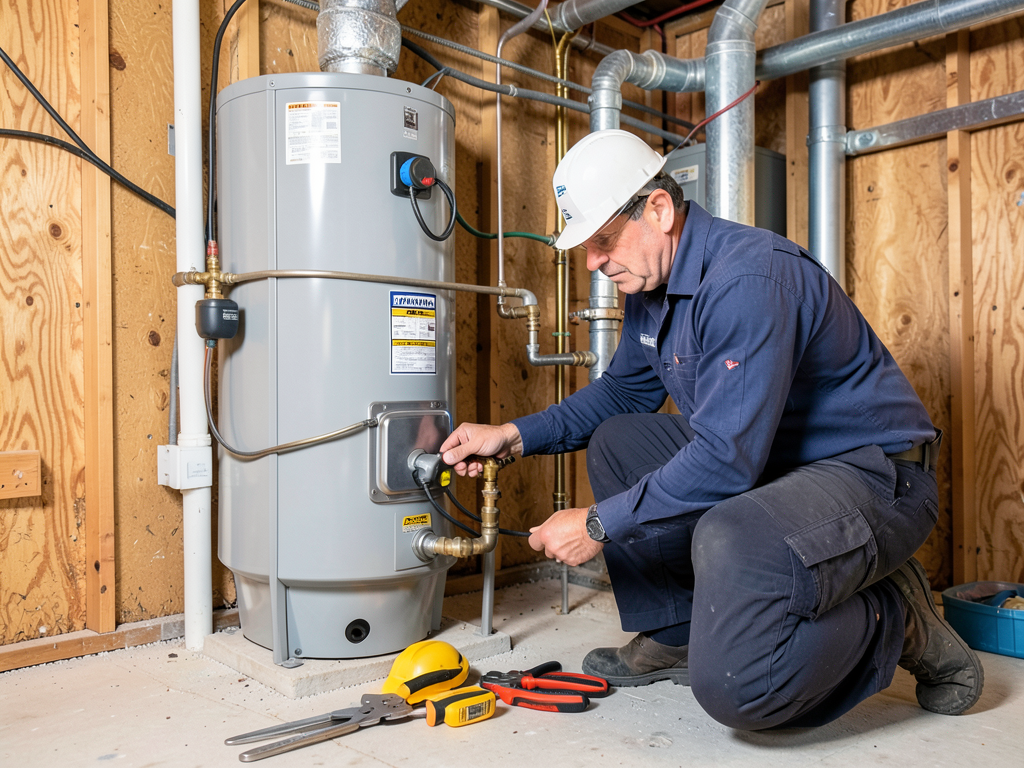
Before you can maintain your plumbing you need to know what you have. Most homes in North Nashville built after 2000 use PEX piping while older homes in neighborhoods like Germantown or Salemtown often have copper or even galvanized steel pipes. Knowing your pipe material helps you understand what maintenance is needed. Who to Call When Your Pipes Burst in Nashville at 3 AM.
Your main water shut-off valve is your first line of defense in a plumbing emergency. In many North Nashville homes this valve sits in the crawl space near the front of the house. Some homes have it in the basement or near the water meter outside. Take five minutes to locate this valve now. Turn it clockwise to shut off water flow. This simple step could save you thousands in water damage if a pipe bursts while you are away. Professional Plumbing Fixture Installation for Your Brentwood Remodel.
Check your water meter to understand your home’s baseline water usage. Nashville Metro Water Services provides water to most of Davidson County. If you notice your meter running when no water is being used you might have a hidden leak. Even small leaks waste hundreds of gallons monthly and drive up your water bill. How to Deal with Hard Water Issues in Your Mt Juliet Home.
Seasonal Maintenance Checklist for Middle Tennessee
Nashville’s climate throws unique challenges at your plumbing system. The area experiences hot humid summers and cold winters with occasional Arctic blasts. These temperature swings cause pipes to expand and contract which can lead to leaks or bursts if your system is not prepared. EPA WaterSense program.
Fall and Winter Preparation
Before the first freeze which typically hits Nashville in late November take these steps:. Read more about The Pros and Cons of Rainwater Harvesting for Your East Nashville Garden.
- Disconnect and drain outdoor hoses. Store them indoors to prevent cracking.
- Install frost-proof hose bibs if your home does not already have them. These special faucets prevent water from freezing inside the pipe.
- Insulate exposed pipes in crawl spaces and attics. Use foam pipe insulation which costs about $2 per six-foot section at home improvement stores.
- Seal gaps where cold air can enter crawl spaces or basements. Cold drafts can freeze pipes even in insulated spaces.
During extreme cold snaps keep cabinet doors open under sinks on exterior walls. This allows warm air to circulate around the pipes. Let a small stream of water drip from faucets served by exposed pipes. Moving water freezes less readily than standing water.. Read more about Why Your Hot Water Heater Is Making a Strange Popping Sound in Dickson.
Spring and Summer Maintenance
Spring brings heavy rains to Nashville which can overwhelm drainage systems and stress sump pumps. Test your sump pump by pouring a bucket of water into the pit. The pump should turn on automatically and drain the water quickly. If it does not work replace it before the next storm hits.. Read more about Why You Need to Replace Your Rubber Washing Machine Hoses in Antioch Right Now.
Check outdoor irrigation systems for leaks as temperatures warm. A broken sprinkler head can waste thousands of gallons of water over a summer. Nashville’s clay soil which is common in North Nashville expands when wet and contracts when dry. This movement can crack underground pipes.. Read more about Why Your Murfreesboro Pipes Are Sweating and What It Means for Your Drywall.
Summer humidity causes condensation on cold water pipes. This sweating can damage cabinets and promote mold growth. Install foam pipe insulation on cold water lines in humid areas like basements and crawl spaces.
Managing Nashville’s Hard Water
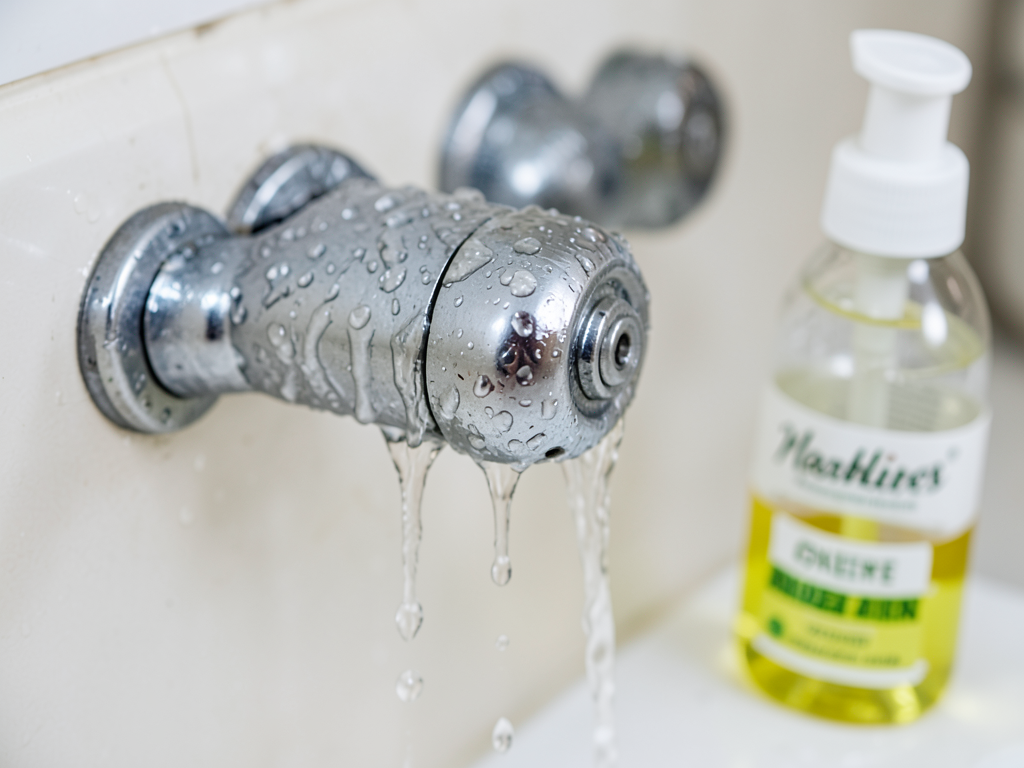
Middle Tennessee sits on limestone bedrock which means our water contains high levels of dissolved minerals primarily calcium and magnesium. This creates what plumbers call hard water. You will notice hard water by the white crusty buildup on faucets and showerheads.
Hard water affects your plumbing in several ways:
- Scale builds up inside water heaters reducing efficiency by up to 30 percent.
- Minerals accumulate in pipes restricting water flow over time.
- Soap does not lather well in hard water leaving spots on dishes and making laundry harder to clean.
Water hardness in Nashville typically measures between 12 and 15 grains per gallon. This level is considered hard and will cause problems without treatment. Consider installing a water softener if you notice significant scale buildup or if your water heater seems to run less efficiently than when you first moved in.. Read more about Installing a Thermostatic Mixing Valve to Prevent Scalding in Your Gallatin Home.
Even without a water softener you can reduce hard water damage. Flush your water heater annually to remove sediment. This simple maintenance task can extend your water heater’s life by several years. Use vinegar to clean mineral deposits from faucets and showerheads. Soak affected parts in vinegar for an hour then scrub with a brush.. Read more about Why You Should Never Flush Those So-Called Flushable Wipes in Inglewood.
The 10-Point DIY Monthly Plumbing Inspection
Regular inspections catch small problems before they become expensive repairs. Set a calendar reminder to complete this inspection on the first Saturday of each month.
- Check all visible pipes under sinks and in the basement for leaks or corrosion.
- Test toilet tanks by adding a few drops of food coloring to the tank water. Wait 30 minutes without flushing. If color appears in the bowl you have a leaky flapper that needs replacement.
- Run water in all sinks and tubs checking for slow drainage which indicates partial clogs.
- Inspect washing machine hoses for bulges cracks or dampness. Replace rubber hoses every five years or upgrade to steel-braided hoses for better durability.
- Check the water heater for signs of leaking especially around the pressure relief valve and drain valve.
- Test the pressure relief valve on your water heater by lifting the lever partway. You should hear a rush of water exiting through the discharge pipe. If nothing happens the valve needs replacement.
- Examine outdoor hose bibs for drips or corrosion.
- Look for water stains on ceilings walls and floors which indicate hidden leaks.
- Check your water bill for unexplained increases which often signal leaks.
- Listen for gurgling sounds from drains which can indicate venting problems.
When to Call a Licensed Nashville Plumber
Some plumbing problems require professional tools and expertise. Knowing when to call a pro saves you from making problems worse and potentially causing more damage. Plumbing Mount Juliet.
Call a licensed plumber if you notice:
- Multiple slow drains throughout your home which often indicates a main sewer line problem.
- Water pressure that drops suddenly or remains consistently low.
- Water that appears rusty or has an unusual smell.
- Wet spots in your yard when it has not rained which could mean a broken water main.
- Sewer odors inside your home which suggest vent pipe problems or sewer line damage.
Older homes in North Nashville neighborhoods like Salemtown or parts of Germantown may have sewer laterals made from clay or cast iron. These materials crack and deteriorate over decades. Tree roots commonly invade these older pipes causing blockages and backups. A professional plumber can use a camera inspection to see inside your sewer line and recommend repairs before you experience a sewage backup.. Read more about The Hidden Danger of Using Flex Lines Under Your Sink in Historic Edgefield.
Backflow prevention devices protect your drinking water from contamination. Nashville Metro Water Services requires these devices for certain properties. If you receive a notice about backflow testing do not ignore it. Licensed plumbers test and certify these devices annually to meet local regulations. Understanding Backflow Testing.
Garbage Disposal Dos and Don’ts
Your garbage disposal makes kitchen cleanup easier but it is not designed to handle everything. Following these guidelines prevents jams and extends the life of your disposal.
Always run cold water when using the disposal. Cold water keeps fats solid so they get chopped up and flushed away rather than coating the pipes. Let the water run for 15 seconds after turning off the disposal to flush debris down the drain.
Never put these items down your disposal:
- Coffee grounds which accumulate in pipes like sediment.
- Egg shells which have membranes that wrap around the disposal blades.
- Celery or other fibrous vegetables which tangle in the mechanism.
- Potato peels which create a starchy paste that clogs pipes.
- Any non-food items including paper plastic or metal.
To clean your disposal pour a cup of baking soda followed by a cup of vinegar down the drain. Let it fizz for five minutes then flush with hot water. This natural cleaning method removes odors and breaks down buildup without harsh chemicals.
Crawl Space Plumbing Moisture Monitoring
Many North Nashville homes have crawl spaces rather than basements. These spaces are prone to moisture problems that can damage plumbing and promote mold growth. Check your crawl space quarterly for signs of trouble.. Read more about Keeping Your North Nashville Construction Site Safe from Copper Pipe Theft.
Look for standing water which indicates poor drainage or a plumbing leak. Water should never accumulate in a crawl space. Check for condensation on pipes which suggests high humidity levels. Insulate cold water pipes to prevent sweating.
Examine the insulation on pipes and around the crawl space perimeter. Wet insulation loses its effectiveness and can harbor mold. Replace any damaged insulation promptly.
Ensure your crawl space has proper ventilation. Most building codes require one square foot of vent area for every 150 square feet of crawl space. Blocked vents trap moisture leading to wood rot and pipe corrosion.
Water Pressure Management
Nashville’s hilly terrain means many homes need pressure reducing valves to protect plumbing. High water pressure stresses pipes and fixtures causing premature failure. Ideal household water pressure ranges from 40 to 60 psi.
Test your water pressure with a gauge that attaches to an outdoor hose bib. If pressure exceeds 80 psi have a plumber install or adjust a pressure reducing valve. These valves typically cost $150 to $350 installed and can prevent costly pipe bursts.
Pressure problems often appear first at faucets and showerheads. If water flow seems weak throughout your home but pressure tests normal you might have mineral buildup in your pipes. A professional cleaning can restore proper flow.
Emergency Plumbing Kit
Prepare for plumbing emergencies before they happen. Keep these items readily available:
- Water shut-off wrench for the main valve.
- Plumber’s tape for sealing pipe threads.
- Plunger for each toilet and sink.
- Drain snake for clearing minor clogs.
- Bucket for catching water during repairs.
- Flashlight with fresh batteries for crawl space inspections.
Post emergency contact numbers near your phone or save them in your cell phone. Include your plumber’s number Ironwood Plumbing at (615) 413-8833 along with Nashville Metro Water Services emergency line.
Understanding Your Plumbing Warranty
New homes in North Nashville often come with plumbing warranties that cover certain repairs for one to ten years. Read your warranty documents carefully. Some cover only specific components like the water heater while others protect against defects in materials or workmanship.
Keep records of all maintenance and repairs. Many warranties require proof of regular maintenance to remain valid. Flush your water heater annually and keep receipts for water softeners or other treatment systems.
If you purchase a resale home ask for documentation of any repiping or major plumbing work. This information helps you plan for future maintenance and understand what might need replacement soon.
Building a Relationship with a Local Plumber
Find a licensed plumber before you need emergency service. Look for someone who knows Nashville’s specific plumbing challenges including local water quality soil conditions and building codes. A plumber familiar with North Nashville will understand common issues in your area.
Schedule a plumbing inspection within your first year in a new home. This inspection identifies potential problems and gives you a maintenance roadmap. The cost typically ranges from $150 to $300 but can prevent thousands in emergency repairs.
Ask about maintenance plans which often include annual inspections and priority service for emergencies. These plans cost $150 to $300 annually but provide peace of mind and can save money on repairs.
Remember that the cheapest plumber is not always the best value. Look for proper licensing insurance and good reviews from other Nashville homeowners. A quality plumber becomes a trusted advisor for your home’s long-term health.
Your plumbing system works hard every day to keep your home comfortable and functional. With proper maintenance and attention to Nashville’s specific challenges you can avoid most common plumbing problems. Take time to learn your system perform regular inspections and address small issues before they become major headaches.
When you need professional help remember that Ironwood Plumbing serves all of North Nashville and surrounding areas. Our team understands the unique plumbing needs of Middle Tennessee homes and provides reliable service when you need it most. Call us at (615) 413-8833 for any plumbing concerns from routine maintenance to emergency repairs.
Protect your investment by staying proactive about plumbing maintenance. Your future self will thank you when you avoid the stress and expense of major plumbing failures.
Frequently Asked Questions
How often should I flush my water heater in Nashville?
Flush your water heater annually to remove sediment buildup from Nashville’s hard water. This maintenance extends the unit’s life and maintains efficiency.
What temperature should I set my water heater to?
Set your water heater to 120 degrees Fahrenheit. This temperature prevents scalding while controlling bacteria growth and reducing energy costs.
How can I tell if I have a hidden water leak?
Check your water meter when no water is being used. If the meter continues to run you likely have a hidden leak somewhere in your plumbing system.
Should I use chemical drain cleaners?
Avoid chemical drain cleaners as they can damage pipes and harm the environment. Use a plunger or drain snake first or call a professional for stubborn clogs.
How long do plumbing fixtures typically last?
Toilets and faucets last 10 to 15 years while water heaters typically last 8 to 12 years. Garbage disposals usually need replacement after 10 to 12 years of use.
You may also find this helpful. How Your Washing Machine Hoses Could Cause a Major Flood in Your Charlotte Park Home.