
Why Your Hot Water Heater Is Making a Strange Popping Sound in Dickson
You are hearing that popping sound because your water heater has a serious problem. That noise is not normal. It is called kettling and it means sediment has built up inside your tank. If you live in Dickson or anywhere in Middle Tennessee you are dealing with hard water. Hard water means your water heater is working overtime and that popping is your first warning sign. Water Hardness Information.
Before you panic let us explain what is happening and what you can do about it. This is a common issue for Nashville area homeowners. The good news is you have options. The bad news is ignoring it will cost you more money and could leave you without hot water when you need it most. How to Deal with Hard Water Issues in Your Mt Juliet Home.
What Causes That Popping Sound in Your Water Heater
The popping sound comes from sediment buildup at the bottom of your tank. When water gets trapped under the sediment layer it superheats and creates steam bubbles. Those bubbles explode through the sediment layer making that popping noise you hear.
Middle Tennessee water is notoriously hard. The water from Metro Nashville Water Services contains high levels of calcium and magnesium. These minerals settle at the bottom of your tank over time. Think of it like a layer of sand at the bottom of your water heater.
When the burner heats the tank it has to work through that sediment layer first. The trapped water gets superheated creating steam pockets. When those pockets burst through the sediment you hear popping. It is like water boiling under a layer of rocks. Who to Call When Your Pipes Burst in Nashville at 3 AM.
Why Nashville Area Water Heaters Suffer More
Dickson sits in the heart of Middle Tennessee where the water is hard. The Cumberland River and underground aquifers that supply our water naturally contain high mineral content. Your water heater is essentially a sediment collector.
Local water quality reports show Nashville area water typically measures between 7 and 11 grains per gallon of hardness. That is considered very hard water. Over a year that adds up to several pounds of sediment in your tank.
Older homes in neighborhoods like East Nashville and Inglewood often have pipes that are decades old. Those pipes can contribute rust and other debris that settles in your water heater. The combination of hard water and aging infrastructure creates the perfect storm for sediment buildup.
5 Signs Your Water Heater Has Sediment Buildup
Besides the popping sound there are other warning signs that sediment is taking over your water heater. Watch for these symptoms:
- Popping rumbling or cracking sounds when the burner is on
- Less hot water than usual or water that runs cold faster
- Cloudy or rusty colored water from your hot taps
- Higher energy bills because your heater works harder
- Strange smells like rotten eggs from your hot water
If you notice any of these signs sediment is likely the culprit. The longer you wait the worse the problem gets. Sediment acts like insulation between your burner and the water it needs to heat. Your water heater burns more gas or electricity but produces less hot water.
How Sediment Affects Your Water Heater Performance
Sediment buildup is not just noisy. It is expensive and destructive. That layer of minerals at the bottom of your tank causes several problems.
First your water heater loses efficiency. The burner has to work longer to heat through the sediment layer. This can increase your energy costs by 25 to 30 percent. You are paying more for less hot water.
Second sediment causes your tank to overheat. The concentrated heat under the sediment layer can damage the tank bottom. This leads to premature tank failure and potentially a flooded basement.
Third sediment can cover the lower heating element in electric water heaters. When this happens the element burns out and needs replacement. In gas heaters sediment can clog the drain valve making maintenance difficult.
The Impact on Tankless Water Heaters
You might think tankless water heaters are immune to sediment problems. They are not. While they do not store water they still have heat exchangers that can get clogged with mineral deposits.
In Nashville tankless units often need annual descaling to maintain efficiency. The hard water here means even these modern units require maintenance. Some homeowners in Spring Hill and Franklin have switched to tankless only to find they need professional cleaning every year. Getting Your Franklin TN Water Heater Replaced Without the Stress.
The advantage of tankless is they show problems faster. You might notice reduced hot water flow or error codes on the display. These are signs you need professional descaling before the unit fails completely. Professional Plumbing Fixture Installation for Your Brentwood Remodel.
How to Flush Your Water Heater and Stop the Popping
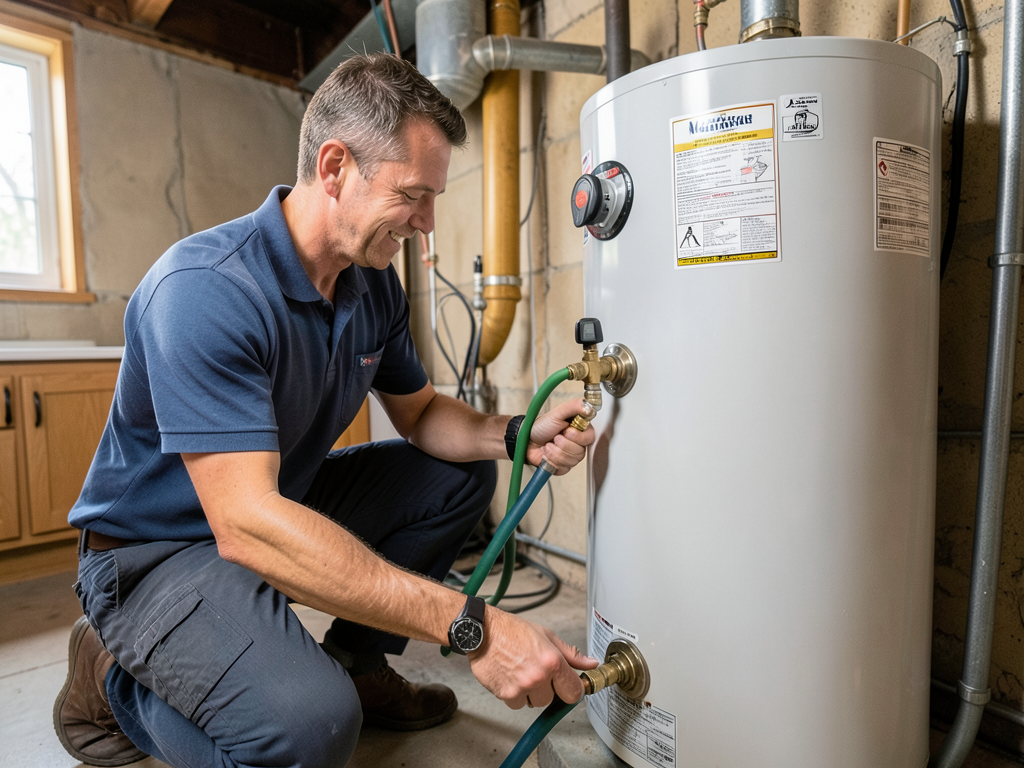
Flushing your water heater removes sediment and can stop the popping sound. This is a maintenance task you can do yourself if you are comfortable with basic plumbing. Here is how to do it: Plumbing Mount Juliet.
- Turn Off Power or Gas
Turn off the breaker for electric heaters or set gas heaters to pilot. Never work on a water heater with power connected.
- Shut Off Cold Water Supply
Locate the cold water valve above your heater and turn it clockwise to shut off water flow.
- Connect a Garden Hose
Attach a garden hose to the drain valve at the bottom of the tank. Run the hose to a floor drain or outside.
- Open the Drain Valve
Open the valve and let the tank drain completely. Be careful the water will be hot.
- Flush with Cold Water
Open the cold water supply briefly to stir up remaining sediment. Let it drain again until water runs clear.
- Close Valve and Refill
Close the drain valve. Turn on the cold water supply to refill the tank. Open a hot water faucet to let air escape.
- Restore Power or Gas
Turn the breaker back on or set the gas valve to normal operation.
This process removes most sediment but not all of it. For heavily clogged tanks you might need professional cleaning. The process takes about an hour and can extend your water heater life by several years.
When to Call a Professional Plumber
Sometimes sediment problems require professional help. Call a plumber if you notice these signs:
- Your water heater is over 10 years old and has never been flushed
- The drain valve is stuck or leaking
- You see rust or corrosion on the tank exterior
- Your water smells like rotten eggs even after flushing
- The popping sound continues after a DIY flush
Professional plumbers have tools to remove stubborn sediment. They can also inspect your anode rod and heating elements. Sometimes sediment damage requires tank replacement rather than cleaning.
Preventing Future Sediment Buildup
You cannot change Nashville’s hard water but you can minimize sediment problems. Here are prevention strategies:
| Prevention Method | Cost Range | Effectiveness |
|---|---|---|
| Annual water heater flush | $75-$150 | High |
| Water softener installation | $1,200-$2,500 | Very High | Anode rod replacement | $100-$250 | Medium |
| Whole house filtration | $800-$1,500 | Medium |
Annual flushing is the most cost effective prevention. For maximum protection combine flushing with a water softener. Softeners remove minerals before they reach your water heater.
Check your anode rod every two years. This rod attracts corrosive elements protecting your tank. When it wears out your tank becomes vulnerable to rust and sediment damage.
The Cost of Ignoring Sediment Problems
Delaying maintenance costs more in the long run. A new water heater costs between $800 and $2,500 installed. Compare that to $75 for an annual flush.
Sediment damage can cause tank failure. When a tank fails it often leaks. A leaking water heater can flood your basement or utility room. Water damage repairs add thousands to your costs. EPA WaterSense.
Energy waste from inefficient heating adds up monthly. That extra 25 percent on your gas or electric bill pays for professional maintenance many times over.
Older tanks with heavy sediment buildup are more likely to fail during winter when you need hot water most. Emergency replacements cost more and leave you without hot water during repairs.
Local Water Quality and Your Water Heater
Nashville’s water comes from the Cumberland River and underground sources. The Metro Water Services treats this water but cannot remove all minerals. Those minerals are what cause your sediment problems.
Water hardness varies across Middle Tennessee. Areas closer to limestone formations like parts of Murfreesboro and Smyrna often have harder water than areas near the river.
Local plumbers report that water heaters in Hermitage and Mount Juliet often need more frequent maintenance than those in areas with different water sources. The specific mineral content in your water affects how quickly sediment builds up.
You can request a water quality report from Metro Water Services. This report shows the mineral content in your area. Knowing your water hardness helps you plan maintenance schedules.
Comparing Tank and Tankless Water Heaters for Nashville Homes
Both tank and tankless water heaters face sediment challenges in Nashville. Here is how they compare:
| Feature | Traditional Tank | Tankless |
|---|---|---|
| Initial Cost | $800-$1,500 | $2,000-$4,000 |
| Annual Maintenance | $75-$150 | $150-$300 |
| Sediment Issues | Buildup in tank | Scaling in heat exchanger |
| Lifespan with Hard Water | 8-12 years | 15-20 years |
| Energy Efficiency | 60-70% | 80-95% |
Tankless units cost more upfront but handle hard water better long term. They also provide endless hot water and save space. However they still need descaling in Nashville.
Traditional tanks are simpler and cheaper to replace. They work well with annual maintenance. The popping sound is often the first sign they need attention.
Frequently Asked Questions
Is that popping sound dangerous?
The popping itself is not dangerous but it signals a problem. Sediment buildup can cause your tank to overheat and fail. This could lead to flooding or complete loss of hot water. It is best to address it promptly.
How often should I flush my water heater in Nashville?
Most Nashville area homeowners should flush their water heater annually. If you have extremely hard water or notice symptoms sooner flush every six months. Homes in areas with older plumbing might need more frequent maintenance.
Can I prevent sediment without a water softener?
Regular flushing is the best prevention without a softener. You can also install a whole house filter to catch some sediment before it reaches your water heater. However these methods are less effective than water softening for hard water areas.
How do I know if my water heater needs replacement instead of repair?
Consider replacement if your unit is over 10 years old has never been maintained or shows signs of tank corrosion. Also replace if you have had multiple heating element failures or if the tank is leaking. A professional inspection can help you decide.
Does sediment affect water pressure?
Sediment primarily affects hot water temperature and efficiency not pressure. However severe sediment can clog the drain valve or lower heating element. This might indirectly affect performance but not the cold water pressure coming into your home.
Take Action Before Your Water Heater Fails
That popping sound is your water heater crying for help. In Nashville’s hard water conditions sediment buildup happens faster than in many other areas. The good news is you can fix it before it causes expensive damage.
If you hear popping see rusty water or notice your hot water runs out quickly do not wait. Annual maintenance costs much less than emergency replacement. A simple flush can add years to your water heater life and save you money on energy bills.
For professional water heater maintenance inspection or replacement in Dickson and the greater Nashville area call Ironwood Plumbing. Our experienced technicians understand Middle Tennessee water conditions and can keep your water heater running efficiently for years to come.
Call us today at (615) 413-8833 to schedule your water heater inspection. Do not let sediment problems leave you without hot water when you need it most.