The Pros and Cons of Rainwater Harvesting for Your East Nashville Garden
East Nashville homeowners face unique challenges with water management. The area’s heavy clay soil and seasonal rainfall patterns make rainwater harvesting both an attractive solution and a complex plumbing project. Before you install that first rain barrel or underground cistern, you need to understand the real pros and cons specific to our Nashville climate and building codes. Professional Plumbing Fixture Installation for Your Brentwood Remodel.
Understanding Nashville’s Rainfall Patterns and Water Needs
Nashville receives approximately 47 inches of rainfall annually, with most precipitation concentrated in spring and fall. This creates both opportunities and challenges for rainwater harvesting. Your East Nashville garden likely needs consistent irrigation during hot summers when rainfall is scarce. A properly sized rainwater collection system can capture thousands of gallons from your roof during storms, but you need to calculate your actual water usage to determine if harvesting makes sense. How to Deal with Hard Water Issues in Your Mt Juliet Home.
The average East Nashville home with a 2,000 square foot roof can collect over 25,000 gallons annually. However, most of this falls during months when outdoor watering isn’t needed. You’ll need storage capacity for dry periods and a reliable pump system to distribute water when your garden needs it most.
Local Building Codes and Metro Water Services Requirements
Davidson County has specific regulations for rainwater harvesting systems that go beyond simple rain barrels. Metro Water Services requires permits for any system with more than 110 gallons of storage capacity. You’ll need to submit detailed plans showing overflow management, backflow prevention, and how you’ll prevent cross-connection with your potable water supply. Metro Water Services.
Backflow prevention is critical in Nashville’s limestone geology. The Cumberland River Basin’s karst topography means groundwater can move unpredictably through underground channels. Any rainwater system connected to your home’s plumbing must include a reduced pressure principle backflow preventer tested annually by a certified Nashville plumber. Plumbing Mount Juliet.
Local code also addresses overflow management. Nashville’s stormwater system struggles during heavy rains, and improper overflow from cisterns can contribute to street flooding and erosion. Your system must direct overflow away from foundations and connect to proper drainage.
Above-Ground vs. Underground Cistern Options
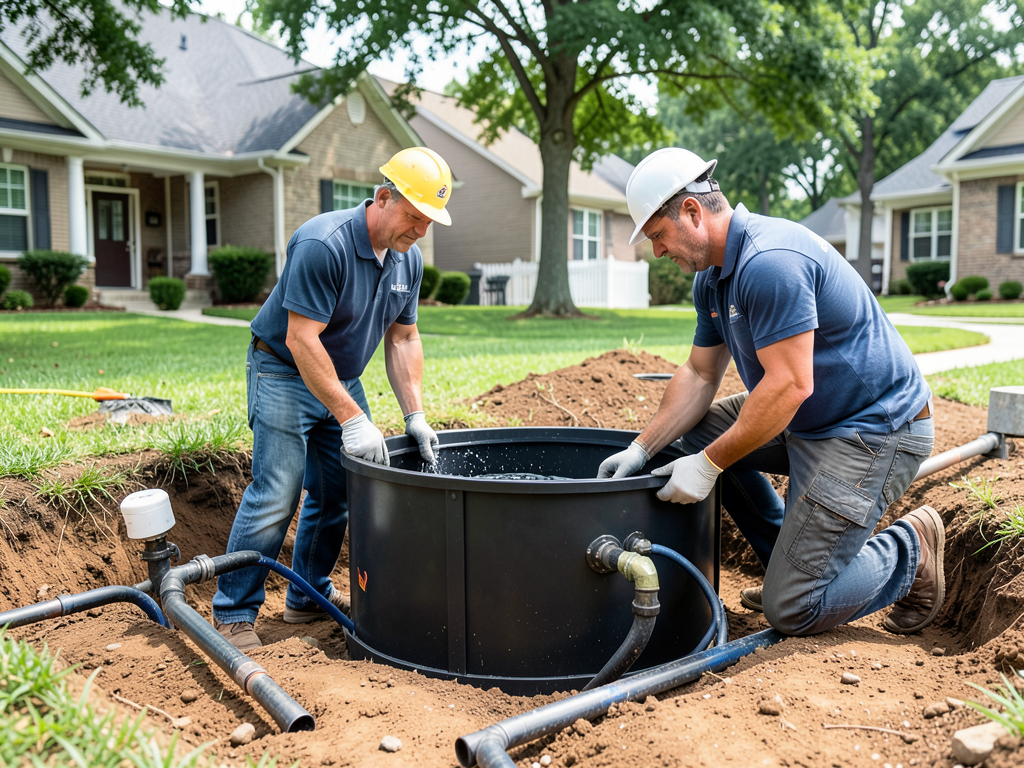
East Nashville’s soil presents unique challenges for rainwater storage. The heavy red clay expands when wet and contracts when dry, putting pressure on underground structures. Above-ground options include food-grade polyethylene tanks ranging from 50 to 5,000 gallons. These are easier to install and maintain but require space and can be unsightly.
Underground cisterns avoid visual impact and temperature fluctuations but require excavation through Nashville’s rocky limestone bedrock. Installation costs increase significantly when bedrock is encountered, which is common in East Nashville. Concrete cisterns offer durability but are expensive and difficult to repair if damaged.
Above-ground tanks typically cost $0.50 to $2.00 per gallon installed, while underground systems run $2.00 to $4.00 per gallon due to excavation and reinforcement needs. Your choice depends on available space, budget, and whether you need to comply with historic district guidelines in areas like Five Points.
Filtration Systems for Nashville’s Specific Conditions
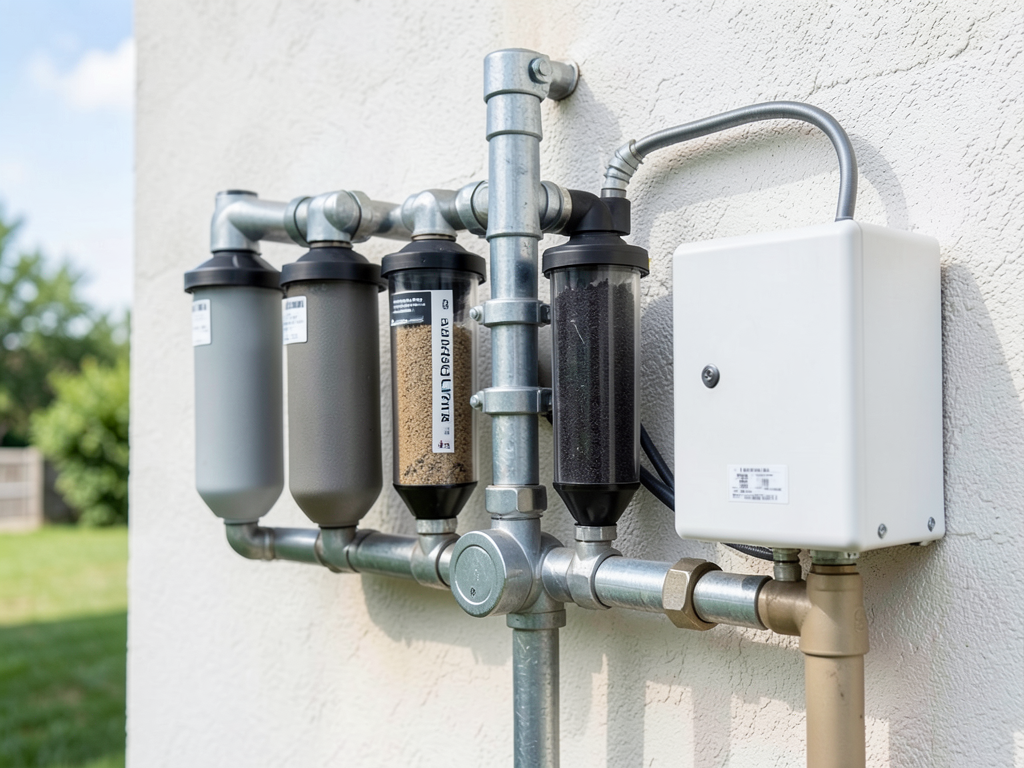
Nashville’s air quality and tree pollen create unique filtration needs. Your rainwater system needs multiple stages to prevent clogging and ensure water quality for garden use. A first-flush diverter removes the initial roof runoff containing debris, bird droppings, and pollutants.
Basic sediment filters (20-50 micron) catch larger particles before water enters your storage tank. For garden irrigation, you might add a UV sterilization system to prevent algae growth in storage. Fine filters (5-10 micron) protect drip irrigation emitters from clogging with Middle Tennessee’s pollen and dust. Tennessee Department of Environment & Conservation.
Maintenance frequency depends on your specific location. Homes near Centennial Park or along the Cumberland River may need more frequent filter cleaning due to higher pollen counts and air pollution. Spring requires extra attention as oak and pine pollen coat Nashville roofs.
Cost Analysis for East Nashville Properties
Rainwater harvesting costs vary dramatically based on system size and complexity. A basic rain barrel setup for a small garden might cost $200-500. A comprehensive system with 1,000+ gallons of storage, filtration, and pump for a typical East Nashville yard runs $3,000-8,000 installed.
Your return on investment depends on water usage patterns and Metro Water Services rates. Nashville’s current water rates make simple rain barrel systems take 5-7 years to pay for themselves through reduced utility bills. However, if you’re installing an irrigation system anyway, adding rainwater harvesting might only increase costs by 30-40%.. Read more about Why Your Belle Meade Irrigation System Needs a Yearly Backflow Test.
Large properties in Forest Hills or Belle Meade can see faster ROI because they use more water for extensive landscaping. Commercial properties near The Gulch with large roof areas can collect enough water to justify expensive underground systems within 3-4 years. How to Stop Your Belle Meade Basement from Flooding This Season.
Winterization Challenges in Middle Tennessee
Nashville’s winter freeze-thaw cycles create unique problems for rainwater systems. When temperatures drop below freezing, standing water in pipes and pumps can expand and cause damage. You’ll need to either drain your system completely or use insulated housing and heating elements. Who to Call When Your Pipes Burst in Nashville at 3 AM.
Above-ground tanks are particularly vulnerable. Even with insulation, severe cold snaps can freeze the entire tank, preventing water collection until it thaws. Underground systems stay at more stable temperatures but still need freeze protection for pumps and exposed piping.
Spring presents different challenges. Nashville’s rapid temperature swings in March and April can cause pipes to expand and contract repeatedly. This stress is worse in older East Nashville homes with original galvanized plumbing that may already be compromised.
Maintenance Requirements and Hidden Costs
Rainwater harvesting isn’t set-and-forget. You’ll need quarterly maintenance including cleaning gutters, checking for leaks, and replacing filters. Annual tasks include inspecting pumps, testing backflow preventers, and checking tank integrity.
Unexpected repairs can be costly. A failed pump in an underground system might require excavation to replace. Damaged cisterns from tree roots or soil movement can cost thousands to repair. You need to budget for these eventualities.
Insurance considerations matter too. Some Nashville homeowners’ policies don’t cover water damage from rainwater harvesting systems. You may need additional coverage or specific endorsements.
Environmental Benefits Beyond Water Savings
Rainwater harvesting reduces stormwater runoff, which helps protect Nashville’s aging infrastructure. The Metro Water Services system handles over 100 million gallons daily, and reducing peak flow during storms decreases the risk of combined sewer overflows into the Cumberland River.
Using rainwater for irrigation also reduces the energy needed to treat and pump municipal water. Nashville draws water from the Cumberland River, treats it to drinking standards, then pumps it to homes where much is used for plants that would thrive on untreated rainwater.
Local wildlife benefits too. Birds, butterflies, and beneficial insects prefer rainwater over chlorinated tap water. Your garden can become a small ecosystem supporting Nashville’s urban biodiversity.
Common Mistakes East Nashville Homeowners Make
The biggest mistake is underestimating storage needs. Many homeowners install a single 55-gallon barrel then wonder why it’s empty during August droughts. You need enough storage to bridge dry periods based on your actual water usage.
Another frequent error is poor system design. Connecting rainwater directly to existing irrigation without proper pressure regulation leads to uneven watering. Some homeowners skip backflow prevention, risking contamination of their potable water supply.
Ignoring local regulations causes problems too. Installing an unpermitted system over 110 gallons can result in fines from Metro Water Services. More seriously, improper overflow management can lead to foundation damage or neighbor disputes.
Professional Installation vs. DIY Approaches
Simple rain barrel setups are manageable for DIYers with basic plumbing skills. However, integrated systems with pumps, filtration, and connections to home plumbing require professional expertise. A licensed Nashville plumber understands local codes, can properly size components, and ensures safe installation.
Professional installation costs more upfront but prevents expensive mistakes. Incorrect pump sizing leads to poor performance or premature failure. Improper backflow prevention creates health hazards. Bad overflow design causes property damage.
When evaluating quotes, ask about experience with Nashville’s specific conditions. A plumber familiar with East Nashville’s soil, building codes, and water systems will design a more effective, compliant system.
Tax Incentives and Rebates in Tennessee
Tennessee offers some incentives for rainwater harvesting through the Green Building Tax Credit program. While not as generous as some states, you may qualify for tax credits on systems that meet specific efficiency standards and are installed by licensed contractors.
Metro Water Services occasionally offers rebates for rain barrels and cisterns as part of stormwater management programs. These change annually, so check current offerings before investing in a system.
Some homeowners’ associations in East Nashville have restrictions on above-ground tanks. Review your HOA covenants before investing in visible components that might need to be relocated or modified.
Making the Decision: Is Rainwater Harvesting Right for You?
Consider your specific situation. Do you have a large garden that needs regular irrigation? Are you concerned about stormwater runoff from your property? Do you want to reduce your water bills and environmental impact?
Calculate your potential collection volume based on roof size and local rainfall. Compare this to your actual water usage during dry months. Factor in installation costs, maintenance requirements, and your comfort level with ongoing system management.
Talk to neighbors who have installed systems. Visit local demonstration sites like those at the Nashville Zoo or community gardens. Understanding real-world performance helps you make an informed decision.
Frequently Asked Questions
How much does a typical rainwater harvesting system cost in Nashville?
Basic rain barrel systems start around $200-500, while comprehensive residential systems with 1,000+ gallons of storage, filtration, and pump typically cost $3,000-8,000 installed. Costs vary based on system size, whether installation is above or below ground, and local soil conditions.
Do I need a permit for rainwater harvesting in Davidson County?
Yes, any system with more than 110 gallons of storage requires a permit from Metro Water Services. You’ll need to submit plans showing overflow management, backflow prevention, and how you’ll prevent cross-connection with your potable water supply. Licensed plumbers can help with the permitting process.
Can I use rainwater for indoor purposes like toilets or laundry?
Technically yes, but it requires additional plumbing, filtration, and permits. You’ll need a separate non-potable water system with proper labeling, backflow prevention, and compliance with Tennessee Department of Environment & Conservation regulations. Most homeowners use rainwater only for outdoor irrigation.
How do I winterize my rainwater system in Nashville?
Options include draining the system completely, using insulated housing with heating elements for pumps, or installing freeze protection valves. Underground systems stay warmer but still need freeze protection for exposed components. Professional winterization prevents costly freeze damage.
How often do rainwater harvesting systems need maintenance?
Quarterly maintenance includes cleaning gutters and checking for leaks. Filters need replacement every 3-6 months depending on debris load. Annual tasks include inspecting pumps, testing backflow preventers, and checking tank integrity. More frequent maintenance may be needed in areas with heavy pollen or pollution.
Next Steps for East Nashville Homeowners
Ready to explore rainwater harvesting for your East Nashville garden? Start by calculating your potential water collection and usage. Then contact a licensed Nashville plumber who understands local codes and conditions. They can assess your property, discuss options, and provide accurate quotes for compliant systems.
Ironwood Plumbing has installed rainwater harvesting systems throughout East Nashville, from Five Points to Lockeland Springs. We understand the unique challenges of Nashville’s soil, building codes, and climate. Our team can design a system that meets your needs while complying with all local regulations.
Don’t guess about rainwater harvesting. Get professional guidance to ensure your system works efficiently and legally. Call Ironwood Plumbing at (615) 413-8833 to schedule a consultation. We’ll help you make the right decision for your garden, your budget, and your Nashville property.