





Menu

Sediment Buildup in Pipes in Nashville – Expert Diagnosis and Permanent Solutions for Hard Water Damage

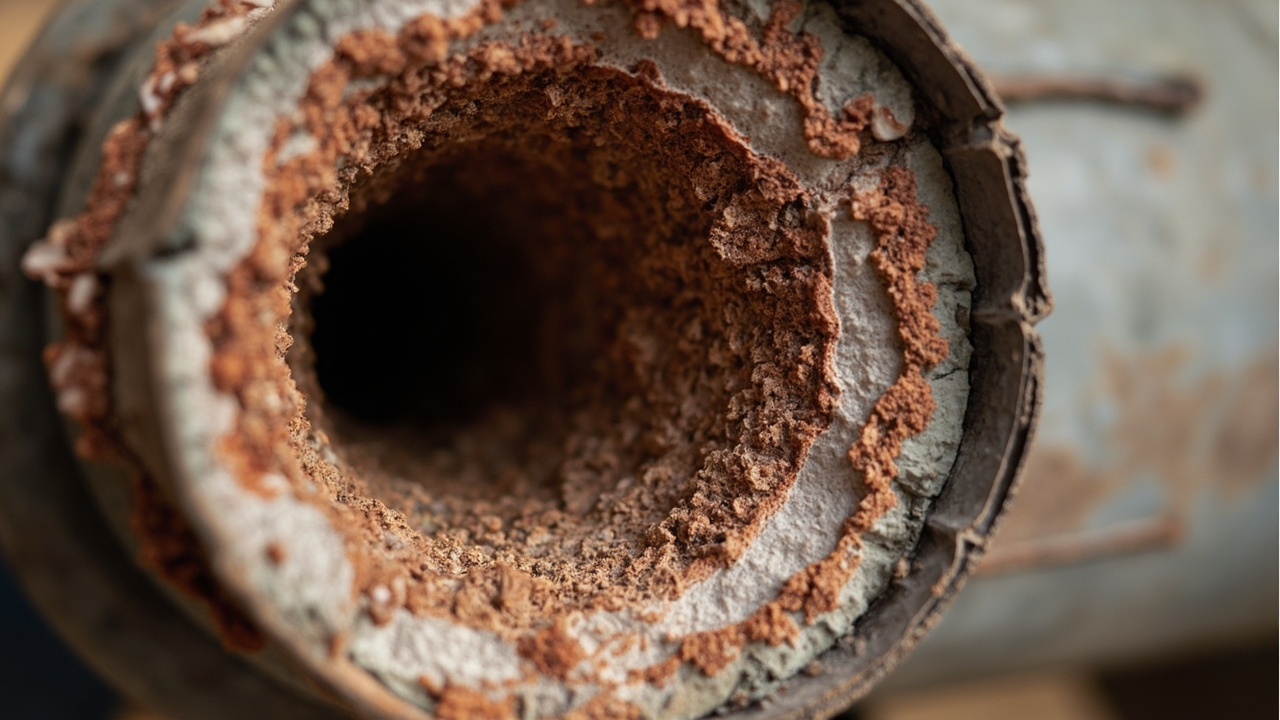
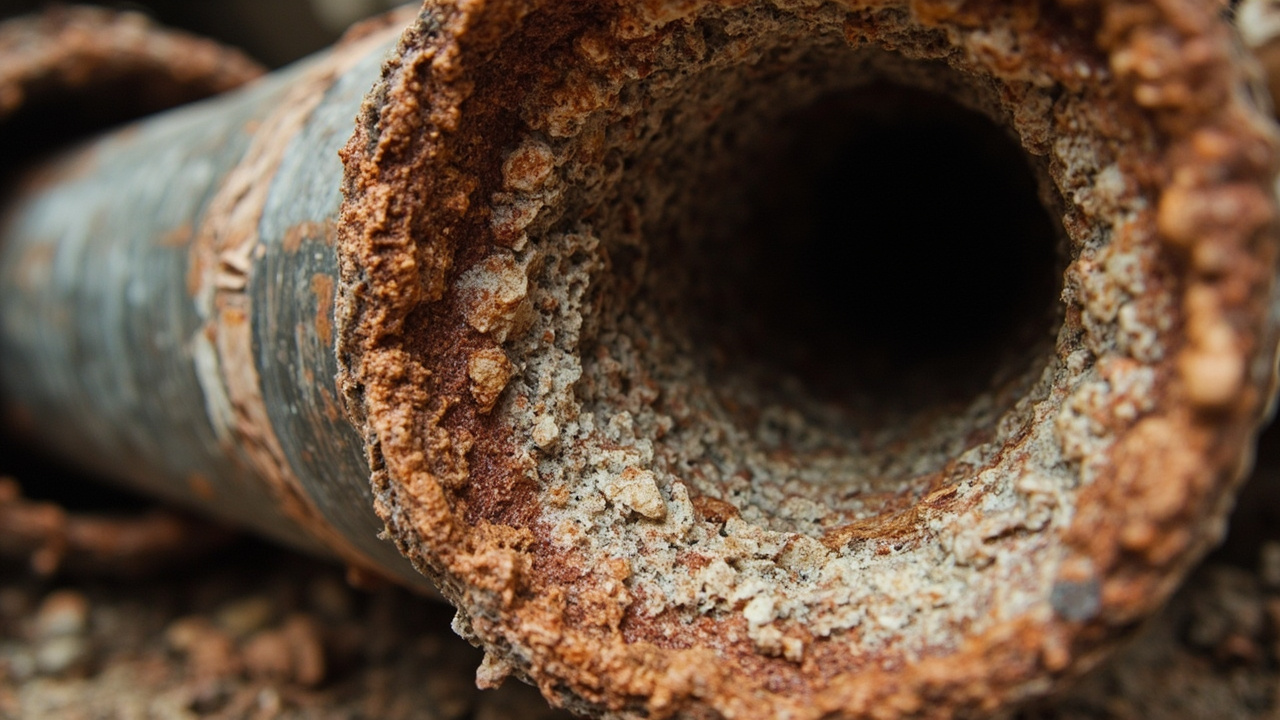
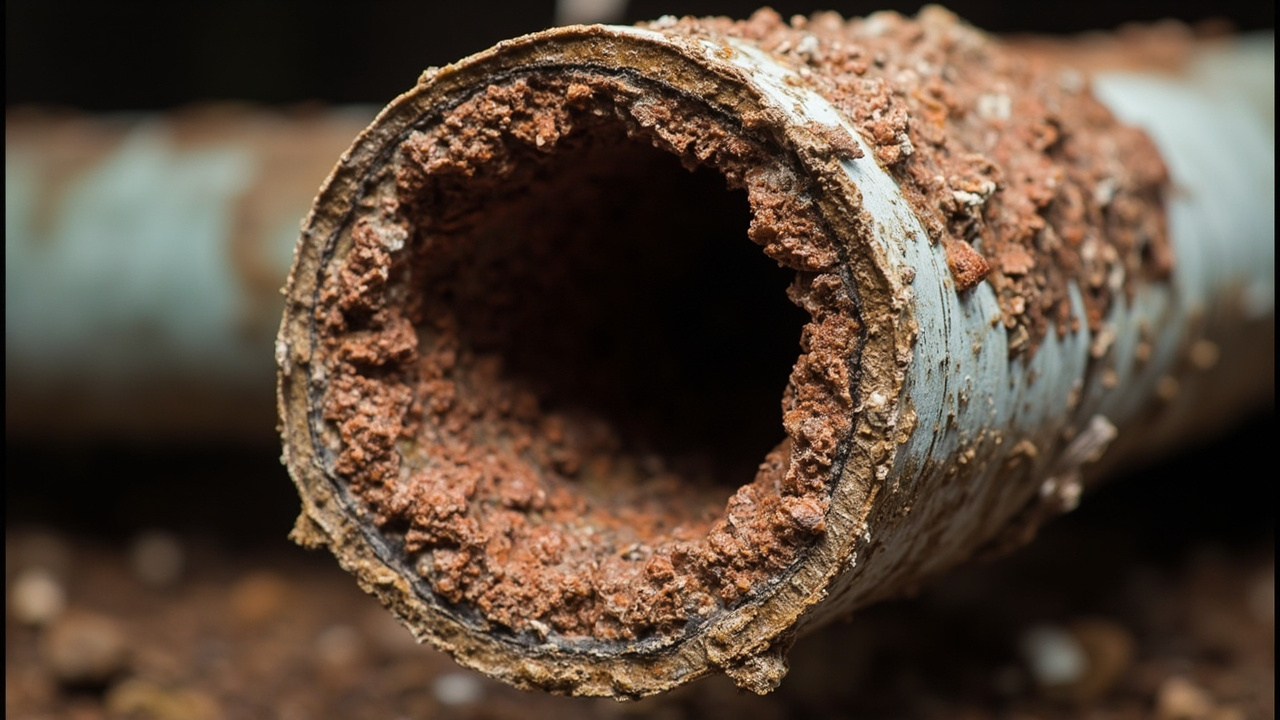
Ironwood Plumbing Nashville specializes in identifying and removing sediment buildup in pipes caused by mineral deposits, calcium buildup, and limescale accumulation that plague Nashville's hard water supply, restoring full water pressure and preventing costly pipe replacement.

Slider Image 1
Slider Image 2
Slider Image 3
Slider Image 4
Slider Image 5
Slider Image 7
Slider Image 8
Slider Image 9
Slider Image 10
Slider Image 11

Why Nashville Homes Suffer from Accelerated Sediment Buildup

Nashville sits atop limestone bedrock, which means the municipal water supply carries high concentrations of dissolved calcium and magnesium. As water flows through your pipes, these minerals precipitate out and form hard deposits on pipe walls. Over time, this limescale accumulation in plumbing reduces your pipe diameter, drops water pressure, and creates rough surfaces where additional mineral deposits in water pipes bond even faster.

You notice the symptoms gradually. Your shower pressure weakens. The washing machine takes longer to fill. Hot water runs out faster because sediment fills your tank. These signs point to calcium buildup in water lines throughout your system, not just at one fixture.

The problem accelerates in Nashville because of our water chemistry. The Cumberland River watershed delivers water with 120 to 180 parts per million of hardness, well above the threshold where pipe calcification problems become inevitable. Older homes in East Nashville, Germantown, and 12 South with original galvanized steel pipes face the worst hard water pipe scaling because the rough interior surface of aging galvanized material provides ideal nucleation points for mineral crystals to anchor and grow.

Temperature changes make it worse. Nashville's freeze-thaw cycles during winter cause pipes to contract and expand, creating microscopic fissures where minerals lodge and build. Water heaters operating at 120 to 140 degrees force minerals out of solution faster, which explains why your water heater often fails first.

The sediment does not just restrict flow. It traps bacteria, creates corrosion cells that eat through pipe walls, and breaks free in chunks that damage fixture aerators and appliance valves. Ignoring the problem leads to pinhole leaks, burst pipes, and full repiping jobs.

Why Nashville Homes Suffer from Accelerated Sediment Buildup
How We Remove Sediment and Restore Your Plumbing System

How We Remove Sediment and Restore Your Plumbing System

Ironwood Plumbing Nashville uses diagnostic tools before recommending solutions. We start with a pressure test at multiple fixtures to map where restrictions exist. A borescope inspection lets us view the interior condition of accessible pipes without cutting into walls. Water hardness testing tells us the mineral load your system handles daily.

For moderate sediment buildup, we use hydrojetting equipment that delivers 3,000 to 4,000 PSI water streams through specialized nozzles. The high-pressure water scours deposits from pipe walls without damaging the metal underneath. This works well for copper and PEX systems where the pipe material remains intact. We insert the jetting nozzle through cleanout access points and work systematically through branch lines, collecting dislodged scale in a catch basin.

Severe calcification in older galvanized pipes requires a different approach. Decades of mineral deposits fuse to corroded pipe interiors, and the pipe walls themselves have thinned to the point where aggressive cleaning risks creating leaks. In these cases, we recommend targeted repiping of the most affected sections using PEX or copper.

We address your water heater separately. Sediment collects at the tank bottom, insulating the heating element and forcing it to work harder. We drain the tank completely, use a flush kit to agitate settled deposits, and repeat until discharge runs clear. For tanks with heavy accumulation, we remove the heating elements and manually extract compacted scale.

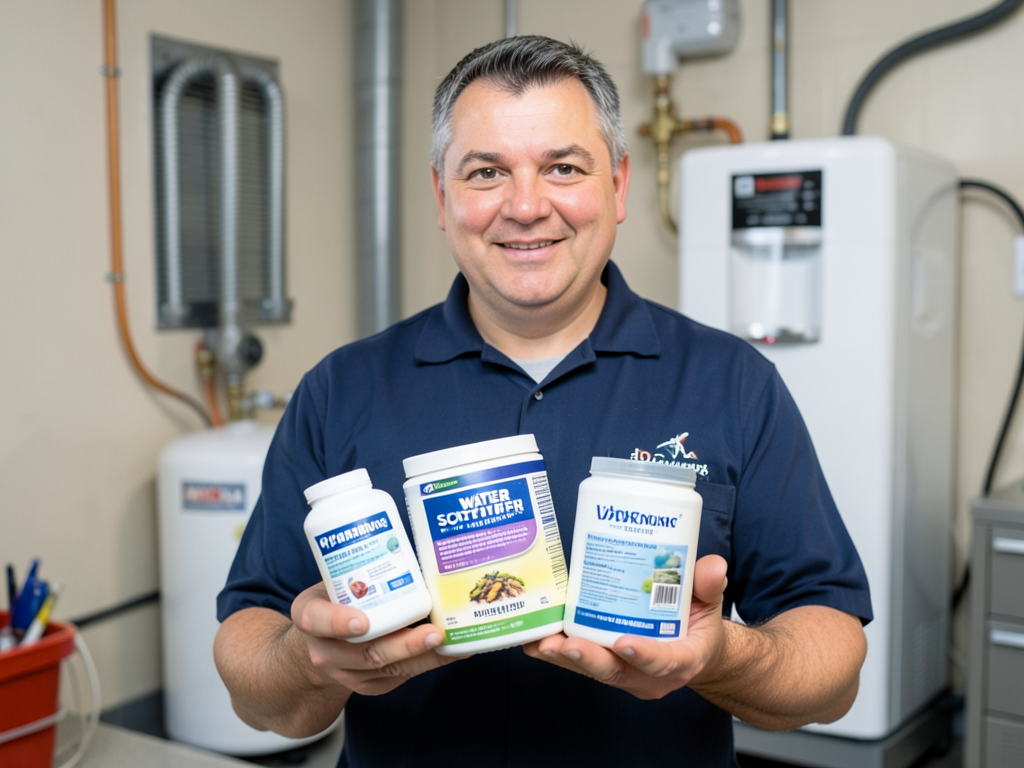
After clearing your pipes, we install a whole-house water softener if you lack one. Ion exchange systems remove calcium and magnesium before they enter your plumbing, preventing future buildup. For clients who want drinking water minerals preserved, we install a dedicated unsoftened line to the kitchen sink while protecting the rest of the system.

What Happens During a Sediment Removal Service

Sediment Buildup in Pipes in Nashville – Expert Diagnosis and Permanent Solutions for Hard Water Damage
01

System Assessment and Testing

We measure static and dynamic water pressure at your main line, water heater, and farthest fixtures to quantify flow restrictions. A water hardness test reveals your mineral concentration. Borescope inspection of accessible pipes through hose bibs and cleanouts shows us the actual deposit thickness and pipe condition. This data determines whether hydrojetting will work or if partial repiping makes more sense for your specific situation.
02

Targeted Cleaning or Replacement

For salvageable pipes, we position catch basins and insert hydrojetting equipment through strategic access points. The rotating nozzle breaks up limescale and flushes it from your system. We work in sections, testing pressure after each zone. Pipes too degraded for cleaning get replaced with PEX or copper. Your water heater gets drained, flushed, and inspected. If the anode rod has corroded or the tank shows excessive sediment compaction, we recommend replacement rather than temporary fixes.
03

Prevention System Installation

After restoring flow, we install a water softener calibrated to Nashville's hardness levels. The system uses salt-based ion exchange to remove calcium and magnesium before they reach your pipes. We program regeneration cycles based on your household water usage. You get softened water throughout your home while a bypass line delivers unsoftened water to exterior hose bibs. We test all fixtures to confirm restored pressure and verify the softener operates correctly before completing the job.

Why Nashville Homeowners Choose Ironwood Plumbing for Hard Water Problems

Nashville's water chemistry creates plumbing challenges that demand local expertise. We have cleaned sediment from hundreds of systems across Davidson County and know which pipe materials in which neighborhoods face the worst calcification. Homes built before 1970 in areas like Sylvan Park and Belmont-Hillsboro typically have galvanized steel supply lines with decades of accumulation. Post-1980 homes in Brentwood and Franklin often have copper that responds well to hydrojetting.

We own commercial-grade hydrojetting equipment rated for residential and light commercial use. Many plumbers rent lower-powered units that cannot break up heavy limescale or lack the nozzle variety to navigate different pipe configurations. Our equipment clears blockages without the trial-and-error approach that wastes your time.

Our technicians hold Tennessee plumbing licenses and complete annual training on water treatment systems. We install Tier 1 water softeners from manufacturers that provide local service, not big-box units that leave you stranded when components fail. We size softener resin tanks and brine tanks based on your actual water hardness and household size, not generic recommendations that underperform in Nashville's water conditions.

We provide transparent diagnostics. If your pipes have corroded beyond safe cleaning, we tell you before starting work that might create leaks. We show you borescope footage of your pipe interiors and explain why we recommend specific solutions. You get a detailed scope of work with material specifications before we begin.

Ironwood Plumbing Nashville operates throughout Davidson County and surrounding areas. We have established relationships with local suppliers, which means we get parts faster and cost less than companies shipping materials from out of state. When you call us, you reach our local dispatch, not a national call center.

What to Expect When You Schedule Sediment Removal

Response Time and Scheduling

We schedule diagnostic appointments within 48 hours of your call. Our technicians arrive during the confirmed two-hour window and call 30 minutes ahead. Initial assessment takes one to two hours depending on your home size and plumbing accessibility. If you have a plumbing emergency with severely restricted flow or no hot water, we prioritize same-day service. Hydrojetting work typically completes in one day for homes under 3,000 square feet. Partial repiping projects take two to four days depending on the scope. Water softener installation adds four to six hours.

Diagnostic Process and Recommendations

Our technician tests pressure at multiple points, inspects your water heater, and uses a borescope to view pipe interiors where accessible. You see the same footage we see. We test your water hardness and explain how Nashville's mineral content affects your specific plumbing materials. You receive a written assessment with photos and video stills showing deposit severity. We present options ranked by effectiveness and cost, from hydrojetting to partial repiping to full system replacement. We never upsell services you do not need, and we explain the consequences of delaying repairs so you make informed decisions.

Results and Performance Improvement

After cleaning or replacing affected pipes, you notice immediate pressure improvement at all fixtures. Showers deliver strong flow. Your washing machine fills in normal time. Water heaters operate efficiently without the insulating layer of sediment forcing heating elements to overwork. We measure and document pressure before and after so you see quantified results. Pipes that were reduced to 30 or 40 percent of original diameter return to near-full capacity. Your system operates as it did when new, and with a water softener preventing future accumulation, the improvement lasts.

Ongoing Maintenance and Softener Service

Water softeners require periodic maintenance to function correctly. We provide a startup guide explaining how to add salt, recognize regeneration cycles, and test for proper hardness reduction. We recommend annual inspections where we check resin bed condition, clean the brine tank, and verify control valve operation. Your water heater should be flushed annually even with softened water to remove any residual sediment. We offer maintenance plans that bundle softener service, water heater flushing, and whole-house plumbing inspections at a reduced rate compared to individual service calls.

Frequently Asked Questions

You Have Questions,
We Have Answers

How much to flush pipes in a house? +

Flushing pipes in a Nashville home typically costs between factors like home size, pipe material, and sediment severity. A standard whole-house flush runs lower for newer homes with minimal buildup, while older properties with galvanized pipes or heavy mineral deposits cost more. Nashville's hard water accelerates sediment accumulation, especially in East Nashville and older neighborhoods. The process involves isolating sections, draining lines, and power flushing with specialized equipment. Complex jobs requiring hydro-jetting or descaling add to the price. Get a camera inspection first to identify problem areas and avoid unnecessary work.

What causes sediment buildup in pipes? +

Sediment buildup comes from several sources common in Nashville homes. Hard water deposits calcium and magnesium inside pipes, creating scale. Nashville's municipal water contains dissolved minerals that precipitate over time. Corroding galvanized pipes shed iron particles and rust flakes. Soil and sand enter through compromised well systems or aging infrastructure. Hot water accelerates mineral precipitation, which is why water heaters fail faster here. Older homes in Germantown and East Nashville face worse buildup due to original galvanized plumbing. Low water pressure and discolored water signal advanced sediment problems requiring professional cleaning.

How to remove silt from pipes? +

Removing silt from pipes requires mechanical cleaning methods. Plumbers use hydro-jetting, which blasts high-pressure water through lines to scour away accumulated silt and debris. A rotating cable with cutting heads breaks up compacted material in smaller diameter pipes. For Nashville homes with severe silt intrusion from foundation settling or clay soil infiltration, camera inspection locates entry points first. Flushing alone rarely removes packed silt. Older neighborhoods built on fill dirt experience more silt problems. Address the source, like cracked pipe joints or failed seals, or silt returns quickly. Chemical treatments do not effectively remove physical sediment.

How to remove build up in water pipes? +

Removing buildup requires professional descaling equipment. Plumbers use hydro-jetting systems that propel water at high PSI to strip scale from pipe interiors without damage. Mechanical cable machines with specialized heads cut through mineral deposits in drain lines. For supply pipes, controlled acid treatments dissolve calcium and magnesium scale in Nashville's hard water areas. Severe cases need pipe section replacement when corrosion has thinned walls. DIY chemical cleaners cannot penetrate thick buildup and risk pipe damage. Green Hills and Belle Meade homes with original copper lines often need descaling after decades of mineral exposure.

Will insurance pay for sewer line replacement? +

Insurance coverage for sewer line replacement depends on your policy and failure cause. Standard homeowners insurance excludes normal wear, age deterioration, and root intrusion. Coverage applies when sudden, accidental events cause damage, like a vehicle striking your cleanout or tree falling on the line. Some insurers offer optional sewer backup endorsements covering specific scenarios. Nashville homeowners near mature trees face frequent root-related failures that insurance denies. Review your policy declarations page for sewer line exclusions. Get documentation from your plumber showing the failure cause. Submit claims promptly with photos and repair estimates.

How much does a plumber charge to clean pipes? +

Plumbers in Nashville charge based on cleaning method and pipe condition. Basic cable snaking for simple clogs runs lower per drain. Whole-house hydro-jetting costs more but clears all lines thoroughly. Heavily scaled pipes need extended cleaning time, increasing labor costs. Emergency after-hours service adds premium rates. Older homes in East Nashville with cast iron or galvanized pipes take longer to clean than newer PEX systems. Camera inspection adds to the bill but prevents guesswork. Get itemized quotes covering access points, equipment used, and estimated time. Avoid flat-rate pricing without inspection.

How do plumbers descale pipes? +

Plumbers descale pipes using mechanical and chemical methods matched to pipe material. Hydro-jetting blasts high-pressure water with rotating nozzles to strip mineral scale from interior walls. Cable machines with chain knockers or saw-tooth cutters break up heavy deposits in drain lines. For supply pipes, controlled acid solutions dissolve calcium and lime scale without harming copper or PEX. Nashville's hard water requires periodic descaling in older neighborhoods. Cast iron and galvanized pipes need gentler approaches to avoid wall perforation. Camera inspection determines scale thickness before selecting methods. Proper descaling restores flow and pressure without replacement.

How much does it cost for a plumber to unblock a pipe? +

Unblocking a pipe costs vary by blockage location, severity, and access difficulty. Simple drain clogs near fixtures run lower for cable snaking. Main line blockages requiring hydro-jetting or excavation cost significantly more. Nashville homes with mature trees face root intrusions needing mechanical cutting and chemical treatment. Emergency calls after business hours add premium rates. Older neighborhoods with cast iron lines corroded into jagged interiors take longer to clear. Get camera inspection to identify blockage type before agreeing to work. Quotes should include equipment used, estimated time, and warranty against recurrence within a reasonable period.

Why do plumbers say not to use drain cleaner? +

Plumbers warn against chemical drain cleaners because they cause more problems than they solve. The caustic chemicals generate heat that can melt PVC joints and corrode metal pipes, especially in Nashville's older homes with galvanized lines. Cleaners sit in standing water without reaching blockages, damaging pipes without clearing clogs. Repeated use weakens pipe walls, causing leaks and failures. The chemicals create toxic fumes and dangerous splash-back risks. They do not remove root intrusions, grease buildup, or foreign objects. Professional mechanical cleaning with cables or hydro-jetting clears blockages safely without pipe damage or chemical hazards.

Why pour salt down the drain every night? +

Pouring salt down drains every night is an ineffective folk remedy that wastes money. Salt does not prevent clogs, dissolve grease, or kill drain flies. It can accelerate corrosion in metal pipes and does nothing for sediment buildup common in Nashville's hard water areas. The practice originated from confusion about using salt in garbage disposals to scrub blades, not as a daily drain treatment. Proper maintenance involves running hot water after use, avoiding grease disposal, and periodic professional cleaning. Save your salt for cooking. If you smell odors or notice slow drainage, call a plumber for camera inspection.

How Nashville's Limestone Geology Accelerates Pipe Calcification

Nashville sits in the Central Basin, a geographic region defined by Ordovician limestone bedrock that formed 450 million years ago when this area lay beneath a shallow sea. As rainwater percolates through this limestone, it dissolves calcium carbonate, which enters the municipal water supply. Metro Water Services draws from the Cumberland River and treats it to meet EPA standards, but the treatment process does not remove hardness minerals. Your home receives water with 120 to 180 milligrams per liter of calcium and magnesium, which classification charts rate as hard to very hard. This geological reality means every Nashville home faces accelerated sediment buildup compared to cities with softer source water.

Ironwood Plumbing Nashville has worked in every Nashville neighborhood, from historic homes in Germantown with century-old plumbing to new construction in The Nations with modern PEX systems. We understand how building codes have evolved and which pipe materials were standard in different construction eras. Our technicians know that homes built during the postwar boom often have undersized galvanized pipes that clog faster, while 1990s construction typically used copper that handles Nashville's water better. This local knowledge lets us diagnose problems faster and recommend solutions specific to your home's age and construction type.

Plumbing Services in The Nashville Area

Looking for expert plumbing services near you? Ironwood Plumbing Nashville proudly serves homeowners and businesses throughout the greater Nashville area with professional plumbing repairs, water heater installation, leak detection, and emergency plumbing services. From Brentwood to Hendersonville, our licensed plumbers are ready to respond quickly and efficiently. Use the map below to explore our coverage areas and discover fast, reliable plumbing help right around the corner.

Address:
IronwoodPlumbingNashville, 3102 West End Ave Suite 400, American Center, Nashville, TN, 37203

Additional Services We Offer

Our news updates

Latest Articles & News from The Blogs

Lorem ipsum dolor sit amet. Aut expedita quaerat quo eligendi numquam et laudantium perspiciatis qui minima expedita rem consequatur ducimus.…

Test Blog 4

Lorem ipsum dolor sit amet. Aut expedita quaerat quo eligendi numquam et laudantium perspiciatis qui minima expedita rem consequatur ducimus.…

Test Blog 3

Lorem ipsum dolor sit amet. Aut expedita quaerat quo eligendi numquam et laudantium perspiciatis qui minima expedita rem consequatur ducimus.…

Test Blog 2

Lorem ipsum dolor sit amet. Aut expedita quaerat quo eligendi numquam et laudantium perspiciatis qui minima expedita rem consequatur ducimus.…

Contact Us

Stop losing water pressure to mineral buildup. Call Ironwood Plumbing Nashville at (615) 413-8833 to schedule a diagnostic inspection. We will show you what is happening inside your pipes and provide solutions that restore performance and prevent future damage.