
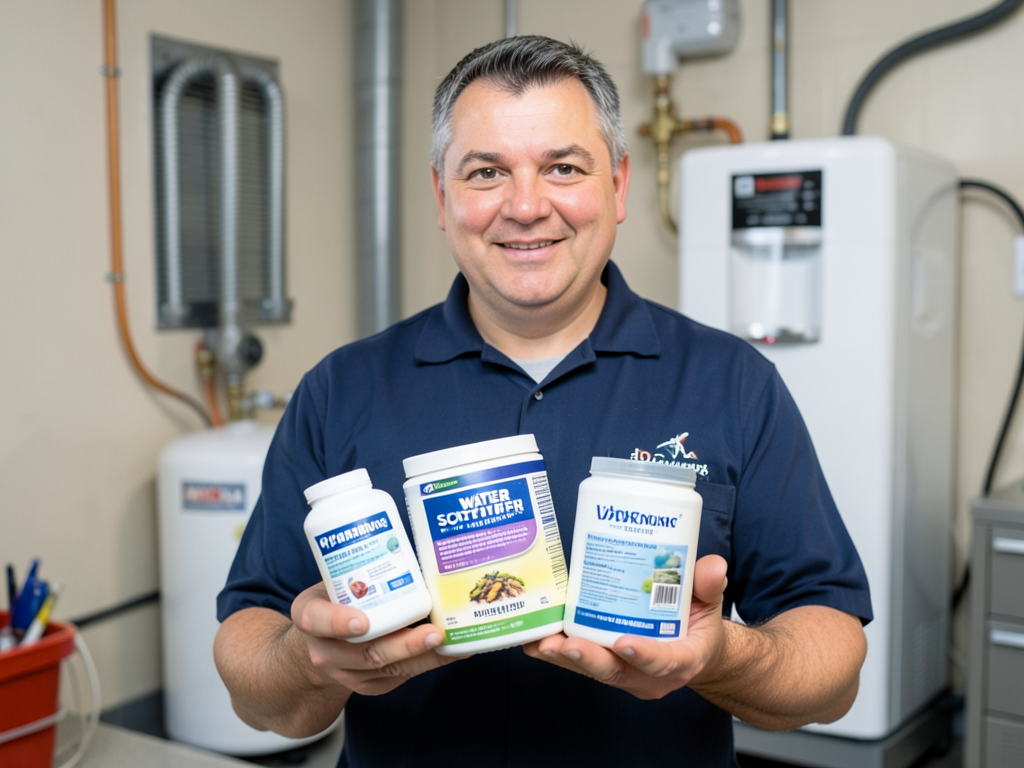
Comparing Different Types of Water Softener Salt for Your Mt Juliet Home
Living in Mt Juliet means dealing with Nashville’s famously hard water. That white scale on your faucets and the soap that barely lathers aren’t just annoyances—they’re signs your water softener is working overtime. But are you giving it the right fuel? The type of salt you use directly impacts your system’s efficiency, lifespan, and the quality of water flowing through your pipes. Water Quality Association on hard water.
Before we dive into the specifics, let’s talk about why this matters for Mt Juliet residents. Our water comes from the Cumberland River and local aquifers, picking up calcium and magnesium along the way. This creates water with a hardness level that often exceeds 12 grains per gallon—well above the national average. Your water softener needs to regenerate regularly to keep up, and that process depends entirely on the quality of salt in your brine tank. How to Deal with Hard Water Issues in Your Mt Juliet Home.
Choosing the wrong salt type can lead to everything from reduced softening efficiency to costly repairs. Let’s break down your options so you can make an informed decision for your Mt Juliet home. EPA information on hard water.
Understanding Nashville’s Water Hardness
The Cumberland River watershed, which serves Mt Juliet and much of Middle Tennessee, contains high levels of dissolved minerals. These minerals create what we call “hard water”—water that leaves scale buildup on fixtures, reduces soap effectiveness, and can damage appliances over time.
Water hardness is measured in grains per gallon (GPG). Nashville’s water typically ranges from 12 to 15 GPG, which falls into the “very hard” category according to the Water Quality Association. For comparison, water is considered hard at 7-10 GPG and very hard above 10 GPG.
This high mineral content means your water softener works harder than systems in other parts of the country. It also means you need high-quality salt that can handle frequent regeneration cycles without leaving sediment or causing system problems.
The Science Behind Water Softening
Your water softener uses a process called ion exchange. Inside the resin tank, tiny beads attract and hold onto calcium and magnesium ions from your water. Over time, these beads become saturated with minerals and need to be cleaned or “regenerated.”
During regeneration, a brine solution flushes through the resin tank. The high concentration of sodium in the brine forces the calcium and magnesium off the resin beads, replacing them with sodium ions. The mineral-heavy brine then gets flushed away, and the system is ready to soften water again.
The effectiveness of this process depends entirely on the quality of your salt. Impurities in low-grade salt can clog your system, reduce efficiency, and even damage the resin beads over time.
Types of Water Softener Salt
Not all salt is created equal when it comes to water softening. Each type has different purity levels, solubility rates, and effects on your system. Here’s what you need to know about the main options available to Mt Juliet homeowners.
Evaporated Salt Pellets
Evaporated salt pellets are the purest form of water softener salt, typically containing 99.7% to 99.99% sodium chloride. These pellets are made by boiling raw salt to remove moisture and impurities, resulting in a product that dissolves cleanly and efficiently.
For Mt Juliet homes dealing with very hard water, evaporated pellets offer several advantages. They produce less residue in your brine tank, reducing the need for frequent cleaning. They also dissolve more completely, which means more efficient regeneration cycles and better water softening performance.
The main drawback is cost. Evaporated salt pellets typically cost 30-50% more than other options. However, many homeowners find the reduced maintenance and improved performance worth the extra expense, especially in areas with very hard water like Mt Juliet.
Solar Salt Crystals
Solar salt is made by evaporating seawater or brine in large outdoor ponds using solar energy. The resulting crystals are about 99.5% pure sodium chloride—slightly less pure than evaporated pellets but still a high-quality option.
Crystals are often less expensive than pellets and work well in most water softening systems. They dissolve at a slightly different rate than pellets, which some homeowners prefer for their system’s regeneration cycle.
The main consideration with solar salt is that it can contain small amounts of sediment or organic matter. While this typically doesn’t cause problems in well-maintained systems, it can contribute to buildup over time in systems that aren’t cleaned regularly. Plumbing Mount Juliet.
Rock Salt
Rock salt is the least expensive option and is mined directly from underground deposits. While it contains sodium chloride like other salts, it also includes significant amounts of impurities like calcium sulfate and other minerals.
For Mt Juliet homeowners, rock salt presents several problems. The impurities don’t dissolve in water, so they accumulate in your brine tank as sediment. This buildup can reduce your system’s efficiency, require more frequent cleaning, and in severe cases, cause mechanical issues.
Rock salt also tends to be less soluble than purer options, which means your water softener has to work harder to dissolve it. This can lead to incomplete regeneration cycles and reduced water softening performance.
While the upfront cost savings might seem appealing, the long-term maintenance issues and potential for system damage make rock salt a poor choice for most Mt Juliet homes.
Potassium Chloride
Potassium chloride is a salt alternative that works similarly to sodium chloride but uses potassium instead of sodium for the ion exchange process. It’s typically 99.9% pure and functions well in most water softening systems.
For Mt Juliet residents concerned about sodium intake or environmental impact, potassium chloride offers several benefits. It’s better for septic systems, safer for plants and lawns if you use soft water for irrigation, and suitable for people on sodium-restricted diets.
The main drawbacks are cost and efficiency. Potassium chloride typically costs 30-40% more than sodium chloride options. It’s also slightly less efficient at ion exchange, which means you might need to use more of it or regenerate your system more frequently.
Iron-Removal Salt for Nashville’s Water
Many areas in Middle Tennessee, including parts of Mt Juliet, have water with elevated iron content. Iron can cause reddish-brown staining on fixtures, laundry, and even your hair. It also creates additional challenges for water softeners.
Standard water softener salt isn’t designed to remove iron from water. While it can handle small amounts during the ion exchange process, high iron levels require specialized salt formulations.
Iron-removal salts contain additives that help precipitate iron from the water during the softening process. These additives prevent iron from fouling the resin beads and help keep your system running efficiently even with iron-rich water.
For Mt Juliet homes with iron staining or water that tests above 1-2 parts per million for iron, iron-removal salt can significantly improve both water quality and system performance. The cost is typically 10-15% higher than standard evaporated pellets, but the benefits often justify the expense.
Comparing Salt Types: A Mt Juliet Homeowner’s Guide
Choosing the right salt depends on your specific situation. Here’s a comprehensive comparison to help you make the best decision for your Mt Juliet home.
| Salt Type | Purity | Cost per 40 lb bag | Best for | Maintenance Needs |
|---|---|---|---|---|
| Evaporated Pellets | 99.7-99.99% | $7-10 | Very hard water, high efficiency | Low |
| Solar Crystals | 99.5% | $5-7 | Standard hard water, budget-conscious | Medium |
| Rock Salt | 95-98% | $4-6 | Not recommended for Mt Juliet | High |
| Potassium Chloride | 99.9% | $9-13 | Sodium concerns, septic systems | Medium |
| Iron-Removal | 99.6-99.8% | $8-11 | High iron content, staining | Low |
Preventing Common Salt Problems
Even with the right salt, water softeners can develop issues that reduce efficiency and performance. Understanding these common problems can help you maintain your system properly. Understanding Backflow Testing.
Salt Bridging
Salt bridging occurs when a hard crust forms above the water level in your brine tank, creating an empty space underneath. The salt above the bridge looks normal, but the system can’t actually use it because water can’t reach it.
This problem is more common with pellets than crystals because pellets can cake together when exposed to moisture. High humidity in your utility area or overfilling your tank can contribute to bridging.
To check for bridging, gently press down on the salt with a broom handle. If it’s solid and doesn’t move, you might have a bridge. Breaking it up allows the salt to settle and the system to function properly again.
Salt Mushing
Salt mushing happens when dissolved salt recrystallizes and forms a thick layer of sludge at the bottom of your brine tank. This layer prevents the salt from properly dissolving in water and can interfere with the brine draw process.
Mushing is more common with rock salt due to its impurities, but it can happen with any salt type if water conditions aren’t ideal. High iron content or other minerals in your water can contribute to this problem.
The solution involves draining the tank, removing the old salt, and cleaning the tank thoroughly before refilling with fresh salt. This is a messy job that many Mt Juliet homeowners prefer to have professionals handle. Professional Plumbing Fixture Installation for Your Brentwood Remodel.
Resin Fouling
Over time, minerals and organic matter can coat your resin beads, reducing their ability to exchange ions effectively. This is particularly common in areas with high iron content or where the water contains tannins from decaying vegetation.
Signs of resin fouling include reduced water softening effectiveness, increased salt usage, and the return of hard water symptoms like scale buildup. A fouled resin bed can’t be cleaned with regular regeneration cycles and requires special treatment.
Resin cleaners containing phosphoric acid or other specialized chemicals can restore fouled resin. However, severely fouled resin may need replacement, which is a job best left to professionals.
Top Salt Brands for Mt Juliet Homes
Not all salt brands are equally available or reliable in the Mt Juliet area. Here are the brands that local plumbers and homeowners trust most.
Morton Clean and Protect
Morton is one of the most widely available brands in Middle Tennessee. Their Clean and Protect pellets are specifically formulated to prevent mushing and bridging while providing consistent performance.
Local hardware stores and home improvement centers in Mt Juliet typically stock Morton products, making them a convenient choice. The Clean and Protect formula includes additives that help keep your brine tank cleaner between maintenance visits.
Diamond Crystal Bright and Soft
Diamond Crystal offers both pellets and solar salt options. Their Bright and Soft pellets are popular among Mt Juliet homeowners for their high purity and consistent performance.
The solar salt option provides a good balance of quality and cost for homes with moderate hard water. Diamond Crystal products are available at most major retailers in the area.
Culligan Solar Salt
Culligan’s solar salt is a reliable option that’s particularly good for homes with standard hard water conditions. While you might need to purchase it through a Culligan dealer, many Mt Juliet residents appreciate the consistency and quality.
Culligan also offers potassium chloride options for those seeking salt-free alternatives.
Iron Fighter Pellets
For homes dealing with iron staining and high iron content, specialized iron fighter pellets can make a significant difference. These are available from several manufacturers and are specifically formulated to handle the iron commonly found in Middle Tennessee water.
Local plumbing supply stores in Mt Juliet typically carry at least one brand of iron fighter pellets, though they might need to be special ordered at some retailers. Plumbing Springfield.
Maintenance Schedule for Optimal Performance
Even with the right salt, your water softener needs regular maintenance to perform at its best. Here’s a maintenance schedule that will keep your Mt Juliet system running efficiently.
- Monthly Check
Check salt level in your brine tank. Keep it at least half full but not more than 2/3 full to prevent bridging. Look for signs of salt bridging or mushing.
- Quarterly Cleaning
Clean the brine tank every 3-4 months. Turn off the system, remove any remaining salt, and clean the tank with warm water and a mild detergent. Rinse thoroughly before refilling.
- Annual Professional Service
Have a professional plumber inspect your system annually. They should check the resin bed, clean the brine injector, and test water hardness to ensure the system is working properly.
- Resin Bed Cleaning
Use a resin bed cleaner annually or as needed based on your water quality. This is especially important if you have iron in your water.
Cost Considerations for Mt Juliet Homeowners
While the upfront cost of different salt types varies, the total cost of ownership includes more than just the price per bag. Here’s what to consider when evaluating your options.
Evaporated pellets cost more initially but typically result in lower long-term costs because they reduce maintenance needs and improve system efficiency. You’ll use less salt overall and spend less time cleaning your brine tank.
Solar salt offers a middle ground—lower upfront costs than pellets with reasonable maintenance requirements. For many Mt Juliet homes with standard hard water, solar salt provides good value.
Rock salt might seem like the bargain option, but the increased maintenance and potential for system damage often make it the most expensive choice over time. The sediment and impurities can lead to more frequent service calls and even premature system failure.
Potassium chloride’s higher cost is offset for some homeowners by the benefits of sodium-free operation and better environmental compatibility. If you’re concerned about sodium in your drinking water or the impact on your landscaping, the extra cost might be worthwhile.
Where to Buy Quality Salt in Mt Juliet
Several retailers in Mt Juliet and the surrounding Nashville area stock quality water softener salt. Local availability can vary, so it’s worth checking multiple sources.
Home improvement stores like Home Depot and Lowe’s typically carry Morton and Diamond Crystal products in various formulations. These stores often have the best prices but might not carry specialized options like iron fighter pellets.
Local hardware stores in Mt Juliet often stock high-quality salts and can special order products they don’t regularly carry. The staff at these stores usually have good knowledge of local water conditions and can provide recommendations.
Plumbing supply houses, while often requiring a business account, sometimes sell to the public and offer professional-grade products that aren’t available at retail stores. These suppliers often have the best selection of specialized salts.
Online retailers like Amazon can be convenient for bulk purchases, but shipping costs for heavy salt bags can offset any savings. Local pickup is usually more economical.
Environmental Considerations
The salt you use in your water softener eventually makes its way into the environment through your wastewater system. In Mt Juliet, this water typically goes to the municipal treatment plant or a septic system.
Traditional sodium chloride salt can increase the sodium content of wastewater, which can affect downstream water quality and potentially harm sensitive plants if you use soft water for irrigation. The Cumberland River and local groundwater systems can be impacted by the cumulative effect of many water softeners discharging brine.
Potassium chloride is more environmentally friendly because potassium is a plant nutrient rather than a contaminant. It’s also better for septic systems because it doesn’t interfere with the bacterial processes that break down waste.
Some newer water softening technologies, like template-assisted crystallization systems, don’t use salt at all. These systems change how minerals behave in water rather than removing them, which can be a good option for environmentally conscious homeowners.
Special Considerations for Mt Juliet Homes
Mt Juliet’s specific conditions create some unique considerations for water softener salt selection and maintenance.
The area’s limestone bedrock contributes to the high mineral content in local water supplies. This means most Mt Juliet homes need to deal with very hard water, making high-purity salts like evaporated pellets or potassium chloride particularly important.
Seasonal temperature variations can affect how salt behaves in your brine tank. During humid summer months, salt is more likely to bridge, while cold winter temperatures can slow the dissolution process. Using the right salt type for your specific conditions can help mitigate these seasonal effects.
Many Mt Juliet homes are relatively new constructions built during the area’s rapid growth. These homes often have modern plumbing systems that work best with high-quality salt that won’t introduce sediment or impurities.
However, some older homes in established Mt Juliet neighborhoods might have plumbing that’s more sensitive to water quality changes. In these cases, a gradual transition to a new salt type might be preferable to an immediate switch.
DIY vs. Professional Salt Selection
While choosing water softener salt might seem straightforward, several factors specific to your home and water quality can influence the best choice. Here’s when you might want professional guidance.
If you’re experiencing hard water symptoms despite having a softener, or if you’re using more salt than seems normal, a professional assessment can identify underlying issues. These might include resin bed problems, incorrect system settings, or water quality issues that require specialized salt formulations.
New homeowners in Mt Juliet might not know their water’s exact hardness level or iron content. A professional water test can provide this information and guide salt selection. This is particularly important if you’re experiencing staining or other water quality issues.
Older water softeners or systems that haven’t been professionally serviced in years might have issues that affect salt performance. A professional inspection can identify these problems and recommend solutions that go beyond just changing salt types.
Finally, if you’re considering switching to potassium chloride or another alternative salt type, a professional can help you understand the implications for your specific system and whether any adjustments are needed.
Making the Right Choice for Your Home
After considering all the factors, here are our recommendations for Mt Juliet homeowners:
- For most homes with standard hard water: Evaporated pellets or high-quality solar crystals provide the best balance of performance and value.
- For homes with iron staining or high iron content: Iron-removal pellets will address both hardness and iron issues effectively.
- For homes with sodium concerns: Potassium chloride offers a salt-free alternative that’s better for health and the environment.
- For homes with older systems or hard water on the extreme end of the scale: High-purity evaporated pellets will provide the most reliable performance.
Remember that your water softener is an investment in your home’s plumbing system and appliances. The right salt helps protect that investment by ensuring your system works efficiently and lasts for years to come.
If you’re unsure about the best option for your specific situation, or if you’re experiencing problems with your current setup, don’t hesitate to consult with a local water treatment professional. They can test your water, inspect your system, and provide personalized recommendations based on your home’s unique needs.
Proper water softener maintenance, including using the right salt, can extend your system’s life, improve water quality, and save you money on repairs and cleaning products over time. It’s a small investment that pays significant dividends for Mt Juliet homeowners dealing with Middle Tennessee’s challenging water conditions.
Frequently Asked Questions
How often should I add salt to my water softener?
Most Mt Juliet homeowners need to check their salt level monthly and add salt when the tank is about 1/3 full. The exact frequency depends on your water hardness, household size, and system efficiency. A family of four typically uses 40-80 pounds of salt per month.
Can I mix different types of salt in my water softener?
While you can mix different salt types, it’s not recommended. Different salts dissolve at different rates and may contain different impurities. For consistent performance, stick with one type and brand once you find what works best for your system.
Is there a way to know if my water softener is working properly?
Yes. Signs of proper operation include no scale buildup on fixtures, soap lathering normally, and laundry coming out soft and bright. You can also test your water with a hardness test kit. If you’re still seeing hard water symptoms, your system might need maintenance or a different salt type.
Does water softener salt expire or go bad?
Water softener salt doesn’t expire, but it can degrade over time. Salt exposed to humidity can clump or bridge, reducing its effectiveness. Store salt in a cool, dry place and use older salt first. If you notice clumping or discoloration, it’s best to replace it.
How much should I expect to spend on water softener salt annually?
Most Mt Juliet households spend between $75-200 per year on water softener salt, depending on the type chosen and water usage. Higher quality salts like evaporated pellets cost more per bag but often result in lower overall costs due to better efficiency.
Can I use pool salt or sidewalk salt in my water softener?
Never use pool salt, sidewalk salt, or any salt not specifically designed for water softeners. These products contain additives and impurities that can damage your system, void warranties, and potentially contaminate your water supply.
Ready to optimize your water softener’s performance? Call Ironwood Plumbing at (615) 413-8833 for a professional water quality assessment and personalized salt recommendations for your Mt Juliet home. Our experienced technicians understand Middle Tennessee’s unique water conditions and can help you choose the perfect salt type for your specific needs.
Don’t let hard water damage your plumbing and appliances. Contact us today to schedule your water softener consultation and take the first step toward better water quality for your Mt Juliet home.