Plumbing Upgrades for Historic Home Renovations in 12 South
Renovating a historic home in Nashville’s 12 South neighborhood requires specialized plumbing expertise. These charming bungalows and craftsman-style homes built before the 1940s often hide aging plumbing systems that need careful updating while preserving architectural integrity.. Read more about Is It Finally Time to Repipe Your Historic 12 South Home?.
Common Plumbing Issues in 12 South Historic Homes
Many 12 South properties still contain original galvanized steel or even lead pipes installed decades ago. These materials corrode from the inside out causing reduced water pressure, discolored water, and potential health hazards. The heavy red clay soil common in this area also creates unique challenges for underground sewer lines.. Read more about Comparing PEX and Copper Pipes for Your Next Bellevue Home Project.
Galvanized pipes typically last 40-50 years. If your home dates to the 1930s or 1940s, your plumbing system has likely reached or exceeded its service life. You might notice rust-colored water when you first turn on a tap or experience frustratingly low water pressure throughout the house.
Lead pipes pose serious health risks especially in homes with young children. Even small amounts of lead can cause developmental issues. If your home was built before 1930, testing for lead in your drinking water becomes essential before any renovation begins.
Planning Your Plumbing Renovation Timeline
Successful plumbing upgrades for historic home renovations require careful sequencing. The demolition and rough-in phases should align with your overall construction schedule to minimize delays and additional costs.
Most 12 South renovations follow this general timeline:
- Week 1-2: Demolition and assessment of existing plumbing
- Week 3-4: Rough-in new supply lines and drainage
- Week 5-6: Pressure testing and inspection
- Week 7-8: Installation of fixtures and final connections
- Week 9: Final inspection and testing
This schedule assumes no major surprises. Older homes often reveal unexpected issues once walls come down. Budget an additional 15-20% for contingencies when planning your renovation budget.
Material Selection for 12 South Renovations
Choosing the right materials protects your investment and ensures longevity. Nashville’s climate and soil conditions demand specific considerations for plumbing upgrades in historic homes.. Read more about Professional Gas Line Installation for Your New Nashville Outdoor Kitchen.
PEX piping has become the standard for modern renovations. This flexible plastic tubing resists corrosion and handles Nashville’s temperature fluctuations well. Unlike rigid copper, PEX expands slightly if water freezes preventing burst pipes during rare cold snaps.
Copper remains popular for its durability and traditional appearance. Many 12 South homeowners choose copper for visible supply lines to maintain period-appropriate aesthetics. However, copper costs significantly more than PEX and requires more skill to install properly.
For sewer lines, modern PVC offers superior performance to the original cast iron or clay pipes. PVC resists root intrusion from the mature trees common in 12 South yards and handles Nashville’s expansive clay soil better than older materials.
Nashville Metro Permit Requirements
Plumbing renovations in 12 South require proper permitting through Metro Water Services. The permit process ensures your upgrades meet current building codes and protects you from potential liability issues.
Permit requirements vary based on project scope:
| Project Type | Permit Required | Typical Cost |
|---|---|---|
| Fixture replacement only | No | N/A |
| Repiping entire home | Yes | $250-400 |
| Sewer line replacement | Yes | $300-500 |
| Water heater upgrade | Yes | $100-200 |
Permit processing typically takes 3-5 business days. Your plumber should handle permit acquisition as part of the renovation contract. Never proceed without proper permits as unpermitted work can cause insurance issues and complicate future home sales.. Read more about Hiring a Plumber for Your New Dishwasher Hookup in Smyrna.
Kitchen and Bathroom Fixture Upgrades
12 South renovations often focus on kitchen and bathroom upgrades. These spaces see the most use and offer the best return on investment when updating plumbing fixtures.
Modern low-flow fixtures reduce water consumption by 20-30% without sacrificing performance. This matters in Nashville where water rates continue to rise. Look for WaterSense labeled products that meet EPA efficiency standards.
High-end fixture brands popular in 12 South include Kohler, Delta, and Moen. These manufacturers offer styles that complement historic home aesthetics while providing modern functionality. Bridge faucets with side sprayers work well in farmhouse-style kitchens common to the area.
Consider tankless water heaters for your renovation. These units provide endless hot water and free up valuable space in your mechanical room. While the upfront cost exceeds traditional tank heaters, tankless systems typically last 20+ years versus 10-12 years for standard units.
Sewer Line Considerations for 12 South Properties
Many 12 South homes sit on lots with mature trees. Tree roots naturally seek water sources and often invade old sewer lines causing blockages and backups. If your home experiences frequent drain clogs or sewage odors, your sewer line may need replacement.
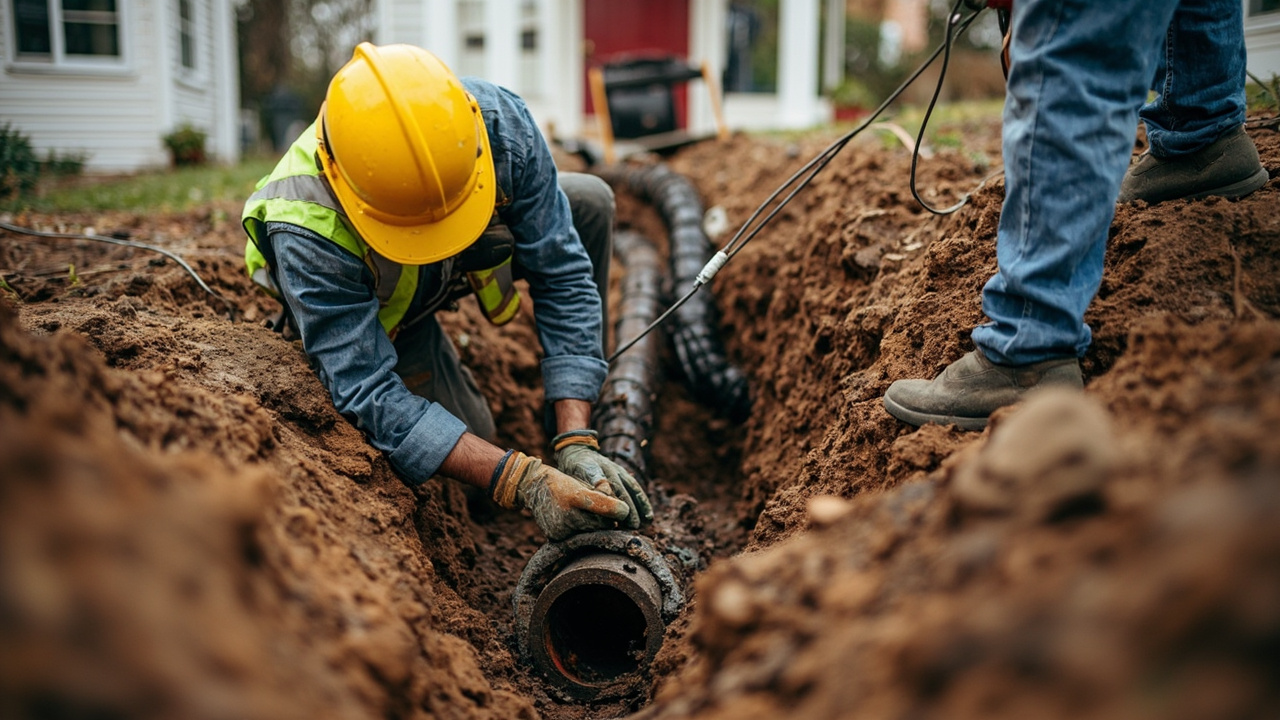
Modern trenchless sewer replacement techniques minimize yard damage. This process involves inserting a new liner through the existing pipe creating a jointless pipe within a pipe. Your lawn and landscaping remain largely intact unlike traditional dig-and-replace methods.
Sewer line replacement costs typically range from $3,000 to $7,000 depending on length and accessibility. While expensive, this upgrade prevents much costlier water damage from sewage backups.
Water Pressure Optimization
Historic homes often suffer from inadequate water pressure. This stems from corroded pipes, mineral buildup, or undersized supply lines. Modern plumbing upgrades can dramatically improve water pressure throughout your home.
Pressure testing reveals your current system’s limitations. Most homes need 40-60 PSI for optimal performance. Anything below 30 PSI causes frustratingly slow flow rates and poor fixture performance.
Upgrading from 1/2-inch to 3/4-inch supply lines significantly improves flow capacity. This simple change allows multiple fixtures to operate simultaneously without pressure drops. For homes with severe pressure issues, a pressure booster pump might be necessary.
Working with Nashville’s Building Codes
Nashville’s building codes have evolved significantly since many 12 South homes were built. Modern codes address safety concerns that didn’t exist decades ago. Understanding these requirements prevents costly mistakes during your renovation.
Current codes require:
- Pressure-balanced shower valves to prevent scalding
- Anti-siphon devices on exterior hose bibs
- Proper venting for all drain lines
- Expansion tanks on closed water systems
- Earthquake strapping for water heaters
Your licensed plumber should know all current code requirements. Never allow unlicensed contractors to perform plumbing work as this can void warranties and create liability issues.
Energy Efficiency Upgrades
Plumbing renovations offer excellent opportunities to improve your home’s energy efficiency. Hot water heating accounts for about 18% of a typical home’s energy use. Several upgrades can reduce this consumption significantly.
Insulating hot water pipes reduces heat loss by 50-80%. This means less energy wasted keeping water hot in pipes between uses. Pipe insulation costs about $0.50 per linear foot and pays for itself within one heating season.
Recirculation systems eliminate the wait for hot water at fixtures. These systems pump hot water through your pipes keeping it ready at each tap. While they use some energy to run the pump, they save thousands of gallons of water annually.
Solar water heating supplements your existing system using free solar energy. Nashville receives ample sunshine for solar water heating to be cost-effective. These systems typically reduce water heating costs by 50-80%.
Historic Preservation Considerations
Many 12 South homes fall within historic districts or contribute to neighborhood historic character. If your home has historic designation, plumbing upgrades must balance modern functionality with preservation requirements.
Visible plumbing components should match the home’s period when possible. Exposed supply lines in bathrooms or kitchens can be run in copper with appropriate fittings to maintain historic appearance. Modern PEX can be concealed within walls and floors.
Always consult with the Metro Historic Zoning Commission before beginning visible exterior plumbing work. They may require specific materials or installation methods to maintain neighborhood character.
Document your existing plumbing before demolition. This information helps maintain the home’s historical record and can be valuable for future owners or restoration projects.
Cost Factors for 12 South Plumbing Renovations
Plumbing upgrade costs vary widely based on home size, existing conditions, and chosen materials. Understanding cost factors helps you budget appropriately for your 12 South renovation.
Key cost factors include:
| Factor | Cost Impact | Typical Range |
|---|---|---|
| Whole house repiping | High | $4,000-12,000 |
| Kitchen/bathroom remodel | Medium | $2,000-8,000 |
| Sewer line replacement | High | $3,000-7,000 |
| Fixture upgrades only | Low | $500-2,500 |
Material selection significantly impacts total cost. PEX piping costs about $0.50-0.75 per foot while copper runs $2-4 per foot. For an average 1,500 square foot home, this difference can add $2,000-3,000 to your project cost.
Finding the Right Plumbing Contractor
Not all plumbers have experience with historic home renovations. Look for contractors who understand the unique challenges of 12 South properties and can navigate both technical and preservation requirements.
Key qualifications to verify:
- Valid Tennessee plumbing license
- Experience with historic home renovations
- Knowledge of Nashville building codes
- Insurance coverage including workers’ compensation
- References from similar projects
Ask potential contractors about their experience with 12 South specifically. Local experience matters because Nashville’s soil conditions, water quality, and building practices differ from other regions.
Project Timeline Management
Plumbing work often creates bottlenecks in renovation schedules. Proper planning prevents delays that cascade through your entire project timeline.
Critical path items for plumbing work:
- Demolition and assessment
- Permit acquisition
- Material ordering
- Rough-in installation
- Inspection scheduling
- Fixture installation
- Final testing and commissioning
Most plumbing phases require 3-5 days each. However, inspection wait times can extend schedules by a week or more. Build these potential delays into your overall renovation timeline.
Maintenance After Renovation
New plumbing systems require different maintenance than older ones. Understanding these needs protects your investment and prevents premature failures.
Annual maintenance tasks include:
- Checking for leaks at all visible connections
- Testing water pressure and adjusting if needed
- Flushing water heater to remove sediment
- Inspecting anode rod in water heater
- Checking toilet flappers and fill valves
Water quality in Nashville varies by neighborhood. Consider water testing to determine if you need additional treatment like water softeners or filtration systems. Hard water can damage fixtures and reduce the efficiency of your new plumbing system.
Frequently Asked Questions
How long does a whole house repiping project take?
Most whole house repiping projects in 12 South homes take 3-5 days for the rough-in work plus additional time for inspections and fixture installation. The exact timeline depends on home size and project complexity.
Can I keep some original plumbing features for historic value?
Yes. Many homeowners preserve original fixtures like clawfoot tub faucets or pedestal sink taps while replacing the hidden supply lines. Your plumber can help identify which features can be safely retained.
What’s the best time of year for plumbing renovations in Nashville?
Spring and fall offer ideal conditions for plumbing work. Summer heat can make attic work uncomfortable, while winter cold increases the risk of frozen pipes during construction. However, indoor plumbing work can proceed year-round with proper precautions.
Do I need to be out of the house during repiping?
Not necessarily. Most repiping can be done while you remain in the home. However, water service will be interrupted during work hours. Many homeowners choose to be away during the noisiest demolition phases.
How do I know if my 12 South home has lead pipes?
Homes built before 1930 have the highest likelihood of containing lead pipes. A professional inspection can identify lead pipes through visual examination and testing. If lead is present, replacement should be a priority for health reasons.
Ready to Upgrade Your 12 South Home’s Plumbing?
Don’t let outdated plumbing hold back your historic home renovation. Our team specializes in 12 South properties and understands the unique challenges these beautiful homes present. From navigating Metro permits to preserving historic details, we handle every aspect of your plumbing upgrade.
Call us today at (615) 413-8833 to schedule your consultation. We’ll assess your current system, discuss your renovation goals, and create a plan that brings your 12 South home’s plumbing into the modern era while respecting its historic character.
Ironwood Plumbing Nashville – Your trusted partner for historic home renovations in 12 South and throughout the greater Nashville area.