
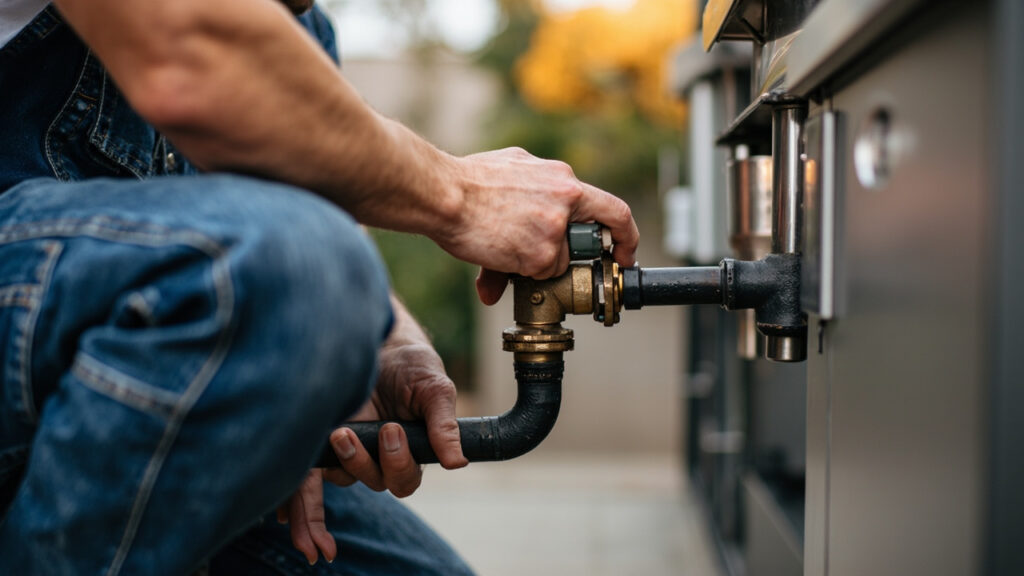
Professional Gas Line Installation for Your New Nashville Outdoor Kitchen
Planning an outdoor kitchen in Nashville means understanding one critical requirement: professional gas line installation. Whether you’re in East Nashville, Brentwood, or Franklin, adding gas appliances to your outdoor cooking space requires expertise, permits, and safety compliance that only licensed plumbers can provide. Getting Your Franklin TN Water Heater Replaced Without the Stress.
Why Nashville Homes Need Professional Gas Line Installation
Nashville’s growing suburban sprawl means more homeowners are investing in outdoor living spaces. But Middle Tennessee’s clay soil and freeze-thaw cycles create unique challenges for underground gas lines. A professional installation accounts for these local conditions, preventing future leaks or damage from soil movement. Professional Plumbing Fixture Installation for Your Brentwood Remodel.
Local building codes require licensed plumbers to handle gas line work. Metro Nashville’s permitting process includes pressure testing and inspection before you can use your new outdoor kitchen. This isn’t optional—it’s the law. Metro Nashville Building Inspection.
Understanding Nashville’s Gas Line Requirements
Before any trench is dug, you need to know what Nashville requires. The Metro Nashville Codes Department follows the International Fuel Gas Code, which means specific pipe materials, burial depths, and safety shut-offs are mandatory. International Fuel Gas Code.
Most Nashville homes use either Piedmont Natural Gas or propane. Each requires different installation approaches. Natural gas lines need proper pressure regulation, while propane systems require specific tank placement and line sizing. Piedmont Natural Gas.
Choosing the Right Pipe Materials for Nashville Weather
Nashville’s climate demands specific materials. Corrugated Stainless Steel Tubing (CSST) offers flexibility for tight spaces, but traditional black iron pipe provides durability against soil movement. For areas with high limestone content, like parts of Brentwood, the choice affects both installation cost and long-term reliability.
CSST installation requires special bonding to prevent lightning damage—a real concern in Tennessee’s storm-prone springs. Black iron pipe, while more labor-intensive, resists Nashville’s red clay expansion and contraction better over time.
The Professional Installation Process
A licensed plumber follows a specific sequence for outdoor kitchen gas lines. First comes the site assessment—measuring distance from your home’s main gas meter, checking existing pressure, and planning the route around obstacles like tree roots or utility lines.
Next is permit acquisition through Metro Nashville. This includes detailed plans showing pipe routing, shut-off valve locations, and pressure testing procedures. Without this permit, you cannot legally operate your outdoor kitchen.
The actual installation involves trenching, pipe laying, and connection to your home’s existing gas system. Every joint gets tested for leaks using specialized equipment. Nashville code requires pressure testing at 1.5 times the normal operating pressure.
Common Outdoor Kitchen Gas Appliances
Your outdoor kitchen might include a built-in grill, pizza oven, side burners, or even a gas fire pit. Each appliance has specific BTU requirements that determine your gas line sizing. A typical Nashville outdoor kitchen might need 100,000 to 200,000 BTUs total.
Gas fire pits have become especially popular in Nashville’s cooler months. These require dedicated lines with emergency shut-off valves accessible from your home. The same applies to outdoor heaters and pool heaters common in Franklin and Brentwood estates.
Permitting and Inspection Timeline
Expect the permitting process to take 3-5 business days in Metro Nashville. Once installed, the city requires a final inspection before you can use the system. This inspection verifies proper pressure, leak-free connections, and correct shut-off valve placement.
Don’t let contractors skip this step. Operating an unpermitted gas line breaks the law and voids your homeowner’s insurance if something goes wrong.
Cost Factors for Nashville Gas Line Installation
Several factors affect your installation cost. Distance from the main meter is primary—longer runs need larger pipes and more labor. Soil conditions matter too; Nashville’s clay soil requires different trenching techniques than the limestone-heavy areas near Brentwood. Who to Call When Your Pipes Burst in Nashville at 3 AM.
Existing gas pressure also impacts cost. If your home’s system can’t handle the additional load, you might need a pressure upgrade or a dedicated meter for your outdoor kitchen.
Safety Features Every Installation Must Include
Professional installations include emergency shut-off valves within 6 feet of your outdoor kitchen. These manual valves let you cut gas supply quickly if you smell gas or detect a leak. Nashville code also requires automatic excess-flow valves that shut off gas if a line breaks.
Proper venting prevents gas accumulation in enclosed spaces. Even outdoor kitchens with partial roofs need ventilation planning to meet Nashville’s safety requirements.
Maintenance and Long-Term Care
Once installed, your gas lines need periodic inspection. Nashville’s soil movement can stress connections over time. Annual checks by a licensed plumber catch small issues before they become emergencies. How to Deal with Hard Water Issues in Your Mt Juliet Home.
Watch for signs of trouble: sulfur smells, hissing sounds near lines, or dead vegetation over buried pipes. These indicate potential leaks requiring immediate professional attention.
Converting from Electric to Gas Appliances
Many Nashville homeowners switch from electric to gas for better cooking performance. This conversion requires evaluating your home’s existing gas capacity. Older East Nashville homes might need service upgrades to handle additional gas load.
The conversion process includes removing old electric connections, installing new gas lines, and ensuring proper ventilation for gas appliances. This work must meet current Nashville codes, not just what was acceptable when your home was built.
Emergency Procedures for Gas Leaks
Every Nashville homeowner with gas appliances needs to know emergency procedures. If you smell gas, evacuate immediately. Don’t use phones, light switches, or anything that could create a spark. Call 911 and your gas utility from a safe distance.
Know where your main gas shut-off valve is located. Most Nashville homes have it near the gas meter, but some older homes might have different configurations. A licensed plumber can show you the exact location and operation.
Frequently Asked Questions
How long does gas line installation take?
Most residential outdoor kitchen installations take 1-2 days for the actual work, plus permit processing time. Weather can affect trenching schedules, especially during Nashville’s rainy seasons.
Can I use my existing gas line for an outdoor kitchen?
Maybe, but only a professional can determine this. Adding new appliances might overload your existing system. A licensed plumber will test your current capacity before planning the new installation.
What happens if I skip permits?
Unpermitted work breaks the law in Nashville. If discovered, you’ll face fines and must tear out and reinstall the work properly. Insurance won’t cover damage from unpermitted installations.
How much does it cost to run a gas line 50 feet?
Costs vary based on materials, soil conditions, and existing gas capacity. A 50-foot run in Brentwood’s limestone soil costs more than the same distance in Nashville’s clay areas due to different trenching requirements.
Do I need a separate meter for my outdoor kitchen?
Not always. It depends on your home’s existing gas capacity and the BTU requirements of your outdoor appliances. A professional assessment determines if a separate meter is necessary.
Choosing the Right Professional for Your Project
Look for licensed plumbers with specific gas line experience. In Tennessee, this means a master plumber license with gas fitting endorsement. Ask about their experience with Nashville’s permitting process and local utility coordination.
Check references from other Nashville homeowners who’ve completed similar projects. A good professional will provide detailed plans, explain the permitting process, and stand behind their work with proper warranties.
Ready to Start Your Outdoor Kitchen Project?
Professional gas line installation is the foundation of any safe, functional outdoor kitchen. Don’t risk your family’s safety with unlicensed work or skipped permits. Contact a licensed Nashville plumber today to discuss your project.
Call Ironwood Plumbing at (615) 413-8833 for a consultation. We’ll assess your needs, handle all permits, and ensure your outdoor kitchen meets Nashville’s strict safety codes. Your dream cooking space starts with professional installation. Plumbing Mount Juliet.