Maintaining Your Sewage Ejector Pump to Avoid a Messy Basement in Oak Hill
Your sewage ejector pump works silently beneath your Oak Hill home protecting your basement from sewage backups. When it fails the results can be catastrophic. Raw sewage flooding your finished basement creates health hazards destroys property and costs thousands in cleanup and repairs.
Oak Hill homes built below grade face unique challenges. The area’s clay soil and Tennessee’s seasonal rainfall patterns put extra stress on these systems. Understanding how to maintain your pump prevents disasters before they start.. Read more about What to Know Before Adding a Bathroom to Your Unfinished Spring Hill Basement.
Why Nashville Homes Need Regular Ejector Pump Maintenance
Middle Tennessee’s climate creates specific problems for sewage ejector pumps. Oak Hill experiences an average of 50 inches of rainfall annually. Heavy spring storms and summer downpours increase the workload on your pump system.
Local water quality adds another layer of complexity. Nashville’s water contains high mineral content. Over time these minerals build up inside your pump basin and discharge pipes. This buildup reduces efficiency and can cause premature failure.
The age of your home matters too. Many Oak Hill properties were built in the 1970s and 1980s. These systems often use older technology that requires more frequent maintenance than modern units.
Common local debris includes baby wipes paper towels and grease from kitchen waste. Even products labeled “flushable” can create problems in your ejector system.
5-Step Professional Maintenance Checklist
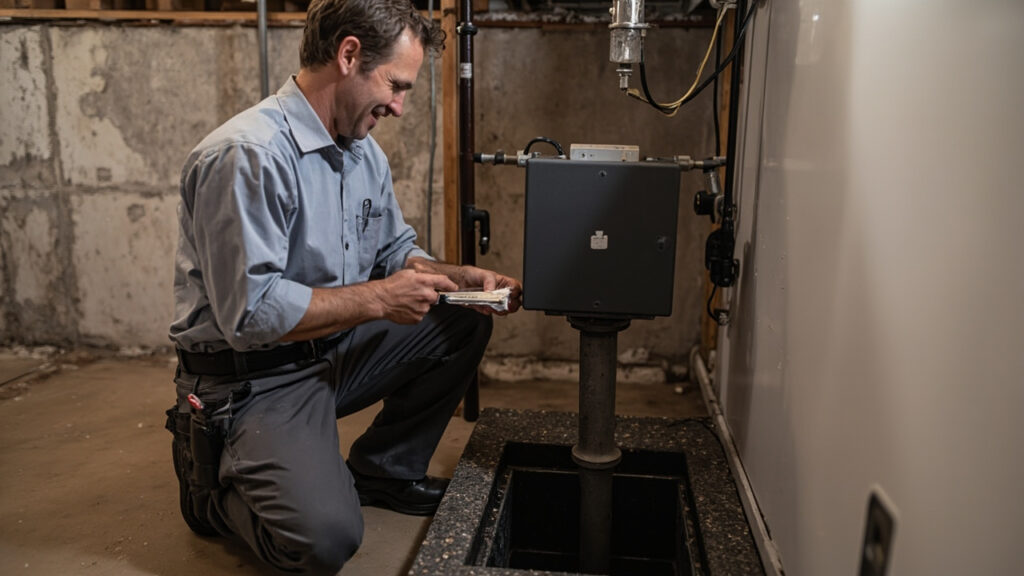
Regular maintenance keeps your system running smoothly. Here’s what professional plumbers check during routine service:
- Test Float Switch Operation
The float switch triggers your pump when water levels rise. A stuck float means your pump won’t activate when needed. Technicians test by manually lifting the float and verifying pump activation.
- Clean the Basin and Remove Solids
Sediment grease and debris accumulate in the bottom of your basin. This material can clog your pump or cause it to work harder than necessary. Professional cleaning removes this buildup.
- Check the Check Valve and Discharge Pipe
The check valve prevents sewage from flowing back into your basin after pumping. A faulty check valve allows wastewater to return creating a cycle that burns out your motor. Technicians inspect for proper sealing and test valve operation.
- Inspect the Vent Line for Blockages
Your ejector pump system needs proper ventilation. Blocked vent pipes create pressure problems that can cause backups or pump failure. Plumbers check for bird nests debris or ice buildup depending on the season.
- Test the High-Water Alarm System
Most ejector pumps include an alarm that sounds when water levels get too high. This early warning system gives you time to address problems before flooding occurs. Testing ensures the alarm will work when you need it most.
Signs Your Pump Needs Immediate Repair
Certain warning signs indicate your ejector pump requires urgent attention. Recognizing these symptoms early can prevent basement flooding.
Unusual noises from your pump signal mechanical problems. Grinding sounds suggest worn bearings. Gurgling indicates air in the system. Constant running points to a stuck float or failed check valve.
Frequent cycling where your pump turns on and off rapidly often means the float switch needs adjustment or the basin is too small for your household’s needs.
Foul odors in your basement suggest sewage backup or a dry trap in your floor drain. Both conditions require immediate professional attention.
Visible sewage or water around your pump basin indicates a serious problem. This could mean a cracked basin a failed seal or a complete system failure.
If your high-water alarm sounds don’t ignore it. This alarm exists specifically to warn you before flooding occurs.
DIY vs. Professional Maintenance: What’s Safe?
Homeowners can handle some basic maintenance tasks. However sewage systems pose serious health risks. Understanding the limits of DIY work keeps you safe.
Safe DIY Tasks:
- Visual inspection of the pump area for obvious leaks or damage
- Testing the alarm system by pressing the test button
- Checking that the discharge pipe remains clear of visible obstructions
- Ensuring the area around the pump remains clean and accessible
Tasks Requiring Professionals:
- Cleaning the pump basin and removing accumulated solids
- Testing or replacing the check valve
- Adjusting the float switch
- Repairing electrical connections
- Handling raw sewage or contaminated materials
Professional plumbers have specialized equipment and training for working with sewage systems. They understand local building codes and can identify problems that untrained eyes might miss.
Attempting complex repairs yourself risks damaging your system creating bigger problems and potentially violating local codes. The cost savings rarely justify the risks.
Local Factors Affecting Your Ejector Pump
Oak Hill’s specific conditions impact how your ejector pump performs. Understanding these local factors helps you anticipate problems.
Soil Composition: Oak Hill sits on dense clay soil. This soil type drains poorly which means your pump may need to work harder during wet seasons. Clay also shifts with moisture changes potentially stressing underground pipes.
Water Table Levels: Parts of Oak Hill experience seasonal water table fluctuations. During wet springs your pump may need to handle more groundwater infiltration than usual.
Tree Roots: Mature trees common in Oak Hill neighborhoods can send roots toward your sewer lines. These roots sometimes damage pipes or enter joints creating blockages that strain your pump.
Power Grid Stability: Nashville experiences occasional power fluctuations. Your ejector pump needs a dedicated GFCI outlet and surge protection to prevent electrical damage.
Cost Factors for Maintenance and Repair
Understanding typical costs helps you budget for pump maintenance. Prices vary based on your specific system and the work required.
Routine maintenance typically costs between $150 and $300. This includes basic cleaning testing and inspection of all components.
Emergency service calls start around $200 and increase based on timing and the complexity of the problem. After-hours weekend and holiday service commands premium rates.
Component replacement costs vary widely. A new float switch might cost $50 to $150 plus installation. A complete pump replacement often ranges from $1,500 to $3,000 depending on the model and installation complexity.
Preventive maintenance costs less than emergency repairs. Annual service contracts often provide the best value for homeowners who want peace of mind.
Comparing Pump Types for Nashville Homes
Different pump types suit different situations. Understanding your options helps when replacement becomes necessary.
| Pump Type | Best For | Maintenance Frequency | Typical Lifespan |
|---|---|---|---|
| Standard Ejector | Most residential applications | Annual | 7-10 years |
| Grinder Pump | Long discharge runs or uphill pumping | Semi-annual | 5-8 years |
| Effluent Pump | Light-duty applications | Annual | 8-12 years |
| Submersible | Most modern installations | Annual | 7-10 years |
Building Code Requirements in Davidson County
Nashville and Davidson County have specific requirements for sewage ejector systems. Compliance prevents legal issues and ensures your system works properly.
Permits are required for new installations and major repairs. The Metro Nashville Codes Department must approve all work. DIY installations are illegal for sewage systems.
Venting requirements specify minimum pipe sizes and termination points. Improper venting can cause system failures and create health hazards.
Backflow prevention devices may be required depending on your specific installation. These devices prevent sewage from flowing back into your home during city sewer problems.
Electrical requirements include GFCI protection and proper grounding. Your pump must have a dedicated circuit to prevent overloads.
Seasonal Maintenance Calendar
Timing your maintenance activities maximizes their effectiveness. Here’s a seasonal approach for Middle Tennessee homeowners.
Spring (March-April): Schedule your annual professional maintenance. This timing prepares your system for heavy summer usage and storm season.
Summer (June-July): Check your alarm system monthly during storm season. Heavy rains increase pump activity.
Fall (September-October): Clear leaves and debris from vent pipes. Falling leaves can block vents and cause pressure problems.
Winter (December-February): Ensure your pump area stays above freezing. Frozen discharge pipes can cause backups and pump damage.
Emergency Response Plan
Even well-maintained systems can fail. Having an emergency plan minimizes damage when problems occur.
Know the location of your main sewer cleanout. This access point allows professionals to clear blockages without entering your basement.
Keep contact information for a 24/7 emergency plumber readily available. Sewage problems require immediate attention.
Know how to shut off power to your pump at the circuit breaker. This prevents damage if the pump runs dry or develops electrical problems.
Have absorbent materials ready to contain small leaks while waiting for professional help.
Document your system’s normal operation so you can quickly identify when something seems wrong.
Extending Your Pump’s Lifespan
Proper care maximizes the return on your investment. These practices help your ejector pump last as long as possible.
Install a battery backup system. This keeps your pump working during power outages when storms often cause the most problems.
Avoid flushing problematic materials. Wipes paper towels and grease create the most common pump problems.
Install strainers on laundry discharge lines. Lint and small items from washing machines are common causes of pump clogs.
Consider a larger capacity pump if your household has grown or your usage patterns have changed. An undersized pump works harder and fails sooner.
Monitor your water bill for unexplained increases. Hidden leaks in your system force your pump to run more often than necessary.
Frequently Asked Questions
How often should I have my ejector pump serviced?
Annual professional maintenance is recommended for most Oak Hill homes. Homes with heavy usage or older systems may benefit from semi-annual service.
Can I use my basement plumbing if my ejector pump fails?
No. Using basement plumbing when your pump fails will cause sewage to back up into your home. Stop all water usage until the pump is repaired.. Read more about Plumbing Considerations for Adding a Basement Kitchenette in Your Franklin Home.
What’s the difference between an ejector pump and a sump pump?
Ejector pumps handle sewage and wastewater from below-grade plumbing. Sump pumps only handle groundwater and rainwater. They serve different purposes.
How long does an ejector pump typically last?
Most ejector pumps last 7-10 years with proper maintenance. Heavy usage poor maintenance or inferior quality can reduce this to 3-5 years.
Should I install a backup pump?
Yes if you have finished basement space or valuable items below grade. Battery backup systems cost $500-$1,500 but prevent thousands in potential damage.
What causes ejector pumps to fail prematurely?
Common causes include flushing inappropriate materials lack of maintenance power surges and undersized pumps for the application. Regular service prevents most failures.
Is sewage backup covered by homeowners insurance?
Standard policies often exclude sewage backup. You typically need additional coverage for this specific risk. Check your policy or ask your agent.
Conclusion
Your sewage ejector pump protects your Oak Hill home from messy expensive basement flooding. Regular maintenance prevents most problems and extends your system’s life.
Understanding your system’s needs helps you make informed decisions about DIY tasks versus professional service. When in doubt call a licensed plumber rather than risking damage or health hazards.
Don’t wait for your pump to fail before taking action. Schedule your annual maintenance today to protect your home and your peace of mind.
Need professional ejector pump service in Oak Hill? Our licensed plumbers understand Nashville’s unique plumbing challenges. We provide 24/7 emergency service for sewage problems and can help you establish a maintenance schedule that keeps your system running reliably year-round.