
What to Know Before Adding a Bathroom to Your Unfinished Spring Hill Basement
Adding a bathroom to your unfinished basement in Spring Hill requires careful planning before you break ground. The unique soil conditions and building codes in Middle Tennessee make basement bathroom installations more complex than standard above-ground plumbing. This guide walks you through the essential considerations every homeowner should understand before starting their basement bathroom project. Tennessee Uniform Plumbing Code.
Understanding Basement Bathroom Plumbing Requirements
Basement bathrooms present distinct challenges compared to standard bathroom installations. The primary issue involves drainage and waste removal since your basement sits below the main sewer line elevation.
When your bathroom fixtures sit below the sewer main, gravity cannot move waste effectively. This requires specialized equipment like sewage ejector pumps to lift waste to the main line. The Tennessee Uniform Building Code mandates specific requirements for these systems to prevent backups and ensure proper function.
Spring Hill’s soil composition adds another layer of complexity. The area features a mix of clay soil over limestone bedrock. Clay soil expands and contracts with moisture changes, potentially stressing underground pipes. Limestone bedrock can make trenching difficult and may require specialized equipment for proper pipe installation. Who to Call When Your Pipes Burst in Nashville at 3 AM.
Key Components of Basement Bathroom Rough-In
The rough-in phase establishes all the hidden plumbing infrastructure before concrete is poured. This critical step determines the success of your entire bathroom installation. Professional Plumbing Fixture Installation for Your Brentwood Remodel.
Water supply lines require careful planning. PEX piping has become the standard for new installations due to its flexibility and resistance to freezing. However, copper remains popular for its durability and code compliance in certain applications. How to Deal with Hard Water Issues in Your Mt Juliet Home.
Drain lines must maintain specific slopes for proper flow. The International Plumbing Code requires a minimum slope of 1/4 inch per foot for drain pipes. This ensures waste moves efficiently without pooling or creating blockages. Plumbing Mount Juliet.
Vent pipes are essential for proper drainage. Without adequate venting, water cannot drain properly and traps may siphon dry, allowing sewer gases to enter your home. Each fixture requires proper venting, which often means running pipes through walls and up to the roof.. Read more about Why Your Murfreesboro Pipes Are Sweating and What It Means for Your Drywall.
Sewage Ejector Pumps vs. Gravity Drains
Determining whether you need an ejector pump depends on your home’s sewer line depth. In Spring Hill, many homes have sewer lines buried 6-8 feet deep due to frost line requirements and local soil conditions.
If your basement floor sits more than 18 inches below the sewer main, you will need a sewage ejector pump. These systems collect waste in a sealed tank and use powerful pumps to lift it to the main sewer line when the tank reaches capacity.
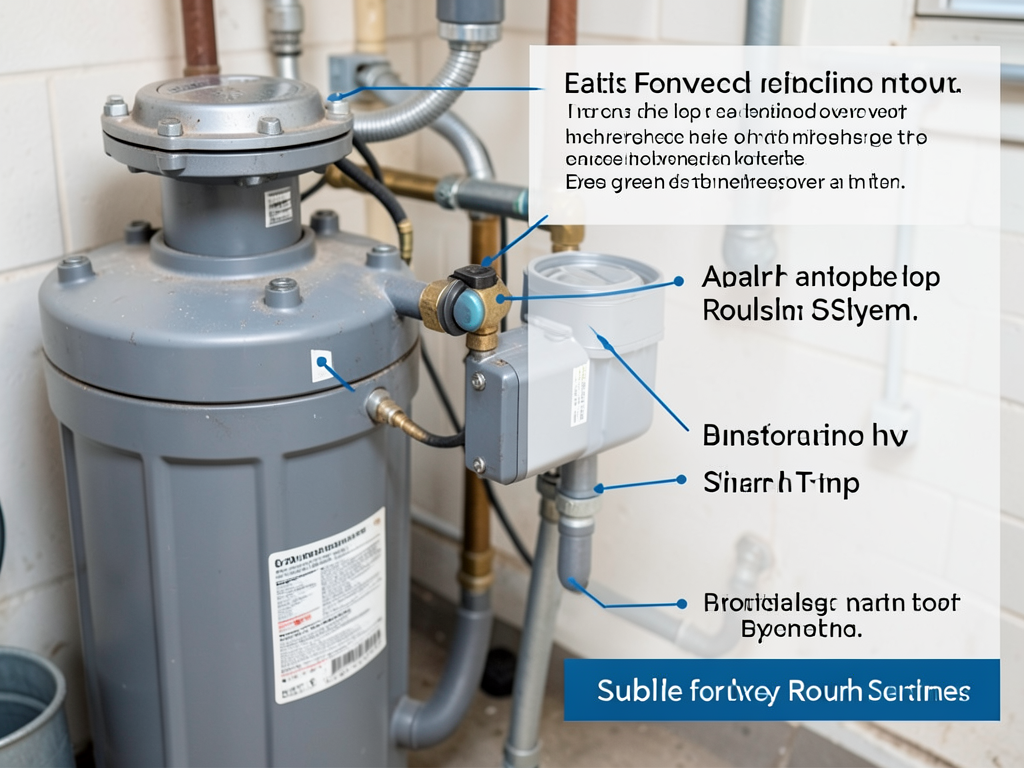
Ejector pumps come in different sizes based on your bathroom’s needs. A half-bathroom with just a toilet and sink requires a smaller pump than a full bathroom with a shower or tub. The pump’s horsepower and tank capacity must match your expected usage to prevent frequent cycling or overflow.
Modern ejector systems include alarms to alert you of pump failures or high water levels. This safety feature prevents sewage backups that could damage your finished basement space.
Nashville and Spring Hill Building Code Requirements
Building permits are mandatory for basement bathroom installations in Davidson County and surrounding areas. The Metro Nashville Codes Department requires permits for all plumbing rough-ins, including basement bathrooms. Metro Nashville Building Permits.
Permit costs vary based on project scope but typically range from $300 to $800 for a basement bathroom installation. The permit process includes plan review to ensure your design meets code requirements.
Critical code requirements include:
- Minimum pipe sizes: Toilets require 3-inch drain lines, while sinks and showers use 2-inch lines
- Vent pipe sizing: Must match drain pipe diameter and extend through the roof
- Cleanouts: Required at specific intervals for maintenance access
- Backwater valves: Often required to prevent sewer backups
The inspection process includes multiple stages. A rough-in inspection occurs after pipes are installed but before concrete is poured. A final inspection happens after all fixtures are installed and connected.
Concrete Cutting and Excavation Considerations
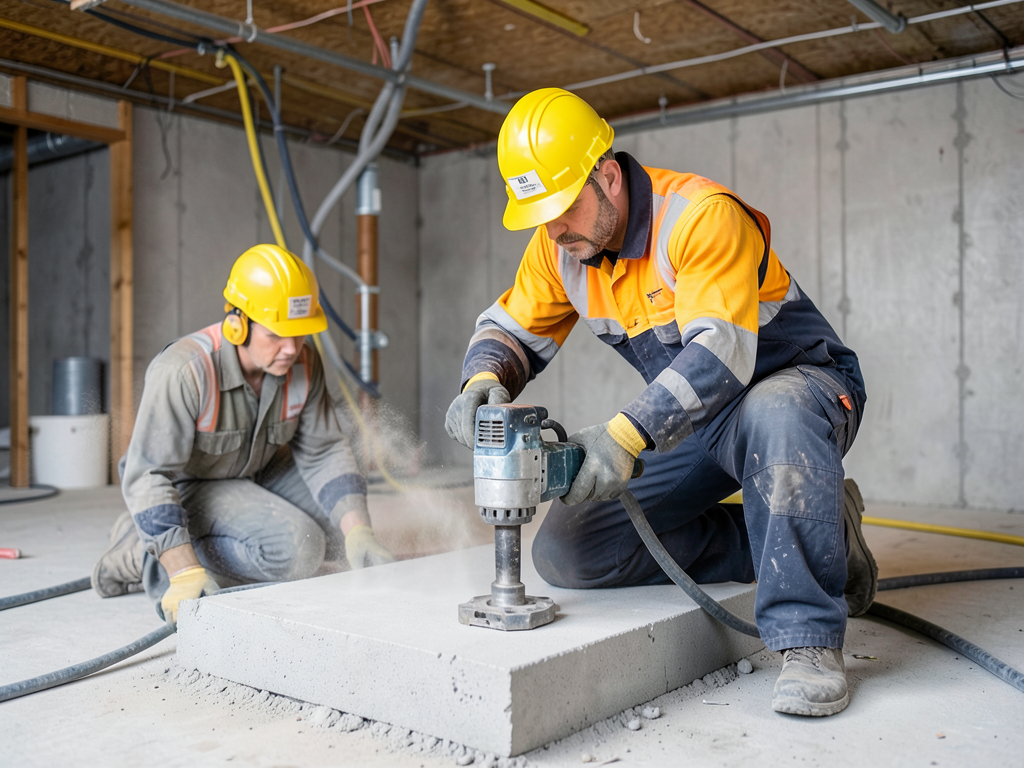
Breaking through basement concrete requires specialized equipment and expertise. Standard basement slabs in Spring Hill homes typically measure 4-6 inches thick, though older homes may have thinner slabs.
Professional concrete cutting uses electric or hydraulic tools to minimize dust and vibration. The process creates clean cuts that make patching easier after plumbing installation. Plumbing Springfield.
Excavation depth depends on your plumbing layout. Drain lines require proper slope, so deeper trenches may be necessary to achieve the required 1/4 inch per foot slope. This can mean removing 12-18 inches of soil beneath your slab.. Read more about Plumbing Considerations for Adding a Basement Kitchenette in Your Franklin Home.
Spring Hill’s limestone bedrock can complicate excavation. In some areas, bedrock lies just 12-24 inches below the surface. When this occurs, specialized tools like jackhammers or rock saws become necessary, increasing both time and cost.
Cost Factors and Timeline Expectations
Basement bathroom installations typically cost more than above-ground bathrooms due to the additional complexity. Several factors influence the final price.
Distance from existing plumbing lines affects cost significantly. The farther your basement bathroom is from your home’s main plumbing stack, the more pipe and labor required. Homes in Spring Hill’s newer developments often have plumbing concentrated in specific areas, which can work for or against your basement bathroom location.
Soil conditions impact excavation costs. Clay soil requires different handling than sandy soil, and limestone bedrock excavation adds substantial labor hours. A simple excavation in soft soil might take 4-6 hours, while rock excavation could extend to 12-16 hours.
Fixture quality and quantity drive final costs. Basic fixtures keep costs down, while luxury options like body sprays or steam generators add thousands to the project.
Typical timeline for a basement bathroom rough-in:
| Phase | Duration | Key Activities |
|---|---|---|
| Planning & Permitting | 1-2 weeks | Design, permit application, approval |
| Demolition & Excavation | 1-3 days | Concrete cutting, trenching, debris removal |
| Pipe Installation | 2-4 days | Water lines, drains, vents, pump installation |
| Inspection & Concrete | 1 week | Rough-in inspection, concrete patching |
Common Basement Bathroom Challenges in Spring Hill
Spring Hill’s rapid growth has created specific patterns in basement construction that affect bathroom installations. Many homes built in the 2010s feature post-tension slabs, which require special handling during concrete cutting.
Post-tension slabs contain steel cables under tension within the concrete. Cutting through these cables without proper identification can cause structural damage. Professional plumbers use ground-penetrating radar to locate cables before cutting.
Radon gas is another consideration in Middle Tennessee. The region’s geology creates conditions where radon can accumulate in basements. Many Spring Hill homeowners choose to install radon mitigation systems concurrent with their basement bathroom rough-in, as the plumbing work provides ideal access points.
Moisture management becomes critical in basement spaces. Even with proper drainage, basement bathrooms need moisture-resistant materials and adequate ventilation to prevent mold growth. This often means installing exhaust fans with humidity sensors and using mold-resistant drywall.
DIY vs. Professional Installation Considerations
While some homeowners consider DIY basement bathroom installations to save money, the complexity and code requirements make professional installation the safer choice for most people.
Professional plumbers bring expertise in local codes, proper pipe sizing, and drainage principles that ensure your system works correctly from day one. They also handle permit acquisition and coordinate inspections, saving you time and potential headaches.
DIY installations often encounter problems with:
- Incorrect pipe slopes leading to poor drainage
- Improper venting causing slow drains and sewer gas issues
- Code violations requiring costly corrections
- Insurance complications if unpermitted work causes damage
The cost difference between DIY and professional installation often narrows when you factor in tool rentals, permit fees, and the value of your time. Professional installations typically include warranties on workmanship, providing peace of mind.
Planning Your Basement Bathroom Layout
Smart layout planning can reduce costs and simplify installation. Locating your basement bathroom near existing plumbing lines minimizes the distance new pipes must run.
Consider these layout factors:
- Stacking bathrooms above or below existing bathrooms shares vent stacks and reduces complexity
- Corner locations often provide better access for plumbing chases and utility connections
- Exterior walls may offer easier access for vent termination, though frost line depth must be considered
Future expansion should influence your rough-in decisions. Even if you’re starting with a half-bathroom, roughing in the plumbing for a future shower or tub during the initial installation costs significantly less than retrofitting later.
Think about electrical requirements early. Bathroom circuits need GFCI protection, and exhaust fans require dedicated wiring. Planning these elements during the rough-in phase prevents costly wall modifications later.
Preparing for Construction
Before construction begins, prepare your basement space and family for the disruption. Clear the work area completely and protect items you cannot move with plastic sheeting.
Plan for temporary bathroom arrangements if your home has only one bathroom. Construction dust will spread beyond the immediate work area, so seal off the basement with plastic barriers and consider temporary air filtration.
Communicate with your plumber about your schedule. Most basement bathroom rough-ins require 2-3 days of active work, though the full project spans several weeks when including permitting and inspections.
Establish clear points of contact for questions that arise during construction. Decisions about fixture locations, pipe routing, and access panels often need quick answers to keep the project moving.
Final Considerations Before Breaking Ground
Before you begin your basement bathroom project, verify your home’s foundation type and any special construction features. Spring Hill homes vary significantly in age and construction methods, affecting installation approaches.
Check your home’s water pressure and flow rates. Older homes may have undersized supply lines that need upgrading to support additional fixtures. A professional plumber can test your system and recommend necessary improvements.
Consider your home’s resale value. A well-designed basement bathroom can significantly increase your home’s marketability, particularly in Spring Hill’s competitive housing market where finished basements are increasingly desirable.
Review your homeowner’s insurance policy. Some policies have specific requirements for plumbing modifications, and you may need to inform your insurer about the planned changes.
Finally, establish a realistic budget that includes a 15-20% contingency for unexpected issues. Hidden problems like deteriorated pipes, inadequate venting, or structural concerns can emerge during demolition and affect your project scope.
Frequently Asked Questions
How deep do basement bathroom drain pipes need to be?
Drain pipes require a minimum slope of 1/4 inch per foot. The actual depth depends on your basement floor elevation relative to the sewer main. Most basement bathrooms need pipes buried 12-18 inches below the slab to achieve proper slope.
Can I install a basement bathroom in a post-tension slab home?
Yes, but special precautions are necessary. Post-tension slabs contain tensioned cables that cannot be cut without risking structural damage. Professional plumbers use ground-penetrating radar to locate cables before cutting and may need to route pipes differently than in standard slabs.
How long does a basement bathroom rough-in take?
The rough-in phase typically requires 2-4 days of active work. However, the complete project including permitting, inspections, and concrete curing spans 3-6 weeks. Your specific timeline depends on permit approval speed and inspection availability.
Do I need a permit for a basement bathroom in Spring Hill?
Yes. Davidson County and surrounding areas require permits for all plumbing modifications, including basement bathrooms. The permit process ensures your installation meets code requirements and passes necessary inspections for safety and functionality.
Ready to Start Your Basement Bathroom Project?
Adding a bathroom to your unfinished Spring Hill basement is a significant investment that requires proper planning and professional execution. The unique soil conditions, building codes, and construction methods in Middle Tennessee make this project more complex than standard bathroom installations.
Before you begin, schedule a professional assessment of your basement space. A qualified plumber can evaluate your specific situation, identify potential challenges, and provide accurate cost estimates based on your home’s unique characteristics.
Ironwood Plumbing Nashville specializes in basement bathroom installations throughout Spring Hill and the greater Nashville area. Our team understands the local building codes, soil conditions, and construction methods specific to Middle Tennessee homes.
Don’t let the complexity of basement bathroom plumbing overwhelm you. Call Ironwood Plumbing Nashville at (615) 413-8833 to schedule your consultation. We’ll help you navigate the planning process, handle all permitting requirements, and ensure your new bathroom functions perfectly for years to come.
Your dream basement bathroom is within reach. Let our experienced team guide you through every step of the process, from initial design to final inspection. Contact us today to get started on your Spring Hill basement bathroom transformation.