Essential Plumbing Maintenance for Short-Term Rental Owners in The Nations
Running a short-term rental in Nashville’s The Nations neighborhood means managing a high-turnover property where plumbing problems can quickly escalate from minor inconveniences to major disasters. Every guest interaction shapes your reputation and affects your bottom line. A single negative review mentioning plumbing issues can cost you dozens of future bookings and damage your standing in a competitive market. Professional Plumbing Fixture Installation for Your Brentwood Remodel.
The Nations has become one of Nashville’s most vibrant short-term rental markets with its proximity to downtown and growing appeal to both tourists and business travelers. However, this popularity comes with unique plumbing challenges. High guest turnover means more frequent use of fixtures and appliances. Many properties in The Nations are older homes with aging plumbing systems that weren’t designed for the constant demand of modern vacation rentals. Plumbing Mount Juliet.
Successful STR owners understand that preventative maintenance isn’t just about avoiding emergencies. It’s about protecting your investment, maintaining five-star reviews, and ensuring consistent occupancy rates. This guide walks you through the essential plumbing maintenance strategies specifically tailored for short-term rental owners in The Nations and surrounding Nashville neighborhoods.
Understanding Nashville’s Plumbing Environment
Nashville’s climate and infrastructure create specific challenges for rental property owners. The city experiences hot summers with high humidity and occasional winter freezes that can catch unprepared property owners off guard. The Nations sits on soil that can shift with seasonal moisture changes affecting underground pipes and foundations. EPA WaterSense Program.
Many homes in The Nations were built between the 1920s and 1960s. These properties often contain galvanized steel pipes that corrode from the inside out. The hard water common in Middle Tennessee leaves mineral deposits that reduce water flow and damage fixtures over time. Understanding these local factors helps you develop a maintenance schedule that addresses your property’s specific vulnerabilities. Who to Call When Your Pipes Burst in Nashville at 3 AM.
Preventative Maintenance Schedule for STR Properties
Creating a systematic maintenance routine prevents most plumbing emergencies before they occur. This schedule works for properties with guest turnover every 2-5 days, though you should adjust based on your specific booking patterns.
Daily Quick Checks
Between guest check-outs and check-ins, perform these rapid inspections. Check under all sinks for moisture or leaks. Test all toilets by flushing them once. Run water in all sinks and showers for 30 seconds to ensure proper drainage. These quick checks take less than 10 minutes but can catch developing problems before guests arrive. How to Deal with Hard Water Issues in Your Mt Juliet Home.
Weekly Maintenance Tasks
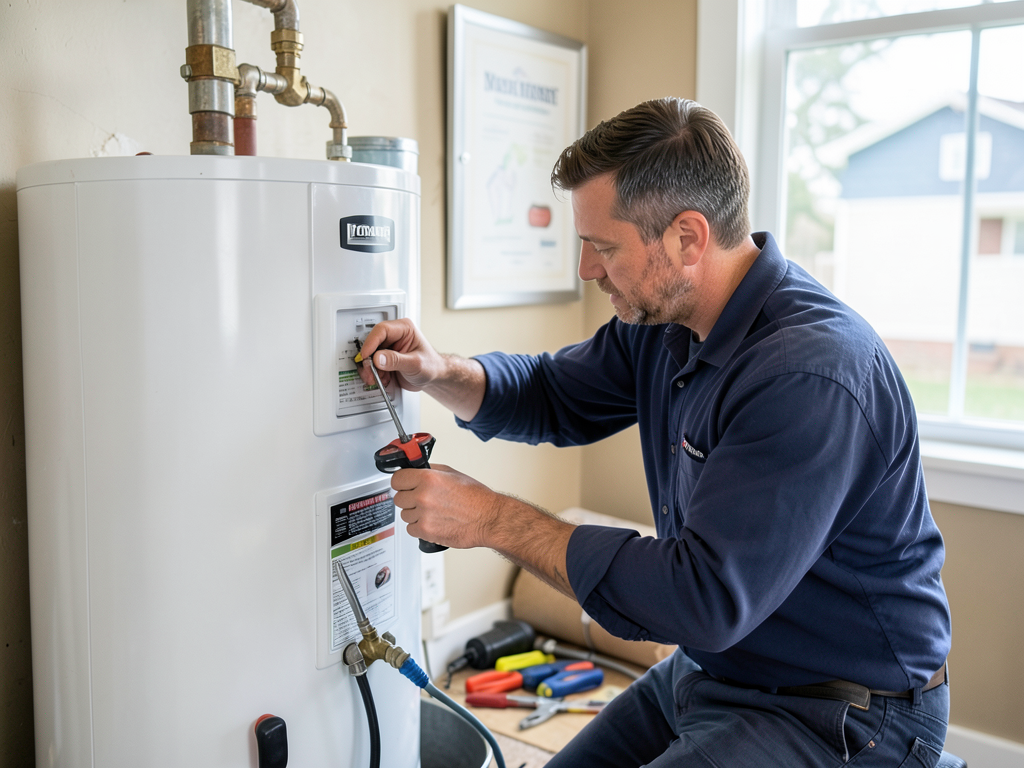
Once per week, inspect your water heater for leaks or corrosion. Check the temperature setting and verify it’s between 120-130 degrees Fahrenheit. Clean all faucet aerators to remove mineral buildup. Inspect visible pipes under sinks and in utility areas for condensation or corrosion. Test all shut-off valves to ensure they operate smoothly.. Read more about Why Your Hot Water Heater Is Making a Strange Popping Sound in Dickson.
Monthly Deep Inspections
Every month, schedule a more thorough inspection. Check your main water shut-off valve location and ensure it’s accessible. Inspect washing machine hoses for bulges or cracks. Test your sump pump if you have a basement. Clean your garbage disposal with ice cubes and citrus peels. Check outdoor spigots for leaks or damage.. Read more about How Your Washing Machine Hoses Could Cause a Major Flood in Your Charlotte Park Home.
Seasonal Maintenance
Nashville’s seasonal changes require specific attention. Before winter, insulate exposed pipes in crawl spaces and attics. In spring, check outdoor drainage systems and clean gutters. Summer requires checking air conditioning condensate drains. Fall is ideal for professional water heater flushing and anode rod inspection.
Guest-Proofing Your Plumbing Fixtures
Short-term rental guests often lack familiarity with your property’s plumbing system. Smart fixture choices and clear instructions prevent many common issues.
Toilet Selection and Maintenance
Choose pressure-assisted or commercial-grade toilets for high-traffic rentals. These fixtures resist clogs better than standard gravity toilets. Install toilet paper holders that accommodate only one roll at a time to prevent guests from flushing excessive amounts. Consider placing a small trash can with a liner in each bathroom for non-flushable items.
Post clear instructions about what not to flush. Many guests assume all paper products are safe for toilets. Create simple, friendly signs that explain your septic or city sewer system requirements. Include emergency contact information if guests experience toilet problems.
Shower and Bathtub Protection
Install hair catchers in all shower and bathtub drains. These inexpensive devices prevent the most common STR plumbing issue: clogged drains from guest hair. Choose stainless steel or silicone models that are easy to clean and don’t look cheap or institutional.
Consider installing pressure-balancing shower valves to prevent scalding when other fixtures are used. This protects guests and reduces liability concerns. Use non-slip mats in tubs and showers to prevent falls and protect surfaces from damage.. Read more about Installing a Thermostatic Mixing Valve to Prevent Scalding in Your Gallatin Home.
Kitchen Plumbing Considerations
Many STR guests don’t understand proper garbage disposal use. Create simple, illustrated instructions for what can and cannot go down the disposal. Common forbidden items include coffee grounds, eggshells, pasta, rice, and fibrous vegetables like celery or corn husks.
Install a high-quality disposal with a powerful motor that can handle occasional misuse. Consider a batch feed model that requires a cover to operate, preventing accidental activation. Keep a plunger visible in the kitchen for minor clogs.
Water Heater Management for High-Demand Properties
Water heaters in short-term rentals face constant demand cycles. Guests typically shower within a few hours of each other, creating peak usage periods that can overwhelm undersized or poorly maintained units.
Choosing the Right Water Heater
For properties hosting 4+ guests regularly, consider a tankless water heater or a high-capacity traditional unit. Tankless models provide endless hot water but require proper sizing for your property’s simultaneous demand. Traditional tanks should be 50+ gallons for multi-bedroom rentals.
Energy-efficient models reduce utility costs and appeal to environmentally conscious guests. Look for units with vacation modes that maintain minimal temperatures during vacancy periods. This saves energy without risking frozen pipes in winter.
Maintenance Schedule
Flush your water heater every six months to remove sediment buildup. Nashville’s hard water causes faster sediment accumulation than softer water regions. Replace anode rods every 2-3 years to prevent tank corrosion. Test the temperature and pressure relief valve annually to ensure it operates correctly.. Read more about Why You Need to Replace Your Rubber Washing Machine Hoses in Antioch Right Now.
Install a water alarm under the water heater to detect leaks early. These inexpensive devices can prevent thousands in water damage. Consider a drain pan with a proper discharge line for traditional tank models.
Smart Technology for Remote Property Management
Modern plumbing technology allows STR owners to monitor and control their properties remotely. These systems provide peace of mind and early leak detection.
Leak Detection Systems
Install smart water leak detectors near high-risk areas: under sinks, behind toilets, near water heaters, and in laundry areas. These devices send instant alerts to your smartphone when moisture is detected. Some systems automatically shut off water supply when leaks are detected.
Popular options include the Phyn Plus, Moen Flo, and Flo by Moen systems. These devices monitor water pressure and flow patterns, learning your property’s normal usage to identify abnormalities. They can detect a running toilet or a small leak that wastes water over time.
Remote Shut-off Valves
Smart shut-off valves allow you to turn off water supply from anywhere using your smartphone. This feature is invaluable for emergency response when you’re not physically present. Some systems integrate with home automation platforms for comprehensive property management.. Read more about The Hidden Danger of Using Flex Lines Under Your Sink in Historic Edgefield.
Consider installing these valves on both the main supply line and individual fixture lines for maximum control. This allows you to isolate problems without shutting off water to the entire property.
Temperature and Humidity Monitoring
Install sensors that monitor temperature and humidity levels throughout your property. These devices can alert you to conditions that might cause pipe freezing or excessive moisture that leads to mold growth. Some systems integrate with smart thermostats for automated climate control.
Emergency Response Planning
Even with excellent preventative maintenance, emergencies happen. Having a clear response plan minimizes damage and guest disruption.
Emergency Contact Information
Provide guests with a laminated emergency contact card that includes your phone number, your property manager’s contact information, and a local emergency plumber’s 24/7 number. Place this card in an obvious location like the refrigerator or bathroom cabinet.
Create a simple troubleshooting guide for common issues like clogged toilets or reset garbage disposals. Include clear photos and step-by-step instructions. This empowers guests to solve minor problems without calling for help.
Shut-off Valve Location and Instructions
Label all shut-off valves clearly with waterproof tags. Create a simple diagram showing valve locations and how to operate them. Place this diagram in your emergency information packet. Many guests panic during plumbing emergencies and need clear, simple instructions.
Consider installing quarter-turn ball valves that are easier to operate than older gate valves. These modern valves require only a 90-degree turn to completely shut off water flow.
Insurance and Documentation
Maintain comprehensive insurance coverage that includes short-term rental properties. Document your maintenance procedures and keep records of all inspections and repairs. This documentation proves due diligence if insurance claims become necessary.
Take photos of your plumbing fixtures and systems annually. These baseline images help identify changes and damage over time. Keep receipts for all maintenance work and equipment purchases.
Nashville-Specific Plumbing Considerations
The Nations and surrounding Nashville neighborhoods have unique characteristics that affect plumbing maintenance strategies.
Hard Water Management
Nashville’s water contains high levels of calcium and magnesium, creating hard water that leaves mineral deposits on fixtures and inside pipes. Install water softeners for properties with significant hard water issues. These systems protect plumbing fixtures and improve guest experience by preventing spotty dishes and dry skin.
Use vinegar or commercial descaling solutions monthly on showerheads and faucet aerators. Replace these components more frequently than in soft water areas. Consider installing whole-house water filtration systems to improve water quality and protect plumbing.
Seasonal Temperature Fluctuations
Nashville experiences temperature swings that can stress plumbing systems. Install frost-proof outdoor spigots and insulate exposed pipes in crawl spaces and attics. During rare but severe cold snaps, let faucets drip slightly to prevent freezing.
Educate guests about preventing frozen pipes. Include instructions about keeping cabinet doors open under sinks during cold weather and maintaining minimum thermostat settings when away.
Local Building Codes and Permits
Nashville requires permits for most plumbing modifications. Work with licensed plumbers who understand local codes and can obtain necessary permits. This ensures work meets safety standards and prevents issues during property sales or insurance claims.
Stay informed about Metro Nashville’s short-term rental regulations, which may include specific plumbing requirements for licensed properties. Compliance prevents fines and ensures your property remains eligible for rental platforms.
Cost-Benefit Analysis of Professional Maintenance
Many STR owners debate whether to handle plumbing maintenance themselves or hire professionals. Understanding the true costs helps make informed decisions. Understanding Backflow Testing.
DIY Maintenance Costs
DIY maintenance requires your time, basic tools, and replacement parts. A typical DIY maintenance kit for a standard rental might include plungers, drain cleaners, replacement washers, and basic plumbing tools. Budget $100-200 annually for supplies.
Your time investment varies based on property size and number of units. Expect to spend 2-4 hours monthly on basic maintenance tasks. Factor in the opportunity cost of time spent on maintenance versus guest communication or marketing.
Professional Maintenance Costs
Professional plumbers typically charge $75-150 per hour in the Nashville area. A comprehensive annual inspection might cost $200-400. Emergency service calls during nights or weekends can cost $300-500 minimum.
However, professional maintenance often prevents costly emergencies. A $200 annual inspection might identify a failing water heater before it leaks, saving $1,000+ in water damage repairs and lost rental income.
Cost Comparison Table
| Maintenance Type | Annual Cost Range | Time Investment | Risk Level |
|---|---|---|---|
| DIY Basic Maintenance | $100-200 | 24-48 hours | High |
| Professional Annual Inspection | $200-400 | 2-4 hours | Low |
| Emergency Service (avg. 1-2x year) | $600-1000 | 1-2 hours response | High |
| Preventative Professional Service | $800-1500 | 8-12 hours | Very Low |
Creating Your Maintenance Checklist
Develop a comprehensive checklist that covers all aspects of your property’s plumbing system. This ensures consistent maintenance and provides documentation for your records.
Monthly Checklist Template
- Check all faucets for leaks or drips
- Test toilet flush mechanisms and check for running water
- Inspect visible pipes under sinks for moisture or corrosion
- Check water heater for leaks and proper temperature
- Test all shut-off valves for proper operation
- Clean faucet aerators and showerheads
- Inspect washing machine hoses for wear
- Check outdoor spigots for leaks
Quarterly Checklist Items
- Flush water heater and check anode rod
- Clean garbage disposal and check operation
- Inspect sump pump operation if applicable
- Check water pressure throughout property
- Inspect water softener operation and add salt if needed
- Check for signs of mold or moisture in bathrooms
Annual Professional Inspection Checklist
- Complete camera inspection of sewer lines
- Professional water heater service and efficiency test
- Backflow prevention device testing if required
- Complete plumbing system pressure test
- Inspection of gas lines if applicable
- Evaluation of plumbing code compliance
Building Relationships with Local Plumbing Professionals
Establishing relationships with reliable local plumbers provides peace of mind and priority service when emergencies occur.
Qualities to Look For
Choose plumbers with experience in rental properties and short-term rental maintenance. They should understand the urgency of guest-related issues and offer 24/7 emergency service. Look for professionals who provide detailed invoices and maintain good communication.
Verify licensing and insurance before establishing service relationships. Nashville requires master plumber licensing for most plumbing work. Ensure your chosen professionals carry liability insurance and workers’ compensation coverage.
Service Agreement Benefits
Consider establishing service agreements with local plumbers. These agreements often provide priority scheduling, discounted rates, and guaranteed response times. Some plumbers offer specific short-term rental packages that include regular maintenance and emergency response.
Service agreements typically cost $500-1,000 annually but can save money on emergency services and provide priority response when guests are present. They also ensure consistent quality and familiarity with your property’s plumbing system.
Guest Communication Strategies
Clear communication with guests prevents many plumbing issues and ensures quick resolution when problems occur.
Pre-Arrival Information
Include plumbing-related information in your welcome materials. Explain any quirks in your plumbing system, such as slow drains or specific fixture operations. Provide instructions for basic troubleshooting like resetting a garbage disposal or unclogging a toilet.
Set expectations about water pressure and temperature, especially in older homes where these might differ from modern hotels. This prevents disappointment and negative reviews based on misunderstandings.
During Stay Communication
Make it easy for guests to report issues. Provide multiple contact methods and emphasize that prompt reporting allows for quick resolution. Many guests hesitate to report problems, leading to larger issues and negative reviews.
Respond quickly to guest concerns, even if the issue seems minor. A fast response demonstrates good hospitality and can turn a potential negative experience into a positive one about your responsiveness.
Legal and Insurance Considerations
Plumbing issues in short-term rentals involve specific legal and insurance considerations that owners must understand.
Insurance Coverage
Standard homeowners insurance often excludes short-term rental activities. You need specialized short-term rental insurance or a commercial policy that covers rental activities. These policies typically include water damage coverage specific to rental properties.
Document all maintenance activities and keep records of professional inspections. This documentation proves due diligence and can be crucial for insurance claims. Many policies require proof of regular maintenance for water damage claims.
Guest Safety and Liability
Plumbing issues can create safety hazards for guests. Leaking water creates slip and fall risks. Gas line problems pose explosion hazards. Hot water that’s too hot can cause scalding injuries.
Regular professional inspections help identify these hazards before they cause injuries. Keep records of all safety-related repairs and upgrades. This documentation demonstrates your commitment to guest safety if liability issues arise.
Future Trends in STR Plumbing
The short-term rental industry continues evolving, and plumbing technology advances rapidly. Staying informed about trends helps you make smart long-term decisions.
Smart Home Integration
Plumbing systems increasingly integrate with smart home technology. Future systems will offer predictive maintenance, automatically scheduling service based on usage patterns and component wear. These systems can order replacement parts automatically and schedule technician visits.
Voice-controlled fixtures and touchless technology are becoming standard in high-end rentals. These features appeal to tech-savvy guests and reduce contact with surfaces, an important consideration post-pandemic.
Water Conservation Technology
Water-efficient fixtures continue improving in performance while reducing consumption. Smart shower systems that limit water usage without sacrificing experience are becoming popular. These systems appeal to environmentally conscious guests and reduce utility costs.
Greywater recycling systems for landscape irrigation and rainwater harvesting for non-potable uses are emerging technologies for eco-friendly properties. These systems can reduce water bills and appeal to sustainability-focused travelers.
Conclusion
Effective plumbing maintenance for short-term rentals in The Nations requires a comprehensive approach that combines preventative maintenance, guest education, and professional relationships. The high turnover nature of STR properties means plumbing systems face more stress than traditional homes, making regular maintenance essential rather than optional.
Investing in quality fixtures, establishing maintenance schedules, and building relationships with local plumbing professionals protects your investment and ensures positive guest experiences. The cost of preventative maintenance pales compared to emergency repairs, lost bookings, and negative reviews that result from plumbing failures.
Remember that successful STR ownership balances hospitality with property protection. Your plumbing system plays a crucial role in both areas. By implementing the strategies outlined in this guide, you create a foundation for consistent five-star reviews and profitable rental operations in Nashville’s competitive short-term rental market.
Don’t wait for plumbing emergencies to damage your reputation and bottom line. Start implementing these maintenance strategies today to protect your investment and ensure your guests enjoy their stay without plumbing problems.
Ready to establish a professional maintenance relationship for your short-term rental? Contact Ironwood Plumbing at (615) 413-8833 for a comprehensive property assessment and customized maintenance plan designed specifically for STR owners in The Nations and surrounding Nashville neighborhoods.
Frequently Asked Questions
How often should I have my short-term rental’s plumbing inspected professionally?
Schedule professional plumbing inspections annually for properties with moderate guest turnover. Properties hosting guests weekly or more frequently should consider semi-annual inspections. Professional inspections can identify developing problems before they cause emergencies and ensure your system meets current codes.
What are the most common plumbing issues in short-term rentals?
Clogged drains from hair and inappropriate items are the most frequent issue. Running toilets, leaking faucets, and water heater problems follow closely. Many issues stem from guest unfamiliarity with your specific fixtures or improper use of garbage disposals and toilets.
Should I install a water softener in my Nashville rental property?
Consider a water softener if you notice significant mineral buildup on fixtures, spotty dishes, or guest complaints about dry skin or hair. Nashville’s hard water can damage plumbing fixtures and reduce water heater efficiency. Water softeners protect your investment and improve guest experience, though they require regular maintenance and salt replenishment.
How can I prevent frozen pipes during rare Nashville cold snaps?
Insulate exposed pipes in crawl spaces and attics. During severe cold warnings, let faucets drip slightly and keep cabinet doors open under sinks. Maintain minimum thermostat settings of 55-60 degrees when the property is vacant. Consider installing smart thermostats that can monitor and adjust temperatures remotely.
What should I include in my emergency plumbing kit for guests?
Provide a basic kit including a plunger, basic instructions for common issues, contact information for emergency plumbers, and location of main water shut-off valve. Consider including drain cleaning tools and simple troubleshooting guides with photos. Make these items easily accessible but not prominently displayed to avoid alarming guests.
How do I handle plumbing emergencies when I’m not local?
Establish relationships with local plumbers who offer 24/7 emergency service. Provide guests with clear emergency procedures and contact information. Consider installing smart water monitors that can automatically shut off water when leaks are detected. Having a local property manager or trusted contact can also help manage emergencies when you’re unavailable. For more information, visit CDC Water Distribution Systems.