Choosing a Point of Use Water Heater for Your Sobro Condo or Loft
Living in a Sobro condo or loft means maximizing every square foot of space. A point of use water heater offers the perfect solution for your compact living space. These compact units deliver hot water instantly to a single fixture without the wait or waste of traditional tank systems. How to Deal with Hard Water Issues in Your Mt Juliet Home.
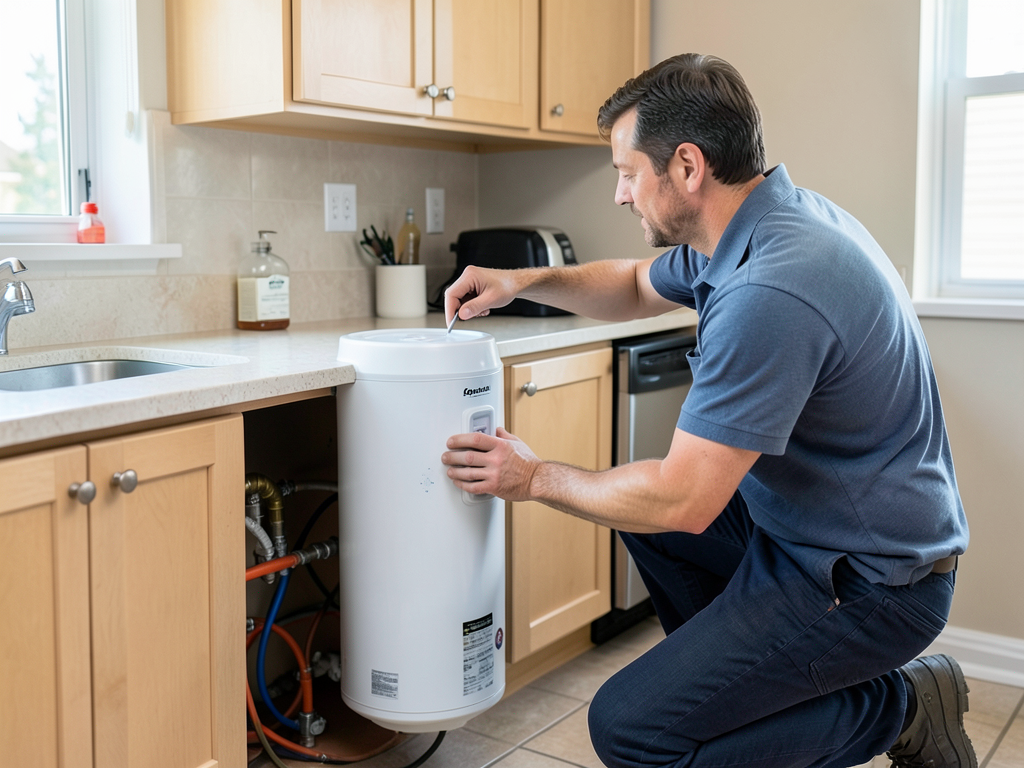
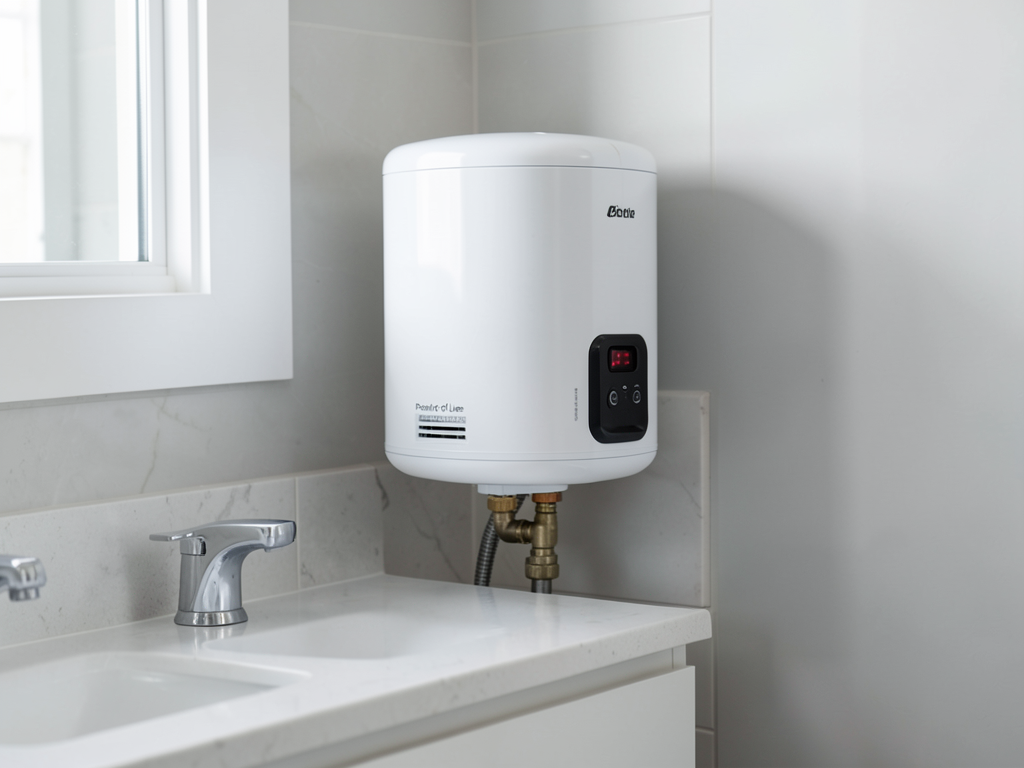
A point of use water heater sits right where you need it whether under your kitchen sink or in your bathroom vanity. This placement eliminates the delay of waiting for hot water to travel through long pipes from a central water heater. For Sobro residents dealing with historic building plumbing or wanting to add hot water to a bathroom without existing lines these units solve problems that whole-home systems cannot. Who to Call When Your Pipes Burst in Nashville at 3 AM.
The technology works through either tankless electric heating or small storage tanks. Tankless models heat water on demand as it flows through the unit. Storage models keep a small reservoir of hot water ready for immediate use. Both types connect directly to your existing cold water line and provide dedicated hot water service to one fixture.. Read more about How to Tell If Your Lebanon Home’s Tankless Water Heater Needs a Professional Flush.
Space constraints make point of use heaters ideal for Sobro living. Most units measure just 10 to 15 inches in height and fit easily in standard cabinets. Installation requires minimal plumbing modifications and often works with your existing electrical outlets. This simplicity makes them perfect for condos where major renovations prove difficult or impossible. Professional Plumbing Fixture Installation for Your Brentwood Remodel.
Energy efficiency stands out as another major benefit. These units heat only the water you use rather than maintaining a large tank at temperature 24/7. For single occupants or couples in Sobro condos this targeted approach reduces energy bills while providing reliable hot water exactly where needed.. Read more about Comparing the Most Reliable Water Heater Brands for the Middle Tennessee Climate.
Before choosing your unit consider your specific needs. Kitchen sinks require more hot water flow than bathroom faucets. If you plan to use the fixture for washing dishes or filling pots you will need a higher capacity model. Bathroom units can often use smaller more compact designs since flow rates stay lower.
Local building codes in Nashville affect installation requirements. Davidson County requires permits for water heater replacements regardless of size. Electric units must meet National Electrical Code standards for your specific amperage and voltage. Professional installation ensures compliance and prevents costly mistakes.. Read more about Deciding Between Gas and Electric Water Heaters for Your Nolensville New Build.
Water quality in Middle Tennessee impacts heater performance. Hard water from Nashville’s limestone aquifers causes mineral buildup that reduces efficiency over time. Some point of use models include self-cleaning features or anti-scale technology that extends unit life in our local water conditions.
Installation timing varies based on your specific situation. Simple under-sink replacements take two to three hours when electrical connections already exist. New installations requiring additional wiring or plumbing modifications extend to a full day. Your plumber can assess your condo’s specific requirements during an initial consultation. Plumbing Mount Juliet.
Maintenance needs remain minimal for these units. Annual flushing removes sediment buildup. Checking electrical connections prevents safety issues. With proper care quality point of use heaters provide reliable service for seven to ten years before replacement becomes necessary.
Cost considerations include both unit price and installation. Basic electric models start around $150 while premium units with advanced features reach $400. Installation typically adds $200 to $500 depending on complexity. These costs prove far less than whole-home system replacements while solving your specific hot water needs.
Noise levels vary by model. Some units produce a low humming sound during operation while others operate virtually silently. Reading customer reviews helps identify models that work well in quiet condo environments where sound carries between units.
Warranty coverage differs significantly between manufacturers. Standard warranties range from one to five years with some premium brands offering extended coverage. Understanding warranty terms helps protect your investment and ensures replacement options if problems arise. Understanding Backflow Testing.
Temperature control options range from simple on-off switches to digital displays with precise settings. Digital controls allow you to set exact temperatures for different uses. Some models include vacation modes that reduce energy consumption when you travel.
Safety features protect against common hazards. Automatic shutoff prevents overheating. Pressure relief valves protect against dangerous pressure buildup. GFCI protection guards against electrical shock in wet areas. These features prove essential in bathroom and kitchen installations.
Brand selection impacts long-term satisfaction. Established manufacturers like Rheem Bosch and EcoSmart offer proven reliability and parts availability. Newer brands may provide innovative features but lack track records for durability in Nashville’s specific conditions.
Electrical requirements vary by model. Most under-sink units operate on standard 120-volt circuits while higher capacity models need 240-volt connections. Your condo’s electrical panel must have available capacity for the new load. Professional assessment prevents overloading circuits.
Plumbing connections use standard fittings that work with existing pipes. Flexible connectors simplify installation and reduce leak risks. Proper sealing prevents water damage to cabinets and floors. Professional installation ensures watertight connections that last.
Space planning determines optimal unit placement. Under-sink installation works for most kitchens but bathroom vanities may have limited depth. Some units mount on walls or fit in adjacent closets. Measuring available space before purchasing prevents installation problems.
Water pressure affects performance. Most units require minimum pressure of 30 psi to function properly. Nashville’s municipal water system typically provides adequate pressure but older buildings may have issues. Pressure problems require correction before installation.
Flow rate capacity determines how much hot water the unit can deliver. Measured in gallons per minute this rating must match your fixture’s requirements. Kitchen sinks often need 1.5 to 2.5 GPM while bathroom faucets work well with 0.5 to 1.0 GPM units.
Recovery time matters for storage models. After hot water depletes the unit needs time to heat the next batch. Recovery times range from 15 to 45 minutes depending on model and incoming water temperature. Tankless models eliminate this concern entirely.
Environmental impact considerations favor point of use heating. Reduced water waste from waiting for hot water saves thousands of gallons annually. Lower energy consumption decreases your carbon footprint. These benefits align with sustainable living values common in Sobro communities.
Resale value implications remain minimal since these units serve specific needs rather than whole-home requirements. However they do solve problems that might otherwise deter potential buyers. Well-installed units with proper permits actually enhance property appeal.
Permit requirements in Davidson County mandate inspections for all water heater installations. This ensures safety compliance and proper venting where needed. Skipping permits risks fines and insurance complications if problems arise later.
Insurance considerations affect installation choices. Some policies require professional installation for water heating equipment. DIY installations may void coverage if water damage occurs. Checking with your insurance provider prevents coverage gaps.
Noise considerations matter in multi-unit buildings. Units with quiet operation prevent disturbing neighbors through shared walls or floors. Reading specifications for decibel ratings helps select appropriate models for condo living.
Temperature consistency varies by technology. Tankless units maintain steady temperatures during use while storage models may experience slight fluctuations as hot water depletes. Understanding these differences helps set realistic expectations.
Installation accessibility affects future maintenance. Units mounted in tight spaces become difficult to service. Planning for easy access simplifies filter changes and troubleshooting. Professional installers consider these factors during placement.
Local climate impacts incoming water temperature. Nashville’s groundwater averages 55 degrees Fahrenheit year-round. This affects how hard units must work to reach desired temperatures. Models rated for local conditions perform more reliably.
Energy factor ratings indicate efficiency. Higher numbers mean less energy waste. Look for units with ratings above 0.95 for optimal efficiency. Energy Star certification ensures minimum efficiency standards.
Control interface options range from simple dials to digital touchscreens. Digital controls offer precise temperature settings and diagnostic displays. Simple controls work reliably without complexity. Choose based on your comfort with technology.
Mounting hardware quality affects long-term stability. Units that vibrate during operation need secure mounting to prevent loosening over time. Quality brackets and hardware prevent cabinet damage and ensure safe operation.
Point of Use Water Heater Comparison Guide
| Feature | Tankless Electric | Storage Mini-Tank | Best For |
|---|---|---|---|
| Size | Compact 10-12 inches | 10-15 inches tall | Under-sink installation |
| Flow Rate | 0.5-2.5 GPM | N/A | Single fixture use |
| Power | 120V or 240V | 120V standard | Existing outlet availability |
| Recovery | Instant | 15-45 minutes | Continuous use needs |
| Efficiency | 99%+ | 90-95% | Energy savings priority |
Installation Requirements by Location
| Location | Permit Required | Electrical Needs | Typical Cost Range |
|---|---|---|---|
| Kitchen Sink | Yes | 120V or 240V | $350-$600 |
| Bathroom Vanity | Yes | 120V standard | $300-$500 |
| Utility Room | Yes | 240V recommended | $400-$700 |
| Outdoor/Bar | Yes | 120V weatherproof | $450-$750 |
Installation Steps for Point of Use Water Heaters
- Plan the Location
Choose a spot under the sink or near the fixture that allows access for maintenance and meets clearance requirements. Check for existing electrical outlets and water supply lines.
- Turn Off Utilities
Shut off the cold water supply and electrical power to the area. Open the faucet to drain remaining water from pipes.
- Mount the Unit
Install brackets or supports according to manufacturer specifications. Ensure the unit sits level and has proper clearance for connections.
- Make Connections
Connect the cold water supply using appropriate fittings. Install the hot water outlet line to the fixture. Make electrical connections following local codes.
- Test and Inspect
Turn on water and power. Check for leaks at all connections. Verify proper heating and temperature control operation. Schedule permit inspection if required.
Top Point of Use Water Heater Brands for Nashville Homes
- Rheem Performance Platinum – Digital controls with self-modulating power for optimal efficiency
- Bosch Tronic 3000 T – Compact design with glass-lined tank for durability
- EcoSmart ECO 11 – Flow sensor technology for consistent temperatures
- Stiebel Eltron Tempra Plus – Advanced flow control prevents temperature fluctuations
- AO Smith EMSS Mini-Tank – Quick recovery time for frequent use applications
Frequently Asked Questions
How long do point of use water heaters last?
Quality units typically provide seven to ten years of service with proper maintenance. Factors affecting lifespan include water quality usage frequency and installation quality. Annual maintenance extends operational life.
Can I install a point of use heater myself?
DIY installation is possible for experienced homeowners but requires electrical and plumbing knowledge. Professional installation ensures code compliance proper safety features and warranty protection. Most manufacturers require professional installation for warranty coverage.
What size point of use heater do I need?
Size depends on fixture type and usage patterns. Kitchen sinks need 1.5 to 2.5 GPM capacity while bathroom faucets work with 0.5 to 1.0 GPM units. Consider peak usage times and whether multiple fixtures might operate simultaneously.
Are point of use heaters energy efficient?
Yes. These units eliminate standby heat loss from storage tanks and reduce water waste from waiting for hot water. Efficiency ratings above 95% mean minimal energy waste. Actual savings depend on usage patterns and local utility rates.
Do point of use heaters require maintenance?
Minimal maintenance includes annual flushing to remove sediment and checking electrical connections. Hard water areas may need more frequent cleaning. Most units operate reliably for years with basic care.
Ready to Add Hot Water to Your Sobro Space
Point of use water heaters solve specific hot water problems without the cost and complexity of whole-home system replacements. Whether you need hot water in a bathroom without existing lines or want to eliminate waiting at your kitchen sink these compact units deliver reliable performance in Sobro’s space-conscious environment.
Professional installation ensures your unit operates safely and efficiently while meeting all local code requirements. Our Nashville plumbers understand the unique challenges of condo and loft living including limited access noise considerations and permit requirements.
Don’t wait another day for hot water at that one stubborn fixture. Call Ironwood Plumbing at (615) 413-8833 for a free consultation. We will assess your specific needs recommend the right unit for your situation and handle all aspects of professional installation. Your Sobro condo deserves hot water exactly where you need it. For more information, visit U.S. Department of Energy water heating guide. For more information, visit International Association of Plumbing and Mechanical Officials.
You may also find this helpful. How to Stop Your Kids from Ruining the Garbage Disposal in Your Midtown Apartment.