Why Your Water Heater Is Making a Strange Popping Sound in Donelson
You hear a popping sound coming from your water heater and wonder what is happening. That noise is more than just annoying. It can signal a real problem that affects how your heater works and how long it lasts. In Donelson homes, this sound often comes from sediment buildup in the tank. Understanding what causes it and what to do next can help you avoid bigger issues down the road. How to Deal with Hard Water Issues in Your Mt Juliet Home.
What Causes That Popping Sound in Your Water Heater
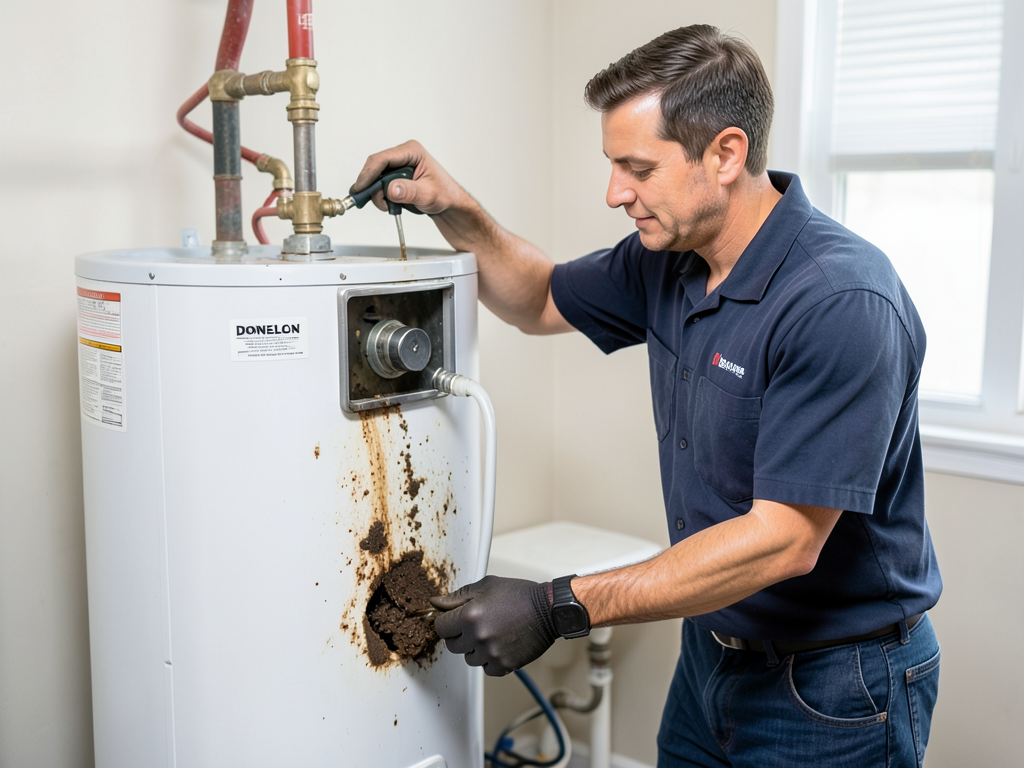
The popping noise happens when sediment settles at the bottom of your tank. Water trapped beneath that layer gets heated, turns to steam, and bursts through the sediment. The result is a sound like a kettle boiling. This process is called kettling and it is common in areas with hard water like Donelson. Who to Call When Your Pipes Burst in Nashville at 3 AM.
Middle Tennessee’s water carries high mineral content from limestone deposits. Over time those minerals form a thick layer of sediment in your tank. That layer reduces heating efficiency and can cause the popping sound you hear.
The noise is not just a nuisance. Sediment acts like insulation between the heating element and the water. That forces your heater to work harder and use more energy. It also shortens the life of your tank by creating hot spots that can damage the lining.
Is a Popping Water Heater Dangerous
The sound itself is not dangerous. But the conditions that cause it can be. Sediment buildup creates pressure inside the tank. If the pressure relief valve fails, that pressure can build to dangerous levels. In rare cases this can lead to a tank rupture.
You should check the temperature and pressure relief valve regularly. If it is stuck or leaking, that is a sign of trouble. A licensed plumber in Nashville can test and replace it if needed. This small step can prevent a major safety hazard.
If you hear loud banging along with the popping, that could mean more serious pressure issues. Turn off the power or gas supply and call a professional right away. Do not ignore sudden changes in noise or performance. Professional Plumbing Fixture Installation for Your Brentwood Remodel.
Common Causes of Water Heater Noises in Nashville Homes
1. Limescale and Mineral Accumulation
Nashville’s water supply comes from the Cumberland River and surrounding limestone aquifers. That means high levels of calcium and magnesium. These minerals settle in your tank over time. The more buildup, the louder the popping sound.
Homeowners in Donelson often notice this issue more than those in areas with softer water. If you have not flushed your tank in over a year, sediment is likely the cause.
2. Aluminum Anode Rod Reactions
Many water heaters use an aluminum anode rod to prevent rust. In hard water, that rod can react with minerals and create a buildup that adds to the sediment layer. When the rod wears out, corrosion can speed up inside the tank.
Replacing the anode rod every few years can extend your heater’s life. A plumber can check its condition during routine maintenance.
3. Pressure Fluctuations
Water pressure in Donelson can vary due to aging infrastructure and seasonal demand. Sudden pressure changes can cause pipes to expand and contract. That movement can create knocking sounds that mix with the popping from sediment.
Installing a pressure regulator can help reduce stress on your system. It also protects other appliances from pressure damage.
How to Fix a Popping Water Heater: A Step-by-Step Guide
You can often fix the problem yourself with a simple flush. Here is how to do it safely.
- Turn Off the Power or Gas
Switch off the breaker for electric heaters or set the gas valve to pilot. This prevents heating an empty tank.
- Shut Off the Cold Water Supply
Locate the valve above the heater and turn it clockwise. This stops more water from entering the tank.
- Connect a Garden Hose
Attach one end to the drain valve at the bottom of the tank. Place the other end in a floor drain or outside.
- Open the Drain Valve
Let the water flow out until it runs clear. This can take 20 to 30 minutes depending on sediment level.
- Flush with Cold Water
briefly open the cold water supply to stir up remaining sediment. Let it drain again until clear.
- Close the Valve and Refill
Close the drain valve, remove the hose, and open the cold water supply. Let the tank fill completely.
- Restore Power or Gas
Turn the breaker back on or set the gas valve to the original setting. Wait for the water to heat before using.
If you are not comfortable doing this yourself, a licensed plumber in Donelson can handle it quickly. They can also check for other issues like a failing anode rod or a malfunctioning heating element.
When to Call a Professional Nashville Plumber
Some signs mean it is time to bring in an expert. If the popping sound is very loud or accompanied by rumbling, that could mean thick sediment buildup that needs professional cleaning. If you notice rusty water, that points to internal corrosion.
A sudden drop in hot water temperature or a spike in energy bills can also signal trouble. These issues often mean your heater is working harder than it should. A plumber can test efficiency and recommend repair or replacement. EPA WaterSense.
If your water heater is over ten years old and making noise, replacement might be the best option. New high-efficiency models use less energy and can save you money over time. A professional can help you choose the right size and type for your home.
For emergency situations like leaks or no hot water, call a plumber right away. Many Nashville plumbers offer 24/7 service for urgent repairs.
Preventive Maintenance to Avoid Future Noises
Regular maintenance keeps your water heater running quietly and efficiently. Flushing the tank once a year removes sediment before it becomes a problem. Checking the anode rod every three years helps prevent corrosion.
Testing the pressure relief valve every six months ensures it works when needed. If you live in an area with very hard water, consider installing a water softener. That reduces mineral buildup and extends the life of your heater.
Keeping the area around your water heater clear also helps. Dust and debris can block airflow and cause overheating. A clean, accessible space makes it easier to spot leaks or other issues early.
Scheduling an annual inspection with a local plumber can catch small problems before they become expensive repairs. Many companies in Nashville offer maintenance plans that include flushing, testing, and safety checks.
Comparing Repair vs. Replacement Costs in Donelson
Repairing a popping water heater often costs less than replacing it. A flush and anode rod replacement might run a few hundred dollars. But if your tank is old or damaged, those repairs only delay the inevitable.
Replacing a standard 40-gallon tank can cost between $800 and $1,500 including installation. High-efficiency or tankless models cost more upfront but save on energy bills over time. In Donelson, many homeowners find that replacing an old unit pays off within a few years.
Energy efficiency is another factor. New models meet stricter efficiency standards and can cut your water heating costs by 10 to 20 percent. If your current heater is over ten years old, upgrading could be the smarter long-term choice.
Consider your household needs as well. A growing family might need a larger tank or a tankless system that provides endless hot water. A plumber can help you weigh the pros and cons based on your usage and budget.
Local Water Quality and Its Impact on Your Heater
Donelson’s water comes from the Cumberland River and is treated by Metro Water Services. While safe to drink, it contains minerals that contribute to sediment buildup. The hardness level in Nashville averages around 8 to 10 grains per gallon, which is considered moderately hard.. Read more about What to Do When Your Sink Gurgles While the Toilet Flushes in Madison.
That level of hardness means sediment will form faster than in areas with softer water. If you notice white scale on faucets or spots on dishes, your water is likely hard enough to affect your water heater.
Testing your water can help you decide if a softener is worth the investment. Some Donelson homeowners install whole-house filters to reduce sediment and improve taste. These systems can also protect your water heater and other appliances from mineral damage.
Local plumbers familiar with Nashville’s water quality can recommend the best solutions for your home. They understand the specific challenges of Middle Tennessee’s water and can tailor maintenance plans accordingly.
Energy Efficiency and Your Water Heater
Sediment buildup does more than cause noise. It reduces your heater’s efficiency by insulating the water from the heat source. That means longer heating times and higher energy bills.
The U.S. Department of Energy estimates that a quarter inch of sediment can reduce efficiency by up to 30 percent. In practical terms, that could mean an extra $50 to $100 per year in energy costs for the average household. U.S. Department of Energy.
High-efficiency models address this by using better insulation and more precise heating controls. Tankless systems eliminate the problem entirely by heating water on demand. While the upfront cost is higher, the long-term savings can be significant.
If you are considering an upgrade, look for the Energy Factor (EF) rating. Higher numbers mean better efficiency. A plumber can help you compare models and estimate potential savings based on your usage.
Choosing the Right Plumber in Donelson
When selecting a plumber, look for licensing and insurance. Tennessee requires plumbers to be licensed, and insurance protects you if something goes wrong during the job.
Local experience matters. A plumber who works in Donelson and nearby areas like Hermitage or Old Hickory understands the local water conditions and common issues. They can also respond faster in emergencies.
Check reviews and ask for references. A reputable plumber will be happy to share customer feedback. Look for comments about punctuality, cleanliness, and clear communication.
Ask about warranties on parts and labor. A good plumber stands behind their work and offers guarantees on repairs and installations. This gives you peace of mind and protects your investment.
Finally, get a written estimate before any work begins. This helps avoid surprises and ensures you understand the scope and cost of the job.
Frequently Asked Questions
Why does my water heater make a popping sound only at night?
The sound may seem louder at night because your home is quieter. Sediment buildup causes the popping regardless of the time, but you notice it more when there are fewer background noises.
Can I ignore the popping sound if my water is still hot?
You can for a while, but sediment reduces efficiency and can damage your tank over time. Ignoring it may lead to higher energy bills and a shorter lifespan for your heater.
How often should I flush my water heater in Nashville?
Once a year is usually enough for most homes. If you have very hard water or a large household, flushing every six months can help prevent buildup.
Is a popping water heater covered by homeowners insurance?
Standard policies cover sudden failures but not gradual wear and tear. Regular maintenance can prevent issues that insurance might not cover.
What is the difference between a popping and a rumbling sound?
Popping comes from steam bursting through sediment. Rumbling often means thicker sediment or a failing heating element. Both require attention but rumbling can signal more serious trouble.
Can a water softener stop the popping noise?
Yes. A softener reduces mineral content in your water, which slows sediment buildup. This can prevent the popping sound and extend your heater’s life.
How long does a water heater flush take?
A DIY flush usually takes 30 to 60 minutes. A professional can complete it in about 20 to 30 minutes and check for other issues at the same time.
Should I turn off my water heater if I hear loud banging?
Yes. Loud banging can indicate high pressure or a failing tank. Turn off the power or gas and call a plumber to inspect it before using it again.
What size water heater do I need for my home?
Size depends on household size and hot water usage. A plumber can calculate your needs based on the number of bathrooms, appliances, and peak usage times.
Are tankless water heaters worth the investment in Donelson?
They cost more upfront but offer endless hot water and lower energy bills. In Nashville’s hard water area, they also avoid sediment issues. Many homeowners find them a smart long-term choice.
Take Action Today to Protect Your Water Heater
That popping sound in your Donelson water heater is more than just a nuisance. It is a sign that sediment is building up and reducing your heater’s efficiency. Left unchecked, it can lead to higher energy bills, shorter equipment life, and even safety risks.
You can often fix the problem yourself with a simple flush. But if you are unsure or hear loud noises, it is best to call a professional. A licensed plumber in Nashville can clean your tank, check for other issues, and recommend the best solution for your home.
Regular maintenance keeps your water heater running quietly and efficiently. Flushing once a year, checking the anode rod, and testing the pressure relief valve are simple steps that pay off in the long run.
Ready to stop the popping and protect your investment? Call a trusted Nashville plumber today. They can inspect your system, answer your questions, and help you choose the best path forward. Don’t wait until a small problem becomes a big one. Take action now and enjoy reliable hot water for years to come.
Call (615) 413-8833 or contact us online to schedule your water heater service in Donelson. Your comfort and safety are worth it.