
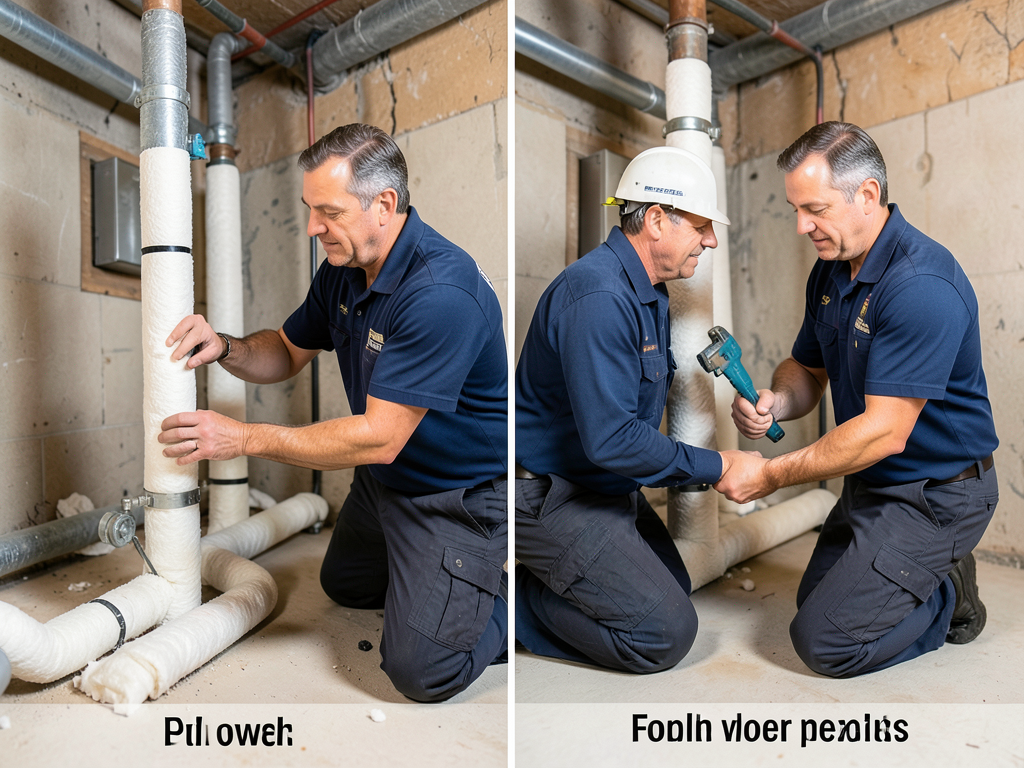
Why Your Murfreesboro Pipes Are Sweating and What It Means for Your Drywall
Your basement feels damp. You see water droplets on copper pipes. You wonder if you have a hidden leak. In Murfreesboro this is a common summer problem. Cold water pipes meet humid air and condensation forms. This is not a leak. It is a physics reaction called sweating. Left untreated it can ruin drywall and create mold problems. Who to Call When Your Pipes Burst in Nashville at 3 AM.
Why Murfreesboro Pipes Sweat More Than Other Cities
Murfreesboro sits in a humid subtropical climate zone. Summer dew points often reach the mid-60s to low-70s. When groundwater enters your home at 50-55 degrees and meets 75-degree air with high humidity the temperature difference causes moisture to condense on the pipe surface. This is the same process that creates morning dew on grass. How to Deal with Hard Water Issues in Your Mt Juliet Home.
The problem worsens in newer Murfreesboro homes built in areas like Blackman or Salem Creek. These neighborhoods often have unfinished basements with exposed plumbing. Builders sometimes skip pipe insulation to cut costs. The result is cold pipes running through warm humid spaces. Professional Plumbing Fixture Installation for Your Brentwood Remodel.
The Science Behind Pipe Condensation
Condensation happens when air temperature drops below the dew point. The dew point is the temperature at which water vapor turns to liquid. For example if your basement air is 75 degrees with 70 percent relative humidity the dew point is about 64 degrees. Any surface cooler than 64 degrees will collect moisture.
Water entering your home through municipal supply lines in Murfreesboro stays cold year-round. This cold water flows through copper or PEX pipes. When these pipes pass through your humid basement they become perfect condensation surfaces. The longer the pipe run and the colder the water the more moisture collects.
How Sweating Pipes Damage Your Drywall
Water dripping from cold pipes does not stay on the pipe. It falls onto floors and walls. Over weeks and months this moisture soaks into drywall paper facing. The paper becomes a food source for mold. Common Tennessee molds like Stachybotrys and Penicillium thrive in these conditions.
Once mold establishes in drywall you face expensive remediation. The EPA recommends removing and replacing mold-damaged drywall rather than cleaning it. This means cutting out sections of wall, disposing of contaminated material, and rebuilding. Costs range from $500 to $3,000 depending on damage extent.
Beyond mold the constant moisture weakens drywall structure. Paper facing delaminates from gypsum core. Walls become soft and crumbly. In severe cases entire wall sections need replacement. The moisture also attracts termites and carpenter ants which feed on damp wood behind walls.
Spotting the Difference Between Sweating and Leaking
Homeowners often mistake pipe sweating for leaks. Both show water droplets but the causes differ. Sweating pipes produce uniform moisture along the entire pipe length. Leaks create isolated wet spots or drips from specific points.
Test for sweating by drying a pipe section with a towel. If moisture returns evenly along the pipe it is sweating. If water appears from one spot you likely have a leak. Also check if moisture appears only during humid weather. Sweating correlates with outdoor humidity levels while leaks persist regardless of weather.
Another clue is pipe temperature. Sweating pipes feel cold to touch. Leaking pipes may feel warm if they carry hot water. You can also check your water meter. If it spins with all fixtures off you have a leak not condensation.
DIY Solutions for Pipe Sweating
Foam pipe insulation is your first defense. Polyethylene foam tubes slip over pipes and prevent humid air contact. In Murfreesboro hardware stores like Ace Hardware on Broad Street stock one-half inch wall thickness insulation suitable for most residential pipes. Measure your pipe diameter before buying. Standard residential copper pipes use three-quarter inch insulation.
Installation takes basic tools. You need a utility knife, measuring tape, and duct tape. Cut insulation to length allowing extra for bends. Split tubes lengthwise and snap over pipes. Seal all seams with duct tape to prevent humid air infiltration. Pay special attention to pipe joints and valves where insulation must be cut to fit.
- Measure Pipe Diameter
Use a tape measure to determine pipe outer diameter. Standard residential pipes are three-quarter inch or one inch.
- Purchase Correct Insulation Size
Buy foam insulation tubes matching your pipe diameter. One-half inch wall thickness works for most homes.
- Cut Insulation to Length
Measure pipe runs and cut insulation sections slightly longer than needed for overlap.
- Install Around Pipes
Split insulation lengthwise and snap over pipes. Use utility knife for clean cuts around bends.
- Seal All Seams
Wrap duct tape around all insulation joints and seams to block humid air.
- Check Coverage
Ensure no pipe surface remains exposed. Pay attention to valves and fittings.
Dehumidifiers help reduce basement humidity. A thirty-pint unit handles most Murfreesboro basements up to fifteen hundred square feet. Place it near the problem area and empty the collection bucket regularly or connect a drain hose. Run the dehumidifier during peak humidity months May through September.
Air circulation also matters. Keep basement vents open and use box fans to move air. Stagnant humid air increases condensation risk. If your HVAC system serves the basement ensure vents are open and unobstructed.
When to Call a Professional Plumber
DIY fixes work for simple condensation but some situations need expert help. Call a plumber if you see mold growth on walls or ceilings near pipes. This indicates moisture has penetrated building materials. Also call if you notice water stains spreading or if your basement feels consistently damp even with a dehumidifier running.
Professional plumbers can install whole-house dehumidification systems. These connect to your HVAC and maintain optimal humidity year-round. They cost more upfront but prevent ongoing damage. A plumber can also check for hidden leaks that might contribute to moisture problems.
Some homes need crawl space encapsulation. This involves sealing the crawl space with vapor barriers and installing dedicated dehumidifiers. Murfreesboro homes in flood-prone areas like near the West Fork Stones River often benefit from this approach. Encapsulation costs range from $3,000 to $8,000 but protects your entire home structure.
Preventing Future Pipe Sweating Problems
Prevention starts with understanding your home’s moisture sources. Check for plumbing leaks even small ones increase local humidity. Inspect your water heater for condensation on the tank exterior. A sweating water heater indicates high basement humidity. Plumbing Mount Juliet.
Consider pipe rerouting during renovations. Moving cold water lines away from exterior basement walls reduces exposure to humid air. This is especially important in older Murfreesboro homes in areas like historic downtown where basements stay cooler year-round.
Install humidity sensors in problem areas. These devices alert you when humidity exceeds safe levels typically seventy percent. Some smart home systems integrate with these sensors to automatically activate dehumidifiers.
Local Building Considerations for Murfreesboro Homes
Murfreesboro building codes do not mandate pipe insulation in residential basements. However the 2021 International Residential Code recommends insulating cold water pipes in unconditioned spaces. This is guidance not requirement. Many local builders skip this step to save costs.
Homes built before 2000 often have galvanized steel pipes which sweat more than modern materials. If you have an older home in areas like Maney Avenue historic district consider upgrading to PEX piping. PEX handles temperature changes better and resists condensation when properly insulated.
Soil conditions affect basement humidity. Murfreesboro sits on limestone bedrock with clay soil. This combination holds moisture and increases basement humidity. Homes built on slopes or near creeks face higher risks. The West Fork Stones River watershed affects many neighborhoods creating naturally humid conditions.
Cost Comparison: DIY vs Professional Solutions
| Solution | DIY Cost Range | Professional Cost Range | Effectiveness |
|---|---|---|---|
| Foam Pipe Insulation | $50-150 | $200-400 | Moderate |
| Portable Dehumidifier | 400-800 | Moderate | |
| Whole-House Dehumidifier | N/A | 1,500-3,000 | High |
| Crawl Space Encapsulation | N/A | 3,000-8,000 | Very High |
| Plumbing Inspection | N/A | 150-300 | Diagnostic |
Seasonal Maintenance Checklist for Murfreesboro Homeowners
- April: Inspect basement for early condensation signs. Test dehumidifier operation.
- May: Install or check pipe insulation. Clean dehumidifier filters.
- June-August: Monitor humidity levels weekly. Empty dehumidifier collection tanks.
- September: Deep clean dehumidifier. Check for mold growth on walls.
- October: Prepare for winter by ensuring insulation remains intact.
Health Risks Beyond Mold
Constant moisture creates more than mold problems. Dust mites thrive in humid environments. These microscopic creatures trigger allergies and asthma. High humidity also promotes bacterial growth on surfaces. Some bacteria produce odors and can cause respiratory irritation.
Termites and carpenter ants seek damp wood. Once they find moisture sources behind walls they establish colonies. Termite damage costs Tennessee homeowners millions annually. Early moisture detection prevents expensive structural repairs.
Energy Efficiency Connection
Pipe sweating indicates your home wastes energy. Cold water entering your home absorbs heat from surrounding air. This forces your air conditioner to work harder in summer. Proper pipe insulation reduces this heat transfer. You may see slight energy bill reductions after insulating pipes.
Dehumidifiers also use electricity but prevent larger energy waste. A damp basement feels cooler requiring more heating in winter. Maintaining proper humidity improves overall home comfort and reduces HVAC cycling.
Local Resources for Murfreesboro Homeowners
The City of Murfreesboro Water Resources Department offers free water efficiency consultations. They can check for hidden leaks that contribute to moisture problems. Contact them at (615) 848-3209 for appointments.
Local hardware stores provide materials and advice. Ace Hardware on Broad Street and Lowe’s on Old Fort Parkway stock pipe insulation and dehumidifiers. Staff can help you select appropriate sizes for your home.
Frequently Asked Questions
Why do my pipes only sweat during summer months?
Pipe sweating correlates with outdoor humidity. Summer brings higher dew points making condensation more likely. Winter air holds less moisture so even cold pipes rarely sweat. The temperature difference remains constant but the air’s moisture capacity changes seasonally.
Can pipe sweating cause electrical problems?
Yes. Water dripping onto electrical outlets or junction boxes creates shock hazards and fire risks. Always keep pipes away from electrical panels. If you notice water near electrical components call an electrician immediately.
How long does foam pipe insulation last?
Quality foam insulation lasts ten to fifteen years in typical conditions. UV exposure, physical damage, and extreme temperature cycles reduce lifespan. Check insulation annually and replace damaged sections promptly.
Take Action Before Damage Spreads
Pipe sweating seems minor but causes major damage over time. Mold remediation, drywall replacement, and pest control cost thousands. Simple prevention costs hundreds. If you notice condensation on pipes check your basement humidity. Install insulation if needed. Run a dehumidifier during humid months.
For persistent problems or if you suspect leaks call Ironwood Plumbing at (615) 413-8833. Our Nashville plumbers serve Murfreesboro and surrounding areas. We provide free inspections to identify moisture sources and recommend cost-effective solutions. Do not wait until mold spreads or drywall crumbles. Early intervention saves money and protects your home. Plumbing Springfield.
Ironwood Plumbing – Serving Nashville, Murfreesboro, and Middle Tennessee with expert plumbing solutions since 2010. Licensed and insured. Emergency service available.
EPA Mold Guide | CDC Mold Information | Energy Department Humidity Control