
Why Your Historic Hillsboro Village Home Has a Strange Sewer Smell
That foul odor wafting through your Hillsboro Village bungalow isn’t just unpleasant—it’s your home’s plumbing system crying for help. The charming historic character of these early 20th-century homes comes with aging infrastructure that creates unique sewer smell problems you won’t find in newer Nashville developments. Professional Plumbing Fixture Installation for Your Brentwood Remodel.
Many Hillsboro Village homeowners notice this issue worsens during seasonal changes when temperature fluctuations affect underground pipes. The combination of Nashville’s high humidity, clay soil expansion, and the original plumbing materials used in these historic homes creates a perfect storm for sewer gas infiltration. Who to Call When Your Pipes Burst in Nashville at 3 AM.
Immediate Safety Check: Is it Sewer Gas or a Natural Gas Leak?
Before investigating further, you need to rule out a potentially life-threatening situation. Sewer gas contains hydrogen sulfide and methane—both dangerous in high concentrations. But natural gas leaks pose an even more immediate explosion risk.
If you smell a rotten egg odor throughout your entire home rather than concentrated near drains, leave immediately. Natural gas has a similar smell because utility companies add mercaptan for detection. Call 911 and your gas company from outside your home.
For localized drain odors, open windows for ventilation while you investigate. Sewer gas symptoms include headaches, dizziness, and nausea—if you experience these, evacuate and call a plumber immediately.
5 Common Reasons Your Home Smells Like Sewage
1. Dried Out P-Traps (The Most Common Culprit)
P-traps are the U-shaped pipes under your sinks, tubs, and floor drains that hold water to block sewer gases. In Hillsboro Village’s older homes, floor drains in basements and laundry rooms often go unused for months. How to Deal with Hard Water Issues in Your Mt Juliet Home.
When the water in these traps evaporates—which happens faster in Nashville’s dry winter heating season or during summer AC use—sewer gases escape freely. Simply pouring a gallon of water down each drain restores the barrier.
Consider this: a floor drain in a rarely-used basement laundry room can evaporate completely in just 2-3 weeks during Nashville’s peak summer months.
2. Faulty or Loose Toilet Wax Rings
The wax ring seal between your toilet and the floor flange deteriorates over time. In Hillsboro Village’s historic homes, original wax rings from the 1920s-1940s may still be in place, crumbling and failing.. Read more about Why Your Green Hills Master Bath Is Taking Forever to Drain.
Every time you flush, a compromised wax ring allows sewer gas to seep into your bathroom. You might notice the smell intensifies after flushing or when the toilet is jostled.
Replacing a wax ring costs significantly less than dealing with water damage from a failing seal. The process involves removing the toilet, scraping off the old wax, and installing a new ring—a straightforward repair for experienced plumbers. EPA information on sewer gas health risks.
3. Clogged or Cracked Vent Stacks
Plumbing vent stacks run vertically through your walls to the roof, allowing sewer gases to escape safely outdoors. In Nashville’s older neighborhoods, these vent pipes can become blocked by bird nests, leaves, or even small animals. Plumbing Mount Juliet.
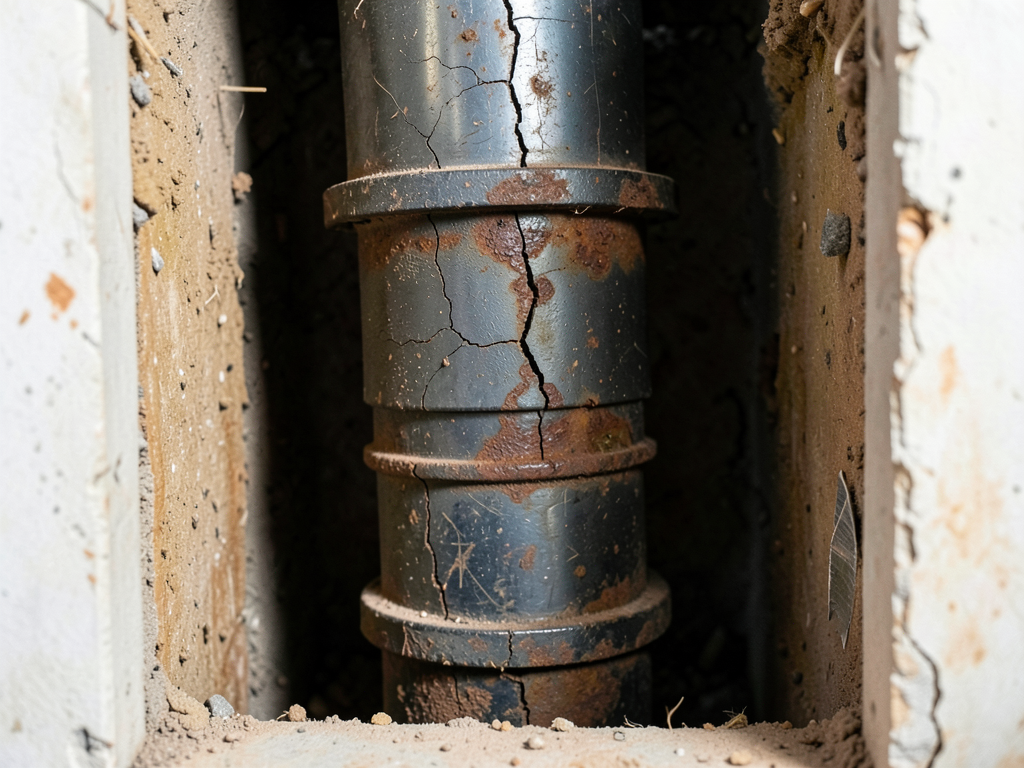
More concerning are cracked vent stacks hidden inside walls. The original cast iron pipes in many Hillsboro Village homes corrode from the inside out over 80-100 years, creating tiny cracks that release gas into wall cavities.
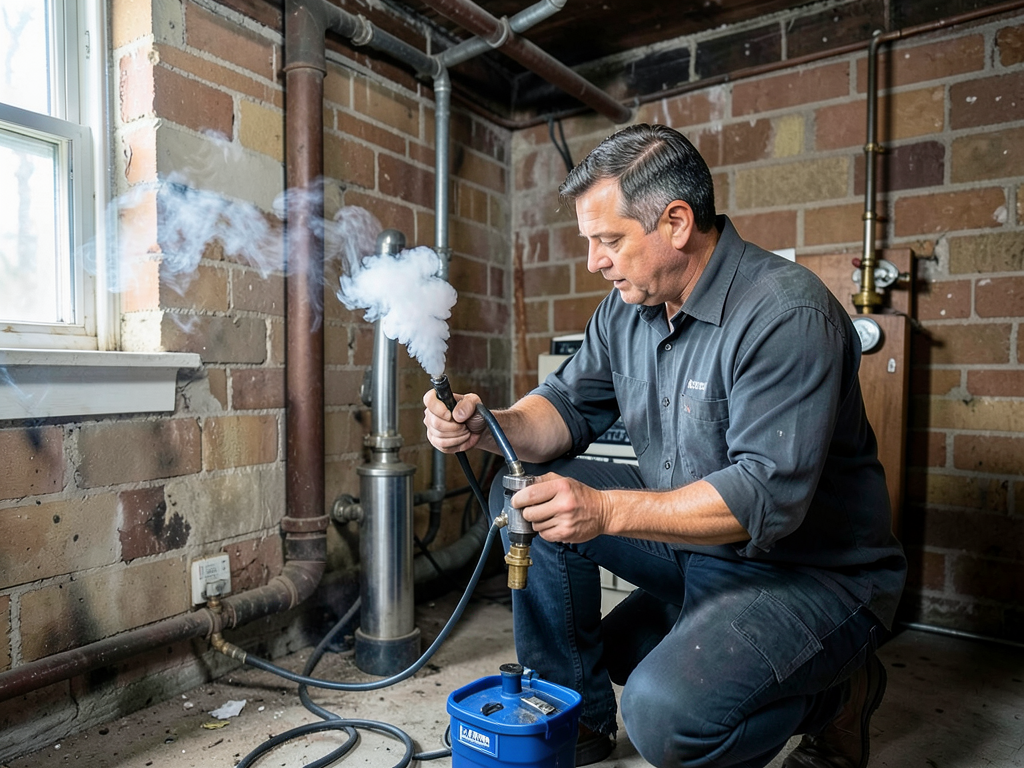
A plumber can diagnose vent issues using smoke testing—pumping non-toxic smoke through your plumbing system to reveal exactly where gases escape.
4. Bacterial Growth in Water Heaters or Drains
Not all foul odors come from sewer lines. Sulfate-reducing bacteria can thrive in water heaters set below 140°F, producing a rotten egg smell similar to sewer gas.
This is especially common in Nashville’s hard water areas where mineral deposits create ideal bacterial breeding grounds. The smell often appears strongest when first running hot water in the morning.. Read more about Getting Rid of the Strong Chlorine Smell in Your Metro Nashville Tap Water.
Drains themselves can harbor biofilm—a slimy bacterial buildup that produces unpleasant odors. This occurs more frequently in Nashville’s humid climate where moisture promotes bacterial growth.
5. Cracked Sewer Lines and Nashville Soil Shifts
Perhaps the most serious cause involves broken sewer pipes beneath your home or yard. Nashville’s clay soil expands when wet and contracts during dry spells, putting tremendous pressure on underground pipes.
Many Hillsboro Village homes still have original clay or cast iron sewer lines. These materials become brittle over decades and crack under soil movement. Tree roots from the neighborhood’s mature canopy can infiltrate these cracks, causing blockages and breaks.
Signs of a broken sewer line include multiple drain clogs, gurgling toilets, and sewage backing up into lower drains during heavy water use.
Nashville Specifics: Why Music City Homes Face Unique Drainage Issues
Hillsboro Village sits on Nashville’s limestone shelf, where shallow bedrock creates drainage challenges absent in newer suburbs. The combination of limestone, clay soil, and mature tree roots creates a plumbing nightmare unique to central Nashville neighborhoods.
During Nashville’s rainy springs, the soil expands rapidly, shifting pipes that have stood for nearly a century. When summer droughts hit, the soil contracts, creating gaps that allow pipes to settle and crack further.
Many Hillsboro Village homes were built before modern plumbing codes required proper venting or backflow prevention. This means your charming 1920s craftsman could have plumbing deficiencies that would fail today’s inspections. Understanding Backflow Testing.
The neighborhood’s mature trees, while beautiful, contribute to plumbing problems. Oak and maple roots seek moisture and can penetrate clay sewer pipes through the smallest joints, creating blockages that trap waste and release gases.
DIY vs. Professional Inspection: When to Call a Plumber
You can handle some sewer smell issues yourself. Pour water down unused drains, clean your garbage disposal with ice and citrus peels, and check toilet stability for loose wax rings.
However, certain situations demand professional help immediately. If you smell gas throughout your home, notice sewage backing up into tubs or showers, or hear gurgling from multiple drains simultaneously, call a plumber right away.
Professional plumbers use specialized equipment to diagnose hidden problems. Video camera inspections allow them to see inside your sewer lines without excavation. Smoke testing reveals vent leaks. Pressure testing identifies where gases escape.
The cost of professional diagnosis ranges from $200-500, but it prevents the much higher expense of emergency repairs or property damage from undetected sewer problems.
Our Process: How We Trace Sewer Odors in Davidson County
When Ironwood Plumbing investigates sewer smells in Hillsboro Village homes, we follow a systematic approach developed through years of working in Nashville’s unique conditions.
First, we conduct a visual inspection of all accessible plumbing, checking for loose toilets, dry traps, and obvious vent issues. We test each drain’s trap seal and examine water heater temperature settings.
Next, we perform smoke testing if initial inspection doesn’t reveal the source. This involves blocking all drains, then pumping non-toxic smoke through the system. Where smoke escapes indicates exactly where sewer gases enter your living space.
For persistent problems, we recommend video camera inspection of your main sewer line. This technology lets us see tree root intrusions, pipe cracks, and blockages deep underground without digging up your yard.
Finally, we provide a detailed report with findings and recommendations. Many Hillsboro Village homeowners appreciate understanding the full scope of their plumbing system’s condition, not just the immediate odor problem.. Read more about Why Your Dishwasher Leaves Standing Water in the Bottom (And How to Fix It in Nipper’s Corner).
- Check All Floor Drains
Pour a quart of water down each floor drain, basement drain, and rarely-used sink. If the smell disappears within 24 hours, you’ve solved the problem.
- Inspect Toilet Stability
Gently rock each toilet. If it moves at all, the wax ring may be failing. Also check for water around the base after flushing.
- Examine Vent Stacks
Using binoculars, check your roof vent stacks for visible damage or blockage. Never climb on your roof—this is dangerous and could damage old shingles.
- Test Water Heater
Smell hot water from a tap. If it has a rotten egg odor, bacteria in your water heater may be the culprit. Try raising the temperature to 140°F for 6 hours.
When Sewer Smells Signal Bigger Problems
Persistent sewer odors often indicate systemic plumbing issues that could lead to costly damage. In Hillsboro Village’s historic homes, what starts as a minor smell can signal foundation problems, mold growth, or even structural damage.
Sewer gas exposure poses health risks beyond unpleasant odors. Hydrogen sulfide at high concentrations can cause eye irritation, respiratory issues, and in extreme cases, loss of consciousness. Methane, while odorless, creates explosion hazards in enclosed spaces.
Insurance companies often deny claims for water damage resulting from neglected plumbing maintenance. A $300 drain cleaning could prevent a $15,000 basement flood claim denial.
Older homes in Nashville’s core neighborhoods face accelerated plumbing deterioration due to the region’s soil conditions and climate. What might be a 50-year lifespan for modern plumbing materials becomes 25-30 years in Middle Tennessee’s challenging environment.
Prevention Strategies for Hillsboro Village Homeowners
Regular maintenance prevents most sewer smell issues. Pour water down unused drains monthly, especially before leaving for extended vacations. Install drain caps on floor drains that see minimal use.
Consider having your main sewer line inspected every 3-5 years if your home is over 50 years old. This proactive approach catches problems before they cause damage or create health hazards.
During Nashville’s rainy season, monitor your basement for any signs of water intrusion or unusual odors. Changes in soil moisture content can affect underground plumbing in ways that aren’t immediately obvious.
If you’re planning renovations in your historic Hillsboro Village home, include a plumbing assessment. Opening walls for other projects provides perfect opportunities to inspect and upgrade aging pipes.
Remember that your home’s plumbing system works as an integrated whole. Fixing one issue often reveals others, which is why comprehensive inspections provide better long-term value than spot repairs.
Frequently Asked Questions
Is it safe to stay in my house if I smell sewer gas?
Minor, localized sewer smells from dry traps aren’t immediately dangerous, but you should ventilate the area and address the issue promptly. Strong, pervasive odors or symptoms like headaches and dizziness require immediate evacuation and professional help.
How much does it cost to fix a broken sewer line in Nashville?
Repair costs vary widely based on the problem’s location and severity. Simple drain cleaning might cost $150-300, while main sewer line replacement can range from $3,000-10,000. Hillsboro Village’s historic properties sometimes require specialized approaches that affect pricing.
Can I use chemical drain cleaners for sewer smells?
Chemical cleaners often mask rather than solve the underlying problem and can damage older pipes. They’re particularly harmful to the cast iron and clay pipes common in Hillsboro Village’s historic homes. Mechanical cleaning or professional inspection provides better results.
How often should I have my plumbing inspected?
For homes over 30 years old, annual inspections of visible plumbing components are wise. Main sewer line inspections every 3-5 years prevent emergencies. If you notice changes in water pressure, unusual sounds, or new odors, schedule an inspection immediately.
Will my homeowners insurance cover sewer line repairs?
Standard policies typically don’t cover sewer line repairs due to deterioration or wear. Coverage might apply if damage results from a covered peril like a fallen tree. Check your specific policy and consider adding sewer line coverage if available.
Don’t Let Sewer Smells Ruin Your Historic Home’s Charm
That strange odor in your Hillsboro Village home isn’t just an inconvenience—it’s a warning sign that your plumbing system needs attention. Whether it’s a simple dry trap or a more serious vent stack issue, addressing the problem now prevents costly damage later.
Ironwood Plumbing understands the unique challenges of maintaining historic Nashville homes. Our technicians know how to work with original plumbing materials while bringing modern solutions to century-old problems.
Stop wondering what that smell means. Call Ironwood Plumbing at (615) 413-8833 for a comprehensive inspection. We’ll identify the source, explain your options clearly, and restore your home’s comfort without compromising its historic character.
Don’t wait until a minor odor becomes a major emergency. Your Hillsboro Village home deserves plumbing that works as beautifully as its architecture. Let’s solve that sewer smell today. For more information, visit CDC hydrogen sulfide safety guidelines.