
Why Your Hendersonville Sump Pump Is Making So Much Noise
Your sump pump should work quietly in the background keeping your Hendersonville basement dry. When it starts making unusual sounds, something needs attention. Different noises tell different stories about what’s happening inside your pump system.
Common Sump Pump Noises and What They Mean
Understanding the specific sound helps you figure out the problem faster. Here are the most common noises homeowners hear and what they usually indicate.
Thumping or Banging Sounds
A loud thump when your pump shuts off usually means the check valve is slamming closed. This happens when water in the discharge pipe suddenly stops flowing and creates a pressure wave that makes the valve bang against its seat. The noise can echo through your plumbing and sound much louder than it actually is. Professional Plumbing Fixture Installation for Your Brentwood Remodel.
Humming or Buzzing Noises
A constant low hum is normal for running pumps. But if the humming gets louder or changes pitch, your motor might be struggling. This could mean the bearings are wearing out or the impeller is jammed with debris. A failing motor often hums louder before it stops working completely.
Gurgling or Bubbling Sounds
Gurgling usually means air is trapped somewhere in the system. This happens when the pump tries to move water but encounters air pockets instead. It might also indicate your pump is running dry because the water level in the basin is too low. How to Deal with Hard Water Issues in Your Mt Juliet Home.
Grinding or Scraping Noises
Grinding sounds are serious warning signs. They usually mean the impeller is hitting something inside the pump or the motor bearings have failed. If you hear grinding, your pump needs immediate attention before it stops working entirely.
Clanging or Rattling Noises
Clanging often comes from loose pipes or unsecured discharge lines that vibrate when the pump runs. The discharge pipe might be hitting the sump pit wall or other basement structures. Rattling can also mean parts inside the pump have come loose. Who to Call When Your Pipes Burst in Nashville at 3 AM.
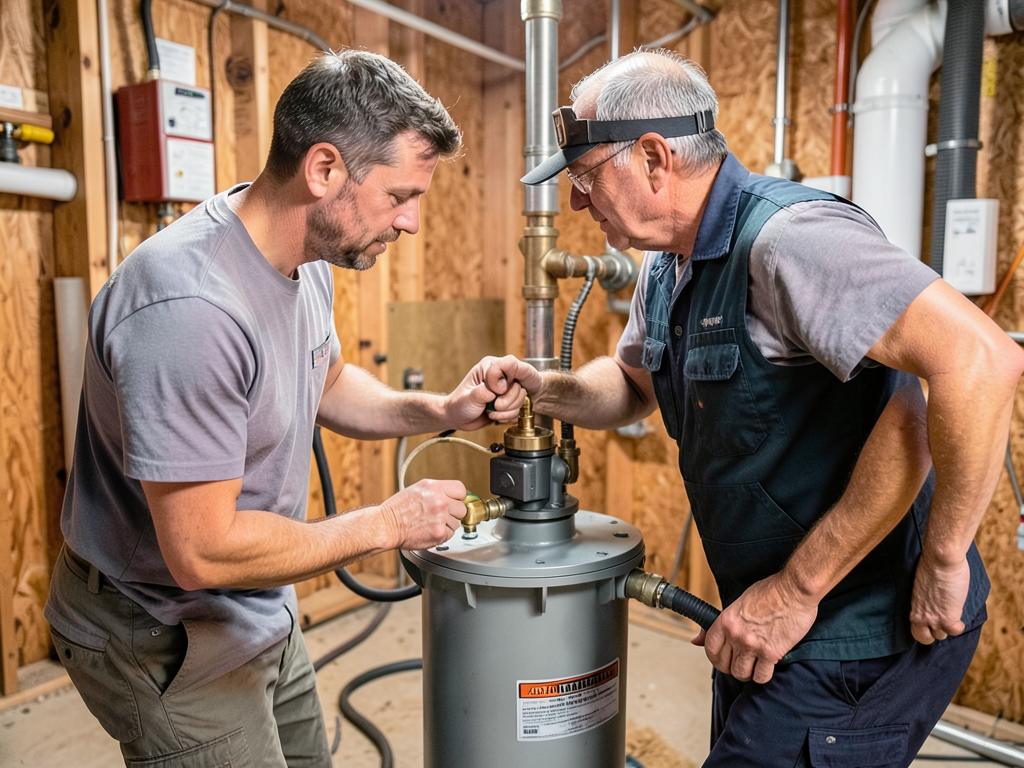
Why Sump Pumps Make More Noise in Middle Tennessee
Hendersonville and surrounding areas face unique challenges that can make sump pump noise more noticeable. The region’s heavy clay soil doesn’t drain well, so water collects in basements and crawl spaces more often than in sandy areas. This means pumps run more frequently and for longer periods.
Middle Tennessee’s weather patterns also contribute to the problem. Spring brings heavy rainfall that can overwhelm drainage systems. When pumps run constantly during wet seasons, any existing noise issues become much more noticeable. The freeze-thaw cycles we experience can also cause pipes to shift and create new rattling points.
Many older homes in Hendersonville have sump pits that weren’t designed with noise reduction in mind. The concrete or metal pits can amplify sounds, making a normally quiet pump seem much louder than it should be.
Step-by-Step Troubleshooting for Noisy Sump Pumps
Before calling a plumber, you can check several things yourself. Always unplug the pump before putting your hands in the sump pit for safety.
- Identify the Noise Type
Listen carefully to determine if it’s thumping, humming, gurgling, grinding, or rattling. This helps narrow down the cause.
- Check the Check Valve
Listen for the loud thump when the pump shuts off. If you hear it, the check valve might need replacement with a silent or spring-loaded model.
- Inspect for Debris
Remove the sump pit lid and look for dirt, gravel, or other debris that might be interfering with the impeller. Small stones can cause grinding noises.
- Examine Pipe Connections
Check that all discharge pipes are securely fastened and not touching the pit walls or other structures. Use rubber grommets or foam insulation to isolate vibrations.
- Test the Float Switch
Make sure the float moves freely and isn’t getting stuck. A stuck float can cause the pump to run dry and make unusual noises. Getting Your Franklin TN Water Heater Replaced Without the Stress.
- Listen to the Motor
If the pump is running but water isn’t moving well, the motor might be failing. A failing motor often makes louder humming sounds.
When to Call a Nashville Plumber for Sump Pump Repair
Some sump pump problems need professional attention right away. Here’s when you should call Ironwood Plumbing instead of trying DIY fixes. Plumbing Mount Juliet.
Call immediately if you hear grinding or scraping sounds. These usually mean internal pump damage that will get worse quickly. A failing pump can flood your basement within hours of complete failure.
Call if your pump runs constantly but doesn’t seem to be moving water. This could indicate a burned-out motor or severe impeller damage. The pump might be working hard but accomplishing nothing.
Call if you notice water backing up in your basement or crawl space. Any sign of flooding means your pump isn’t working correctly and needs immediate professional repair.
Call if you smell burning or see smoke coming from the pump area. Electrical problems with sump pumps can be dangerous and require immediate professional attention.
Call if your pump is more than 7-10 years old and making unusual noises. Older pumps often develop multiple problems at once, and replacement might be more cost-effective than repair.
Common Causes of Sump Pump Noise in Hendersonville Homes
Understanding what causes these noises helps you prevent them. Here are the most frequent issues we see in Middle Tennessee homes.
Check Valve Problems
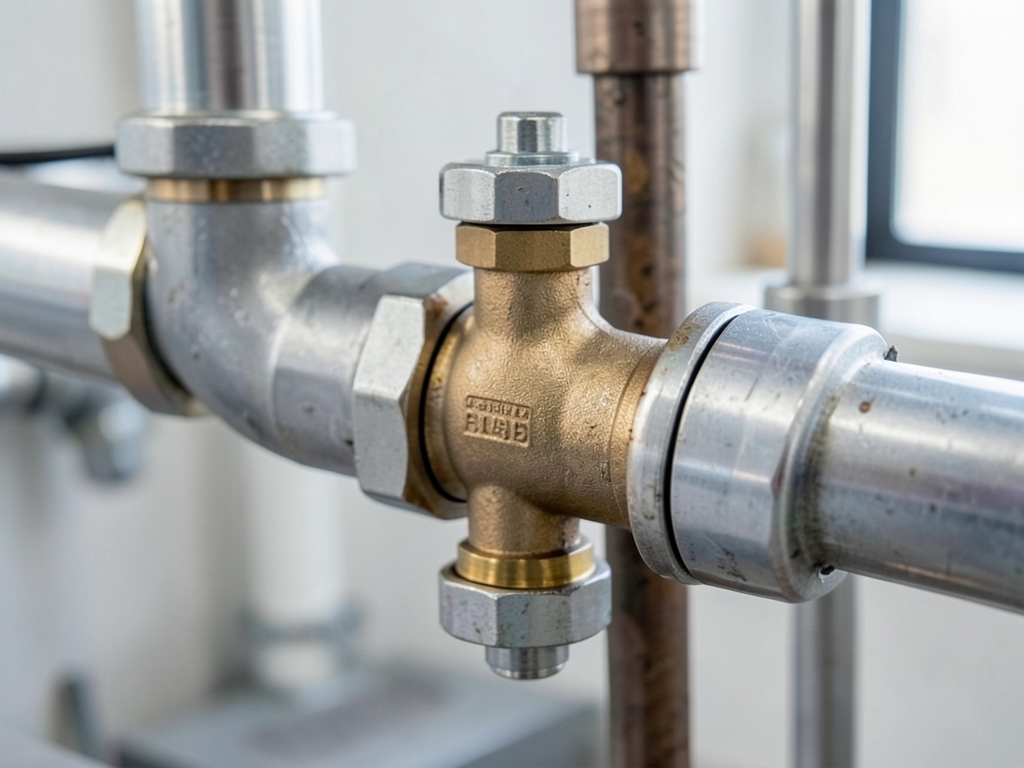
The check valve prevents water from flowing back into the sump pit after the pump shuts off. Standard check valves create a loud thump when they close. This happens because water in the discharge pipe suddenly stops moving and creates a pressure wave.
Solution: Install a silent or spring-loaded check valve. These close more gradually and eliminate the thumping sound. They cost a bit more but make a huge difference in noise reduction.
Debris in the Pump
Clay soil, leaves, and small stones can enter your sump pit and get caught in the impeller. When this happens, the impeller can’t spin freely and makes grinding or rattling sounds.
Solution: Clean your sump pit regularly and consider installing a pump with a debris filter or screen. Some modern pumps have built-in protection against small debris.
Loose Discharge Pipes
Discharge pipes that aren’t properly secured vibrate against the pit walls or other basement structures when the pump runs. This creates rattling and clanging sounds that can be surprisingly loud.
Solution: Use rubber grommets, foam insulation, or vibration isolation mounts to secure pipes. Make sure pipes have some flexibility to expand and contract with temperature changes.
Motor Bearing Failure
Like any electric motor, sump pump motors have bearings that wear out over time. When bearings start failing, they make louder humming or grinding sounds and the motor works less efficiently.
Solution: Motor bearing failure usually means it’s time to replace the entire pump. Modern pumps are much more efficient and quieter than older models.
Improper Installation
Many noise problems come from installation mistakes. Missing weep holes, incorrect pipe sizing, or poor electrical connections can all cause unusual sounds.
Solution: Have a professional plumber inspect your installation. They can identify and fix common mistakes that cause noise problems.
Preventing Future Sump Pump Noise Problems
Regular maintenance prevents most noise issues before they start. Here’s how to keep your sump pump running quietly.
Monthly Maintenance Tasks
Check your sump pump every month by pouring a bucket of water into the pit. Make sure the pump turns on automatically and pumps water out quickly. Listen for any new or changing sounds.
Clean the sump pit by removing any visible debris. Even small amounts of dirt can cause problems over time. Check that the float switch moves freely without catching on anything.
Seasonal Considerations for Middle Tennessee
Spring is the most important time for sump pump maintenance in Hendersonville. Heavy rains can overwhelm poorly maintained pumps. Before the rainy season starts, test your pump thoroughly and consider having a professional inspection.
Fall is also important because leaves and debris can clog drainage systems. Clean your gutters and downspouts to reduce the amount of water entering your sump pit.
Upgrade Options for Quieter Operation
If your pump is several years old, upgrading to a newer model might solve noise problems permanently. Modern submersible pumps are much quieter than older pedestal models. They also tend to be more reliable and efficient.
Consider these upgrade options if noise is a major concern:
- Submersible pumps instead of pedestal models
- Silent check valves to eliminate thumping
- Proper vibration isolation mounts
- Insulated discharge pipes to reduce sound transmission
Comparing Sump Pump Types and Noise Levels
Different sump pump types produce different noise levels. Here’s how they compare.
| Pump Type | Typical Noise Level (dB) | Best For | Noise Characteristics |
|---|---|---|---|
| Pedestal Pump | 60-70 | Budget installations | Loud motor noise, visible operation |
| Standard Submersible | 50-60 | Most homes | Quieter operation, motor submerged |
| High-Efficiency Submersible | 45-55 | Noise-sensitive areas | Very quiet, variable speed motors |
| Smart Pump with Monitoring | 40-50 | Tech-savvy homeowners | Quietest, diagnostic features |
Noise levels are measured in decibels, where every 10 dB increase represents a doubling of perceived loudness. A 60 dB pump sounds twice as loud as a 50 dB pump to the human ear.
Local Nashville Building Considerations
Hendersonville homes often have specific characteristics that affect sump pump performance. Many homes built in the 1980s and 1990s used standard pedestal pumps that are much louder than modern options.
The area’s high water table means pumps often run more frequently than in other regions. This increased usage can cause wear patterns that create unique noise issues. Homes near the Cumberland River or other waterways may experience more frequent pump cycling.
Local building codes in Davidson County require proper sump pump installation with appropriate discharge routing. Many noise problems occur when previous homeowners or handymen installed pumps without following these guidelines.
Emergency Sump Pump Situations
Some sump pump noises indicate immediate danger. Here’s what to do in emergency situations.
If you hear loud grinding or smell burning: Turn off the pump immediately at the circuit breaker. Don’t touch the pump if it feels hot. Call Ironwood Plumbing at (615) 413-8833 for emergency service.
If water is backing up into your basement: Unplug the pump for safety, then try to remove valuable items from the affected area. Use towels or a wet vacuum to control the water spread while you wait for professional help.
If your pump runs constantly but doesn’t pump water: This indicates a serious failure that could lead to flooding. Turn off the pump and call for emergency service immediately.
Ironwood Plumbing offers 24/7 emergency sump pump repair throughout Hendersonville and the greater Nashville area. We understand that basement flooding doesn’t wait for business hours. EPA WaterSense indoor water use.
Frequently Asked Questions
Why does my sump pump make a loud thump when it shuts off?
The thump comes from the check valve slamming closed as water stops flowing through the discharge pipe. Installing a silent or spring-loaded check valve eliminates this noise.
How often should I replace my sump pump?
Most sump pumps last 7-10 years with proper maintenance. If your pump is making unusual noises and is over 7 years old, replacement is often more cost-effective than repair.
Can I install a quieter sump pump myself?
While DIY installation is possible, professional installation ensures proper sizing, electrical connections, and compliance with local building codes. Incorrect installation can cause more problems than it solves.
What’s the best way to reduce sump pump noise in my finished basement?
Install a high-efficiency submersible pump with a silent check valve, use vibration isolation mounts for all pipes, and consider adding sound insulation around the sump pit area.
How much does it cost to replace a noisy sump pump?
Replacement costs vary based on pump type and installation complexity. Basic replacements start around $400-600, while premium installations with noise reduction features can cost $800-1,200 or more.
Protect Your Hendersonville Home from Basement Flooding
Unusual sump pump noises are your home’s way of telling you something needs attention. Whether it’s a simple fix like replacing a check valve or a more complex issue requiring professional repair, addressing these sounds early prevents bigger problems later.
Ironwood Plumbing has served the Nashville area for years, helping homeowners in Hendersonville, Mount Juliet, and surrounding communities keep their basements dry and their sump pumps running quietly. Our experienced technicians can diagnose any sump pump noise and recommend the right solution for your specific situation.
Don’t wait until your pump fails completely and floods your basement. If your sump pump is making unusual noises, call Ironwood Plumbing today at (615) 413-8833 for a professional inspection. We offer same-day service throughout the Nashville metro area and can help you choose the right pump for your home’s needs.
Remember, a quiet sump pump is a happy sump pump. Let us help you restore peace and quiet to your basement while protecting your home from water damage.
Call Ironwood Plumbing now at (615) 413-8833 for expert sump pump service in Hendersonville and all of Middle Tennessee. For more information, visit FEMA National Flood Insurance Program.