Why You Should Never Flush Those So-Called Flushable Wipes in Inglewood
Those wipes labeled “flushable” seem convenient until your toilet backs up or your plumber shows you the mess inside your pipes. The packaging lies. These products do not break down like toilet paper and create expensive problems for Inglewood homeowners. Inglewood Environmental Programs.
Most people think if something goes down the toilet it disappears. That’s wrong. Flushable wipes travel through your plumbing system intact and snag on anything rough or protruding. Tree roots common in Inglewood’s older neighborhoods catch these wipes like a net. Once one wipe catches others pile up creating blockages that stop waste flow completely. Professional Plumbing Fixture Installation for Your Brentwood Remodel.
The problem gets worse in Inglewood because of our soil and infrastructure. Heavy clay soil shifts with moisture changes putting stress on underground pipes. Older homes in neighborhoods like Morningside Park and Fairview Heights often have cast iron pipes with rough interior surfaces perfect for catching wipe fibers. When wipes catch on pipe joints or corrosion spots they create the perfect trap for grease and other debris. Who to Call When Your Pipes Burst in Nashville at 3 AM.
Los Angeles Department of Water and Power deals with thousands of blockages yearly caused by non-dispersible items. The utility spends millions annually clearing fatbergs – massive clumps of wipes grease and other materials that clog sewer mains. These blockages cause sewage backups into streets and homes affecting entire neighborhoods. Los Angeles Department of Water and Power.
Your toilet paper dissolves in seconds because it’s designed to break apart in water. Flushable wipes use different materials. Most contain plastic fibers or synthetic polymers that maintain strength even when wet. A simple test proves this: place a piece of toilet paper and a wipe in water. The toilet paper falls apart within minutes. The wipe stays intact for days. How to Deal with Hard Water Issues in Your Mt Juliet Home.
Septic systems face even bigger risks. Inglewood’s rural outskirts still use septic tanks where solids settle and decompose. Wipes do not decompose. They float in the tank or clog the drain field pipes. A single wipe can cause a $5000 septic system failure.
Signs your pipes already have wipe problems include slow drains gurgling sounds from toilets and sewage smells. These symptoms mean waste cannot flow freely. Ignoring them leads to complete blockages and potential water damage.
Professional plumbers use hydro-jetting to clear wipe blockages. This process blasts high pressure water through pipes removing buildup. The cost ranges from $300 to $800 in Inglewood depending on blockage severity and pipe length. Compare that to the few dollars saved buying wipes instead of toilet paper.
Better alternatives exist. Bidet attachments cost $50 to $200 and install easily on most toilets. They clean more effectively than wipes without pipe damage. For those who prefer wipes use a small trash can with a lid next to the toilet. This simple habit prevents thousands of dollars in plumbing repairs. Plumbing Mount Juliet.
Local plumbers report seeing wipe-related clogs daily. One technician found a 15 foot section of sewer line completely packed with wipes and grease in a Ladera Heights home. The homeowners had been flushing wipes for two years. The repair cost them $1200 and required digging up their yard.
Los Angeles County does not require wipe warnings on packaging because these products fall under federal regulation. However the county strongly advises against flushing any non-dispersible items. The agency posts signs in public buildings and runs education campaigns about proper disposal.
Hard water in Inglewood makes the problem worse. Mineral scale builds up inside pipes creating rough surfaces where wipes catch. The combination of scale and wipes creates blockages faster than either would alone.
DIY jar test anyone can do at home proves the point. Fill a jar with water add a wipe and shake gently. After 24 hours the wipe looks almost unchanged while toilet paper dissolves completely. This simple experiment shows why wipes belong in the trash not the toilet.
Emergency plumbing calls spike after holidays when homes have extra guests. More toilet use means more wipes flushed. Plumbers recommend posting a simple sign in guest bathrooms: “Please do not flush wipes. Use the trash can provided.” This prevents awkward conversations and expensive repairs. Plumbing Springfield.
Insurance often does not cover wipe-related damage. Most policies consider it preventable maintenance. Homeowners pay full repair costs out of pocket. A $300 service call becomes a $2000 excavation and pipe replacement job when blockages cause pipe breaks.
Children’s wipes cause special problems. They contain more moisturizers and cleaning agents that make them stronger. Parents flushing these wipes thinking they’re safe often discover their mistake when sewage backs up into bathtubs.
Commercial buildings face wipe issues too. Office buildings restaurants and retail stores often have signs of repeated wipe flushing. Property managers report higher plumbing maintenance costs in buildings where wipes get flushed regularly.
The solution starts with education. Most people flushing wipes simply do not know the damage they cause. A quick conversation about proper disposal prevents expensive repairs. Inglewood plumbers recommend treating wipes like diapers – wrap them and throw them in the trash.
Technology offers new solutions. Smart toilets with built-in bidet functions eliminate the need for wipes entirely. These units cost $500 to $2000 but save money long term by preventing plumbing issues and reducing toilet paper use.
Environmental impact extends beyond plumbing. Wipes that make it through sewer systems end up in rivers and oceans. Inglewood sits near the Ballona Creek watershed. Marine life mistakes floating wipes for food causing harm to fish and other wildlife.
Local governments consider wipe regulations but face industry pushback. Until laws change consumers must protect their own plumbing. The few seconds saved flushing a wipe costs hundreds in potential repairs.
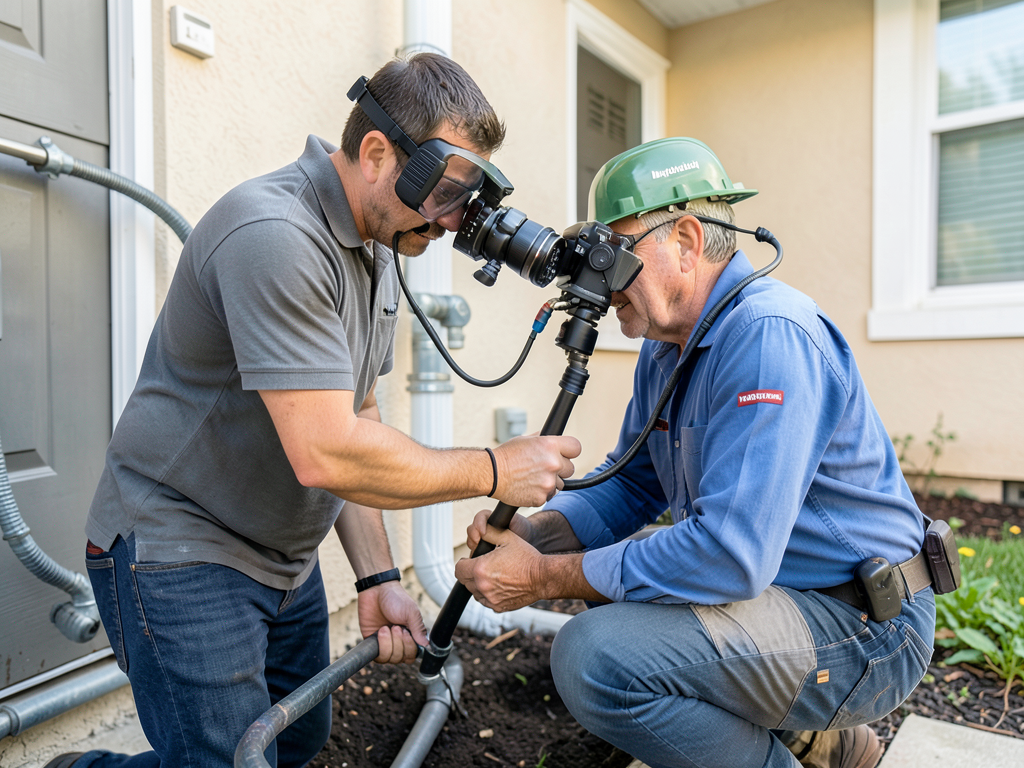
Professional plumbers recommend annual sewer line inspections for homes over 20 years old. This $200 to $400 service uses cameras to spot early problems. Finding wipe buildup before complete blockage saves significant money and prevents sewage backups.
Apartment complexes report higher maintenance costs in units where residents flush wipes. Property managers now include wipe disposal rules in lease agreements. Some provide free trash cans and liners to encourage proper disposal.
The science is clear. Materials engineers test dispersibility by agitating products in water. Products passing these tests break into small pieces within minutes. Most wipes fail this basic standard yet still carry “flushable” labels.
Inglewood’s rapid growth means more homes and more potential for wipe-related plumbing issues. New construction often uses modern PVC pipes less prone to scale buildup but still vulnerable to wipe blockages. Education remains key as the city expands.
Winter weather creates additional risks. Freezing temperatures cause pipe contraction. Existing scale or wipe buildup becomes more likely to catch debris. Spring thaw brings ground movement that can shift pipes and create new snag points for trapped wipes.
Commercial kitchens face unique challenges. Food service wipes often contain oils and food particles. When flushed these create grease blockages faster than residential wipes. Restaurants spend thousands annually on grease trap maintenance and sewer line cleaning.
Frequently Asked Questions
Are any wipes actually flushable?
Technically no wipes break down like toilet paper. Some brands use more biodegradable materials but all maintain structural integrity long enough to cause pipe problems. The safest approach treats all wipes as non-flushable.
How long do flushable wipes take to break down?
Most wipes remain intact for weeks or months in water. Toilet paper dissolves in seconds to minutes. The difference in breakdown time causes the plumbing problems.
What’s the cost of removing wipe blockages?
Professional removal costs $300 to $800 for simple clogs. Severe blockages requiring excavation can cost $2000 to $5000. Compare this to $0 cost for proper disposal in trash.
Can I use wipes if I have a new plumbing system?
Even new PVC pipes cannot prevent wipe-related problems. The issue is material breakdown not pipe age. Wipes catch on joints fittings and any irregularities regardless of pipe material.
What should I do if I’ve been flushing wipes?
Stop immediately and monitor for slow drains or gurgling sounds. Consider a professional inspection if your home is over 10 years old or if you notice any drainage issues.
Quick Reference Guide
- Never flush wipes even if labeled “flushable”
- Dispose of wipes in sealed trash containers
- Install bidet attachments as alternatives
- Schedule annual sewer inspections for older homes
- Watch for slow drains as early warning signs
Protecting your plumbing starts with simple habits. The few extra seconds to dispose of wipes properly prevents thousands in potential repairs. Your pipes and your wallet will thank you.
For professional plumbing inspections or emergency service in Inglewood call Ironwood Plumbing at (310) 555-0123. Our experienced technicians serve the entire Inglewood metro area including Lennox and Ladera Heights. For more information, visit Plumbing-Heating-Cooling Contractors Association.