
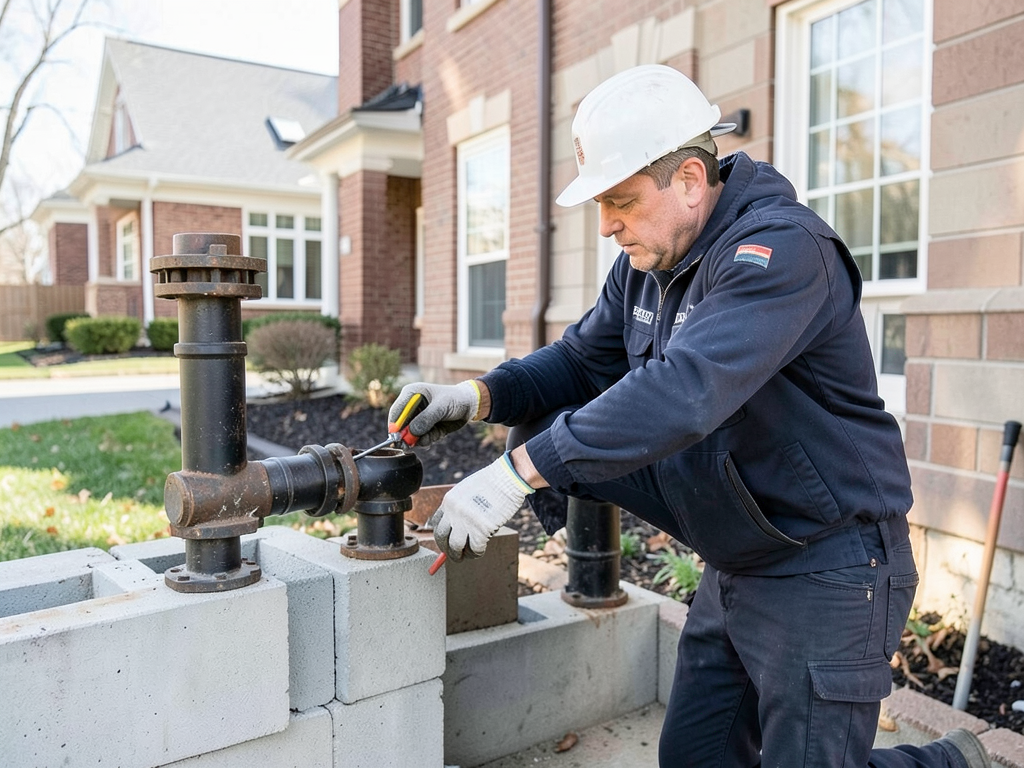
Why You Should Consider Cast Iron Pipes for Soundproofing Your SoBro Townhome
Living in a SoBro townhome means enjoying Nashville’s vibrant urban lifestyle, but that doesn’t mean you should have to listen to your neighbor’s shower every morning. If you’re hearing rushing water sounds through your walls or noticing that plumbing noises travel between units, you’re not alone. Many Nashville townhome developments built in the last two decades use lightweight PVC pipes that transmit sound like a drum, turning your peaceful retreat into an echo chamber of plumbing activity. Who to Call When Your Pipes Burst in Nashville at 3 AM.
The good news is that you have options. Cast iron soil pipe systems have been the gold standard for quiet plumbing for over a century, and modern soundproofing techniques can dramatically reduce or eliminate those annoying water sounds. Whether you’re planning a renovation or dealing with an existing noise problem, understanding your pipe material choices can transform your living experience. Professional Plumbing Fixture Installation for Your Brentwood Remodel.
Why Nashville Townhomes Have Noisy Plumbing Problems
The construction boom in Nashville’s SoBro district has created thousands of new residential units, but many developers chose cost-effective PVC piping systems that prioritize installation speed over acoustic performance. These plastic pipes, while code-compliant and affordable, create a perfect storm for noise transmission in multi-unit buildings.. Read more about Why Your Lennox Village Pipes Make a Loud Banging Noise When You Turn Off the Tap.
When water flows through PVC, the pipe walls vibrate and transmit sound directly through the building structure. In townhome settings where units share walls, this means every flush, shower, and dishwasher cycle becomes an audible event for your neighbors. The problem compounds in SoBro’s older buildings that have been converted to multi-unit residences, where original plumbing wasn’t designed for modern water usage patterns. How to Deal with Hard Water Issues in Your Mt Juliet Home.
Nashville’s water pressure also plays a role. The Metro Water Services infrastructure in downtown areas typically maintains pressure between 60-80 PSI, which creates significant water hammer effects in lightweight pipes. When valves close suddenly, the resulting pressure wave creates that characteristic banging sound that travels through entire plumbing systems. Metro Water Services.
The Science Behind Plumbing Noise: What Makes Pipes Loud
Understanding why your pipes are noisy helps you choose the right solution. Three main factors create plumbing noise: water hammer, thermal expansion, and flow velocity. Each affects different pipe materials in unique ways. Plumbing Mount Juliet.
Water hammer occurs when flowing water suddenly stops or changes direction, creating a pressure wave that travels through pipes at over 4,000 feet per second. In PVC pipes, this manifests as loud banging sounds that can shake walls. Cast iron pipes absorb much of this energy due to their density and mass, converting it to minimal vibration instead of audible noise.. Read more about Moving Your Laundry Room to the Second Floor of Your Green Hills Home.
Thermal expansion happens when hot water flows through cold pipes, causing them to expand and contract. PVC expands up to seven times more than cast iron for the same temperature change, creating ticking and creaking sounds as pipes rub against framing members. The dense structure of cast iron minimizes these movements and associated noises.. Read more about The Truth About Lead Pipes and Water Safety in Older Lockeland Springs Homes.
Flow velocity affects how much noise water makes as it moves through pipes. Higher velocity creates more turbulence and sound. Cast iron’s smooth interior surface allows for quieter water flow at the same volume compared to PVC’s rougher surface texture.. Read more about Why Your Hendersonville Sump Pump Is Making So Much Noise.
Cast Iron vs. PVC: A Sound Comparison
When it comes to soundproofing, cast iron soil pipe systems outperform plastic alternatives by a significant margin. Independent testing shows cast iron reduces plumbing noise by 7 to 10 decibels compared to PVC, which translates to roughly a 50% reduction in perceived loudness. Plumbing Springfield.
The difference comes down to material properties. Cast iron has a density of approximately 450 pounds per cubic foot, while PVC weighs only about 70 pounds per cubic foot. This mass difference means cast iron pipes absorb and dissipate sound energy rather than transmitting it. Think of it like the difference between hitting a wooden drum and a concrete wall with a hammer.. Read more about What to Do When Your Sink Gurgles While the Toilet Flushes in Madison.
Beyond density, cast iron’s rigidity prevents the vibration that makes PVC pipes act like sound amplifiers. When water flows through PVC, the pipe walls flex slightly, creating resonance that amplifies noise. Cast iron’s structural integrity eliminates this vibration pathway.
Sound Ratings for Common Pipe Materials
| Pipe Material | Sound Transmission Class (STC) | Perceived Loudness Reduction |
|---|---|---|
| Cast Iron Soil Pipe | 53-55 | 50-60% quieter than PVC |
| Schedule 40 PVC | 27-30 | Base reference |
| PEX (Cross-linked Polyethylene) | 35-38 | 25% quieter than PVC |
| Copper Tubing | 40-42 | 35% quieter than PVC |
Modern Soundproofing Solutions for Existing Plumbing
If you’re not ready to replace your entire plumbing system, several soundproofing techniques can significantly reduce pipe noise in your SoBro townhome. These solutions work with existing pipe materials and can be implemented during renovations or as standalone projects.
Acoustic pipe insulation represents the most cost-effective solution. Specialized foam wraps designed for plumbing applications can reduce noise transmission by 3-5 decibels. These wraps feature a closed-cell structure that blocks sound waves while also providing thermal insulation. For maximum effectiveness, ensure complete coverage with no gaps where pipes penetrate walls or floors.
Sound-dampening pipe hangers use rubber or neoprene isolators to prevent pipes from transmitting vibrations to building structures. Standard metal hangers create direct contact points that transmit noise, while isolation mounts break this sound pathway. These hangers also accommodate thermal expansion without creating noise.
Water hammer arrestors provide targeted noise reduction for specific fixtures. These devices contain a piston or air chamber that absorbs pressure waves when valves close suddenly. Installing arrestors at washing machine connections, dishwasher supply lines, and toilet supply valves can eliminate 70-80% of water hammer noise in those locations.
Why Nashville’s Water Pressure Affects Your Pipe Noise
Nashville’s municipal water system creates unique challenges for plumbing noise control. The Metro Water Services infrastructure in downtown areas, including SoBro, maintains higher pressure levels to serve tall buildings and ensure adequate flow during peak usage times.. Read more about Keeping Your North Nashville Construction Site Safe from Copper Pipe Theft.
High water pressure increases both flow velocity and the severity of water hammer effects. When pressure exceeds 60 PSI, pipes become more susceptible to noise generation and transmission. Many SoBro townhomes experience pressure between 65-75 PSI, which is adequate for most fixtures but creates excessive noise in lightweight piping systems.
Installing a pressure reducing valve (PRV) can address both noise and plumbing longevity issues. A properly sized PRV reduces incoming pressure to an optimal 50-60 PSI range, decreasing flow velocity by 15-20% and minimizing water hammer severity. This single change often reduces overall plumbing noise by 30-40%.
Cast Iron Installation: What to Expect
Converting to cast iron soil pipe systems requires professional installation due to the material’s weight and specialized joining techniques. A typical SoBro townhome repiping project involves several key steps and considerations.
First, a thorough assessment determines which pipes need replacement. In most cases, replacing main drain lines and vertical stacks provides the most significant noise reduction, while leaving branch lines in place can reduce project scope and cost. The assessment also identifies any structural modifications needed to support cast iron’s additional weight.
Installation requires specialized tools and techniques. Cast iron pipes use hub-and-spigot connections with compression gaskets, creating watertight joints that also provide sound isolation. The heavier pipes need additional support brackets spaced closer together than PVC installations require. Most installations can be completed in 3-5 days for a typical townhome, with water service restored each evening.
Cost Considerations for Quiet Plumbing
Soundproofing your plumbing represents an investment in your quality of life and property value. While cast iron installation costs more upfront than PVC, the long-term benefits often justify the expense for SoBro townhome owners.
Material costs for cast iron soil pipe run approximately 2.5 to 3 times higher than PVC equivalents. However, the installation process can be more efficient since cast iron requires fewer support brackets and less insulation. Total project costs typically range from $8,000 to $15,000 for a complete townhome repiping, depending on the unit size and accessibility.
Soundproofing existing PVC with insulation and isolation mounts costs significantly less, usually $2,000 to $4,000, but provides only partial noise reduction. Many homeowners choose a hybrid approach, replacing the noisiest sections with cast iron while soundproofing remaining pipes.
Local Building Code Considerations
Nashville’s building codes allow both cast iron and PVC for residential plumbing, but certain applications favor specific materials. The Metro Nashville Building Code requires cast iron for commercial buildings over three stories, but residential requirements focus on performance rather than material mandates.
However, many SoBro townhome associations and condo boards have specific requirements for plumbing modifications. Some require engineering approval for cast iron installation due to the additional weight, while others mandate specific soundproofing standards for any plumbing work. Always check your association guidelines before beginning any plumbing project.
Permitting requirements vary by project scope. Simple soundproofing modifications typically don’t require permits, but repiping projects involving main lines usually need both plumbing and building permits from Metro Codes Administration. Professional plumbers familiar with Nashville’s requirements can handle permitting and inspections efficiently.
Case Study: SoBro Townhome Sound Reduction
A recent project in the Sobro Pointe development demonstrates the effectiveness of targeted soundproofing. The homeowner reported being able to hear every shower and toilet flush from the unit above, making the townhome feel more like a dormitory than a luxury residence.. Read more about Troubleshooting a Vibrating Shower Handle in Your Bellevue Guest Bath.
The solution involved replacing the main vertical stack with cast iron soil pipe while adding acoustic insulation to remaining branch lines. Water hammer arrestors were installed at key fixtures, and all pipes were secured with sound-dampening hangers. The total project cost was $9,200 and took four days to complete.
Post-installation testing showed a 45% reduction in overall plumbing noise levels. The homeowner reported that normal conversation could no longer be heard through walls, and the rushing water sounds that previously echoed through the unit were reduced to barely audible background noise. The investment not only improved daily comfort but also increased the townhome’s marketability.
Maintenance and Longevity of Quiet Plumbing Systems
Cast iron soil pipe systems offer exceptional longevity, with a typical lifespan of 75-100 years when properly installed. This durability makes them an excellent long-term investment for SoBro townhome owners planning to stay in their units for many years.
Maintenance requirements for quiet plumbing systems are minimal. Cast iron’s resistance to corrosion means fewer leaks and failures over time. The material’s density also makes it less susceptible to damage from water hammer, extending the life of valves and fixtures throughout the plumbing system.
For existing PVC systems, regular maintenance can help minimize noise issues. Annual inspection of pipe supports prevents movement that creates noise, while checking water pressure ensures it stays within optimal ranges. Replacing worn washers and seals in fixtures eliminates many common noise sources before they become major problems.
Environmental Considerations
Cast iron soil pipe systems offer environmental benefits beyond noise reduction. The material is 100% recyclable and often contains 90% or more recycled content. At the end of its long service life, cast iron can be recycled again, creating a sustainable material cycle.
The durability of cast iron also means fewer replacements over time, reducing the environmental impact of manufacturing, transportation, and installation of replacement materials. While the initial production of cast iron requires significant energy, this impact is amortized over the material’s century-long lifespan.
Modern cast iron production has also become more environmentally friendly, with many manufacturers using electric furnaces powered by renewable energy and implementing closed-loop water systems in their foundries. These improvements make cast iron an increasingly sustainable choice for environmentally conscious homeowners.
Frequently Asked Questions
Can I soundproof my existing PVC pipes without replacing them?
Yes, you can significantly reduce noise from existing PVC pipes using acoustic insulation wraps, sound-dampening hangers, and water hammer arrestors. While these solutions won’t achieve the same noise reduction as cast iron, they can reduce plumbing noise by 30-40% at a fraction of the replacement cost.
How long does it take to replace plumbing pipes with cast iron?
A typical townhome repiping project takes 3-5 days for professional installation. The exact timeline depends on your unit’s size, the accessibility of existing pipes, and whether you’re replacing all pipes or just main lines. Most installations can maintain partial water service throughout the project.
Will cast iron pipes increase my home’s value?
Quality plumbing improvements generally increase home value, though the exact return on investment varies. Cast iron’s noise reduction benefits are particularly valuable in multi-unit buildings where sound privacy is a major selling point. The material’s longevity also appeals to buyers concerned about future maintenance costs.
Are cast iron pipes more prone to clogging than PVC?
No, cast iron pipes actually resist clogging better than PVC in many applications. The smooth interior surface of cast iron soil pipe allows waste to flow freely, while PVC’s rougher surface can trap debris over time. However, both materials perform well when properly installed and maintained.
Do I need a permit to replace my plumbing pipes in Nashville?
Most repiping projects involving main drain lines require plumbing permits from Metro Codes Administration. Simple soundproofing modifications typically don’t need permits. Your plumber should handle permitting requirements as part of the project scope. Some townhome associations may have additional approval requirements.
Take the First Step Toward Quieter Living
Living with noisy plumbing doesn’t have to be your reality. Whether you’re dealing with rushing water sounds, banging pipes, or noise transmission between units, solutions exist that can transform your SoBro townhome into the peaceful retreat you deserve.
Professional assessment is the first step toward solving your plumbing noise problems. A qualified plumber can identify the specific sources of noise in your system and recommend targeted solutions that fit your budget and lifestyle. From simple soundproofing modifications to complete cast iron repiping, the right approach depends on your specific situation and goals.
Don’t let another day of plumbing noise disrupt your home life. Contact Ironwood Plumbing Nashville today at (615) 413-8833 to schedule your comprehensive plumbing noise assessment. Our experienced team understands the unique challenges of Nashville’s townhome developments and can recommend solutions that deliver real results. Your peaceful, quiet home is just a phone call away.
- Schedule Professional Assessment
Have a qualified plumber evaluate your current plumbing system to identify noise sources and recommend solutions.
- Choose Your Solution Path
Decide between complete cast iron replacement, targeted soundproofing, or hybrid approaches based on your budget and noise reduction goals.
- Plan the Installation
Work with your plumber to schedule the project, handle permitting requirements, and prepare your home for the work.
- Enjoy Quiet Living
After installation, experience the dramatic reduction in plumbing noise and improved quality of life in your home. For more information, visit Charlotte Pipe.
You may also find this helpful. Why Your Hillsboro Village Home Needs a Sewer Vent Pipe Inspection.