





Menu

Wet Spots in Yard Nashville – Expert Diagnosis and Permanent Underground Leak Repair

Soggy patches in your lawn signal hidden water line breaks that waste thousands of gallons daily. Ironwood Plumbing Nashville uses electronic leak detection to pinpoint underground failures without destroying your landscaping.

Slider Image 1
Slider Image 2
Slider Image 3
Slider Image 4
Slider Image 5
Slider Image 7
Slider Image 8
Slider Image 9
Slider Image 10
Slider Image 11

Why Nashville Yards Develop Mysterious Wet Spots

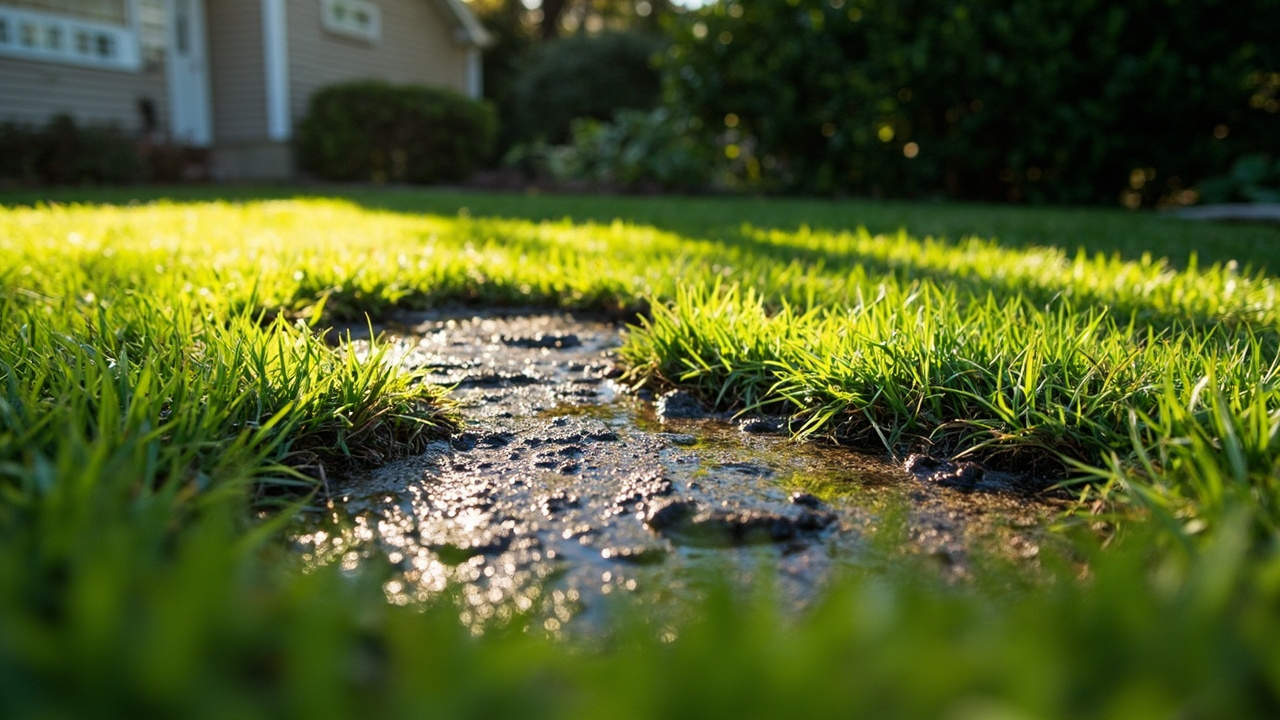
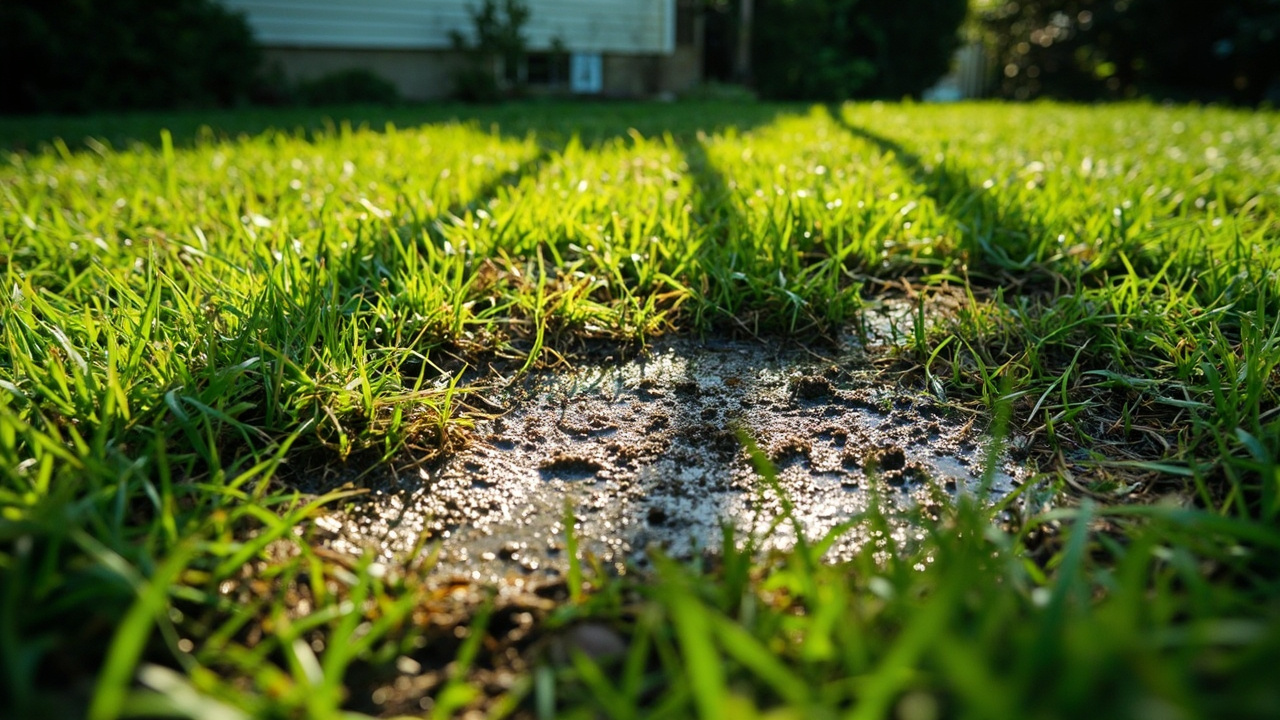
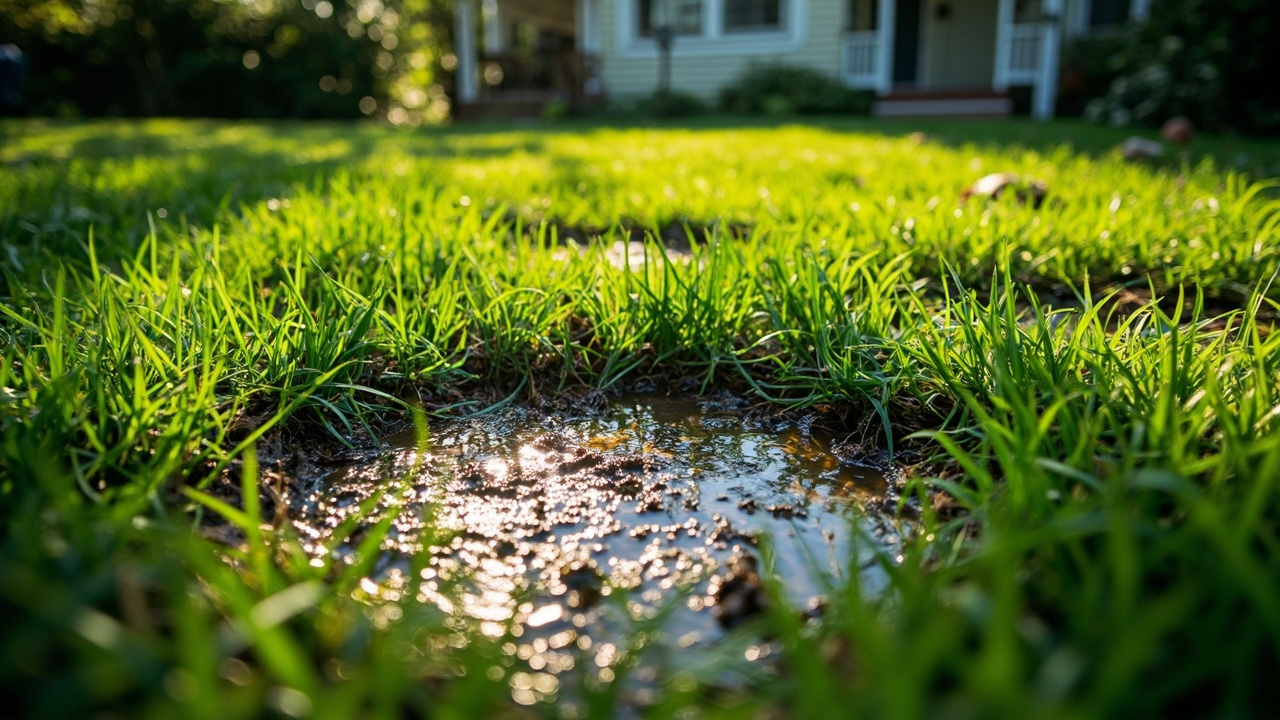
You walk across your lawn and your shoes sink into a soggy patch in lawn that was dry last week. Unexplained standing water pools near your foundation, even when it has not rained in days. Saturated areas in grass spread wider each morning, and your water bill climbs without explanation. These are not drainage problems. They are symptoms of pressurized water line failures buried beneath your property.

Nashville's clay soil makes these failures particularly destructive. During summer heat, the soil contracts and shifts. When winter rains return, the clay expands and presses against aging underground pipes. The freeze-thaw cycles we experience in January and February crack corroded galvanized lines and split older polybutylene connections. Main line breaks under driveways, lateral failures near the meter, and cracked irrigation feeds all create pooling water in yard conditions that homeowners mistake for surface drainage issues.

Damp spots in lawn that persist for more than 48 hours after rain indicate pressurized leaks. You are paying for water that never reaches your fixtures. A pinhole leak in a 60 PSI main line releases over 6,000 gallons per day. That water saturates the soil, undermines foundations, and creates sinkholes under concrete. The longer you wait, the more expensive the repair becomes as erosion spreads and structural damage compounds.

The worst failures happen at connection points where dissimilar metals meet or where tree roots apply constant pressure. If you see wet spots migrating toward your home, you need immediate leak detection before foundation settling creates cracks in your slab.

Why Nashville Yards Develop Mysterious Wet Spots
How Professional Leak Detection Isolates Underground Failures

How Professional Leak Detection Isolates Underground Failures

Guessing at leak locations destroys landscaping and wastes money. We use electronic acoustic detection equipment that identifies pressurized leaks through sound frequency analysis. Water escaping a pipe under pressure creates a distinct ultrasonic signature. Our ground microphones isolate that frequency and triangulate the exact failure point within inches, not feet.

The process starts with pressure testing your system at the meter. We isolate zones to determine whether the leak exists on your main service line, in your irrigation lateral, or within your home's branch lines. A static pressure drop over ten minutes confirms an active leak. We then trace your underground piping using electromagnetic pipe locators that map metallic lines or tracer wire paths for PEX and CPVC installations.

Once we identify the leak zone, we apply acoustic sensors directly to exposed pipe sections, valve bodies, and the ground surface above suspected areas. The equipment filters out ambient noise and amplifies the leak signature. We mark the location with spray paint and verify depth using a probe rod before any excavation begins. This targeted approach minimizes digging and preserves your landscaping.

For slab leaks beneath your foundation, we use thermal imaging cameras that detect temperature differentials where water migrates through concrete. We also perform tracer gas testing, injecting harmless hydrogen and nitrogen into isolated line segments and using sniffers to detect gas escaping at the leak point. These methods prevent unnecessary concrete removal and allow surgical repairs through small access points.

The goal is accuracy before excavation. Every soggy patch in lawn has a specific cause. We find it, document it, and fix it correctly the first time.

What Happens During Your Underground Leak Repair

Wet Spots in Yard Nashville – Expert Diagnosis and Permanent Underground Leak Repair
01

Leak Isolation and Mapping

We arrive with electronic detection equipment and pressure test your system at the water meter. After isolating the failed zone, we trace your underground lines using electromagnetic locators and acoustic sensors. You get a marked diagram showing the exact leak location and depth before we break ground. This prevents exploratory digging and protects your landscaping from unnecessary damage.
02

Precision Excavation and Repair

We dig a targeted access trench directly over the marked failure point. After exposing the damaged pipe section, we cut out the corroded or cracked segment and install a new connection using compression couplings or fusion welds, depending on your pipe material. For main line breaks, we use brass or stainless fittings rated for 200 PSI to prevent future failures at the repair joint.
03

Pressure Testing and Restoration

After completing the repair, we pressure test the new connection at 150 PSI for 30 minutes to verify integrity. We then backfill the trench with compacted soil, grade the surface to match existing contours, and restore sod or seed. You receive documentation of the repair location and depth for future reference. Your saturated areas in grass dry out within 48 hours as groundwater drains.

Why Nashville Homeowners Choose Local Leak Detection Experts

Generic plumbers guess at leak locations and dig exploratory trenches that destroy your yard. We invest in professional detection equipment because Nashville's soil conditions demand precision. The clay base beneath most properties does not drain well. When you flood that clay with thousands of gallons from an underground leak, the soil turns into a slurry that undermines foundations and creates voids under driveways. Guessing costs you money in unnecessary excavation and extended landscape damage.

Ironwood Plumbing Nashville has mapped underground failures across every neighborhood in Davidson County. We know where the transition occurs from municipal main lines to private service laterals. We understand how the limestone bedrock near Percy Priest Lake affects pipe installation depths. We recognize the irrigation line layouts common in Brentwood subdivisions and the aging galvanized mains still present in East Nashville bungalows built before 1970.

That local knowledge matters when your water bill spikes and you see damp spots in lawn spreading toward your foundation. We respond the same day because we understand the urgency. A main line break can release 200 gallons per hour. That water does not just create pooling water in yard. It erodes the soil beneath your slab, shifts foundation footings, and floods crawl spaces with contaminated groundwater.

We also coordinate with Metro Water Services when the failure point exists on the utility side of your meter. Homeowners often pay for repairs that should be the city's responsibility. We perform the pressure isolation testing that proves where the leak originates and ensure you are not charged for infrastructure failures outside your property line.

You need a plumber who understands Nashville's water system layout, soil composition, and the difference between a private lateral leak and a municipal main break. That expertise prevents financial disputes and ensures the correct entity pays for the repair.

What You Should Expect From Professional Leak Detection and Repair

Same Day Detection Service

We respond to leak detection calls within four hours because underground failures worsen by the hour. Our trucks carry acoustic sensors, thermal cameras, and pressure testing equipment. Most leak locations are identified within 90 minutes of arrival. If we find the failure before noon, we can complete excavation and repair the same day. For complex slab leaks requiring concrete access, we provide a detailed repair plan and schedule the work within 48 hours. You do not wait while your water bill climbs and your foundation settles.

Transparent Diagnostic Process

Before we charge for a repair, you see exactly what failed and why. We show you the pressure test results at your meter. We walk you through the acoustic sensor readings. We mark the leak location on the ground and explain the excavation plan. You receive a written estimate that includes detection fees, excavation costs, pipe materials, and landscape restoration. If the leak exists on the utility side of your meter, we document that finding and help you file a claim with Metro Water. You make informed decisions based on facts, not guesses.

Permanent Repair Standards

We do not patch leaks with temporary clamps or wrap tape. Every underground repair uses code-compliant fittings rated for your system pressure. Copper connections get brazed joints or ProPress fittings. PEX lines get stainless steel crimp rings or expansion connections. Galvanized replacements use brass or stainless transition couplings to prevent dissimilar metal corrosion. We pressure test every repair at 150 PSI before backfilling. You get a permanent fix that stops the leak and prevents recurrence at the same location. Your soggy patches in lawn dry out and stay dry.

Repair Documentation and Follow-Up

After completing your repair, we provide a diagram showing the exact location and depth of the new connection. This documentation is critical if you sell your home or need future utility work. We also perform a follow-up pressure check 30 days after the repair to verify system integrity. If your water bill does not return to normal within one billing cycle, we re-inspect at no charge to confirm no secondary leaks exist. You receive ongoing support, not a one-time fix and disappearance. Our goal is a completely dry yard and a water bill that reflects actual usage.

Frequently Asked Questions

You Have Questions,
We Have Answers

What is an unexplained wet spot in my yard? +

An unexplained wet spot in your yard is a patch that stays soggy even when surrounding grass is dry. Common causes include a broken underground water line, leaking sprinkler system, or damaged sewer lateral. Nashville's clay soil holds moisture longer, making leaks harder to spot. You might also see unusually green grass, higher water bills, or mushy ground that never dries. If the wet area grows or you hear running water underground, you have an active leak. Tree roots often crack aging pipes in older Nashville neighborhoods. Do not ignore persistent wet spots. They waste water and can damage your foundation over time.

How do I fix a wet spot in my yard? +

Fixing a wet spot starts with finding the source. Shut off all water inside and outside. Check your meter. If it still spins, you have a leak between the meter and your house. For leaking irrigation lines, shut off the system and inspect visible pipe connections and sprinkler heads. Nashville's freeze-thaw cycles crack shallow lines. If you suspect a main line or sewer leak, call a licensed plumber with leak detection equipment. Small grade issues can be fixed by adding topsoil and resloping, but underground pipe leaks need professional repair. Do not just cover wet spots with dirt without fixing the root cause.

Why is one part of my yard always wet? +

One part of your yard stays wet because water collects in a low spot or an underground pipe is leaking. Nashville sits on clay soil that drains slowly, so natural depressions turn into ponds after rain. Check your downspouts and grading. Water should flow away from your foundation. If the wet area appears even during dry weather, you likely have a broken water line, leaking irrigation valve, or cracked sewer pipe. Tree roots seeking moisture often crack older clay pipes in Nashville. The spot may also sit above a buried spring or high water table. Persistent wetness needs professional diagnosis to prevent foundation damage.

How to fix a muddy spot in yard? +

Fix a muddy spot by identifying whether it is drainage or a leak. If the spot only appears after rain, improve surface drainage by resloping the area away from your home and adding topsoil. Nashville's heavy spring rains and clay soil create standing water easily. Install a French drain or dry well if regrading does not work. If the spot stays muddy year-round, you have an underground leak. Shut off your water and irrigation systems. If the spot starts drying, the leak is in your system. For leaking pipes, hire a plumber with leak detection tools to pinpoint the break before digging.

What are signs of an outdoor water leak? +

Signs of an outdoor water leak include unexplained wet spots, a spiking water bill, the sound of running water when fixtures are off, and unusually lush grass in one area. You might also notice low water pressure, foundation cracks, or sinkholes forming. Nashville's shifting clay soil can crack underground pipes, creating slow leaks that go unnoticed for months. Check your water meter with all water off. If the dial moves, you have a leak. Puddles near your meter or street shutoff valve indicate a main line break. Persistent wetness near your home threatens your foundation and needs immediate professional assessment.

How do I fix a swampy area in my yard? +

Fixing a swampy area requires identifying the cause. If it is poor drainage, install a French drain, extend downspouts, or regrade the slope away from your house. Nashville's clay soil holds water, so you may need to add sand or organic matter to improve permeability. If the swamp persists during dry weather, you have an underground leak. Broken irrigation lines, main water lines, or sewer laterals all create soggy conditions. Shut off your water systems and monitor the area. If it starts drying, the leak is in your plumbing. Swampy areas near your foundation cause structural damage and attract mosquitoes. Address the problem quickly.

What to put on the ground to absorb water? +

To absorb excess water, spread sand, peat moss, or compost over the wet area to improve soil drainage. Nashville's clay soil does not absorb water well, so mixing in organic material helps. For immediate drying, apply absorbent materials like sawdust or kitty litter, but these are temporary fixes. Installing a French drain or dry well provides a permanent solution by redirecting water underground. If the wetness is from a leaking pipe rather than poor drainage, absorbent materials will not help. You must repair the leak first. Do not just cover wet spots with mulch or sod. Fix the drainage problem or underground leak before landscaping.

Who is responsible for water leaks outside the house? +

You are responsible for water leaks on your property, from the meter to your house and all interior and irrigation lines. Metro Water Services owns the main line up to your meter in Nashville. If the leak is between the street and your meter, call Metro Water. If the leak is past the meter toward your house, you pay for repairs. Homeowners also own the sewer lateral from the house to the street connection. Insurance may cover sudden pipe bursts but not gradual leaks from poor maintenance. If you rent, your landlord handles repairs. Always shut off water immediately and document the damage for insurance claims.

How to turn wetland into dry land? +

Turning wetland into dry land requires permits in Nashville. Wetlands are federally protected, and disturbing them without approval brings heavy fines. If your yard is just poorly drained, not a true wetland, you can install French drains, regrade for positive slope, or add a sump pump system. Nashville's clay soil and spring rainfall create seasonal wet areas that are not protected wetlands. Before any work, check with Metro Codes to confirm your property does not include jurisdictional wetlands. If you have a leaking pipe causing the wetness, fix the leak first. Permanent drainage solutions require proper engineering, especially near foundations or property lines.

How to dry up a wet yard fast without drainage? +

To dry a wet yard fast without drainage, rent a sump pump to remove standing water, then spread sand or absorbent materials like peat moss over the area. Aerate the soil with a core aerator to break up Nashville's dense clay and improve absorption. Redirect downspouts and temporary divert surface water using sandbags or berms. If the wetness is from a leaking pipe, shut off your water or irrigation system immediately. Temporary fixes do not solve underground leaks or chronic drainage problems. Once the yard dries, address the root cause with proper grading, French drains, or pipe repairs to prevent the problem from returning after the next rain.

How Nashville's Clay Soil Accelerates Water Line Failures and Foundation Damage

Nashville sits on a clay base with thin topsoil coverage across most residential areas. When underground leaks saturate that clay, the soil expands and loses load-bearing capacity. Homes in Bellevue, Green Hills, and Donelson experience foundation settling as water-logged clay shifts under slab footings. The seasonal wet-dry cycle makes this worse. Summer droughts cause clay to contract and pull away from pipes. Winter rains cause rapid expansion that cracks aging connections. If you see unexplained standing water near your foundation after a dry spell, you have a pressurized leak that is actively undermining your home's structural support.

Most Nashville homes built before 1985 have galvanized steel main lines that corrode from the inside out. The water chemistry in our municipal supply, combined with clay soil acidity, accelerates that corrosion. By the time you notice pooling water in yard, the pipe wall has thinned to the point of imminent failure. Ironwood Plumbing Nashville has replaced hundreds of these aging mains across Davidson County. We know which neighborhoods still have the original builder-installed lines and which areas transitioned to copper or PEX during renovations. That local experience means faster diagnosis and accurate repair recommendations based on your home's actual infrastructure, not generic guesses.

Plumbing Services in The Nashville Area

Looking for expert plumbing services near you? Ironwood Plumbing Nashville proudly serves homeowners and businesses throughout the greater Nashville area with professional plumbing repairs, water heater installation, leak detection, and emergency plumbing services. From Brentwood to Hendersonville, our licensed plumbers are ready to respond quickly and efficiently. Use the map below to explore our coverage areas and discover fast, reliable plumbing help right around the corner.

Address:
IronwoodPlumbingNashville, 3102 West End Ave Suite 400, American Center, Nashville, TN, 37203

Additional Services We Offer

Our news updates

Latest Articles & News from The Blogs

Lorem ipsum dolor sit amet. Aut expedita quaerat quo eligendi numquam et laudantium perspiciatis qui minima expedita rem consequatur ducimus.…

Test Blog 4

Lorem ipsum dolor sit amet. Aut expedita quaerat quo eligendi numquam et laudantium perspiciatis qui minima expedita rem consequatur ducimus.…

Test Blog 3

Lorem ipsum dolor sit amet. Aut expedita quaerat quo eligendi numquam et laudantium perspiciatis qui minima expedita rem consequatur ducimus.…

Test Blog 2

Lorem ipsum dolor sit amet. Aut expedita quaerat quo eligendi numquam et laudantium perspiciatis qui minima expedita rem consequatur ducimus.…

Contact Us

Call Ironwood Plumbing Nashville now at (615) 413-8833 for same-day leak detection and repair. We pinpoint underground failures without destroying your landscaping and fix them permanently.