




Menu

Water Stains on Ceiling or Walls in Nashville | Expert Diagnosis and Permanent Leak Detection

Stop guessing where the water is coming from. Our licensed plumbers use thermal imaging and pressure testing to pinpoint hidden leaks behind your water stains, so you fix the source, not just the symptom.

Slider Image 1
Slider Image 2
Slider Image 3
Slider Image 4
Slider Image 5
Slider Image 7
Slider Image 8
Slider Image 9
Slider Image 10
Slider Image 11

What Those Brown Spots on Your Ceiling Actually Mean

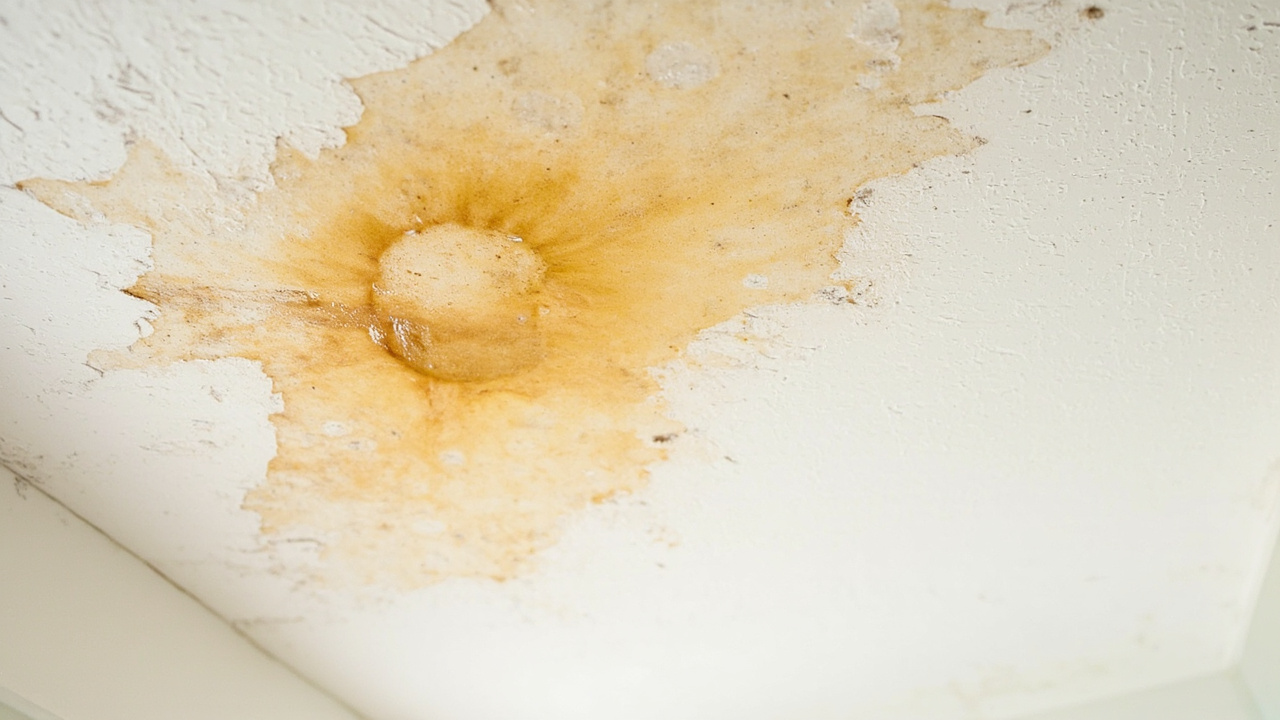
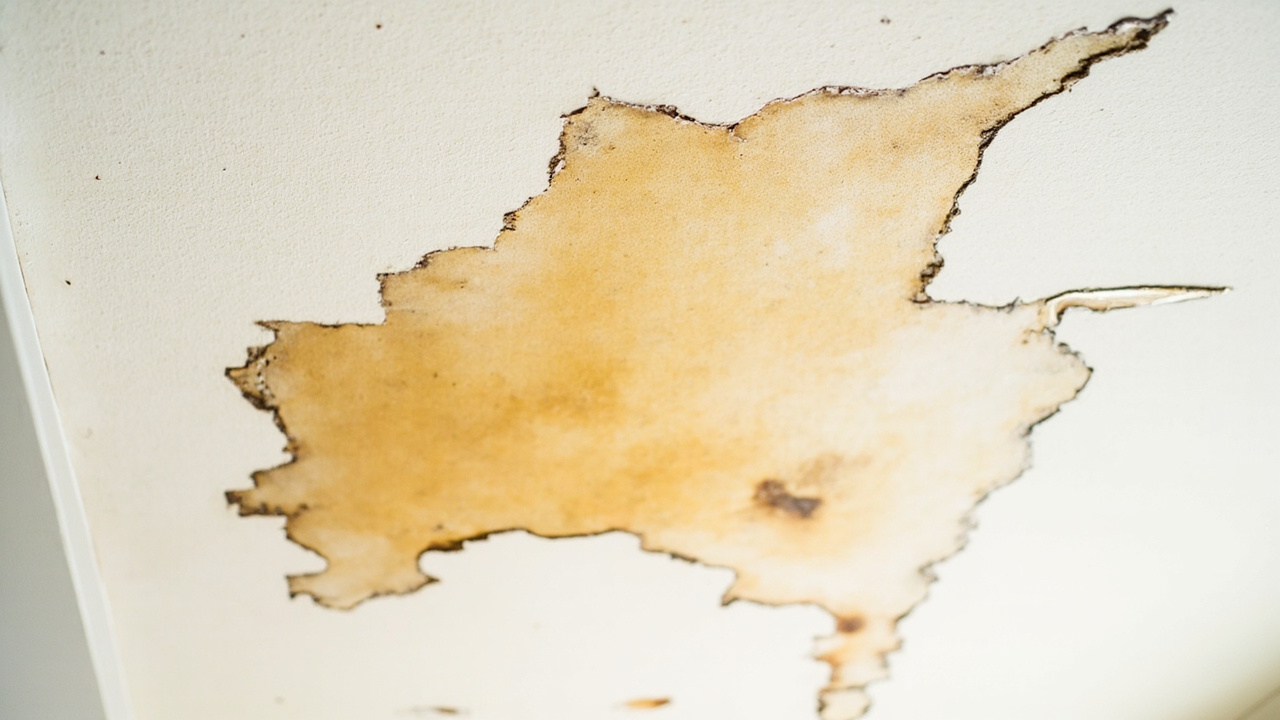
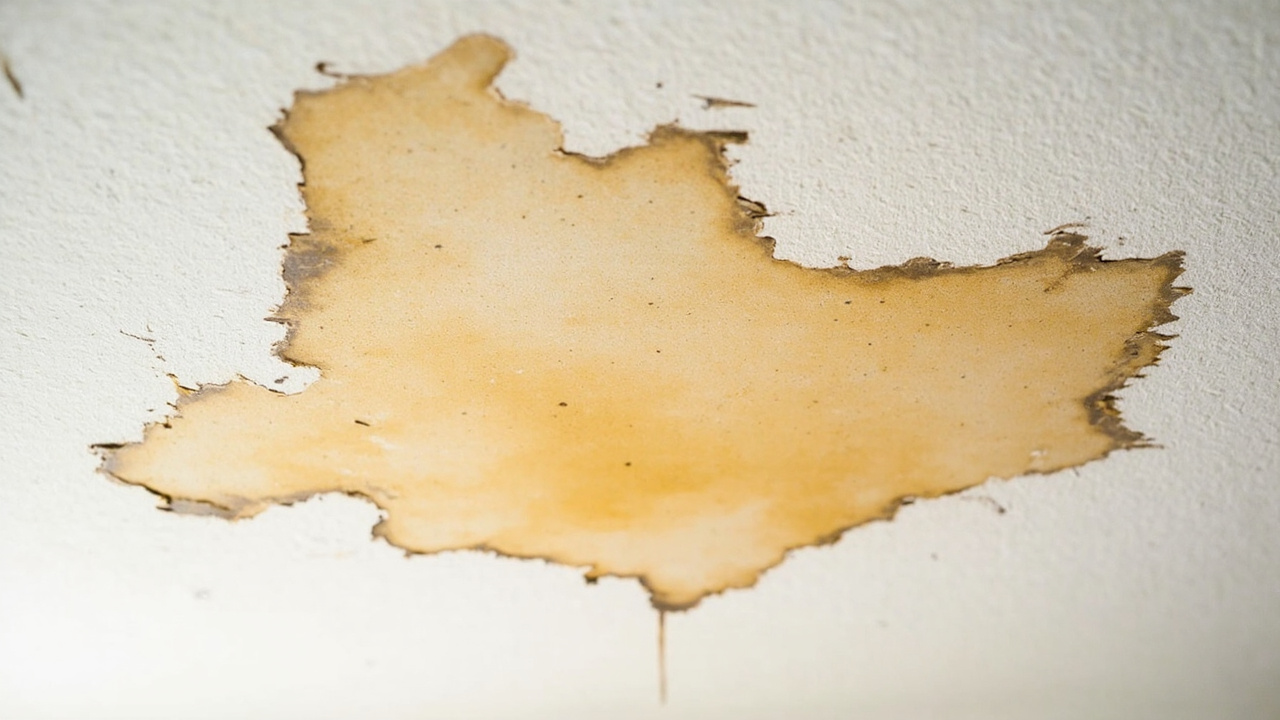
You notice a yellow water mark spreading across your bedroom ceiling. Maybe it is damp patches on walls near the bathroom. The brown spots on ceiling grow larger after heavy rain, and you are wondering if you can just paint over it.

You cannot.

Water stains on ceiling or walls are not cosmetic issues. They are warning signs of active plumbing leaks, roof penetration failures, or condensation problems. In Nashville, our humid subtropical climate accelerates the problem. Summer humidity hovers above 70 percent, creating perfect conditions for hidden moisture to pool in wall cavities and ceiling joists. When you see ceiling discoloration from leak, the damage behind that stain is usually three to five times larger than what shows on the surface.

The moisture stains on drywall you see today started weeks or months ago. Water traveled along pipes, soaked insulation, and saturated framing lumber before it finally breached your drywall. By the time you notice the stain, mold spores are likely colonizing the wet materials behind your walls.

Nashville's aging housing stock complicates the issue. Many homes in East Nashville, Germantown, and 12 South were built between 1920 and 1960, with galvanized steel pipes that corrode from the inside out. You get pinhole leaks that seep slowly, creating persistent dampness without obvious flooding. The yellow water marks on your ceiling are not from a dramatic pipe burst. They are from a slow drip that has been feeding mold growth for months.

The longer you wait, the more expensive the fix becomes. Water damage does not plateau. It spreads.

What Those Brown Spots on Your Ceiling Actually Mean
How We Find the Leak Behind Your Water Stains

How We Find the Leak Behind Your Water Stains

Most homeowners waste money fixing the wrong problem. They patch the ceiling, repaint the walls, and three months later the stain comes back. You cannot fix a leak by covering the evidence.

Our approach starts with elimination. We use infrared thermal imaging to scan your walls and ceilings for temperature differentials. Active leaks create cold spots because evaporating water lowers surface temperature. We map those cold zones to isolate the leak path, even if it is hidden behind finished drywall or running through your attic insulation.

Next, we perform a static pressure test on your supply lines. We shut off all fixtures, pressurize your plumbing system, and monitor for pressure drops. A drop means water is escaping somewhere between your meter and your fixtures. This test tells us if your leak is in the supply side or the drain side, which determines the repair strategy.

For drain leaks, we use a smoke test. We pump non-toxic smoke into your drain lines and watch where it escapes. Smoke follows the same path water takes, so we can pinpoint compromised pipe joints, cracked vent stacks, or failed wax rings without tearing into walls blindly.

Once we locate the source, we open the smallest access point necessary to confirm the diagnosis. We document the damage with photos, explain what failed and why, then give you a repair plan that addresses the root cause. We do not guess. We do not upsell. We show you exactly what is broken and exactly how we will fix it.

You get a written scope of work before we start. No surprises.

What Happens When You Call Us About Water Stains

Water Stains on Ceiling or Walls in Nashville | Expert Diagnosis and Permanent Leak Detection
01

Initial Inspection and Moisture Mapping

We arrive with thermal cameras and moisture meters to scan every surface around your water stains. You show us the visible damage, and we measure the hidden moisture content in your walls, ceilings, and floors. We document moisture levels in three zones: the stain itself, the surrounding area, and the suspected source. This data tells us how far the water has migrated and how long the leak has been active.
02

Leak Source Identification

We trace the moisture path back to its origin using pressure tests, smoke tests, or dye tests depending on the suspected failure point. We check supply line connections, drain traps, vent stack flashing, and fixture mounting points. We isolate sections of your plumbing system to narrow down the exact component that failed. You get a verbal explanation of what we found and why it failed before we move to repairs.
03

Repair and Verification Testing

We execute the repair using code-compliant materials and techniques, then retest the system under pressure to confirm the leak is sealed. We recheck moisture levels in the affected areas to establish a baseline for drying. You receive documentation of the repair, including photos of the failed component and the completed work. We recommend a moisture recheck in 48 to 72 hours to confirm the area is drying properly before you schedule drywall repairs.

Why Nashville Homeowners Choose Ironwood Plumbing for Leak Detection

You need someone who knows the difference between a roof leak and a plumbing leak. Someone who understands that water stains near your bathroom could be a failed shower pan, a leaking supply line, or a cracked drain pipe. Someone who will not tear into your walls until they know exactly where the problem is.

We know Nashville plumbing. We know that homes south of downtown sit on limestone bedrock, which creates shifting foundation movements that stress rigid pipe connections. We know that homes in Bellevue and West Meade have crawl spaces with poor ventilation, leading to condensation issues that mimic plumbing leaks. We know that Davidson County requires pressure testing on all repiping work, and we document our tests for permit inspections.

We also know that most water stains are not dramatic failures. They are slow leaks that require patient detective work. We take the time to isolate the problem because cutting into the wrong wall wastes your money and does not stop the leak.

Our technicians carry diagnostic tools that most plumbing companies do not invest in. Thermal cameras cost thousands of dollars. Smoke testing equipment requires training and certification. We made those investments because guessing is expensive. Finding the problem fast saves you money on both the plumbing repair and the drywall restoration.

We also communicate in plain language. You will not get a jargon-filled report that leaves you confused. We explain what failed, why it failed, and what happens if you delay the repair. You make the decision with full information.

We serve every neighborhood in Nashville, from historic Germantown to new construction in Donelson. We have fixed leaks in 100-year-old shotgun houses and in brand-new luxury condos downtown. The tools change, but the process stays the same. Find the leak. Fix it right. Verify it is sealed.

What You Can Expect From Our Leak Detection Service

Same-Day Response for Active Leaks

If your water stains are growing or you see active dripping, we treat it as urgent. We dispatch a technician the same day you call, usually within two to four hours. Our trucks carry diagnostic equipment and common repair materials, so we can often complete minor fixes during the initial visit. For complex leaks that require wall access or specialized parts, we complete the diagnostic phase immediately and schedule the repair within 24 to 48 hours. You get a written estimate before any invasive work begins.

Comprehensive Moisture and Leak Assessment

We do not charge separately for diagnostic tools. Our flat-rate service call includes thermal imaging, moisture metering, and basic pressure testing. We inspect all plumbing components near the water stains, including supply lines, drain lines, vent stacks, and fixture connections. We also check for non-plumbing causes like roof leaks, HVAC condensate issues, or exterior water intrusion. You receive a detailed verbal explanation of our findings and a written estimate for recommended repairs. If we determine the leak is not plumbing-related, we tell you and recommend the appropriate trade.

Permanent Repairs with Verified Results

We fix leaks using materials that meet or exceed current plumbing codes. For supply line leaks, we use copper or PEX piping depending on your existing system. For drain leaks, we use schedule 40 PVC or ABS depending on your local code requirements. After completing the repair, we pressure test the affected section at 150 PSI for 15 minutes to verify the seal. We document the test results and provide you with before and after photos. We also recheck moisture levels to confirm the area is drying properly before you schedule drywall contractors.

Follow-Up Moisture Monitoring and Repair Documentation

We offer a complimentary moisture recheck 48 to 72 hours after the repair. This confirms that moisture levels in your walls and ceilings are dropping, which proves the leak is truly sealed. If moisture levels remain elevated, we investigate further at no additional diagnostic charge. We also provide detailed repair documentation that you can share with your insurance company or your drywall contractor. This documentation includes photos of the failed component, the repair process, and the pressure test results. You get everything you need to move forward with cosmetic repairs confidently.

Frequently Asked Questions

You Have Questions,
We Have Answers

Why is there a water stain on my ceiling but no leak? +

Old stains can appear without active leaks. High humidity in Nashville often causes condensation on cold surfaces, especially around poorly insulated pipes or HVAC ducts. This moisture creates stains that look like leaks. Previous roof damage that has been repaired can leave permanent discoloration. Attic condensation from ventilation issues is common in Middle Tennessee homes. Your ceiling may also show stains from past leaks that dried up after repairs. Check for soft spots or fresh discoloration. If the stain is dry and unchanging, it may be cosmetic. However, get it inspected to rule out hidden moisture or mold growth.

How to tell if water is leaking behind a wall? +

Look for bulging or warping drywall. Fresh water damage creates soft spots when you press the wall. Peeling paint or bubbling texture indicates trapped moisture. Discoloration spreads outward from the leak source in irregular patterns. Nashville homes often show mold or mildew growth with a musty smell. Check baseboards for water damage or separation from the wall. Listen for dripping sounds behind walls, especially after running fixtures. Cold spots on walls can signal active leaks. Higher water bills without explanation suggest hidden plumbing failure. Call a plumber immediately if you notice multiple signs together.

When to be concerned about water spots on a ceiling? +

Act fast when stains grow larger or change color. Fresh brown or yellow stains mean active water intrusion. Sagging ceiling material indicates trapped water weight and potential collapse risk. Peeling paint or texture around the stain shows ongoing moisture. Nashville's humidity accelerates mold growth, so dark spots or musty odors require immediate attention. Stains near light fixtures create shock and fire hazards. Multiple stains or spreading patterns suggest major plumbing or roof failure. Water dripping from the ceiling is an emergency. Even stable stains need inspection because hidden damage worsens behind surfaces.

Why am I getting wet spots on my ceiling? +

Wet spots signal active leaks from plumbing, roofs, or HVAC systems. Nashville's severe weather can damage roofing and allow rain penetration. Check your attic after storms for obvious roof leaks. Upstairs bathrooms or plumbing lines often leak onto ceilings below. Condensation from AC ducts in humid months creates wet spots without leaks. Failed toilet wax rings or shower pans send water through floors. Frozen pipes during rare Nashville freezes can burst and leak intermittently. The source might not be directly above the wet spot because water travels along joists and framing before dripping through.

How to tell if water is leaking in the ceiling? +

Touch the stain for dampness or temperature changes. Fresh leaks feel cool and wet. Use a moisture meter to detect hidden water in ceiling material. Watch if the stain grows after running water upstairs or during rain. Nashville storms quickly reveal roof vulnerabilities. Check your attic with a flashlight for wet insulation, water trails, or daylight through the roof. Active drips or sagging ceiling sections confirm leaks. Peeling paint around the stain indicates recurring moisture. Compare the stain location to plumbing fixture locations above. Professional leak detection uses thermal imaging to find hidden sources without demolition.

How to find source of water stain on ceiling? +

Start in the attic during or right after rain to spot roof leaks. Water travels along rafters before dripping, so the stain rarely sits directly under the leak source. Trace backward from the stain toward higher points. Check all plumbing fixtures on floors above the stain. Run water in sinks, showers, and toilets while someone watches for drips. Inspect HVAC drain pans and condensate lines for overflow. Nashville's clay soil shifts foundations and can crack pipes. Look for water trails on framing or discolored insulation. Moisture meters and thermal cameras help pinpoint hidden sources behind finished surfaces.

How do plumbers determine behind the wall leaks? +

Professional plumbers use electronic leak detection equipment that listens for water movement inside walls. Thermal imaging cameras show temperature differences where water flows through pipes. Moisture meters measure hidden dampness in drywall without demolition. Pressure testing isolates sections of plumbing to identify failing pipes. Video inspection cameras snake through drains to spot cracks or separations. Tracer gas injection finds pinhole leaks in concealed lines. In Nashville homes with older galvanized or polybutylene pipes, corrosion patterns help predict failure points. Plumbers also inspect visible clues like water stains, soft drywall, and mold growth to triangulate the leak source efficiently.

Does homeowners insurance cover water leaks in walls? +

Coverage depends on the cause and your policy terms. Sudden pipe bursts from freezing or accidental damage typically qualify for coverage. Gradual leaks from poor maintenance or aging pipes usually get denied. Insurance companies investigate how long you knew about the problem. Nashville's occasional hard freezes can cause covered pipe failures. Roof leaks may be covered if storm damage caused them, but not if your roof was already failing. Document everything with photos immediately. File claims quickly. Review your policy exclusions carefully. Mold remediation often has separate limited coverage. Contact your insurance agent before starting repairs to understand your specific coverage.

How long does it take for a water leak to cause mold? +

Mold can start growing within 24 to 48 hours in Nashville's humid climate. High temperatures accelerate growth even faster. Porous materials like drywall, insulation, and carpet absorb water quickly and provide ideal mold conditions. Hidden leaks behind walls create mold colonies long before you see visible stains. Slow drips allow mold to establish deeply in building materials. The type of mold and extent depends on moisture duration and material affected. Once mold starts, it spreads rapidly through spores. This is why you must address water leaks immediately. Professional mold remediation becomes necessary after 72 hours of moisture exposure.

Who should I call for a water stain in my ceiling? +

Call a licensed plumber first to identify and stop the leak source. Plumbing failures cause most ceiling stains in Nashville homes. If the stain appeared after storms, contact a roofing contractor to inspect for roof damage. HVAC technicians handle leaks from air conditioning systems or condensate lines. For extensive damage, water restoration companies provide emergency drying and mold prevention. Your insurance company may require specific vendors for claims. Do not ignore ceiling stains because hidden damage worsens daily. A plumber can quickly determine if the problem involves plumbing, then refer you to the right specialist if needed. Fast action prevents expensive repairs.

How Nashville Humidity Turns Small Leaks Into Major Water Damage

Nashville averages 119 days per year with humidity above 75 percent. That persistent moisture slows evaporation behind your walls, which means a small leak that might dry out overnight in Phoenix stays wet for days here. Wet drywall and wet wood framing create ideal conditions for mold growth, which starts colonizing surfaces within 48 hours of water exposure. The brown spots on your ceiling are not just cosmetic problems. They are biological hazards growing in your wall cavities. The longer moisture sits in your walls, the more extensive the remediation becomes. What started as a simple pipe repair becomes a mold abatement project that costs thousands more.

Ironwood Plumbing Nashville understands how our local climate accelerates water damage. We prioritize rapid leak detection because every day you wait, the damage spreads. Our technicians are trained on Nashville building codes and familiar with the common failure points in homes across Davidson County. We work with local drywall contractors and mold remediation specialists, so we can refer you to trusted professionals if your damage extends beyond plumbing. When you call us about water stains, you are working with plumbers who live in this city and deal with these same humidity challenges in our own homes.

Plumbing Services in The Nashville Area

Looking for expert plumbing services near you? Ironwood Plumbing Nashville proudly serves homeowners and businesses throughout the greater Nashville area with professional plumbing repairs, water heater installation, leak detection, and emergency plumbing services. From Brentwood to Hendersonville, our licensed plumbers are ready to respond quickly and efficiently. Use the map below to explore our coverage areas and discover fast, reliable plumbing help right around the corner.

Address:
IronwoodPlumbingNashville, 3102 West End Ave Suite 400, American Center, Nashville, TN, 37203

Additional Services We Offer

Our news updates

Latest Articles & News from The Blogs

Lorem ipsum dolor sit amet. Aut expedita quaerat quo eligendi numquam et laudantium perspiciatis qui minima expedita rem consequatur ducimus.…

Test Blog 4

Lorem ipsum dolor sit amet. Aut expedita quaerat quo eligendi numquam et laudantium perspiciatis qui minima expedita rem consequatur ducimus.…

Test Blog 3

Lorem ipsum dolor sit amet. Aut expedita quaerat quo eligendi numquam et laudantium perspiciatis qui minima expedita rem consequatur ducimus.…

Test Blog 2

Lorem ipsum dolor sit amet. Aut expedita quaerat quo eligendi numquam et laudantium perspiciatis qui minima expedita rem consequatur ducimus.…

Contact Us

Water damage gets worse every day you wait. Call Ironwood Plumbing Nashville at (615) 413-8833 right now for same-day leak detection. We find the source, fix it right, and verify the repair with pressure testing. No guessing. No surprises.