


Menu

Water Conservation Tips in Nashville – Cut Your Water Bill While Protecting Local Watersheds

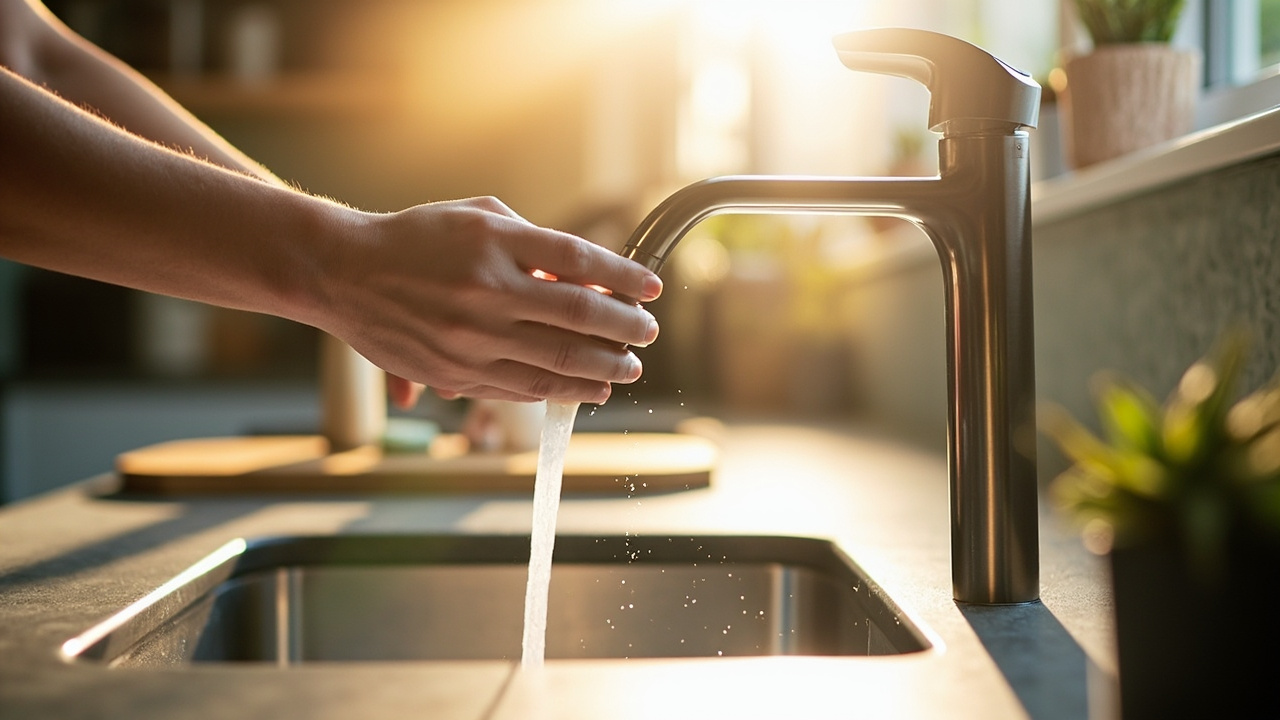
Proven water efficiency strategies designed for Nashville's climate and municipal systems help you reduce water consumption by up to 40% while preserving the Cumberland River and supporting Middle Tennessee's water security.

Slider Image 1
Slider Image 2
Slider Image 3
Slider Image 4
Slider Image 5
Slider Image 7
Slider Image 8
Slider Image 9
Slider Image 10
Slider Image 11

Why Nashville Homeowners Need Water Saving Techniques Now

Nashville pulls over 90 million gallons daily from the Cumberland River and surrounding reservoirs. As Davidson County's population swells past 700,000 residents, the strain on municipal water infrastructure intensifies. Hot, humid summers push residential water consumption to extreme levels, with lawn irrigation alone accounting for 50% of household water use during June through August.

Metro Water Services tracks consumption patterns that reveal most Nashville homes waste 25 to 35% of their total water through leaky fixtures, inefficient appliances, and poor irrigation practices. The clay soil common throughout Hermitage, Bellevue, and Green Hills holds moisture poorly during dry spells, prompting overwatering that drains wallets and depletes aquifer reserves.

You face rising utility rates as infrastructure upgrades pass costs to consumers. The average Nashville household uses 7,000 to 10,000 gallons monthly. At current rates, that translates to substantial annual expenses you can reduce through targeted water efficiency strategies. Learning how to save water at home protects your budget while supporting the Cumberland River ecosystem that 1.8 million Middle Tennesseans depend on for drinking water.

Ways to save water start with understanding your home's specific consumption patterns. Old toilets manufactured before 1994 use 3.5 to 7 gallons per flush compared to modern WaterSense models that use just 1.28 gallons. Aerators on faucets restrict flow without reducing pressure. Reduce water consumption by fixing that dripping shower valve in your East Nashville bungalow or replacing corroded supply lines in your Donelson ranch home. Small changes compound into major savings.

Why Nashville Homeowners Need Water Saving Techniques Now
How Ironwood Plumbing Nashville Delivers Measurable Water Savings

How Ironwood Plumbing Nashville Delivers Measurable Water Savings

Reduce water consumption through systematic home audits that identify waste points. We measure flow rates at every fixture, check toilet flush volumes, inspect pressure regulators, and test your irrigation backflow assembly. A pressure regulator set above 60 PSI forces water through fixture seals faster than necessary, wasting thousands of gallons yearly while accelerating wear on supply lines and appliance valves.

Water saving techniques begin with leak detection. We use acoustic leak detectors to locate hidden slab leaks beneath your foundation that can waste 90 gallons daily without obvious symptoms. Infrared cameras reveal moisture patterns behind walls where corroded copper or failed PEX connections drip continuously. A running toilet wastes up to 200 gallons per day, often caused by deteriorated flapper valves or improperly adjusted fill valves.

Water efficiency strategies include installing low-flow aerators rated at 1.5 gallons per minute on bathroom faucets and 1.8 GPM models on kitchen sinks. We retrofit showerheads to WaterSense specifications at 2.0 GPM while maintaining pressure through air-infusion technology. Dual-flush toilet conversions let you choose 0.8 gallons for liquid waste or 1.28 gallons for solid waste.

Smart irrigation controllers cut outdoor consumption by 30%. These devices connect to National Weather Service data specific to Nashville's zip codes, automatically adjusting run times based on rainfall, temperature, and humidity. We install rain sensors that override scheduled cycles when precipitation exceeds one-quarter inch. Drip irrigation systems deliver water directly to root zones at 90% efficiency compared to 65% for traditional sprinklers, reducing evaporation losses during Tennessee's brutal summer afternoons.

How We Help You Implement Conservation Strategies

Water Conservation Tips in Nashville – Cut Your Water Bill While Protecting Local Watersheds
01

Home Water Audit

We document every water-using fixture and appliance in your home, measuring actual flow rates against manufacturer specifications. This baseline assessment reveals which components waste the most water. We check aerator screens for mineral buildup that restricts flow and forces longer run times. Pressure testing identifies system issues that cause overconsumption. You receive a detailed report ranking conservation opportunities by cost savings potential and implementation difficulty.
02

Priority Upgrades Installation

Based on audit findings, we install high-impact upgrades first. Replacing a 3.5-gallon toilet with a 1.28-gallon WaterSense model saves 12,000 gallons yearly for a family of four. We swap outdated aerators, fix leaking supply valves, adjust pressure regulators to optimal settings, and repair dripping fixtures. Each upgrade targets measurable consumption reduction. We test all modifications to confirm performance meets water efficiency standards without sacrificing functionality you depend on daily.
03

Ongoing Monitoring Support

We provide consumption tracking tools so you can measure actual savings against your pre-audit baseline. You learn to read your Metro Water Services meter to spot abnormal usage that signals new leaks. We schedule annual follow-up inspections to verify all conservation fixtures maintain optimal performance. Aerators need periodic cleaning to prevent mineral deposit restrictions. Fill valves require adjustment as components age. Continuous monitoring ensures your water saving techniques deliver long-term results.

Why Nashville Residents Trust Ironwood Plumbing Nashville for Conservation Solutions

Understanding Metro Nashville building codes and Metro Water Services standards matters when implementing water efficiency strategies. We know which fixtures meet local plumbing code requirements and qualify for utility rebate programs. Nashville offers rebates up to $200 for high-efficiency toilet installations and irrigation controller upgrades, offsetting your investment costs while reducing long-term consumption.

Our technicians understand how Nashville's water chemistry affects conservation equipment. The Cumberland River delivers moderately hard water with 80 to 120 milligrams per liter of dissolved minerals. Hard water deposits clog low-flow aerators and showerheads within months if you lack proper filtration. We recommend water softening solutions when mineral content threatens conservation fixture performance, ensuring your upgrades maintain efficiency for years.

Experience with Nashville's diverse housing stock informs our recommendations. Historic homes in Germantown and East Nashville often have galvanized supply lines prone to internal corrosion that creates friction loss and reduces pressure. Replacing corroded pipes before installing low-flow fixtures prevents performance complaints. Ranch homes in Madison and Antioch typically have slab foundations where hidden leaks waste enormous volumes. We use specialized detection equipment appropriate to your home's construction method.

Knowledge of local irrigation needs prevents overcorrection. Bermuda and zoysia grass common in Nashville lawns require different watering schedules than fescue. We calibrate smart controllers to match your specific turf type and sun exposure patterns. Clay soil in Williamson County requires different cycle times than the sandy loam in northern Davidson County. Generic advice wastes water through inappropriate application rates.

What You Get From Professional Water Conservation Services

Fast Assessment and Implementation

Complete home water audits take two to three hours depending on property size and fixture count. We measure flow rates, test pressure settings, inspect irrigation systems, and document consumption patterns across all water-using systems. Simple upgrades like aerator replacement and leak repairs happen the same day. Major retrofits like toilet replacement or irrigation controller installation typically finish within one visit. You receive immediate consumption reduction from quick fixes while planning larger efficiency projects. We schedule upgrades around your availability, including evening and weekend appointments that fit busy schedules without requiring time off work.

Detailed Consumption Analysis

Your audit report breaks down water use by category, showing exactly how much goes to toilets, showers, irrigation, and appliances. We calculate annual waste from identified leaks and inefficient fixtures. You see projected savings from each recommended upgrade, allowing prioritization based on your budget and conservation goals. Flow rate measurements reveal which fixtures consume the most water relative to current efficiency standards. We compare your total household consumption to Nashville averages, identifying areas where you exceed typical use patterns. This data-driven approach targets the biggest waste sources first for maximum impact.

Proven Consumption Reduction

Comprehensive efficiency upgrades typically reduce household water consumption by 30 to 40%. A family of four using 8,000 gallons monthly can drop to 5,000 gallons through toilet replacement, aerator installation, leak repairs, and smart irrigation control. These savings compound yearly, cutting hundreds from annual utility bills while preserving Middle Tennessee's water resources. All installed fixtures meet WaterSense certification standards, guaranteeing performance equal to conventional models. You notice no difference in shower pressure or toilet flush effectiveness, just lower bills and reduced environmental impact. Documented savings allow tracking actual results against projected reductions.

Continued Performance Verification

We provide maintenance guidance for all conservation fixtures to ensure long-term efficiency. Aerators need quarterly cleaning to remove mineral deposits that restrict flow and reduce effectiveness. Smart irrigation controllers require seasonal programming adjustments as weather patterns shift. We offer annual follow-up inspections to verify all upgraded components maintain optimal performance and identify new conservation opportunities as technology advances. You learn to monitor your water meter for abnormal consumption that signals developing leaks before they waste significant volumes. Ongoing support protects your investment and maximizes lifetime savings from implemented upgrades.

Frequently Asked Questions

You Have Questions,
We Have Answers

What are the 10 ways to conserve water? +

Fix leaks immediately. Install low-flow showerheads and faucet aerators. Run dishwashers and washing machines only with full loads. Turn off the tap while brushing teeth or scrubbing dishes. Take shorter showers. Water your lawn early morning or late evening to reduce evaporation. Use a broom instead of a hose to clean driveways. Collect rainwater for outdoor plants. Insulate hot water pipes to reduce wait time for hot water. Upgrade to WaterSense-labeled toilets and fixtures. Nashville's hot, humid summers increase outdoor water use, making these changes impactful year-round.

What are 5 methods of water conservation? +

Install low-flow fixtures like showerheads and faucet aerators to reduce flow rates without sacrificing pressure. Fix all leaks promptly, as a dripping faucet wastes gallons daily. Adjust irrigation systems to water during cooler hours, reducing evaporation in Nashville's summer heat. Run full loads in dishwashers and washing machines to maximize efficiency. Upgrade old toilets to dual-flush or WaterSense models, which use significantly less water per flush. These five methods address the biggest sources of residential water waste and deliver measurable savings on your Metro Nashville water bill.

What are the 5 R's of water conservation? +

The 5 R's of water conservation are Reduce, Reuse, Recycle, Reclaim, and Respect. Reduce water use by installing efficient fixtures and fixing leaks. Reuse greywater from sinks or showers for outdoor irrigation. Recycle water whenever possible, like collecting shower warm-up water. Reclaim rainwater with barrels for landscaping, especially useful during Nashville's dry spells. Respect water as a finite resource by making mindful choices daily. These principles guide sustainable water management at home and help protect the Cumberland River watershed that supplies our region.

What are 20 ways to save water? +

Turn off taps while brushing teeth. Take five-minute showers. Fix leaky faucets and toilets. Install low-flow showerheads. Run full dishwasher loads. Use a broom, not a hose, for driveways. Water lawns at dawn. Mulch garden beds to retain moisture. Wash cars with a bucket. Collect rainwater for plants. Insulate pipes. Upgrade to dual-flush toilets. Scrape dishes instead of pre-rinsing. Use a rain sensor on sprinklers. Check for hidden leaks. Thaw food in the fridge, not under running water. Reuse pasta water for plants. Install faucet aerators. Water grass only when needed. Adjust sprinkler patterns to avoid pavement.

What are 50 ways to save water? +

Due to word count limits, listing 50 distinct methods is impractical here. Focus on high-impact changes first. Fix all leaks. Install low-flow fixtures. Run full appliance loads. Shorten showers. Turn off taps when not actively using water. Water lawns early morning. Use rain barrels. Mulch gardens. Sweep instead of hosing. Upgrade old toilets. Insulate pipes. Check irrigation systems monthly. Wash cars with buckets. Use drought-tolerant plants. Collect greywater. Adjust sprinklers seasonally. These core strategies address the majority of household water waste in Nashville homes and deliver real savings.

What are 8 ways to conserve water? +

Fix leaks in faucets, toilets, and pipes immediately. A small drip wastes thousands of gallons annually. Install WaterSense-labeled fixtures like low-flow showerheads and dual-flush toilets. Run dishwashers and washing machines only with full loads to maximize efficiency. Water your lawn during early morning hours to minimize evaporation during Nashville's hot summers. Turn off the tap while brushing teeth or washing dishes. Use mulch around plants to retain soil moisture and reduce watering frequency. Collect rainwater in barrels for outdoor irrigation. Check irrigation systems regularly for leaks or misaligned sprinkler heads.

What are easy water conservation tips? +

Turn off the faucet while brushing teeth or scrubbing dishes. This simple habit saves gallons per day. Take shorter showers, aiming for five minutes or less. Fix dripping faucets and running toilets immediately. Run dishwashers and washing machines only with full loads. Water outdoor plants early morning or evening to reduce evaporation in Nashville's heat. Use a broom instead of a hose to clean sidewalks and driveways. Keep a pitcher of drinking water in the fridge instead of running the tap until cold. These easy changes require no special tools and lower your water bill immediately.

What are the 3 R's of water conservation? +

The 3 R's of water conservation are Reduce, Reuse, and Recycle. Reduce your water consumption by installing efficient fixtures, fixing leaks, and shortening showers. Reuse water whenever possible, like capturing shower warm-up water for plants or using greywater from sinks for outdoor irrigation. Recycle water through systems that treat and repurpose it, or collect rainwater in barrels for landscaping. In Nashville, where summer droughts stress the Cumberland River watershed, practicing these three principles protects our local water supply and lowers utility costs for homeowners and businesses.

Is rainwater safe to drink? +

Rainwater is not safe to drink without proper treatment. It can contain pollutants from air, roofing materials, and bird droppings. If you collect rainwater in Nashville for gardening or outdoor use, that is fine without treatment. For drinking, you must filter and disinfect it through boiling, UV treatment, or multi-stage filtration systems. Nashville Metro Water provides treated, tested drinking water that meets all federal standards. Use rainwater collection for irrigation and outdoor tasks only. If you want potable rainwater, consult a licensed plumber about proper filtration and testing systems before consumption.

How do you write 10 lines to conserve water? +

Turn off taps when not in use. Fix leaks quickly to prevent waste. Take shorter showers to save gallons. Run full loads in dishwashers and washers. Water plants early morning to reduce evaporation. Use a broom to clean driveways, not a hose. Install low-flow fixtures in bathrooms. Collect rainwater for outdoor watering. Mulch gardens to retain soil moisture. Respect water as a limited resource. These ten lines provide a practical framework for Nashville residents to reduce water consumption, lower utility bills, and protect the Cumberland River watershed that supplies our community.

How Nashville's Water Supply Challenges Make Conservation Critical Now

The Cumberland River supplies over 80% of Nashville's municipal water through Metro Water Services' three treatment plants. Population growth averaging 100 new residents daily since 2010 strains this system. Summer droughts periodically reduce river levels, prompting voluntary conservation requests from city officials. The 2007 drought saw reservoir levels drop 15 feet below normal, threatening supply capacity. Climate models predict more frequent dry periods across Middle Tennessee, making residential water efficiency strategies essential for maintaining adequate reserves. Every gallon you save through conservation techniques extends Nashville's supply capacity and delays expensive infrastructure expansion projects that drive up rates for all customers.

Metro Nashville building codes require low-flow fixtures in new construction, but 60% of Davidson County homes were built before these standards took effect. Ironwood Plumbing Nashville understands local code requirements and works directly with Metro Water Services on rebate program compliance. We know which upgrades qualify for utility incentives and how to document installations for rebate approval. Our familiarity with Nashville's water pressure zones, pipe infrastructure age, and common plumbing configurations in different neighborhoods ensures conservation solutions work properly in your specific location. Choose local expertise that understands Cumberland River water chemistry, seasonal consumption patterns, and community-wide conservation goals.

Plumbing Services in The Nashville Area

Looking for expert plumbing services near you? Ironwood Plumbing Nashville proudly serves homeowners and businesses throughout the greater Nashville area with professional plumbing repairs, water heater installation, leak detection, and emergency plumbing services. From Brentwood to Hendersonville, our licensed plumbers are ready to respond quickly and efficiently. Use the map below to explore our coverage areas and discover fast, reliable plumbing help right around the corner.

Address:
IronwoodPlumbingNashville, 3102 West End Ave Suite 400, American Center, Nashville, TN, 37203

Additional Services We Offer

Our news updates

Latest Articles & News from The Blogs

Lorem ipsum dolor sit amet. Aut expedita quaerat quo eligendi numquam et laudantium perspiciatis qui minima expedita rem consequatur ducimus.…

Test Blog 4

Lorem ipsum dolor sit amet. Aut expedita quaerat quo eligendi numquam et laudantium perspiciatis qui minima expedita rem consequatur ducimus.…

Test Blog 3

Lorem ipsum dolor sit amet. Aut expedita quaerat quo eligendi numquam et laudantium perspiciatis qui minima expedita rem consequatur ducimus.…

Test Blog 2

Lorem ipsum dolor sit amet. Aut expedita quaerat quo eligendi numquam et laudantium perspiciatis qui minima expedita rem consequatur ducimus.…

Contact Us

Schedule your comprehensive home water audit with Ironwood Plumbing Nashville. We identify exactly where you waste water and show you how to fix it. Call (615) 413-8833 now to book your assessment and start cutting consumption immediately.