
The Best Way to Move Plumbing When Renovating Your Sylvan Heights Kitchen
Planning a kitchen renovation in Sylvan Heights means making decisions that affect your daily life for years. One of the most critical choices involves moving plumbing fixtures. Whether you want to relocate your sink to an island or shift the dishwasher across the room the process requires careful planning with Nashville-specific requirements. Nashville Plumbing Code Requirements.
The good news is that moving kitchen plumbing is absolutely possible. The challenge lies in understanding what makes each project unique. Moving a sink three feet versus across the entire kitchen creates vastly different technical requirements. Your home’s foundation type Nashville’s building codes and the existing plumbing layout all play crucial roles in determining the best approach. Plumbing Materials Guide.
Many Sylvan Heights homeowners discover that what seems like a simple change involves complex considerations. The drainage system requires specific slopes. Venting must meet strict requirements. Supply lines need proper sizing. These technical details make professional expertise invaluable for kitchen plumbing relocations in Nashville. Professional Plumbing Fixture Installation for Your Brentwood Remodel.
Understanding Your Kitchen Plumbing Components
Before diving into the relocation process it helps to understand what you are actually moving. Kitchen plumbing consists of three main systems that work together. Supply lines bring fresh water to your fixtures. Drain lines carry wastewater away. Vent pipes maintain proper pressure and prevent sewer gases from entering your home. Who to Call When Your Pipes Burst in Nashville at 3 AM.
Supply lines typically use PEX or copper piping. PEX offers flexibility and easier installation while copper provides durability. The choice affects both installation complexity and long-term performance. Drain lines usually consist of PVC or ABS plastic with specific diameter requirements based on fixture type.
The venting system often surprises homeowners with its importance. Every drain needs proper venting to function correctly. Without adequate venting you will experience slow drainage gurgling sounds and potential sewer gas issues. This is why moving kitchen plumbing involves more than just rerouting pipes. How to Deal with Hard Water Issues in Your Mt Juliet Home.
Nashville Building Codes and Permit Requirements
Moving kitchen plumbing in Sylvan Heights requires compliance with Metro Nashville codes. The Davidson County Department of Codes and Building Safety oversees residential plumbing modifications. Any project that alters the existing plumbing system needs proper permitting regardless of scope. Plumbing Mount Juliet.
Permit requirements include detailed plans showing the proposed changes. These plans must demonstrate compliance with Tennessee plumbing codes including proper pipe sizing slope requirements and venting configurations. The permitting process ensures your renovation meets safety standards and will pass inspection. Tennessee Board of Plumbing Examiners.
Local inspectors verify that all work meets current codes before approving the project. This includes checking pipe supports proper connections and adequate venting. Skipping permits might seem tempting but it creates problems when selling your home and can result in costly corrections later.
Cost Factors for Kitchen Plumbing Relocation
Several factors determine the total cost of moving kitchen plumbing in Nashville. Labor rates in Davidson County typically range from $75 to $150 per hour for licensed plumbers. Material costs vary based on pipe type and quality. A basic PEX installation costs less than copper but may not suit every application.
Foundation type significantly impacts pricing. Homes with crawl spaces allow easier access to plumbing making modifications more straightforward. Slab foundations require breaking concrete to access pipes adding substantial labor and repair costs. Sylvan Heights features a mix of both foundation types affecting project complexity.
The distance you move fixtures directly correlates with cost. Moving a sink across the room requires more materials and labor than a three-foot adjustment. Each additional linear foot of pipe adds to material costs and installation time. Complex venting requirements can also increase expenses.
Foundation Types and Their Impact
Your home’s foundation dramatically affects the plumbing relocation process. Nashville’s Sylvan Heights neighborhood includes both slab and crawl space foundations each presenting unique challenges. Understanding your foundation type helps set realistic expectations for your renovation. Understanding Backflow Testing.
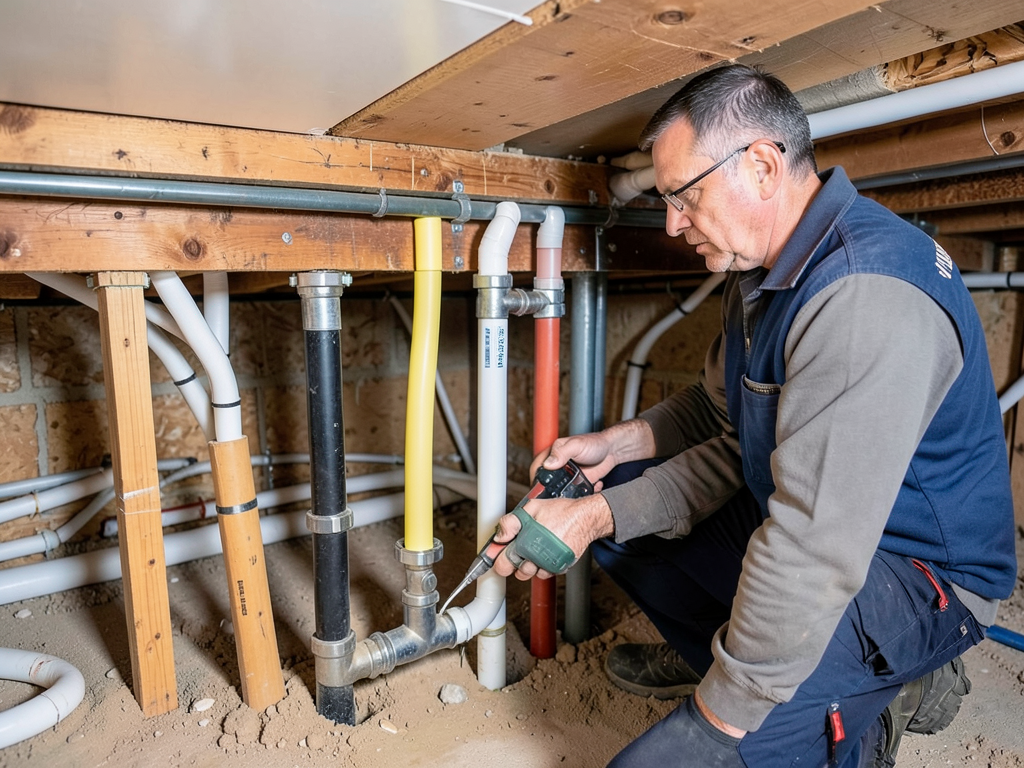
Crawl space foundations offer easier access to existing plumbing. Plumbers can work underneath the house routing new pipes without disturbing finished surfaces. This accessibility typically reduces labor costs and project timelines. However crawl spaces may have their own challenges including moisture issues and limited working space.
Slab foundations require a different approach. Moving plumbing means cutting through concrete to access existing lines or create new paths. This process involves concrete sawing debris removal and subsequent floor repair. The additional steps significantly increase both time and cost compared to crawl space modifications.
Here is a comparison of typical foundation impacts on plumbing relocation projects:
| Foundation Type | Access Difficulty | Average Timeline | Cost Impact |
|---|---|---|---|
| Crawl Space | Easy | 2-4 days | Standard rates |
| Slab Foundation | Difficult | 4-7 days | 50-75% higher |
Technical Requirements for Drainage and Venting
Drainage systems require precise installation to function properly. The standard slope for drain pipes is one-quarter inch per foot. This slope ensures wastewater flows efficiently without clogging. Insufficient slope causes drainage problems while excessive slope can leave waste behind.
Venting presents one of the most complex aspects of kitchen plumbing relocation. Every fixture needs proper venting to maintain atmospheric pressure in the system. Without adequate venting water will not drain correctly and sewer gases can enter your home.
Kitchen islands require special venting solutions. Traditional vertical vents cannot pass through the floor in the middle of a room. Island fixtures need alternative venting methods such as AAVs or loop vents. These solutions must meet Nashville code requirements while providing effective drainage.
Supply Line Considerations
Moving supply lines involves selecting the right pipe material for your application. PEX tubing offers flexibility and freeze resistance making it popular for modern installations. Copper provides proven durability but requires more skill to install and costs more per foot.
Water pressure and flow rate requirements influence pipe sizing decisions. Kitchen fixtures need adequate supply to function properly. Undersized pipes create pressure drops and poor performance. Professional plumbers calculate these requirements based on your specific fixture layout.
Isolation valves at each fixture allow future maintenance without disrupting the entire system. These valves represent a small additional cost that provides significant convenience. They also help prevent water damage during emergencies or repairs.
Gas Line Relocation for Cooking Appliances
Kitchen renovations often include moving gas appliances. Gas ranges cooktops and ovens require proper gas line installation. Moving these appliances means extending or rerouting existing gas lines while maintaining safety standards.
Gas line work requires licensed professionals due to safety concerns. Natural gas installations must meet strict codes regarding pipe sizing pressure testing and connection methods. Improper gas line work creates serious safety hazards including fire and explosion risks.
The cost of gas line relocation depends on distance and complexity. Extending a gas line across a room typically costs between $300 and $800. More complex rerouting or upgrading to larger pipe sizes increases these costs. Always hire qualified professionals for gas line work.
Step-by-Step Professional Process
Professional kitchen plumbing relocation follows a systematic approach. This process ensures code compliance proper function and minimal disruption to your home. Understanding these steps helps you know what to expect during your renovation.
The process begins with a thorough assessment of your existing plumbing system. Plumbers evaluate current conditions identify potential challenges and develop a comprehensive plan. This planning phase prevents surprises and ensures smooth execution.
Here are the typical steps involved in professional kitchen plumbing relocation:
- Initial Assessment and Planning
- Permit Acquisition and Code Review
- Preparation and Protection of Work Areas
- Removal of Existing Fixtures and Connections
- Installation of New Supply Lines
- Installation of Drainage and Venting Systems
- Pressure Testing and Inspection
- Fixture Installation and Final Connections
- Final Inspection and Testing
Impact on Flooring and Cabinetry
Plumbing relocation affects more than just the pipes behind your walls. Moving fixtures often requires modifications to flooring and cabinetry. Understanding these impacts helps you budget appropriately and plan your renovation timeline.
Floor modifications depend on your foundation type and the extent of the move. Slab foundations may require cutting and patching concrete. Wood floors need careful removal and replacement to maintain appearance. Tile work often involves complete replacement in affected areas.
Cabinet modifications ensure proper fit around new plumbing locations. Moving a sink changes the required cabinet configuration. Dishwasher relocation might require different cabinet depths or configurations. These adjustments should be coordinated with your overall kitchen design.
Timeline Expectations for Nashville Projects
Kitchen plumbing relocation timelines vary based on project complexity. Simple moves within the same room typically take two to four days. More extensive relocations involving gas lines venting changes or foundation modifications require five to seven days.
Permit processing adds time to your project schedule. Nashville permit approval usually takes one to two weeks depending on current workload. Factor this into your planning to avoid delays in your overall renovation timeline.
Weather conditions can affect outdoor work such as gas line installation or sewer connections. Nashville’s seasonal weather patterns may cause minor delays during extreme conditions. Professional plumbers plan for these contingencies in their project schedules.
Choosing the Right Professional
Selecting qualified professionals ensures your kitchen plumbing relocation succeeds. Look for licensed plumbers with experience in kitchen renovations. Verify their credentials including Tennessee state licensing and Nashville-specific certifications.
Experience with local building codes proves crucial for Nashville projects. Professionals familiar with Metro Nashville requirements navigate the permitting process efficiently. They understand local inspection standards and ensure your project passes on the first attempt.
Request detailed written estimates that outline the scope of work materials and timeline. Compare multiple quotes but remember that the lowest price does not always represent the best value. Quality workmanship prevents costly repairs and ensures long-term satisfaction.
Preparing for Your Kitchen Renovation
Successful kitchen plumbing relocation requires preparation. Start by clearly defining your renovation goals and budget. Understanding what you want to achieve helps professionals provide accurate estimates and recommendations.
Consider temporary arrangements during the renovation. You may need alternative cooking and cleaning facilities while your kitchen is under construction. Planning for these disruptions reduces stress during the project.
Communicate openly with your chosen professionals about your expectations timeline and budget constraints. Clear communication prevents misunderstandings and ensures everyone works toward the same goals. Professional plumbers appreciate clients who understand the process and its requirements.
Frequently Asked Questions
How much does it cost to move kitchen plumbing in Nashville?
Kitchen plumbing relocation costs in Nashville typically range from $1500 to $5000 depending on project complexity foundation type and distance moved. Simple moves cost less while extensive relocations involving gas lines or slab modifications cost more.
Do I need permits to move kitchen plumbing in Sylvan Heights?
Yes Nashville requires permits for any plumbing modifications that alter the existing system. The Davidson County Department of Codes and Building Safety oversees these permits ensuring compliance with Tennessee plumbing codes and local regulations.
How long does kitchen plumbing relocation take?
Most kitchen plumbing moves take between two to seven days depending on complexity. Simple relocations within the same room take less time while projects involving gas lines venting changes or slab modifications require more extensive work.
Can I move my kitchen sink to an island?
Yes but island sinks require special venting solutions since traditional vertical vents cannot pass through the floor. Options include AAVs or loop vents which must meet Nashville code requirements while providing effective drainage.
What foundation type is best for easy plumbing relocation?
Crawl space foundations offer the easiest access for plumbing modifications. Plumbers can work underneath the house routing new pipes without disturbing finished surfaces. This accessibility typically reduces labor costs and project timelines compared to slab foundations.
Cost Comparison of Plumbing Materials
Material selection significantly impacts your project budget and long-term performance. Here is a comparison of common plumbing materials used in kitchen relocations:
| Material | Cost per Foot | Installation Difficulty | Lifespan | Best Applications |
|---|---|---|---|---|
| PEX | $0.50-$2.00 | Easy | 30-50 years | Supply lines |
| Copper | $2.00-$4.00 | Moderate | 50-70 years | Supply lines |
| PVC | $0.30-$1.50 | Easy | 50-100 years | Drain lines |
| ABS | $0.40-$1.75 | Easy | 50-100 years | Drain lines |
Common Mistakes to Avoid
Homeowners often make mistakes when planning kitchen plumbing relocation. Understanding these common errors helps you avoid costly problems and ensures a successful renovation.
Underestimating costs represents the most frequent mistake. Many people fail to account for unexpected issues like hidden damage or code compliance requirements. Always budget 15-20% above your initial estimate for contingencies.
Skipping permits might seem like a way to save money but it creates serious problems. Unpermitted work can result in fines stop-work orders and difficulties when selling your home. The permitting process protects you and ensures proper installation.
DIY plumbing work often leads to problems. Kitchen plumbing requires specific knowledge of codes venting requirements and proper installation techniques. Professional plumbers understand these requirements and ensure your system functions correctly.
Benefits of Professional Installation
Professional kitchen plumbing relocation offers numerous advantages over DIY approaches. Licensed plumbers bring expertise that ensures your system meets all requirements and functions properly for years to come.
Code compliance represents a major benefit. Professionals understand Nashville’s specific requirements and ensure your installation passes inspection. This knowledge prevents costly rework and ensures your renovation proceeds smoothly.
Warranty protection provides peace of mind. Professional installations typically include warranties on both labor and materials. This protection covers you if problems arise after completion giving you recourse for repairs.
Time efficiency matters during renovations. Professional plumbers complete work faster than most homeowners can manage. This efficiency reduces disruption to your daily life and helps keep your project on schedule.
Future-Proofing Your Kitchen Plumbing
Consider future needs when relocating kitchen plumbing. Planning for potential changes can save you money and hassle down the road. Think about how your needs might evolve over the next decade.
Oversizing supply lines provides flexibility for future upgrades. Installing larger pipes than currently needed costs little extra but allows for high-flow fixtures or additional appliances later. This small investment can prevent major rework in the future.
Adding extra shutoff valves increases convenience. Installing valves at strategic locations makes future maintenance easier. These valves cost little but provide significant benefits when repairs become necessary.
Planning for smart home integration prepares your kitchen for future technology. Consider running extra wiring or conduit during your renovation. This preparation makes it easier to add smart appliances or water monitoring systems later.
Environmental Considerations
Modern kitchen plumbing can incorporate environmentally friendly features. Water conservation helps reduce your utility bills while protecting natural resources. Several options exist for eco-conscious homeowners.
Low-flow fixtures reduce water consumption without sacrificing performance. Modern low-flow faucets and dishwashers provide excellent functionality while using less water. These fixtures often qualify for utility rebates reducing your initial costs.
Leak detection systems prevent water waste and damage. Smart water monitors can detect unusual usage patterns and alert you to potential problems. These systems help catch small leaks before they become major issues.
Energy-efficient water heaters reduce both water and energy consumption. Tankless water heaters provide hot water on demand eliminating the energy waste of keeping a tank hot. These systems work well with modern kitchen designs.
Final Considerations for Success
Kitchen plumbing relocation requires careful planning and execution. Success depends on understanding your specific situation and working with qualified professionals who know Nashville’s requirements.
Communication with your plumber proves essential throughout the process. Discuss your goals concerns and budget openly. Ask questions when you do not understand something. Good communication prevents misunderstandings and ensures everyone works toward the same objectives.
Quality materials matter for long-term satisfaction. While it might seem tempting to save money on cheaper materials investing in quality pays off over time. Better materials last longer perform better and often come with better warranties.
Patience helps during the renovation process. Plumbing relocation involves multiple steps and sometimes unexpected challenges arise. Trust your professionals to handle these issues and focus on the end result – a beautifully renovated kitchen that meets your needs for years to come.