




Menu

Signs You Need Sewer Repair in Nashville – Expert Diagnosis Before Damage Spreads

Recognize the warning signs of main sewer line issues before they turn into expensive emergency excavations. Learn how to identify indicators of sewer line damage specific to Nashville's soil conditions and aging infrastructure.

Slider Image 1
Slider Image 2
Slider Image 3
Slider Image 4
Slider Image 5
Slider Image 7
Slider Image 8
Slider Image 9
Slider Image 10
Slider Image 11

Nashville's Soil and Infrastructure Create Unique Sewer Line Vulnerabilities

Nashville sits on limestone bedrock covered by expansive clay soil that swells when wet and contracts during dry periods. This constant movement puts tremendous stress on sewer lines, especially in older neighborhoods like East Nashville, Germantown, and Sylvan Park where cast iron and clay pipes have been underground for 60 to 80 years.

The symptoms of a broken sewer line often start small. You notice the toilet gurgles when you run the washing machine. Water drains slowly in multiple fixtures at once. A sewage smell drifts up from floor drains in your basement. These indicators of sewer line damage tell you that something is obstructing or breaking down in your main line.

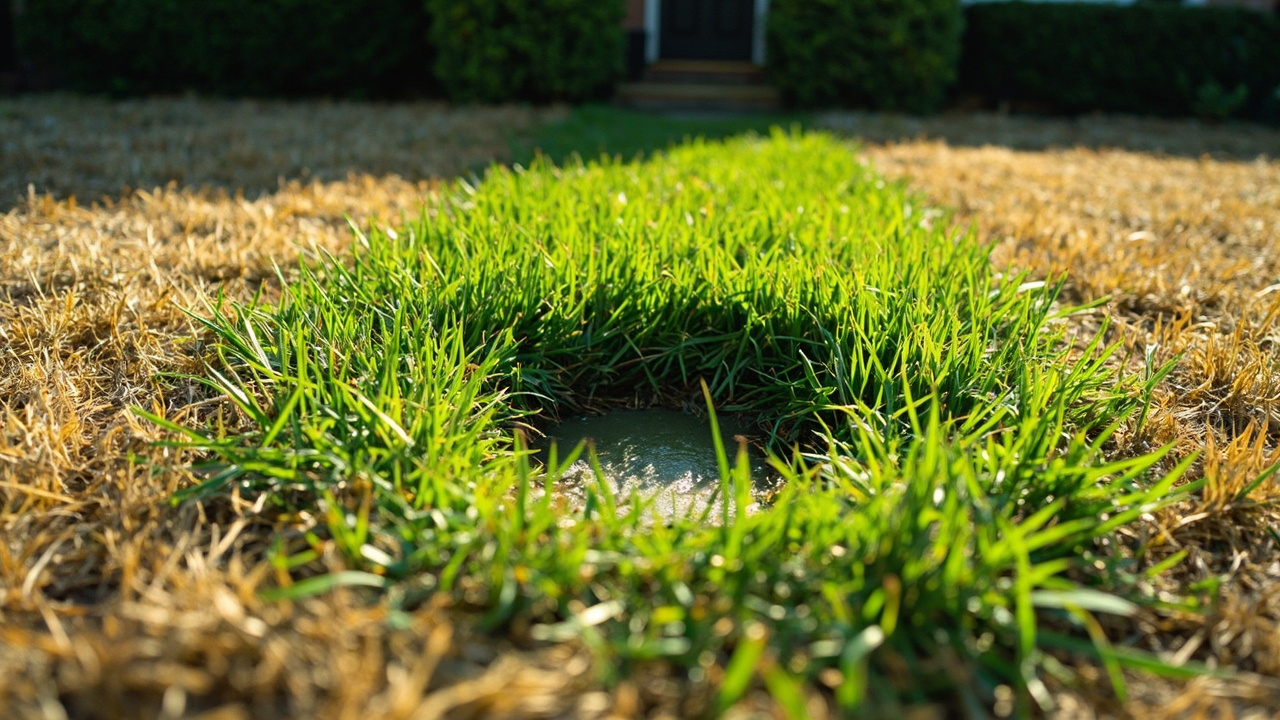
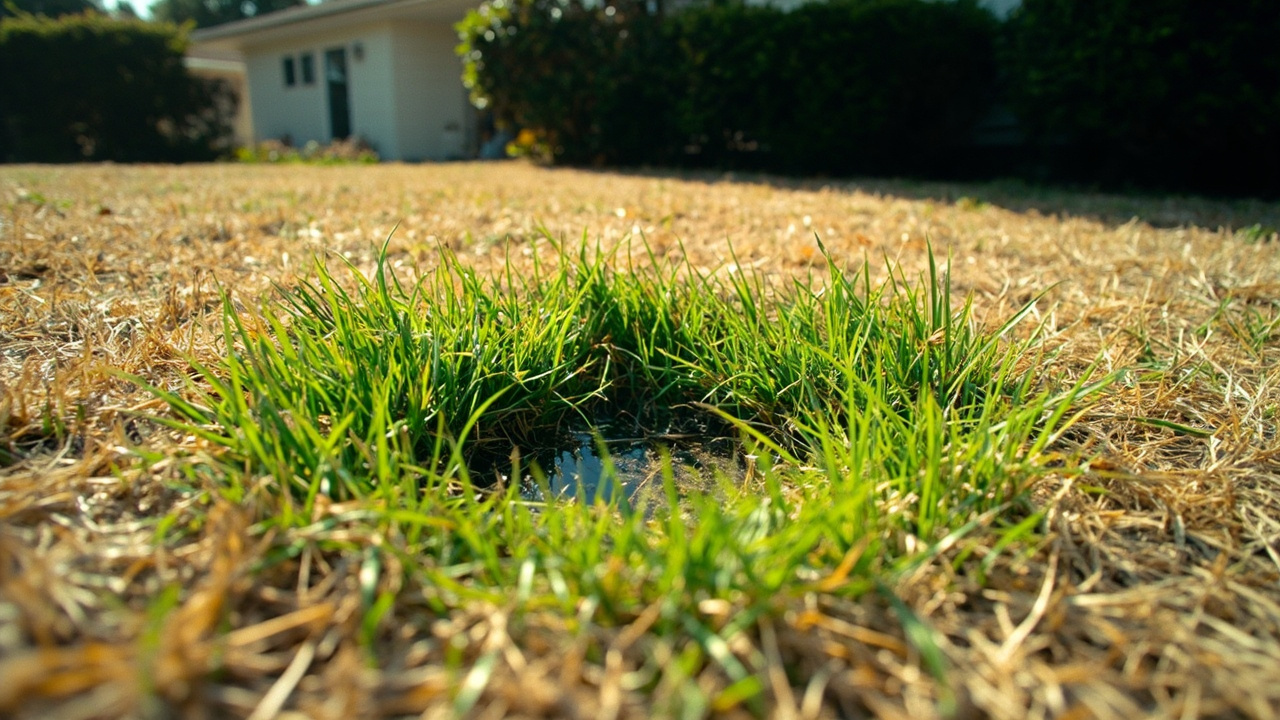
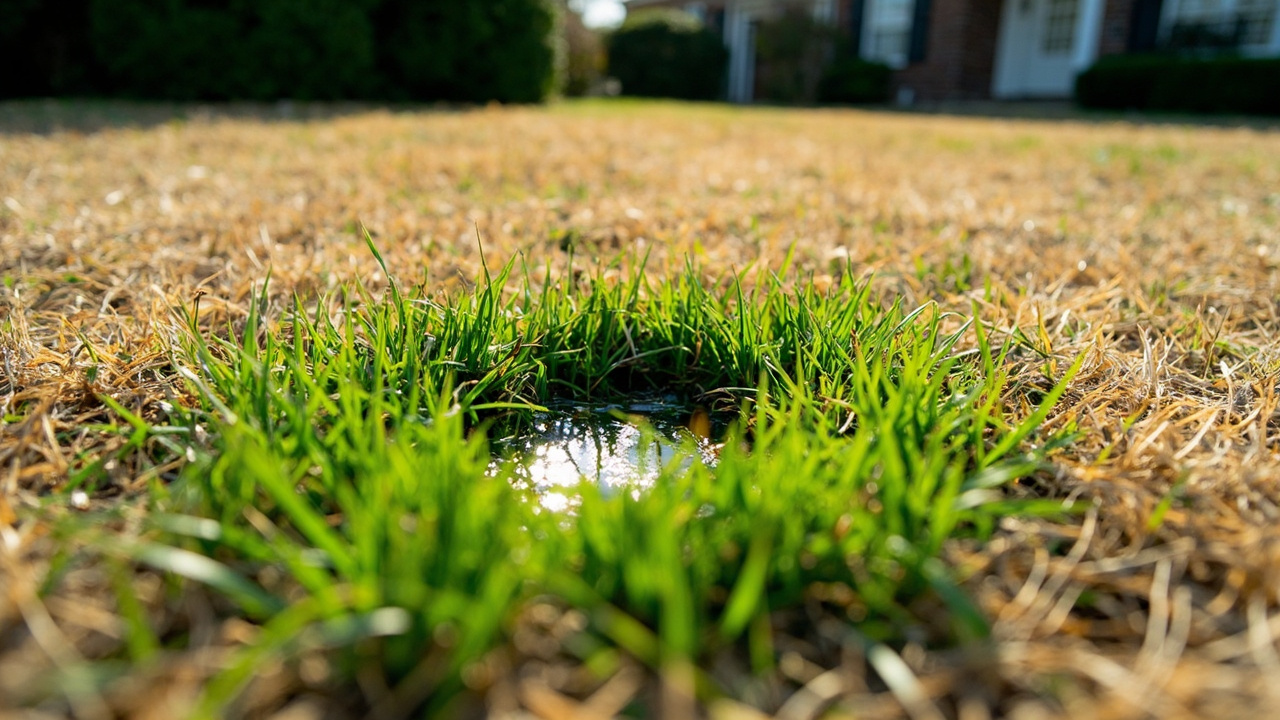
Nashville's wet springs and humid summers accelerate root intrusion. Tree roots seek moisture and nutrients, infiltrating even small cracks in sewer pipes. Once inside, they expand and create blockages. You might see soggy patches in your yard, even during dry weeks. That is raw sewage surfacing because your line cannot handle the flow.

How to tell if your sewer pipe is broken comes down to multiple fixture backups, persistent sewer odors, and unexplained foundation settling. One drain clog is a fixture problem. When every drain in your house backs up simultaneously, that is a main line failure. Sewer line failure symptoms escalate quickly in Nashville's clay soil because ground movement turns small cracks into complete separations. Waiting turns a spot repair into a full line replacement.

Nashville's Soil and Infrastructure Create Unique Sewer Line Vulnerabilities
How We Diagnose Main Sewer Line Damage

How We Diagnose Main Sewer Line Damage

We start every sewer line assessment with a high-definition camera inspection. This is not guesswork. We insert a waterproof camera mounted on a flexible cable through your cleanout or an upstream access point. The camera travels the entire length of your main sewer line, recording video as it moves.

The footage shows us exactly what is happening inside the pipe. We see root masses, grease buildup, bellied sections where the pipe has sagged, offset joints where sections have separated, and cracks or holes in the pipe wall. We measure the diameter of the pipe, identify the material (cast iron, clay, PVC, Orangeburg), and note the depth and location of any damage.

Once we map the problem, we determine the best repair method. Small cracks and root intrusions often qualify for trenchless pipe lining, where we insert an epoxy-saturated liner that hardens inside the existing pipe, creating a new pipe within the old one. This method works well in Nashville's dense soil and avoids destroying landscaping, driveways, and sidewalks.

Severe damage requires excavation. We use the camera footage to pinpoint the damaged section, so we only dig where necessary. If your line has multiple failure points or the pipe material has reached the end of its functional life, we recommend full line replacement. Cast iron pipes installed before 1970 corrode from the inside out. Clay pipes crack under soil pressure. Orangeburg pipes, made from wood pulp, collapse after 40 years.

We explain what we find, show you the camera footage, and present your options with clear cost factors for each approach.

What Happens During Your Sewer Line Evaluation

Signs You Need Sewer Repair in Nashville – Expert Diagnosis Before Damage Spreads
01

Camera Inspection

We locate your main sewer cleanout, typically found in the basement, crawlspace, or yard near the foundation. We insert a high-definition camera into the line and document the entire interior condition. This inspection reveals root intrusion, pipe corrosion, cracks, blockages, and joint separations. You see exactly what we see on a monitor in real time.
02

Damage Assessment

After reviewing the footage, we identify the type, location, and severity of damage. We measure the affected sections and determine if the problem is isolated or systemic. This assessment tells us whether you need a spot repair, pipe lining, or full replacement. We explain the findings in plain language and show you the video evidence.
03

Repair Recommendation

We present a detailed repair plan based on what the camera revealed. You get a breakdown of the work required, the method we recommend, and the timeline. We answer your questions and explain why one approach makes more sense than another for your specific situation. No surprises, no upselling. Just the facts and the fix.

Why Nashville Homeowners Choose Ironwood Plumbing for Sewer Line Diagnostics

Sewer line problems in Nashville require local knowledge. We understand how limestone bedrock and clay soil interact with aging infrastructure. We know which neighborhoods have cast iron lines from the 1950s and which areas have clay pipes vulnerable to root intrusion from mature oaks and maples.

We also understand Nashville's plumbing codes and permit requirements. Any excavation deeper than 18 inches requires a permit. Any work within the public right-of-way requires coordination with Metro Water Services. We handle the paperwork and inspections, so you do not have to navigate the bureaucracy.

Our camera equipment is professional-grade. We use high-definition cameras with locator transmitters that allow us to pinpoint the exact depth and location of damage from above ground. This precision eliminates unnecessary digging and reduces labor costs. Other companies guess. We measure.

We have repaired sewer lines in every Nashville neighborhood, from historic homes in Belmont-Hillsboro to new construction in Donelson. We have seen every type of failure: root-choked lines in East Nashville, corroded cast iron in Germantown, collapsed Orangeburg pipe in Green Hills, and bellied sections caused by foundation settling in Antioch.

When you call Ironwood Plumbing Nashville, you get a plumber who has diagnosed hundreds of sewer line failures. We do not panic. We do not exaggerate. We show you what is wrong, explain your options, and fix it right the first time. No drama, no pressure, just professional diagnosis and repair.

What to Expect When You Call for Sewer Line Inspection

Same-Day or Next-Day Scheduling

We prioritize sewer line inspections because small problems escalate quickly. Most calls get scheduled within 24 hours. If you have sewage backing up into your home, we treat it as an emergency and dispatch a technician immediately. Our trucks carry camera equipment, so we diagnose the problem on the first visit. You do not wait days for answers. We identify the issue, explain what needs to happen, and move directly to repair if you approve the work.

Transparent Camera Inspection Process

You watch the camera feed with us. We pause the video to explain what you are seeing, whether it is root intrusion, pipe corrosion, or joint separation. We point out the severity of the damage and how it affects flow capacity. After the inspection, we provide a digital copy of the footage for your records. This documentation is valuable if you are buying or selling a home, filing an insurance claim, or planning future repairs. No hidden findings, no vague explanations.

Accurate Repair Scope and Methods

We explain the difference between trenchless lining, spot repair, and full line replacement. If your damage qualifies for trenchless repair, we explain how the epoxy liner works and how long it lasts. If excavation is necessary, we show you on a site map exactly where we will dig and what restoration work is required afterward. You understand the scope before we start. The repair method matches the problem. We do not oversell replacement when lining will work, and we do not patch a line that needs replacement.

Post-Repair Verification and Documentation

After we complete the repair, we run the camera through the line again to verify the fix. You see the before and after footage side by side. We document the repair work with photos and video for your records. If we installed a liner, we provide documentation of the materials used and the expected lifespan. If we replaced a section of pipe, we note the new pipe material and depth. This documentation protects your investment and provides proof of work for future buyers or insurance claims.

Frequently Asked Questions

You Have Questions,
We Have Answers

What are four signs that your sewer line is broken? +

Four clear signs point to a broken sewer line. First, you notice multiple drains backing up at once, not just one fixture. Second, sewage odors come up through drains or appear in your yard. Third, patches of your lawn turn unusually green or soggy, even during dry periods. Fourth, you see foundation cracks or settling as soil erodes beneath your home. Nashville homes built before 1980 often have clay pipes that crack from root intrusion or shifting soil. If you spot two or more signs together, schedule a camera inspection immediately. Ignoring these warnings leads to costly property damage.

How do you know if you have sewer problems? +

You know sewer problems exist when water behaves strangely. Toilets gurgle when you run the washing machine. Drains empty slowly throughout your home, not just in one bathroom. You smell sewage near floor drains or outside your foundation. Your yard develops soft, spongy areas where the ground sinks slightly. Nashville residents often see these issues worsen during heavy rain when combined sewer systems overwhelm older lines. Pay attention when multiple fixtures act up simultaneously. That signals a main line issue, not a simple clog. A plumber can run a camera through your line to confirm the problem location.

Does homeowners insurance cover main sewer line repair? +

Most standard homeowners insurance policies exclude main sewer line repair. Insurance treats sewer lines as maintenance items, not sudden covered events. You get coverage only if damage comes from a specific covered peril like a fallen tree crushing the pipe. Some Nashville homeowners add optional sewer backup endorsements to their policies, which costs extra but covers certain repairs. Metro Nashville properties with older infrastructure face higher risk. Review your policy declarations page or call your agent to verify coverage. Consider separate service line protection if your home has pipes over 40 years old.

How to know if a sewer line needs to be replaced? +

You need replacement, not repair, when damage covers more than 30 percent of the pipe length. A camera inspection reveals multiple breaks, severe corrosion, or total collapse. Tree roots penetrate through large cracks. The pipe material itself has deteriorated, like Orangeburg fiber pipes common in 1950s Nashville construction. Your plumber finds bellied sections where the pipe sags and traps waste. Repeated clogs happen even after professional cleaning. Age matters too. Clay and cast iron lines installed before 1970 often require full replacement. Trenchless methods work for some situations, but collapsed pipes need excavation.

Can sewer pipes be repaired without digging? +

Yes, trenchless methods repair many sewer lines without digging trenches across your yard. Pipe lining pushes an epoxy-coated sleeve through your existing pipe, creating a new smooth interior. Pipe bursting breaks the old line while pulling new pipe into place. Nashville soil conditions allow both methods in most neighborhoods. You need only small access points at each pipe end. Trenchless repair costs more per foot but saves money on landscape restoration. Your line must have accessible cleanouts and no complete collapses. A camera inspection determines if your damage qualifies for trenchless repair.

What is the average lifespan of a sewer line? +

Sewer line lifespan depends entirely on pipe material. Cast iron lasts 50 to 75 years before corrosion creates holes. Clay pipes survive 50 to 60 years until tree roots crack joints. Orangeburg fiber pipes fail after just 30 to 50 years. Modern PVC lasts over 100 years. Nashville homes built between 1940 and 1980 likely have aging clay or cast iron. Check your home's age and previous inspection reports. Tree proximity matters too. Mature oaks and willows near your line shorten its life. Schedule camera inspections every five years once your pipes reach 40 years old.

How to tell if your main sewer line is clogged? +

Main sewer line clogs create distinct patterns. Every drain in your home backs up or drains slowly, not just one sink. Your toilet gurgles when someone runs water elsewhere. Water backs up into your basement floor drain or shower when you flush. You notice sewage odors throughout the house. Nashville properties with older pipes see main line clogs from grease buildup, tree root intrusion, or collapsed pipe sections. Test by running water in an upstairs bathroom while watching your basement fixtures. If water appears below, your main line is blocked. This needs professional hydro jetting, not store-bought chemicals.

Who is responsible for sewer repairs? +

Responsibility splits at your property line. You own the lateral line from your home to the city main, which runs under your yard. Metro Nashville Water Services owns the main sewer line under the street. If the break happens in your yard or under your driveway, you pay. If the main under the public right-of-way breaks, the city handles it. Confusion arises because the connection point sits underground. Request your property plat map showing the easement boundaries. Some Nashville neighborhoods built before 1960 have shared laterals between homes, complicating responsibility. A camera inspection pinpoints the exact problem location.

How much does it cost to unclog a sewer line? +

Professional sewer line unclogging varies based on severity and access. Simple hydro jetting for grease or waste clogs runs lower than clearing root-invaded pipes. Main line blockages cost more than branch line issues. Nashville plumbers charge more for emergency night or weekend calls. Distance from cleanout to blockage affects price. Camera inspection adds to total costs but prevents guessing. Most companies quote service call fees separate from clearing work. Stubborn blockages requiring multiple attempts or special equipment increase costs. Request quotes from licensed plumbers who include camera diagnostics. Avoid flat-rate advertising that hides additional charges.

How to get insurance to pay for sewer line replacement? +

Getting insurance to pay requires proving sudden damage, not neglect. Document everything with photos and professional reports. File claims immediately after discovering breaks from covered events like storms or frozen pipes. Submit camera inspection footage showing the exact damage. Provide repair estimates from licensed contractors. Appeal denials with detailed explanations of how damage occurred suddenly. Nashville homeowners succeed more often with optional sewer backup coverage added to policies before problems start. Review your policy exclusions carefully. Some insurers cover collapses but not root damage. Work with public adjusters if your claim faces denial. Maintenance records help prove you maintained the line properly.

How Nashville's Limestone Bedrock and Clay Soil Accelerate Sewer Line Failure

Nashville sits on a karst limestone foundation riddled with underground voids and sinkholes. The clay soil on top of this bedrock expands when wet and shrinks when dry, creating constant ground movement. This movement stresses sewer lines, especially older cast iron and clay pipes that lack the flexibility of modern PVC. In neighborhoods with mature trees, root systems penetrate small cracks and accelerate pipe failure. The combination of expansive soil, limestone bedrock, and aging infrastructure makes Nashville particularly vulnerable to main sewer line damage. Indicators of sewer line damage appear faster here than in cities with stable soil conditions.

Ironwood Plumbing Nashville works exclusively in Davidson County and surrounding areas. We understand Metro Water Services requirements for sewer line repairs and know which neighborhoods have combined sewer systems that require special handling during repairs. We have worked with the city on lateral line repairs, understood the permit process for excavation, and coordinated with utility locators to avoid conflicts with gas, electric, and water lines. Local expertise matters when you are digging four feet deep into Nashville's unpredictable soil. Choosing a plumber who knows the area reduces delays, avoids surprises, and ensures the repair meets local code.

Plumbing Services in The Nashville Area

Looking for expert plumbing services near you? Ironwood Plumbing Nashville proudly serves homeowners and businesses throughout the greater Nashville area with professional plumbing repairs, water heater installation, leak detection, and emergency plumbing services. From Brentwood to Hendersonville, our licensed plumbers are ready to respond quickly and efficiently. Use the map below to explore our coverage areas and discover fast, reliable plumbing help right around the corner.

Address:
IronwoodPlumbingNashville, 3102 West End Ave Suite 400, American Center, Nashville, TN, 37203

Additional Services We Offer

Our news updates

Latest Articles & News from The Blogs

Lorem ipsum dolor sit amet. Aut expedita quaerat quo eligendi numquam et laudantium perspiciatis qui minima expedita rem consequatur ducimus.…

Test Blog 4

Lorem ipsum dolor sit amet. Aut expedita quaerat quo eligendi numquam et laudantium perspiciatis qui minima expedita rem consequatur ducimus.…

Test Blog 3

Lorem ipsum dolor sit amet. Aut expedita quaerat quo eligendi numquam et laudantium perspiciatis qui minima expedita rem consequatur ducimus.…

Test Blog 2

Lorem ipsum dolor sit amet. Aut expedita quaerat quo eligendi numquam et laudantium perspiciatis qui minima expedita rem consequatur ducimus.…

Contact Us

Do not wait for a full backup. Call (615) 413-8833 now to schedule a camera inspection. We will show you exactly what is happening in your sewer line and explain your repair options. No pressure, no guesswork, just honest diagnosis.