





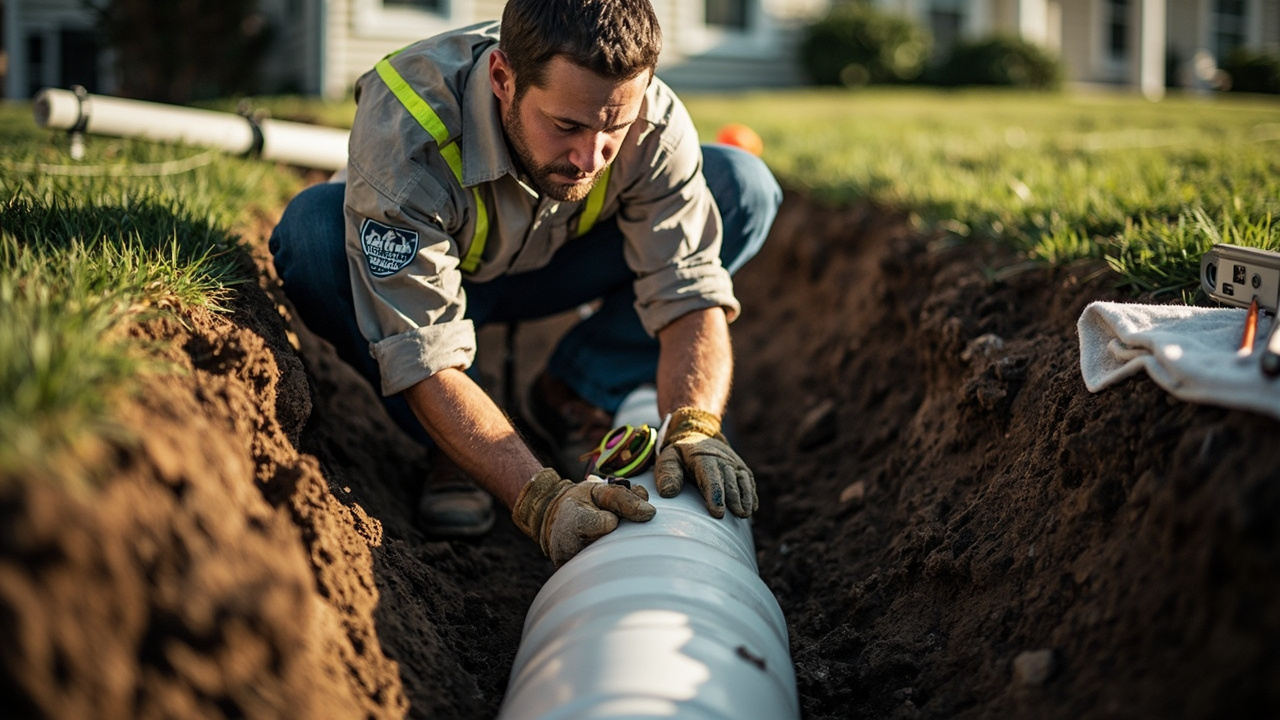
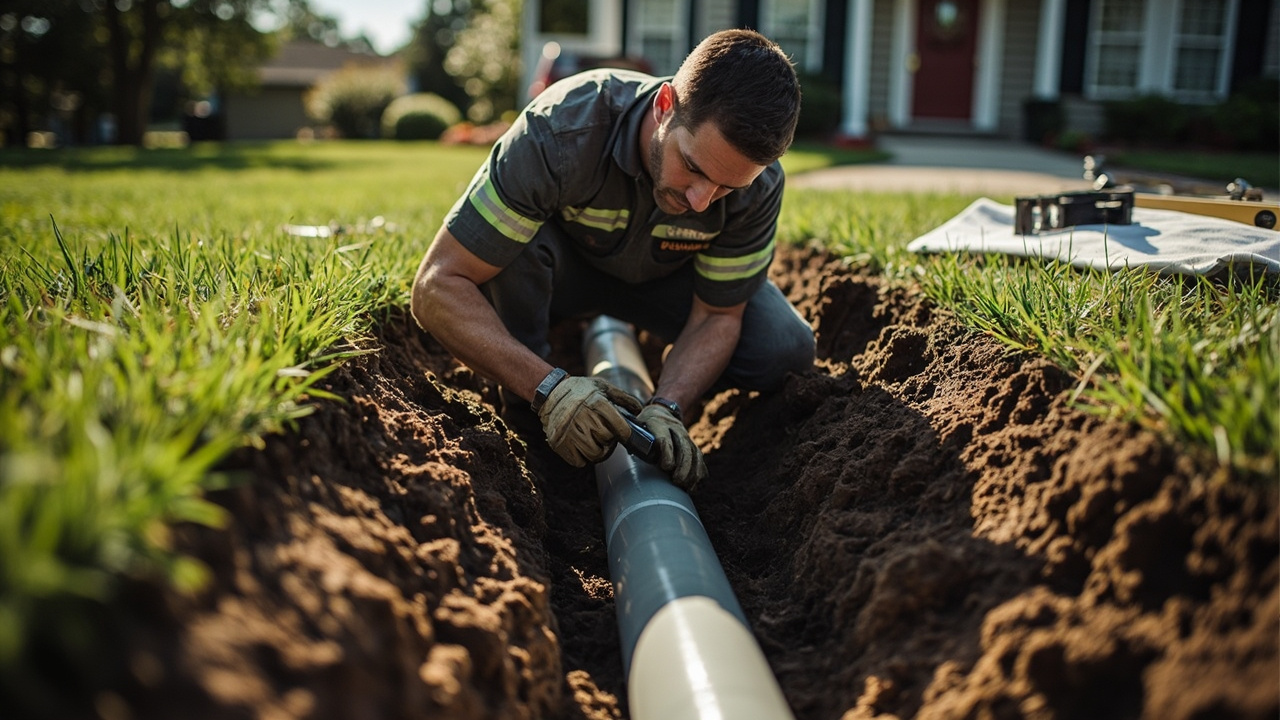
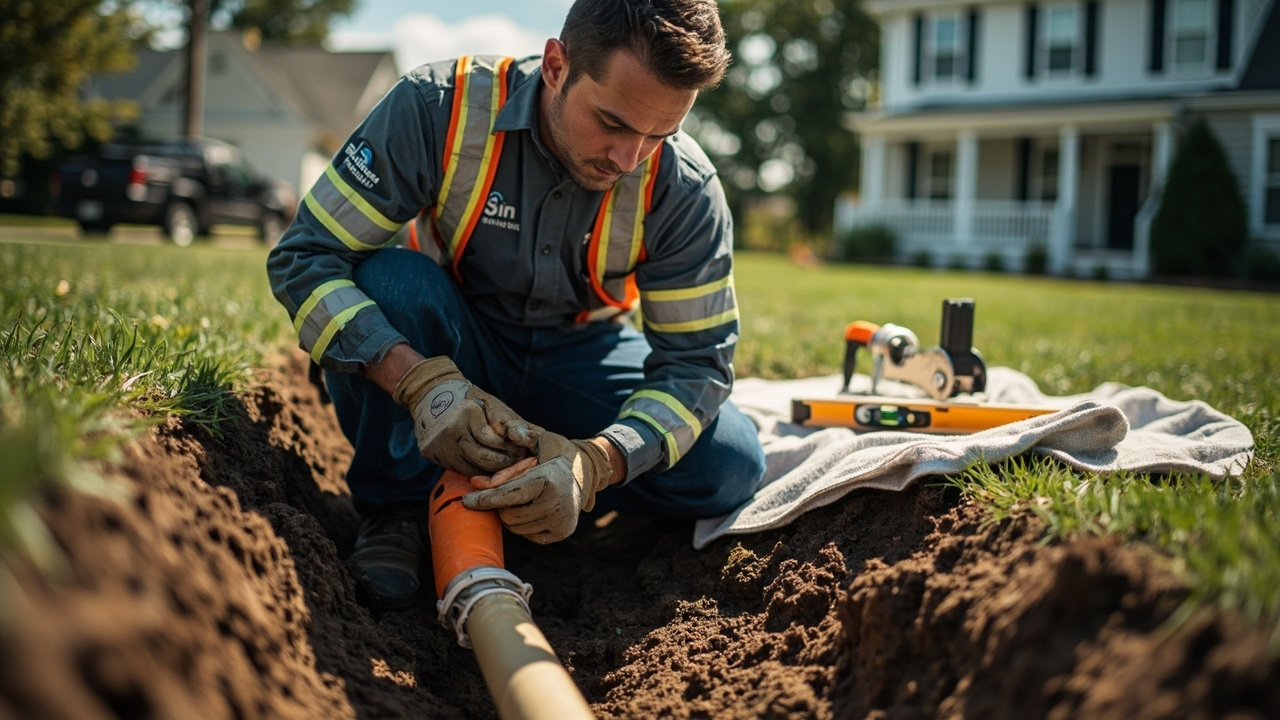
Middle Tennessee's karst geology creates voids and cavities in the limestone bedrock that allow soil to shift unpredictably. This ground movement stresses rigid sewer pipes until joints separate or the pipe cracks. Properties built on fill dirt near new development or in areas with historical sinkholes face higher risk of sewer lateral damage from settling. The problem intensifies during wet springs when saturated soil loses stability. Trenchless sewer line repair and flexible HDPE pipe handle this movement better than the clay tile common in older Nashville neighborhoods, reducing the chance of repeat failures from ground conditions beyond your control.
Nashville's reputation as a tree-covered city creates specific challenges for main sewer line repair. Mature hardwood roots extend far beyond the drip line and aggressively seek moisture from sewer laterals. Even small cracks in joints admit root hairs that expand into thick masses blocking flow. Properties in established neighborhoods like Hillsboro Village or Green Hills with decades-old trees need repair methods that prevent root reentry. Local expertise matters because we know which tree species cause the most damage, where roots typically infiltrate based on pipe depth and proximity to trunks, and how to install barriers that actually work in Nashville soil conditions.