




Menu

Septic Tank Emergency Pumping in Nashville – Dispatch in 60 Minutes or Less

When your septic system fails, sewage backup spreads fast. Ironwood Plumbing Nashville provides immediate septic tank emergency pumping with rapid response trucks on standby, protecting your Nashville property from contamination and structural damage.

Slider Image 1
Slider Image 2
Slider Image 3
Slider Image 4
Slider Image 5
Slider Image 7
Slider Image 8
Slider Image 9
Slider Image 10
Slider Image 11

Sewage Backup Does Not Wait for Business Hours

You smell it before you see it. Raw sewage pooling in your yard. Toilets backing up into your shower. Wastewater surfacing near your foundation. These are not minor inconveniences. They are biohazard emergencies that worsen by the hour.

Nashville's heavy spring rains saturate the ground and overwhelm septic drain fields. Summer storms flood leach lines. Clay soil common across Davidson County expands when wet and restricts drainage, forcing effluent back toward your home. Add in years of accumulated solids in your tank, and you have the perfect conditions for catastrophic failure.

When your septic system fails, you face three urgent threats. First, untreated sewage carries E. coli, salmonella, and hepatitis A. Second, standing wastewater damages foundations, kills landscaping, and contaminates wells. Third, Metro Nashville Public Health can issue violations and fines if neighbors report odors or visible discharge.

You need an emergency septic pumping service that arrives fast, pumps completely, and stops the contamination. Not tomorrow. Not in six hours. Now.

Urgent septic tank cleaning is not a luxury service. It is damage control. Every hour you wait, sewage spreads deeper into your soil and closer to your home. A same day septic pumping response prevents a bad situation from becoming a total disaster. When you call for immediate septic tank emptying, you are buying time against bacteria, property damage, and health department scrutiny.

This is why 24 hour septic pump out services exist. Septic emergencies follow no schedule.

Sewage Backup Does Not Wait for Business Hours
How Emergency Septic Pumping Stops the Problem Immediately

How Emergency Septic Pumping Stops the Problem Immediately

Emergency septic pumping is not the same as routine maintenance. Routine pumping happens on a schedule when your tank is partially full. Emergency pumping happens when your system has already failed and sewage is actively escaping.

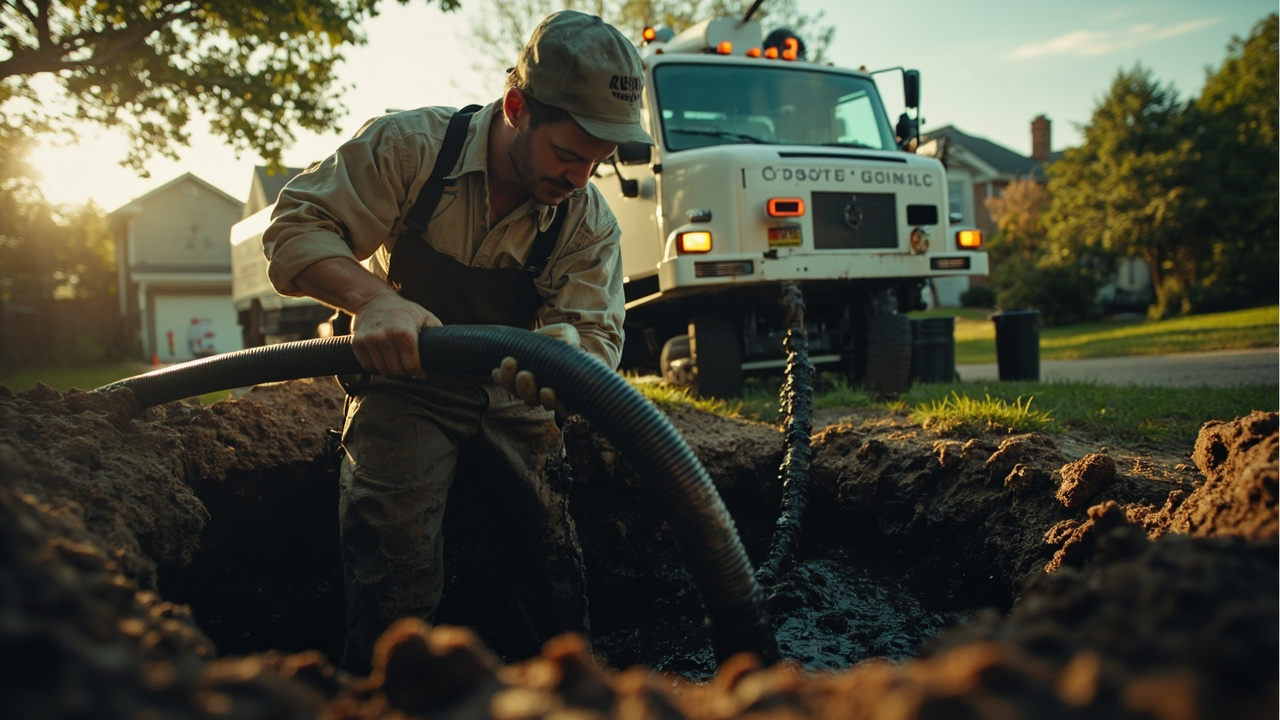
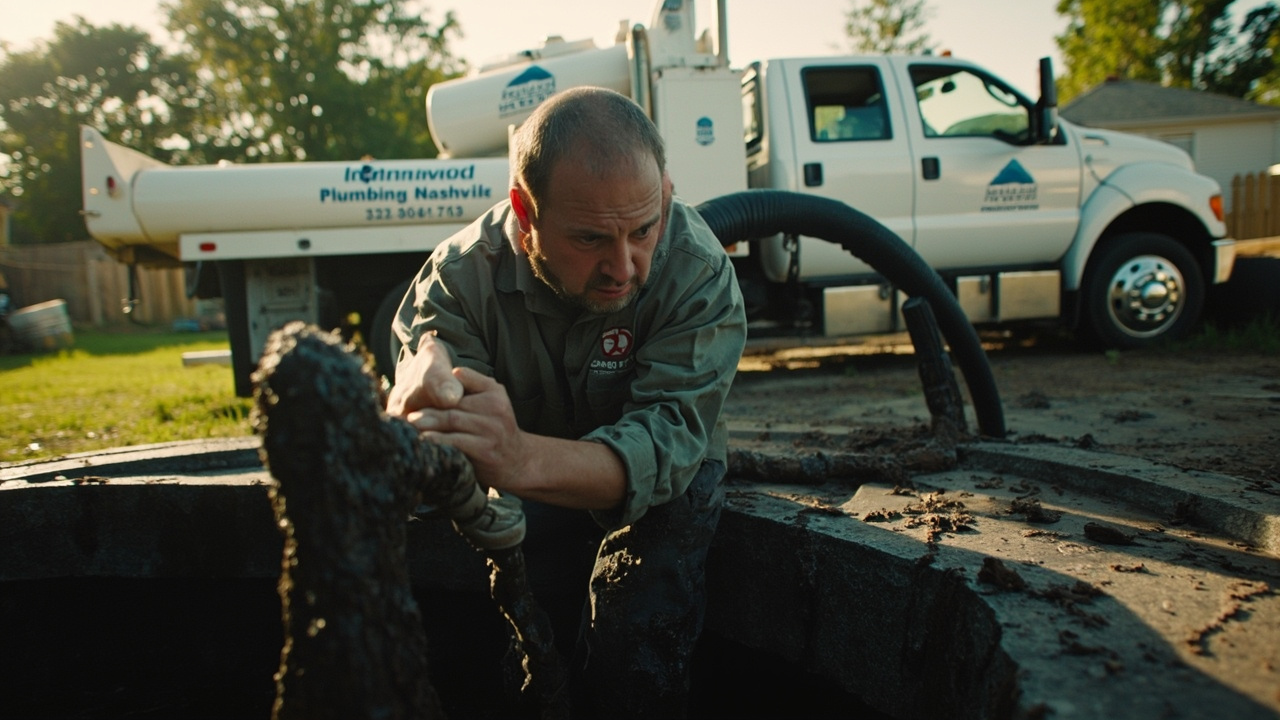
When you call Ironwood Plumbing Nashville for urgent septic tank cleaning, we dispatch a vacuum truck equipped with high-capacity pumps and extended hoses. Our trucks carry 3,000 to 5,000 gallons of capacity, enough to fully evacuate residential and light commercial tanks in one visit.

We start by locating your tank access ports. Most Nashville homes have concrete lids buried 6 to 18 inches below grade. Once exposed, we remove the lids and inspect the tank interior with a flashlight. We look for three things: the scum layer thickness, the sludge depth, and the condition of the baffles and outlet tee.

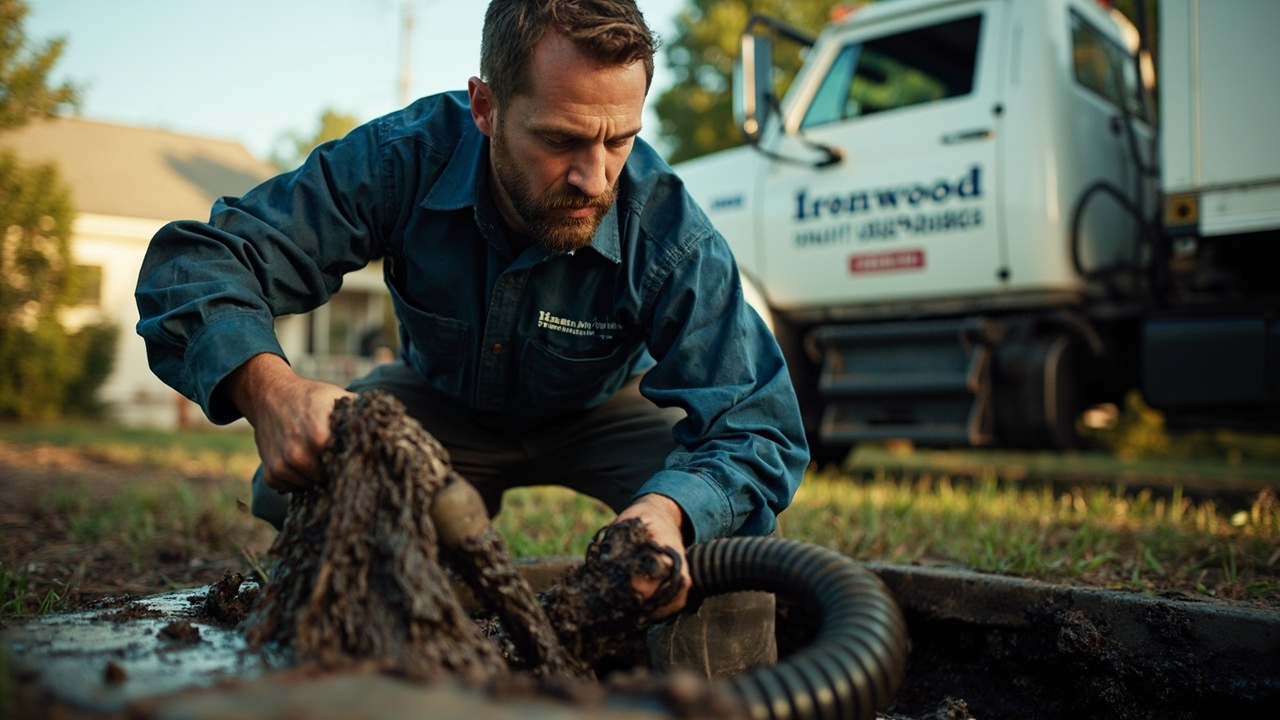
Next, we insert the vacuum hose and begin extraction. We pump from multiple points to pull sludge from the bottom and floating solids from the top. We also agitate the tank contents with a pressure wand to break up compacted solids and ensure complete removal. Incomplete pumping leaves behind material that accelerates the next failure.

After the tank is empty, we inspect the inlet and outlet baffles for cracks or blockages. We check the drain field for standing water or surfacing effluent. If we find a failed baffle or a saturated leach line, we document it and explain your options. Emergency pumping buys you time, but it does not fix broken components.

We also test your drain field by running water into the system. If the field accepts water, the problem was tank overload. If water backs up, you have a field failure that requires excavation or replacement.

What Happens During an Emergency Septic Call

Septic Tank Emergency Pumping in Nashville – Dispatch in 60 Minutes or Less
01

Immediate Truck Dispatch

When you call our emergency line, we dispatch the nearest available vacuum truck. We ask three questions: where is sewage surfacing, when did it start, and is anyone in the home experiencing illness. We also confirm your address and access route. Our trucks are heavy and need clear paths to your tank location. You receive an ETA within five minutes of your call.
02

Complete Tank Evacuation

Our technician uncovers your tank lids, inspects the interior, and pumps all liquid and solid waste. We use a pressure wand to break up settled sludge and ensure total removal. We also rinse the tank walls and baffles to remove clinging debris. The entire evacuation takes 30 to 60 minutes depending on tank size and sludge density. You receive a verbal report immediately after pumping.
03

System Assessment and Documentation

After pumping, we test your drain field by running water through the system. We also inspect baffles, tees, and outlet pipes for damage. If we find cracks, breaks, or field saturation, we photograph the issue and explain your repair options. You leave with a written service record that includes tank condition, sludge depth, and any recommended follow-up. This documentation is critical for insurance claims and health department inquiries.

Why Nashville Homeowners Call Ironwood Plumbing for Septic Emergencies

Septic emergencies require three things most plumbing companies cannot provide: large-capacity trucks, after-hours availability, and technicians trained in emergency response. Ironwood Plumbing Nashville maintains both.

Our vacuum trucks operate 24 hours a day, seven days a week. We do not schedule emergency calls for the next business day. We dispatch immediately because sewage contamination spreads fast. A two-hour delay can mean the difference between isolated yard damage and sewage infiltrating your crawlspace.

We also understand Nashville's geography and soil conditions. Homes in Bellevue, Hermitage, and Donelson sit on clay-heavy soil that drains poorly after rain. Properties near the Cumberland River face high water tables that saturate drain fields. Older homes in East Nashville often have undersized septic tanks that were never upgraded when families grew. These local factors determine how quickly a system fails and how we approach the repair.

Davidson County requires septic system permits for repairs and replacements. If your emergency pumping reveals a failed baffle or collapsed drain field, we can guide you through the Metro Water Services permitting process. We work with local soil scientists and engineers who conduct percolation tests and design compliant replacement systems.

We also carry full liability and pollution insurance. Septic work involves biohazards and environmental risk. If something goes wrong during an emergency pump-out, you need a contractor who can cover contamination cleanup and property restoration. Uninsured operators leave you holding the liability.

Finally, we document everything. You receive a written report with tank measurements, sludge depth, and system condition. This record is essential if you file an insurance claim or need to prove compliance with health department regulations.

What You Can Expect from Our Emergency Septic Service

Arrival Time and Availability

We target 60-minute response times for emergency calls within Nashville and Davidson County. Late-night calls may extend to 90 minutes depending on technician location and traffic. We operate 24 hours a day, including weekends and holidays. When you call our emergency line, you speak directly to a dispatcher who assigns your job and provides a real-time ETA. We do not use answering services or schedule callbacks. Our trucks carry GPS trackers so dispatch can monitor arrival times and reroute if needed.

Onsite Assessment Process

Before we pump, our technician inspects your property to identify the source of the overflow. We check for surfacing sewage, saturated soil, and odors near the drain field. We also ask about recent water usage, garbage disposal habits, and how long since your last pump-out. This helps us determine whether the problem is tank overload, baffle failure, or field saturation. After pumping, we test the system by running water through the house. If the tank refills and drains normally, you are clear. If water backs up, you need drain field repair.

Quality of Work and Cleanup

We pump your tank completely, not partially. Partial pumping is faster but leaves sludge behind that accelerates the next failure. We also rinse the tank interior and remove floating debris. After pumping, we replace and secure all tank lids to prevent accidents. If we disturb your landscaping to access buried lids, we backfill and grade the soil. We do not leave open holes or exposed lids. Our trucks also carry spill containment equipment in case of leaks during transport. You will not find sewage residue in your yard after we leave.

Follow-Up and Maintenance Planning

After emergency pumping, we provide a written service report that includes tank size, sludge depth, and system condition. If we identify damage or wear, we explain your options and provide cost factors for repair. We also recommend a pumping schedule based on household size and tank capacity. Most Nashville homes need pumping every three to five years. Homes with garbage disposals or high water usage need more frequent service. We can add you to our maintenance reminder program so you receive notifications before your tank reaches critical capacity.

Frequently Asked Questions

You Have Questions,
We Have Answers

How much is an emergency septic pump? +

Emergency septic pumping in Nashville typically costs more than routine service due to after-hours availability and urgency. Prices vary based on tank size, accessibility, and timing. Weekend or middle-of-the-night calls carry premium rates. A standard residential tank ranges from 750 to 1,500 gallons. Emergency service accounts for immediate response, equipment mobilization, and technician availability. Nashville's clay soil can complicate access during wet conditions, potentially increasing costs. Get an upfront quote before work begins. Most providers accept payment plans or work with insurance if the emergency results from covered damage.

How long can a septic go without pumping? +

Nashville homeowners should pump septic tanks every three to five years under normal conditions. Going longer risks system failure. A family of four with a 1,000-gallon tank can typically wait three years maximum. Heavy water use, garbage disposal operation, or larger households shorten this timeline. Middle Tennessee's clay soil retains moisture, which stresses drain fields when tanks overfill. Watch for slow drains, gurgling pipes, or sewage odors. These signal your tank has reached capacity. Delaying pumping causes solids to enter the drain field, leading to expensive repairs that far exceed routine maintenance costs.

What is considered a septic emergency? +

A septic emergency requires immediate professional response. Raw sewage backing up into your Nashville home through drains, toilets, or bathtubs is the clearest sign. Pooling wastewater in your yard, especially near the drain field, indicates system failure. Overwhelming sewage smell inside or outside your property signals dangerous overflow. Gurgling sounds from multiple drains simultaneously mean blockage. Standing water that appears after heavy Nashville rainfall might indicate drain field saturation. These situations pose health hazards and can contaminate groundwater. Do not wait. Stop water use immediately and call for emergency pumping to prevent property damage and protect your family.

How much does it typically cost to pump out a septic tank? +

Standard septic pumping in Nashville runs between $300 and $600 for most residential tanks. A typical 1,000-gallon tank costs around $375 to $450. Larger tanks (1,500+ gallons) increase the price. Accessibility matters. Tanks buried deep or located far from truck access cost more due to extra hose length and labor. Middle Tennessee's terrain can complicate access. Pumping frequency affects cost efficiency. Regular maintenance every three to five years prevents expensive emergency calls, which can double standard rates. Most Nashville providers offer free inspections with pumping to catch issues early before they become costly failures.

What are the signs that your septic tank is full? +

Slow draining sinks, showers, and toilets indicate a full septic tank. Multiple fixtures draining poorly simultaneously points to tank capacity issues rather than isolated clogs. Sewage backing up into lower-level drains, particularly basement fixtures in Nashville homes, signals overflow. Foul odors near the tank or drain field area become noticeable. Lush, unusually green grass over the drain field suggests leaking nutrients from an overfilled system. Gurgling sounds when flushing or draining water indicate air displacement from a full tank. Standing water or soggy ground near the septic system requires immediate attention to prevent system failure and property contamination.

How much does it cost to empty a 1500 gallon septic tank? +

Pumping a 1,500-gallon septic tank in Nashville typically costs $450 to $650 for routine service. Tank size directly affects pricing since larger capacity requires more time and disposal fees at treatment facilities. Emergency pumping after hours or on weekends adds $150 to $300 to base rates. Difficult access due to Nashville's rolling terrain, landscaping obstacles, or buried lids increases labor costs. Some properties in older Nashville neighborhoods have deeper tanks that require additional hose length. Request quotes from multiple licensed providers. Regular pumping every four to five years for this size tank prevents emergency situations that cost significantly more.

Can a septic tank go 30 years without being pumped? +

No. A septic tank cannot safely go 30 years without pumping. This causes catastrophic system failure. Solids accumulate and eventually overflow into the drain field, clogging the soil permanently. Nashville's clay soil offers poor drainage naturally, making drain field damage irreversible once contaminated. A neglected tank becomes a health hazard, contaminating groundwater and potentially affecting neighboring properties. Repairs or full system replacement can exceed $15,000 to $30,000 compared to routine pumping costs under $500. Even low-use systems require pumping every five to seven years maximum. Sludge and scum layers harden over time, making delayed pumping more difficult and expensive.

What should you never flush into a septic system? +

Never flush grease, cooking oils, or fats down drains. These solidify and clog systems. Avoid feminine hygiene products, condoms, diapers, or wipes (even "flushable" ones). These do not break down and cause blockages. Do not flush cigarette butts, dental floss, cat litter, or coffee grounds. Medications contaminate groundwater and harm beneficial bacteria in your tank. Harsh chemicals, paint, pesticides, or solvents kill the bacteria that digest waste. Avoid excessive bleach or antibacterial soaps. In Nashville, where many homes rely on septic systems rather than city sewer, these mistakes lead to expensive emergency calls and system damage.

How often should a septic tank be pumped for a family of 5? +

A family of five should pump their septic tank every two to three years in Nashville. Larger households generate more wastewater and solids, filling tanks faster. Tank size matters. A 1,000-gallon tank needs more frequent service than a 1,500-gallon system. Water usage patterns affect timing. Families running multiple loads of laundry daily or using garbage disposals require more frequent pumping. Middle Tennessee's clay soil drains slowly, stressing systems faster when tanks approach capacity. Track your last pumping date and schedule proactively. Waiting for warning signs means you have likely already damaged your drain field. Preventive pumping costs far less than emergency repairs.

How long before septic shock kills you? +

This question refers to septic shock, a medical emergency unrelated to septic systems. Septic shock is a life-threatening condition where infection causes dangerous blood pressure drops. It can kill within hours without immediate medical treatment. If you or someone experiences confusion, difficulty breathing, rapid heartbeat, extreme weakness, or cold, clammy skin, call 911 immediately. This is not a plumbing issue. For septic tank emergencies involving sewage backup or system failure in your Nashville home, contact a licensed septic professional immediately to prevent property damage and health hazards from wastewater exposure. These are separate emergencies requiring different responses.

How Nashville's Clay Soil and Spring Rains Trigger Septic Failures

Davidson County sits on heavy clay soil with slow percolation rates. When your septic drain field tries to disperse effluent into saturated clay, the liquid has nowhere to go. It backs up into your tank, then into your house. Nashville receives an average of 48 inches of rain per year, with the heaviest storms in March, April, and May. These spring rains coincide with high water tables and create perfect conditions for drain field saturation. Older homes in Antioch, Madison, and Joelton often have undersized drain fields designed for smaller households. When these systems fail during wet weather, emergency septic pumping becomes the only option to stop sewage from surfacing in your yard.

Metro Nashville Public Health enforces septic system regulations under Tennessee Code Title 68. If your system fails and neighbors report sewage odors or visible discharge, you can face mandatory inspections and repair orders. Working with a local contractor who understands Davidson County permit requirements ensures your emergency repair meets code and avoids penalties. Ironwood Plumbing Nashville works with Metro Water Services inspectors and local soil engineers to design compliant repairs. We also maintain relationships with pumping disposal facilities approved by Metro, ensuring your waste is handled legally and safely. When you choose local expertise, you choose compliance.

Plumbing Services in The Nashville Area

Looking for expert plumbing services near you? Ironwood Plumbing Nashville proudly serves homeowners and businesses throughout the greater Nashville area with professional plumbing repairs, water heater installation, leak detection, and emergency plumbing services. From Brentwood to Hendersonville, our licensed plumbers are ready to respond quickly and efficiently. Use the map below to explore our coverage areas and discover fast, reliable plumbing help right around the corner.

Address:
IronwoodPlumbingNashville, 3102 West End Ave Suite 400, American Center, Nashville, TN, 37203

Additional Services We Offer

Our news updates

Latest Articles & News from The Blogs

Lorem ipsum dolor sit amet. Aut expedita quaerat quo eligendi numquam et laudantium perspiciatis qui minima expedita rem consequatur ducimus.…

Test Blog 4

Lorem ipsum dolor sit amet. Aut expedita quaerat quo eligendi numquam et laudantium perspiciatis qui minima expedita rem consequatur ducimus.…

Test Blog 3

Lorem ipsum dolor sit amet. Aut expedita quaerat quo eligendi numquam et laudantium perspiciatis qui minima expedita rem consequatur ducimus.…

Test Blog 2

Lorem ipsum dolor sit amet. Aut expedita quaerat quo eligendi numquam et laudantium perspiciatis qui minima expedita rem consequatur ducimus.…

Contact Us

Sewage contamination spreads fast. Every minute counts. Call Ironwood Plumbing Nashville now at (615) 413-8833 for immediate dispatch. Our emergency septic pumping trucks are standing by 24 hours a day. Stop the damage before it reaches your foundation.