


Menu

Running Toilet Repair in Nashville – Stop Water Waste and High Bills Fast

Expert diagnosis and permanent fixes for running toilets across Nashville. We identify the root cause, whether it's a worn flapper, faulty fill valve, or ghost flushing, and restore your toilet's efficiency the same day.

Slider Image 1
Slider Image 2
Slider Image 3
Slider Image 4
Slider Image 5
Slider Image 7
Slider Image 8
Slider Image 9
Slider Image 10
Slider Image 11

Why Your Nashville Toilet Won't Stop Running

You hear it constantly. That hiss. That trickle. Water flowing into the bowl long after you flush. A running toilet is not just annoying. It wastes hundreds of gallons per day and spikes your water bill.

Nashville's hard water accelerates mineral buildup inside the tank. Calcium deposits clog fill valves, corrode flappers, and throw off the float mechanism. The city's limestone-heavy water supply leaves residue that shortens the lifespan of every rubber seal and valve inside your toilet. What starts as a small leak becomes a chronic water drain.

You might notice ghost flushing. The toilet refills on its own every few minutes, even when no one touched it. That means the flapper is not sealing. Water leaks from the tank into the bowl, triggering the fill valve to kick in. If you have to jiggle the handle to stop the flow, the flush lever chain is too loose or the flapper is degraded.

Some homeowners try a toilet flapper replacement from the hardware store. It helps temporarily. But if the fill valve is worn or the overflow tube is cracked, the problem comes back. You need a full diagnostic to stop toilet from running for good. Nashville homes built before 2000 often have original tank hardware that has never been serviced. Those parts fail quietly, wasting water while you sleep.

The fix is not always obvious. A running toilet can have multiple causes, and band-aid repairs just delay the real solution.

Why Your Nashville Toilet Won't Stop Running
How We Diagnose and Fix Running Toilet Problems

How We Diagnose and Fix Running Toilet Problems

We do not guess. We test every component inside the tank to isolate the failure point. First, we inspect the flapper. If it is warped, stiff, or coated in mineral scale, it cannot create a watertight seal. We check the flush valve seat for pitting or corrosion. Even a smooth-looking flapper will leak if the valve seat is damaged.

Next, we test the fill valve. We listen for hissing at the valve body and check if water overflows into the standpipe. A failing fill valve does not shut off cleanly. It keeps trickling water into the tank, which slowly leaks into the bowl. We adjust or replace the fill valve depending on wear.

We inspect the float assembly. If the float sits too high, the tank overfills and water spills into the overflow tube. If it sits too low, the toilet does not flush properly and you end up holding the handle down. We calibrate the float to the correct water level, which stops unnecessary refilling cycles.

We check the flush lever and chain tension. A chain that is too tight holds the flapper open. A chain that is too loose prevents a full flush. Both conditions cause running water. We adjust the chain length to ensure a clean, complete flush cycle every time.

For ghost flushing troubleshooting, we add dye to the tank water. If color appears in the bowl without flushing, we know the flapper is leaking. We then determine if the flapper itself is bad or if the valve seat needs resurfacing. Ironwood Plumbing Nashville carries commercial-grade flappers and fill valves designed to resist Nashville's hard water, so your repair lasts longer than a generic store-bought part.

What Happens During Your Running Toilet Repair

Running Toilet Repair in Nashville – Stop Water Waste and High Bills Fast
01

Tank Inspection and Testing

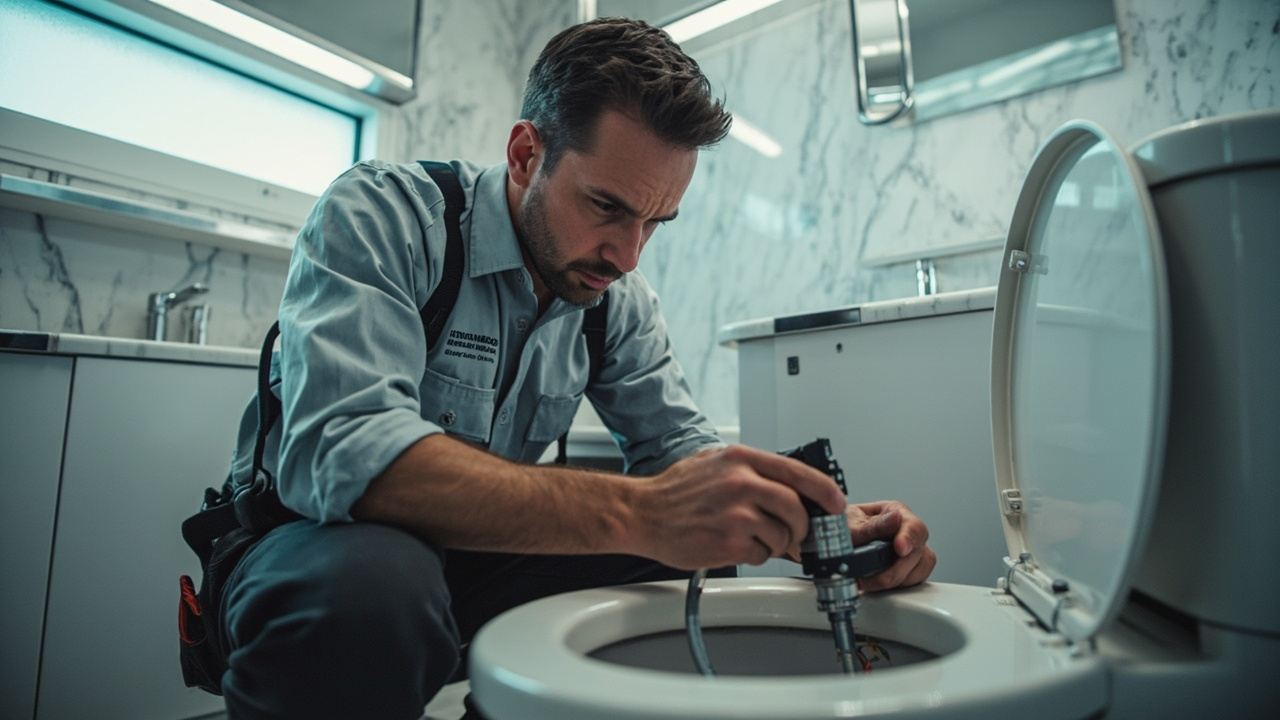
We remove the tank lid and perform a visual and functional inspection of all internal components. We test the flapper seal, check the fill valve for leaks, and measure the water level against the overflow tube. We use dye testing to confirm any silent leaks. This step reveals the exact failure point so we can fix running toilet issues at the source, not just treat symptoms.
02

Component Replacement or Adjustment

Once we identify the problem, we replace worn parts with high-quality components rated for hard water conditions. We install a new flapper if the seal is compromised, swap out the fill valve if it is not shutting off, or adjust the float and chain tension to restore proper flush cycles. We clean mineral deposits from the valve seat and overflow tube to ensure smooth operation moving forward.
03

Function Test and Water Bill Reduction

We cycle the toilet multiple times to confirm the tank fills correctly, the flapper seals completely, and no water leaks into the bowl. We verify the fill valve shuts off cleanly and the water level sits below the overflow tube. Before we leave, we show you the repair and explain what caused the failure. You get a toilet that stops wasting water immediately, which translates to lower water bills starting this month.

Why Nashville Homeowners Trust Us for Toilet Repairs

We understand Nashville plumbing. The city's water chemistry is harder than most of Tennessee, and that mineral content wears out toilet hardware faster than in softer water regions. We stock replacement parts specifically chosen for durability in high-calcium water. That means your repair lasts longer and you do not have the same problem six months later.

We have worked in homes across East Nashville, Green Hills, Germantown, and 12 South. We know the plumbing quirks of older homes in Sylvan Park and the builder-grade fixtures common in newer developments near The Gulch. We have seen every type of running toilet, from vintage toilets with ballcock valves to modern dual-flush systems with electronic fill valves.

When you call us, you talk to a local plumber who understands your home. We do not subcontract or send untrained techs. The person who answers your call schedules your appointment, and the technician who arrives is fully trained in diagnostic toilet repair. We explain what we find, show you the failed part, and give you options before we start the work.

We also know Nashville building codes. If your toilet needs a replacement or upgrade to meet current water efficiency standards, we guide you through the process. Some older toilets use 3.5 gallons per flush. Modern code allows a maximum of 1.6 gallons per flush. Upgrading to a WaterSense-certified toilet can cut your water usage by more than half, and we can handle the full installation.

Ironwood Plumbing Nashville has served the greater Nashville metro for years. We have built a reputation for honest diagnostics and durable repairs. We do not upsell you on parts you do not need, and we do not patch problems that require a real fix.

What to Expect When You Schedule Running Toilet Repair

Same-Day Service Available

Most running toilet repairs take less than an hour. We carry common replacement parts on every truck, so we can complete the fix during the first visit. If you call us in the morning, we can often arrive the same afternoon. For urgent situations where the toilet is wasting significant water or causing noise issues that disrupt your home, we prioritize your appointment. You do not have to wait days or waste more water while a parts order ships. We get your toilet working correctly the same day in most cases.

Thorough Diagnostic Process

We do not just replace the flapper and leave. We examine the entire flush mechanism. We test the fill valve shutoff, inspect the overflow tube for cracks, and check the tank bolts for leaks. We look for secondary issues that could cause future problems. If your toilet has been running for weeks, we check for water damage around the base and ensure the wax ring is still sealing correctly. This comprehensive approach prevents repeat service calls and gives you confidence that the repair is complete and permanent.

Durable Repairs That Last

We use high-quality replacement parts rated for Nashville's water conditions. Standard hardware store flappers are made from thin rubber that degrades quickly in hard water. We install commercial-grade components designed for longevity. Our fill valves have brass or reinforced plastic bodies that resist mineral buildup. Our flappers are thicker and chemically resistant. The result is a repair that holds up for years, not months. You get a toilet that stops wasting water and stays silent between flushes.

Clear Explanation and Prevention Tips

Before we leave, we walk you through what we fixed and why it failed. We show you the old parts so you understand what wore out. We also give you simple maintenance tips to extend the life of your toilet. For example, we recommend periodic cleaning of the fill valve screen to prevent mineral clogs, and we suggest testing your flapper once a year with dye tablets. If your home has particularly hard water, we can discuss water softener options that reduce scale buildup throughout your plumbing system. You get knowledge, not just a repair.

Frequently Asked Questions

You Have Questions,
We Have Answers

How do you fix a toilet that is constantly running? +

Start by lifting the tank lid and checking the flapper. If it's warped or cracked, replace it. Next, inspect the fill valve for proper shutoff. Adjust the float arm so water stops about one inch below the overflow tube. Check the refill tube to ensure it's clipped inside the overflow pipe, not submerged. If the chain connecting the flush lever to the flapper has too much slack, shorten it. Test the flush. Nashville's hard water can cause mineral buildup on these components, making replacement more effective than cleaning in many cases.

What should you repair in a running toilet? +

The flapper is the most common culprit in running toilets. This rubber seal at the tank bottom wears out from constant water exposure and mineral deposits. Replace it every three to five years. The fill valve controls water flow into the tank and can malfunction from sediment buildup. The flush valve assembly, including the overflow tube, may crack over time. In Nashville homes with older plumbing, corrosion can affect metal tank components. Inspect the tank-to-bowl gasket if you notice leaking between the tank and bowl during operation.

What is the most likely cause of water continually running inside a toilet? +

A worn or misaligned flapper causes most running toilets. This rubber seal fails to create a watertight seal at the flush valve opening, allowing water to trickle constantly from the tank into the bowl. Nashville's mineral-heavy water accelerates flapper deterioration. The flapper can warp, develop cracks, or accumulate buildup that prevents proper sealing. Sometimes the chain connecting the flush handle to the flapper gets tangled or has incorrect tension, holding the flapper slightly open. A failing fill valve that doesn't shut off completely is the second most common cause.

Can I fix a running toilet without turning off the water? +

You can inspect and diagnose a running toilet without shutting off water, but you should turn off the supply valve before attempting repairs. The shutoff valve sits on the wall or floor behind the toilet where the supply line connects. Turn it clockwise until tight. This prevents flooding if you drop a component or accidentally disconnect something. You can quickly check if the flapper seats properly or if the chain has correct tension without shutting water off, but any actual part replacement requires stopping the water flow to the tank.

What are signs of a worn toilet flapper? +

The most obvious sign is the constant sound of running water when the toilet hasn't been flushed recently. You may see ripples in the toilet bowl from water trickling down. Add food coloring to the tank and wait 15 minutes without flushing. If color appears in the bowl, the flapper leaks. A worn flapper feels slimy, appears cracked, or has visible deterioration along the sealing edge. It may not sit centered on the flush valve opening. Nashville's chlorinated water breaks down rubber flappers faster than in other regions.

What are two things you should never flush down a toilet? +

Never flush medication down your toilet. Pharmaceuticals contaminate Nashville's water supply and harm aquatic life in the Cumberland River watershed. Water treatment facilities cannot filter out many drug compounds. Never flush wipes, even those labeled flushable. They don't break down like toilet paper and cause blockages in your home's drain lines and the city sewer system. Nashville has spent significant resources clearing wipe-related clogs from municipal infrastructure. Cotton swabs, dental floss, cat litter, and paper towels also cause serious plumbing problems and should go in the trash.

Why is my toilet running when it's not being used? +

Your toilet flapper has failed to seal properly, allowing water to leak from the tank into the bowl continuously. The toilet's fill valve detects dropping water levels and refills the tank automatically, creating the running sound. This cycle repeats constantly. Mineral deposits from Nashville's hard water can prevent the flapper from seating flush against the valve opening. A corroded overflow tube or cracked flush valve assembly can also cause phantom flushing, where the toilet runs briefly every few minutes as water escapes and the tank refills.

Why put aluminum foil in a toilet tank? +

Aluminum foil placed behind the flapper or wrapped around tank bolts does nothing beneficial for your plumbing system. This internet myth claims foil prevents mineral buildup or improves flushing. It doesn't. Foil can actually interfere with flapper sealing and introduce sharp edges that damage rubber components. Some people confuse this with using foil as a temporary diagnostic tool to check for leaks in specific areas, but even that's unnecessary. If you have a running toilet in Nashville, replace worn parts rather than trying folk remedies that waste time and risk damage.

How do I know if my fill valve or flapper is bad? +

Remove the tank lid and flush. Watch the flapper drop and seal. If water continues trickling into the bowl after the flapper closes, replace the flapper. If the flapper seals properly but water keeps running and overflowing down the tube, the fill valve isn't shutting off. Try adjusting the float first. If adjustment doesn't stop the flow, replace the fill valve. You can also shut off the water supply and mark the water level in the tank. Wait 30 minutes. If the level drops, the flapper leaks. If it stays constant, suspect the fill valve.

Should I call a plumber for a running toilet? +

Call a plumber if you've replaced the flapper and fill valve but the toilet still runs. You may have a cracked overflow tube, damaged flush valve seat, or corroded tank components requiring professional assessment. If you're uncomfortable working with plumbing components or lack the tools for proper installation, professional repair prevents water damage from mistakes. A running toilet wastes thousands of gallons monthly, inflating your Nashville water bill significantly. A plumber can diagnose the issue quickly, install quality parts correctly, and check for underlying problems you might miss during a DIY repair attempt.

How Nashville's Hard Water Destroys Toilet Components Faster

Nashville draws its water from the Cumberland River and underground limestone aquifers. The result is some of the hardest water in Tennessee, with elevated calcium and magnesium levels. These minerals precipitate out inside your toilet tank, coating the fill valve, flapper, and flush valve seat with a chalky white film. Over time, this buildup prevents the flapper from sealing cleanly and clogs the fill valve diaphragm, causing constant running. Homes in areas like Belle Meade and Forest Hills, which rely on older well systems or municipal water with minimal softening, see even faster deterioration. A toilet flapper that would last five years in soft water might fail in two years here. That is why running toilet repair is such a common service request across Nashville.

Choosing a local plumber who understands Nashville's water chemistry ensures you get the right parts and the right repair. Generic toilet repair advice from national chains does not account for our specific mineral content. Ironwood Plumbing Nashville has worked in every neighborhood, from the historic homes in Germantown with original cast-iron waste lines to the new construction in The Nations with PEX supply lines. We know which replacement parts hold up best in our water and which shortcuts will fail. We also understand local building codes and water conservation regulations, so any repair or replacement meets current standards and protects your investment.
Plumbing Services in The Nashville Area

Looking for expert plumbing services near you? Ironwood Plumbing Nashville proudly serves homeowners and businesses throughout the greater Nashville area with professional plumbing repairs, water heater installation, leak detection, and emergency plumbing services. From Brentwood to Hendersonville, our licensed plumbers are ready to respond quickly and efficiently. Use the map below to explore our coverage areas and discover fast, reliable plumbing help right around the corner.

Address:
IronwoodPlumbingNashville, 3102 West End Ave Suite 400, American Center, Nashville, TN, 37203

Additional Services We Offer

Our news updates

Latest Articles & News from The Blogs

Lorem ipsum dolor sit amet. Aut expedita quaerat quo eligendi numquam et laudantium perspiciatis qui minima expedita rem consequatur ducimus.…

Test Blog 4

Lorem ipsum dolor sit amet. Aut expedita quaerat quo eligendi numquam et laudantium perspiciatis qui minima expedita rem consequatur ducimus.…

Test Blog 3

Lorem ipsum dolor sit amet. Aut expedita quaerat quo eligendi numquam et laudantium perspiciatis qui minima expedita rem consequatur ducimus.…

Test Blog 2

Lorem ipsum dolor sit amet. Aut expedita quaerat quo eligendi numquam et laudantium perspiciatis qui minima expedita rem consequatur ducimus.…

Contact Us

Call Ironwood Plumbing Nashville at (615) 413-8833 right now. We will diagnose your running toilet, fix the problem, and stop the water waste immediately. Same-day service available across the Nashville metro.