
Understanding Nashville’s Water Profile
Belle Meade residents receive water from the Cumberland River through Metro Water Services. The city treats this surface water with chlorine and other disinfectants to meet federal safety standards. However treatment does not remove all dissolved minerals and potential contaminants. How to Stop Your Belle Meade Basement from Flooding This Season.
Nashville’s limestone-rich geology creates naturally hard water with calcium and magnesium levels averaging 120-180 parts per million. This mineral content affects both filtration system performance and household water quality. The Cumberland River also carries agricultural runoff and urban pollutants that require additional filtration beyond municipal treatment. Nashville Metro Water Services.
Local water quality reports show chlorine levels between 0.8-2.0 ppm and varying concentrations of iron, manganese, and sediment. These factors directly impact which filtration method works best for Belle Meade homes. How to Deal with Hard Water Issues in Your Mt Juliet Home.

What is Reverse Osmosis (RO)?
Reverse osmosis uses a semi-permeable membrane with microscopic pores that block particles larger than 0.0001 microns. Water pressure forces water through this membrane while leaving contaminants behind. An RO system typically includes pre-filters for sediment and chlorine, the RO membrane itself, and a post-filter for final polishing.. Read more about Getting Rid of the Strong Chlorine Smell in Your Metro Nashville Tap Water.
The membrane removes up to 99% of dissolved solids including lead, arsenic, fluoride, and nitrates. RO systems also eliminate bacteria, viruses, and cysts that can pass through carbon filters. The process produces highly purified water but requires water pressure between 40-80 psi to function properly.
RO systems waste water during filtration with a typical ratio of 3-4 gallons wasted for every gallon of purified water. The waste water contains concentrated contaminants and minerals that get flushed down the drain. This waste factor becomes significant in areas with high water costs or conservation concerns.
What is a Carbon Filter?
Carbon filtration uses activated carbon made from coconut shells, coal, or wood processed at high temperatures. The activation creates millions of tiny pores that trap contaminants through adsorption. Water flows through the carbon media where chlorine, volatile organic compounds, and other chemicals stick to the carbon surface.
Standard carbon filters remove chlorine taste and odor, sediment down to 5-20 microns, and many organic chemicals. Granular activated carbon (GAC) filters work well for whole-house applications while carbon block filters provide finer filtration for drinking water. The carbon media cannot remove dissolved minerals, salts, or most heavy metals.
Carbon filters require less water pressure than RO systems and produce no wastewater. They maintain beneficial minerals in the water and typically cost less to install and maintain. However the carbon media becomes saturated over time and requires replacement every 6-12 months depending on usage and contaminant levels.
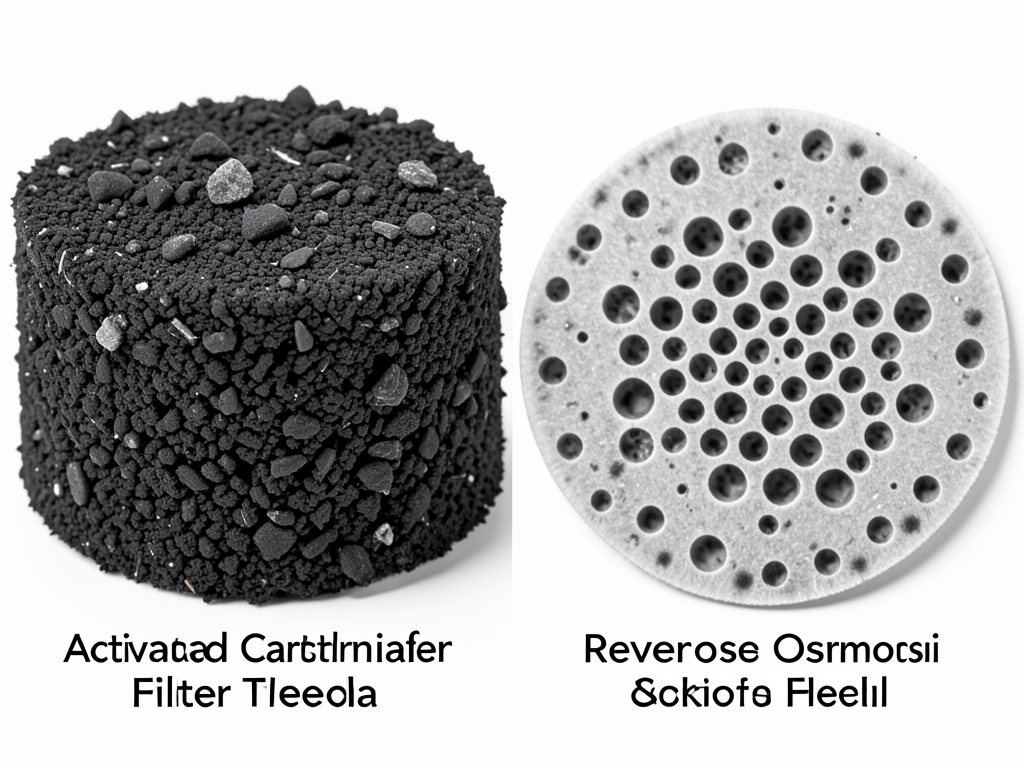
Side-by-Side Comparison
| Feature | Reverse Osmosis | Carbon Filter |
|---|---|---|
| Contaminants Removed | 99% of dissolved solids, bacteria, viruses, heavy metals | Chlorine, sediment, VOCs, some pesticides |
| Installation Cost | $300-600 for under-sink systems | $100-300 for whole-house systems |
| Maintenance Frequency | Pre-filters every 6 months, membrane every 2-3 years | Every 6-12 months depending on usage |
| Water Waste Ratio | 3-4 gallons wasted per gallon purified | No wastewater produced |
| TDS Reduction | Up to 99% reduction | Minimal to no reduction |
| Water Pressure Required | 40-80 psi minimum | 20-40 psi minimum |
Which Should You Choose for Middle Tennessee?
Belle Meade homes with high mineral content and specific contaminant concerns benefit most from RO systems. The limestone geology means hard water that carbon filters cannot soften. RO systems remove the calcium and magnesium that cause scale buildup in appliances and leave spots on dishes.. Read more about Why Your Belle Meade Irrigation System Needs a Yearly Backflow Test.
Residents concerned about lead from older plumbing, nitrates from agricultural runoff, or pharmaceutical residues should choose RO. The membrane technology provides the highest level of purification available for residential use. However RO systems require adequate water pressure and produce wastewater that some homeowners find wasteful. Professional Plumbing Fixture Installation for Your Brentwood Remodel.
Carbon filters work well for Belle Meade homes with basic water quality issues. If your primary concern is chlorine taste, sediment, or organic chemicals, carbon filtration provides effective treatment at lower cost. Whole-house carbon systems improve water quality for bathing, laundry, and general use without the waste associated with RO.
Many Belle Meade homeowners install both systems: a whole-house carbon filter for general use and an under-sink RO system for drinking water and cooking. This combination addresses both basic filtration needs and high-purity water requirements.
Maintenance and Cost in Nashville
RO system maintenance includes replacing pre-filters every six months and the membrane every two to three years. The membrane costs $80-150 to replace and requires monitoring of water quality to determine replacement timing. Annual maintenance costs average $100-200 for filter replacements and system sanitization.
Carbon filter maintenance involves replacing the media when water flow decreases or taste changes. Whole-house systems use more carbon and last longer between replacements. Replacement costs range from $50-200 depending on system size and filter type. Annual maintenance costs average $75-150.
Professional installation ensures proper system sizing and integration with existing plumbing. Nashville plumbers must consider local water pressure, which averages 50-60 psi in Belle Meade. Installation costs range from $150-400 depending on system complexity and plumbing modifications required. Plumbing Mount Juliet.
Local water quality affects filter lifespan. Nashville’s higher sediment levels mean more frequent pre-filter changes for RO systems. The limestone content also causes faster membrane fouling, requiring more frequent maintenance than in areas with softer water.
Frequently Asked Questions
Does reverse osmosis remove healthy minerals from water?
Yes RO systems remove calcium, magnesium, and other beneficial minerals along with contaminants. However these minerals comprise a small percentage of daily intake from food sources. Many RO systems include remineralization filters that add back calcium and magnesium for improved taste.
Can I install these systems myself?
Basic carbon filters often install as DIY projects with simple connections. However RO systems require precise pressure regulation and membrane installation that benefits from professional expertise. Incorrect installation can cause leaks, poor water quality, or system damage.
How does Nashville’s hard water affect these systems?
Hard water causes faster filter clogging and membrane fouling in RO systems. Carbon filters handle hard water well but may require more frequent replacement in areas with high mineral content. Water softeners installed before filtration systems extend filter life and improve performance.
What contaminants are common in Belle Meade water?
Metro Water Services reports chlorine, chloramine, and disinfection byproducts as common. The limestone geology contributes high calcium and magnesium levels. Agricultural areas upstream may contribute nitrates and pesticides. Lead from older plumbing represents a potential concern in some homes. Plumbing Springfield.
How much space do these systems require?
Under-sink RO systems need space for the filter unit, storage tank, and connections. The tank typically measures 12-15 inches in diameter and 15-18 inches tall. Whole-house carbon filters vary in size but often require a space similar to a water heater.
Will these systems affect my water pressure?
Both systems reduce water pressure slightly. RO systems cause more significant pressure drop due to the membrane restriction. Proper system sizing and installation minimizes pressure loss. Homes with borderline water pressure may need booster pumps for RO systems.
How long do these systems last?
Quality RO systems last 10-15 years with proper maintenance. Carbon filters last 5-10 years depending on usage and water quality. The membrane and carbon media require periodic replacement, but the system housings and components last for many years.
Can I use these systems with well water?
RO systems work with well water but may require additional pre-filtration for iron, sulfur, or sediment. Carbon filters also work with well water but effectiveness depends on specific contaminants present. Well water requires testing to determine appropriate filtration needs. For more information, visit EPA Drinking Water Standards.
You may also find this helpful. Adding a Pot Filler to Your Kitchen During a Melrose Home Remodel.
You may also find this helpful. Protecting Your Sylvan Heights Pipes from Damage Caused by Under-Sink Clutter.
You may also find this helpful. The Truth About Lead Pipes and Water Safety in Older Lockeland Springs Homes.
You may also find this helpful. Comparing Different Types of Water Softener Salt for Your Mt Juliet Home.
You may also find this helpful. Adding a Cold Plunge or Luxury Steam Room to Your Belle Meade Home Gym.