Preventing a Laundry Room Flood in Your Wedgewood-Houston Townhome
Water damage from a washing machine hose failure can ruin your home in minutes. In a Wedgewood-Houston townhome a burst hose on the third floor sends hundreds of gallons cascading through your living space before you even realize there’s a problem. The good news is that you can prevent this disaster with a few simple upgrades and maintenance habits.
Wedgewood-Houston’s older townhome buildings often have laundry setups tucked into small utility closets on upper floors. These tight spaces make it harder to spot early warning signs like small drips or bulging hoses. The combination of aging rubber hoses high water pressure and limited access creates the perfect conditions for a failure.
Replacing your washing machine hoses every three to five years is the single most important step you can take. Standard rubber hoses degrade from constant water pressure and mineral buildup from Nashville’s hard water. When rubber fails it can release up to five gallons of water per minute. That means a single burst hose can dump over 300 gallons in just one hour.
Stainless steel braided hoses offer superior protection. These reinforced hoses resist bursting and can handle the pressure fluctuations common in older Nashville townhome buildings. The braided exterior prevents the failure that rubber hoses experience when they finally give way.
Understanding Your Risk in Wedgewood-Houston
Wedgewood-Houston’s historic industrial buildings converted to townhomes present unique plumbing challenges. Many of these structures were built before modern washing machine installations became standard. The plumbing retrofits often use older supply lines that weren’t designed for today’s high-efficiency washing machines. Plumbing Mount Juliet.
Nashville’s water pressure typically ranges from 50 to 70 PSI but pressure spikes can push it much higher. These sudden surges happen when fire hydrants are tested when large buildings cycle their water systems or when municipal water main work occurs nearby. Your washing machine hoses experience these pressure changes every day.
The age of your townhome matters too. Buildings constructed before 2000 often have original plumbing that’s never been updated. Galvanized steel supply lines can corrode from the inside out creating weak points that fail without warning. Even newer townhomes can have issues if contractors used low-quality hoses during installation. Plumbing Springfield.
Space constraints in Wedgewood-Houston townhomes make matters worse. Laundry closets often sit between floors with minimal clearance around the washing machine. This tight fit means you can’t easily see the back of your machine where most hose failures begin. A small leak behind your washer can go unnoticed for weeks causing rot and mold growth before you discover the problem.
Choosing the Right Hoses for Your Home
Not all washing machine hoses are created equal. Understanding the differences can help you make the right choice for your Wedgewood-Houston townhome. Understanding Backflow Testing.
| Hose Type | Lifespan | Burst Pressure | Best For |
|---|---|---|---|
| Standard Rubber | 3-5 years | 150 PSI | Budget-conscious replacement |
| Reinforced Rubber | 5-7 years | 200 PSI | Moderate protection upgrade |
| Braided Stainless Steel | 7-10 years | 1500 PSI | Maximum protection for townhomes |
Braided stainless steel hoses cost more upfront but provide the best protection for your investment. The steel braiding surrounds a durable inner hose that resists both bursting and kinking. These hoses can handle pressure spikes that would destroy standard rubber hoses.
Look for hoses with a burst pressure rating of at least 1500 PSI. This rating ensures the hose can handle pressure surges without failing. Quality braided hoses also include crush-resistant fittings that won’t strip or crack when you tighten them.
Length matters too. Use the shortest hose that reaches your water supply valves. Excess hose length creates loops that can kink or trap water. Kinked hoses wear out faster and can burst at the stress points.
Color coding helps with installation. Hot water hoses typically have red fittings while cold water hoses have blue fittings. Using the wrong hose on the wrong valve can cause temperature control issues and premature hose failure.
Five Warning Signs Your Hoses Need Replacement
Knowing what to look for can help you catch problems before they cause flooding. Check your washing machine hoses every six months for these warning signs.
- Bubbles or Blisters – Small bubbles on the hose surface indicate the inner lining is separating from the outer covering. This is often the last stage before failure.
- Cracks or Dry Rot – Rubber hoses develop small cracks as they age. These cracks let water seep through and weaken the hose structure.
- Rust or Corrosion – Metal fittings can rust over time especially in humid laundry areas. Rusty fittings indicate age and potential weakness.
- Kinks or Twists – Kinked hoses experience stress at the bend points. Repeated kinking creates weak spots that can burst.
- Water Stains – Small water stains on the floor or walls near your washing machine indicate slow leaks that need immediate attention.
Perform a simple squeeze test. Turn off the water supply then squeeze the hose along its entire length. A healthy hose feels firm but flexible. If you feel soft spots or the hose collapses completely it needs replacement.
Check the connection points where hoses meet the washing machine and the wall valves. These areas experience the most stress and are common failure points. Look for moisture corrosion or mineral deposits around these connections.
Listen for unusual sounds during the wash cycle. Hissing whistling or banging noises can indicate water pressure issues or loose connections. These sounds often precede hose failure by days or weeks.
Installation Best Practices
Proper installation prevents many common hose failures. Whether you’re replacing hoses yourself or hiring a professional these practices ensure the best results.
- Turn Off Water Supply
Locate the hot and cold water shut-off valves behind your washing machine. Turn both valves clockwise until they stop. Test by running a small amount of water through the machine.
- Remove Old Hoses
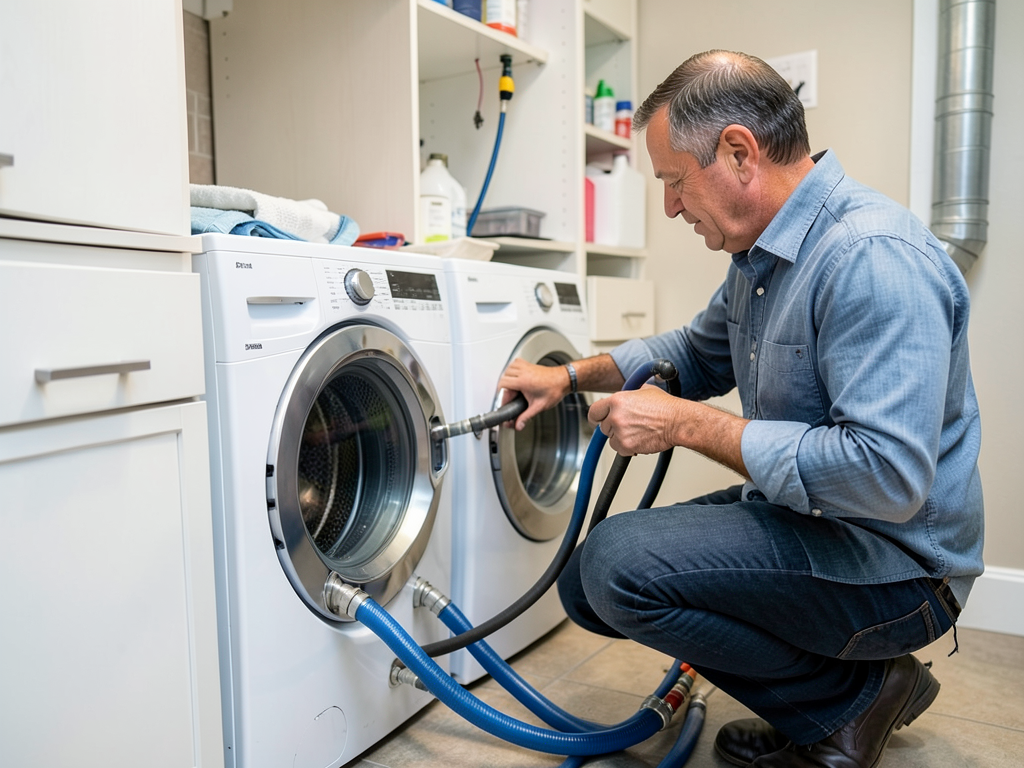
Use an adjustable wrench to loosen the fittings at both ends of each hose. Have a bucket ready to catch any water that spills out. Check the valve threads for damage.
- Inspect Valve Condition
Look for corrosion mineral buildup or damaged threads on the water supply valves. Replace valves that show significant wear to prevent future leaks.
- Install New Hoses
Hand-tighten the new hoses onto the valves then use a wrench to snug them up an additional quarter turn. Don’t overtighten which can strip threads or crack fittings.
- Test for Leaks
Turn the water supply back on slowly. Check all connections for leaks by running a small wash cycle. Look for drips around connections for at least 15 minutes.
Use Teflon tape on threaded connections to create a better seal. Wrap the tape clockwise around the threads two or three times before attaching the hose. This prevents small leaks that can develop over time.
Check the washing machine’s water inlet screens. These small filters catch debris and can become clogged causing pressure buildup that stresses your hoses. Clean or replace these screens during hose replacement.
Consider replacing the water supply valves at the same time as your hoses. Old valves can develop internal corrosion that causes pressure fluctuations and leaks. New quarter-turn ball valves provide more reliable operation than older gate-style valves.
Level your washing machine properly. An unlevel machine vibrates more during spin cycles putting extra stress on hoses and connections. Use a bubble level and adjust the machine’s feet until it sits perfectly level in all directions.
Smart Technology for Flood Prevention
Modern technology offers additional protection against washing machine floods. These devices can detect leaks and automatically shut off water before major damage occurs.
Automatic shut-off valves connect between your water supply and washing machine hoses. These devices monitor water flow and pressure. If they detect a hose burst or unusual water usage they immediately close the supply valves. Some models include water sensors that trigger shut-off when they detect moisture on the floor.
Smart water leak detectors provide real-time monitoring through your smartphone. These battery-powered sensors alert you to leaks anywhere in your home. Place them under your washing machine near water heaters and under sinks for comprehensive coverage.
Whole-home water monitoring systems track water usage throughout your house. These devices learn your normal water patterns and alert you to unusual activity. They can detect a washing machine hose burst within minutes even if you’re not home.
Many smart systems integrate with home automation platforms. You can receive alerts monitor water usage and control shut-off valves through smartphone apps. Some systems even integrate with insurance companies to provide proof of leak prevention measures.
The initial investment in smart technology ranges from $100 for basic sensors to $500 or more for comprehensive monitoring systems. Considering that water damage from a single hose burst can cost thousands in repairs this technology often pays for itself through prevention.
Nashville’s Hard Water Impact on Hose Longevity
Nashville’s water contains high levels of calcium and magnesium. These minerals create hard water that affects everything from soap lathering to appliance longevity. For washing machine hoses hard water creates unique challenges.
Mineral deposits build up inside rubber hoses over time. This buildup reduces water flow and creates pressure points that weaken the hose structure. The minerals also accelerate the breakdown of rubber compounds causing hoses to become brittle and prone to cracking.
Hard water affects metal fittings through corrosion and scale formation. The mineral deposits create irregular surfaces that can damage hose threads during installation or removal. This damage makes it harder to achieve a proper seal increasing leak risk.
Water heaters in Nashville homes often accumulate significant sediment from hard water. This sediment can break loose and travel through your plumbing system potentially clogging washing machine filters and causing pressure fluctuations that stress hoses.
Consider installing a whole-home water softener if you haven’t already. These systems remove calcium and magnesium from your water supply extending the life of all your plumbing components. Softer water also means better soap performance and less scale buildup on fixtures.
Even with a water softener replace your washing machine hoses on schedule. While soft water slows deterioration it doesn’t eliminate the need for regular replacement. The constant pressure and movement of the washing machine still cause wear over time.
Insurance Considerations for Nashville Homeowners
Water damage from washing machine hose failures is one of the most common homeowners insurance claims in Nashville. Understanding how insurance handles these situations can help you make informed decisions about prevention.
Most standard homeowners policies cover sudden and accidental water damage. A washing machine hose that bursts without warning typically falls under this coverage. However damage from neglected maintenance or slow leaks over time may be denied.
Insurance companies often look favorably on proactive prevention measures. Installing braided stainless steel hoses automatic shut-off valves or leak detection systems can demonstrate responsible homeownership. Some insurers offer premium discounts for these upgrades.
Document your prevention efforts. Keep receipts for hose replacements photos of installed shut-off valves and records of maintenance. This documentation helps if you need to file a claim and shows you took reasonable steps to prevent damage.
Consider a separate water backup rider if your policy doesn’t include comprehensive water damage coverage. These riders provide additional protection for sewer backups sump pump failures and other water-related issues that standard policies might exclude.
Review your policy’s coverage limits for water damage. Many policies have separate limits for different types of damage. Make sure your coverage is adequate for potential repair costs in your Wedgewood-Houston townhome.
Ask your insurance agent about specific requirements for water damage prevention. Some companies require certain upgrades for coverage in multi-story buildings or older homes. Meeting these requirements can prevent coverage disputes if damage occurs.
Seasonal Maintenance Checklist
Regular maintenance prevents most washing machine hose failures. Follow this seasonal checklist to keep your laundry area safe and your hoses in good condition.
Spring Maintenance
Spring brings heavy rains to Nashville which can affect your home’s water pressure. Check your washing machine hoses for any signs of winter damage. Look for cracks that may have developed during cold weather when rubber becomes more brittle.
Clean behind and underneath your washing machine. Remove dust and lint buildup that can trap moisture and create mold growth. Check the floor for any signs of past leaks that might indicate developing problems.
Test your water pressure using a simple gauge from a hardware store. Nashville’s municipal water pressure can fluctuate seasonally. High pressure stresses your hoses and increases failure risk.
Summer Maintenance
Summer heat and humidity create ideal conditions for mold growth around washing machine areas. Check for musty odors that indicate moisture problems. Clean any mold you find with a mixture of water and white vinegar.
Inspect your washing machine’s drain hose. While supply hoses get most attention drain hose failures can also cause flooding. Look for cracks kinks or loose connections at the standpipe.
Check your home’s water softener if you have one. Ensure it’s functioning properly to reduce the impact of Nashville’s hard water on your plumbing system.
Fall Maintenance
Before holiday guests arrive test all your plumbing fixtures for proper operation. Listen for any unusual sounds in your washing machine water lines. Gurgling or banging noises can indicate air in the lines or failing valves.
Replace washing machine hoses that are approaching the three-year mark. Fall is an excellent time for this maintenance before winter weather creates additional challenges.
Check your home’s main water shut-off valve. Make sure it operates smoothly in case you need to quickly stop water flow during an emergency.
Winter Maintenance
Nashville occasionally experiences freezing temperatures that can affect indoor plumbing. While washing machine hoses are typically safe from freezing the valves they connect to can be vulnerable in unheated areas.
Consider installing heat tape on exposed water supply pipes in unconditioned spaces. This prevents freezing that could cause pressure buildup and hose stress.
Check your home’s insulation around plumbing areas. Proper insulation maintains more consistent temperatures and reduces the expansion and contraction that stresses hose connections.
Professional vs. DIY Hose Replacement
Deciding whether to replace washing machine hoses yourself or hire a professional depends on your comfort level and the specific conditions in your Wedgewood-Houston townhome.
DIY replacement works well for straightforward installations. If you can access the water supply valves easily have basic tools and feel comfortable with simple plumbing tasks you can likely handle hose replacement yourself. The process typically takes 30 to 60 minutes and requires only an adjustable wrench and some Teflon tape.
However certain situations call for professional help. If your water supply valves are stuck corroded or located in tight spaces a plumber can handle these challenges safely. Professionals also have the tools to deal with stripped threads broken valves or other complications that might arise.
Older Wedgewood-Houston townhomes often have plumbing upgrades that complicate DIY work. Galvanized pipes unusual valve configurations or previous modifications might require professional expertise to navigate safely.
Professional installation costs typically range from $150 to $300 depending on the complexity of the job. This price includes not just hose replacement but also inspection of your entire laundry area plumbing testing for leaks and ensuring proper operation.
Consider the value of your time and peace of mind. A professional can complete the work quickly and identify potential problems you might miss. For many homeowners the modest additional cost provides valuable protection against mistakes that could cause flooding.
Ask about warranty coverage when choosing a professional. Quality plumbers often guarantee their work for a year or more providing additional protection beyond the manufacturer’s hose warranty.
Creating a Laundry Room Flood Prevention Plan
Even with the best prevention measures emergencies can still happen. Creating a flood prevention plan ensures you can respond quickly if a hose fails.
Know the location of your main water shut-off valve. In most Wedgewood-Houston townhomes this valve is in a utility closet basement or near the water heater. Make sure everyone in your household knows where it is and how to operate it.
Keep emergency supplies readily available. A water shut-off tool flashlight and basic plumbing supplies in an accessible location can help you respond quickly to leaks. Consider storing these items in a labeled container in your laundry area.
Install water sensors in your laundry area even if you have other prevention measures. These inexpensive devices provide an early warning system that can alert you to developing problems before they become catastrophic.
Create a contact list for plumbing emergencies. Include your regular plumber emergency services and insurance company. Post this list near your main water shut-off valve for quick reference.
Consider a water monitoring system that can automatically shut off your main water supply if it detects unusual usage patterns. These systems provide 24/7 protection even when you’re away from home.
Review your insurance coverage annually. Make sure you understand what’s covered and what documentation you need to provide in case of a claim. Keep important documents in a waterproof container.
Practice your emergency response. Periodically test your shut-off valve and review the steps you’d take if you discovered a leak. This preparation helps you respond calmly and effectively during an actual emergency.
Local Resources and Support
Wedgewood-Houston residents have access to excellent local resources for plumbing maintenance and emergency services. Building relationships with local professionals provides peace of mind and quick response when you need help.
Local hardware stores in the Wedgewood-Houston area stock quality plumbing supplies and can offer advice on DIY projects. Staff at these stores often have years of experience helping Nashville homeowners with similar issues.
Community groups and neighborhood associations sometimes organize bulk purchasing of prevention equipment like braided hoses or leak detectors. These group buys can provide significant savings on quality products.
Local plumbers familiar with Wedgewood-Houston’s specific building types can offer valuable insights about common issues in your area. They understand the unique challenges of older townhome conversions and can recommend prevention measures tailored to your building.
Consider joining online neighborhood groups where residents share recommendations for reliable service providers. These communities often provide honest feedback about local plumbers and their experiences with different prevention measures.
Local building supply companies sometimes offer workshops on basic home maintenance tasks. These free or low-cost classes can build your confidence for DIY projects while teaching you when to call a professional.
Remember that Nashville’s building codes and permit requirements may affect certain plumbing modifications. Check with local authorities before undertaking major changes to ensure compliance and avoid potential issues.
Protecting Your Investment
Your Wedgewood-Houston townhome represents a significant investment. Protecting it from water damage through proper washing machine hose maintenance preserves both your property value and your peace of mind.
Water damage can decrease your home’s value by thousands of dollars. Even after repairs the history of flooding can make your property less attractive to future buyers. Prevention is far less expensive than restoration.
Regular maintenance of your washing machine hoses is a small investment that yields substantial returns. The cost of quality hoses and occasional professional inspection pales in comparison to potential water damage repairs.
Consider your prevention measures as part of your home’s overall maintenance plan. Just as you service your HVAC system and clean your gutters maintaining your washing machine plumbing protects your investment.
Document your prevention efforts. Keep records of hose replacements professional inspections and any upgrades you’ve made. This documentation can be valuable for insurance purposes and when selling your home.
Share your knowledge with neighbors in your building. Collective awareness of water damage prevention can protect the entire community. Consider organizing a group purchase of prevention equipment or scheduling group discounts with local plumbers.
Stay informed about new prevention technologies and products. The plumbing industry continues to develop better solutions for water damage prevention. What works best today may be improved upon in the coming years.
Remember that prevention is an ongoing process not a one-time task. Regular inspection and maintenance ensure your protection measures continue to function properly over time.
Frequently Asked Questions
How often should I replace my washing machine hoses?
Replace standard rubber washing machine hoses every three to five years. Braided stainless steel hoses last longer typically seven to ten years but still require periodic replacement. Check hoses every six months for signs of wear regardless of age.
Can I use any type of hose for my washing machine?
No always use hoses specifically designed for washing machines. These hoses are rated for the high pressures and hot water temperatures that washing machines produce. Using incorrect hoses can lead to premature failure and potential flooding.
What causes washing machine hoses to fail?
Hoses fail due to age pressure fluctuations mineral buildup from hard water physical damage and manufacturing defects. The constant pressure and movement of the washing machine creates stress points that eventually lead to failure if not addressed.
Should I turn off the water supply when I’m on vacation?
Yes turning off the water supply to your washing machine when you’re away for more than a few days is an excellent safety practice. This simple step can prevent catastrophic flooding if a hose fails while you’re gone.
How can I tell if my water pressure is too high?
Signs of high water pressure include banging pipes running toilets dripping faucets and shortened appliance lifespans. You can test your water pressure with a simple gauge that attaches to an outdoor faucet. Ideal residential pressure is between 40 and 60 PSI.
Are smart leak detectors worth the investment?
Yes smart leak detectors provide valuable early warning of developing problems. They can alert you to small leaks before they become major floods potentially saving thousands in water damage repairs. Many homeowners find the peace of mind worth the modest investment.
What should I do if I discover a leaking washing machine hose?
Immediately turn off the water supply using the shut-off valves behind your washing machine. If those valves don’t work or aren’t accessible turn off your home’s main water supply. Then contact a plumber for emergency repair. Quick action minimizes water damage.
Can hard water really damage my washing machine hoses?
Yes Nashville’s hard water contains minerals that build up inside hoses over time. This mineral buildup creates pressure points reduces water flow and accelerates hose deterioration. Water softeners can help extend hose life in hard water areas.
How much does professional hose replacement cost?
Professional washing machine hose replacement typically costs between $150 and $300 depending on your location and the complexity of the installation. This price usually includes inspection of your entire laundry area plumbing and testing for leaks.
Will insurance cover damage from a washing machine hose failure?
Most standard homeowners insurance policies cover sudden and accidental water damage from hose failures. However damage from neglected maintenance or slow leaks over time may be denied. Check your specific policy for details about water damage coverage.
What’s the difference between a supply hose and a drain hose?
Supply hoses bring water to your washing machine and are under constant pressure. Drain hoses remove used water and only flow when the machine pumps water out. Supply hose failures cause active flooding while drain hose failures cause overflow issues.
Should I replace both hot and cold water hoses at the same time?
Yes always replace both hot and cold water hoses together even if only one shows signs of wear. The hoses experience similar conditions and are likely to fail around the same time. Replacing both ensures balanced performance and prevents future emergencies.
Can I install flood prevention devices myself?
Many flood prevention devices like braided hoses and basic leak sensors are DIY-friendly. However automatic shut-off valves and whole-home monitoring systems often require professional installation to ensure proper operation and integration with your plumbing system.
How do I know if my townhome has high water pressure issues?
High water pressure signs include banging pipes running toilets dripping faucets and shortened appliance lifespans. You can test your water pressure with a simple gauge that attaches to an outdoor faucet. Ideal residential pressure is between 40 and 60 PSI.
What neighborhoods near Wedgewood-Houston have similar plumbing concerns?
Historic neighborhoods like East Nashville Germantown and 12 South have similar concerns with older townhome conversions and aging plumbing infrastructure. These areas often share the same challenges with hard water pressure fluctuations and space constraints for laundry installations.
Don’t wait for a washing machine hose to fail and flood your Wedgewood-Houston townhome. Take action today by inspecting your current hoses replacing them if needed and installing prevention measures that protect your home. A small investment now can save you thousands in water damage repairs later.
Ready to protect your home from washing machine floods? Call Ironwood Plumbing Nashville at (615) 413-8833 for professional inspection and replacement of your washing machine hoses. Our experienced technicians understand the unique plumbing challenges of Wedgewood-Houston townhomes and can recommend the best prevention solutions for your specific situation. Don’t wait for disaster to strike – schedule your inspection today.
Learn more about emergency plumbing services in Nashville
Read about water heater replacement services
Discover professional fixture installation services
Get tips for preventing basement flooding
Learn about hard water solutions for Middle Tennessee homes