





Menu

PEX vs. Copper Piping Guide for Nashville – Choose the Right Material for Your Home's Plumbing System

Get expert insight into cross-linked polyethylene versus copper tubing for Nashville homes, including durability comparisons, cost factors, and performance differences in Middle Tennessee's freeze-thaw climate.

Slider Image 1
Slider Image 2
Slider Image 3
Slider Image 4
Slider Image 5
Slider Image 7
Slider Image 8
Slider Image 9
Slider Image 10
Slider Image 11

Why Nashville Homeowners Struggle with the PEX vs Copper Decision

You are replacing old galvanized pipes or planning a new construction project in Nashville, and everyone has an opinion about which pipe material is better. One plumber recommends copper. Another swears by PEX. You are stuck trying to decode the difference between PEX and copper pipes without clear information about how each performs in Middle Tennessee's climate.

Nashville's freeze-thaw cycles create specific challenges for residential plumbing systems. Temperatures drop below freezing 60 to 70 nights per year on average, then swing back into the 40s and 50s during the day. This expansion and contraction cycle stresses pipe materials differently. Copper tubing is rigid and conducts temperature rapidly, making it vulnerable to burst failures during hard freezes if not properly insulated. Cross-linked polyethylene flexes slightly and has lower thermal conductivity, which offers some inherent freeze protection.

The copper vs PEX plumbing pros and cons extend beyond freeze resistance. Nashville's water quality varies by neighborhood. Homes in East Nashville and parts of Davidson County have moderately hard water with mineral content between 60 and 120 parts per million. Copper reacts to water chemistry over decades, developing pinhole leaks in aggressive water conditions. PEX is chemically inert and immune to corrosion, but susceptible to UV degradation if exposed to sunlight during installation or in unconditioned crawl spaces with exterior vents.

The PEX vs copper comparison becomes more complex when you factor in installation methods, longevity expectations, and compatibility with existing plumbing infrastructure. Most Nashville homes built before 1980 have copper supply lines. Homes from the 1990s may have a mix. New construction since 2010 overwhelmingly uses PEX for cost and labor efficiency. The choice depends on your specific situation, not universal superiority of one material over another.

Why Nashville Homeowners Struggle with the PEX vs Copper Decision
How Each Pipe Material Performs in Real Nashville Conditions

How Each Pipe Material Performs in Real Nashville Conditions

Copper tubing has been the standard for residential water supply lines since the 1950s. Type L copper, the most common residential grade, has a wall thickness of 0.045 inches for half-inch pipe and 0.050 inches for three-quarter-inch pipe. This rigid pipe requires soldered joints using flux and lead-free solder heated to approximately 400 degrees Fahrenheit. Every joint creates a potential leak point, but properly soldered copper connections last 50 to 70 years in neutral to slightly alkaline water conditions.

Nashville's municipal water from the Cumberland River has a pH between 7.2 and 7.8, which is generally compatible with copper. However, homes on well water in Williamson County or Rutherford County may have different chemistry. Low pH water below 6.5 accelerates copper corrosion. High sulfate content can also cause premature failure. Copper's rigidity makes it ideal for exposed applications where physical protection matters, like basement utility rooms or mechanical spaces where you need straight, clean runs.

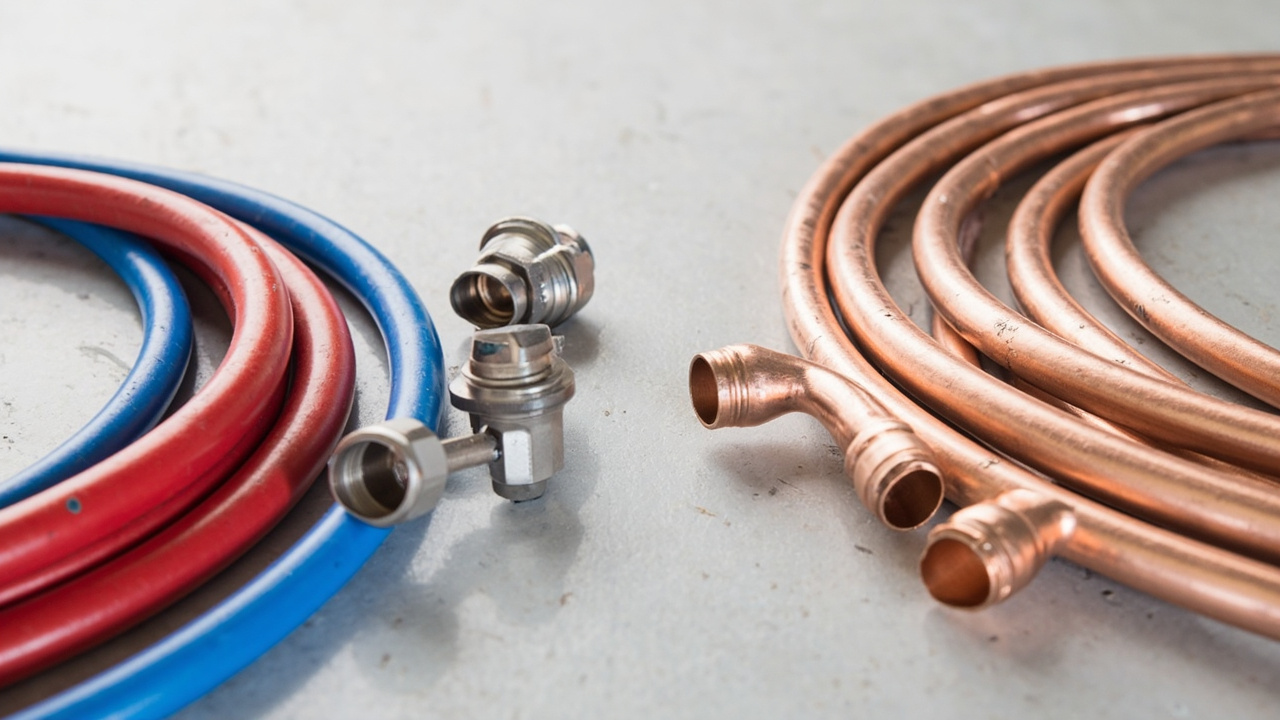
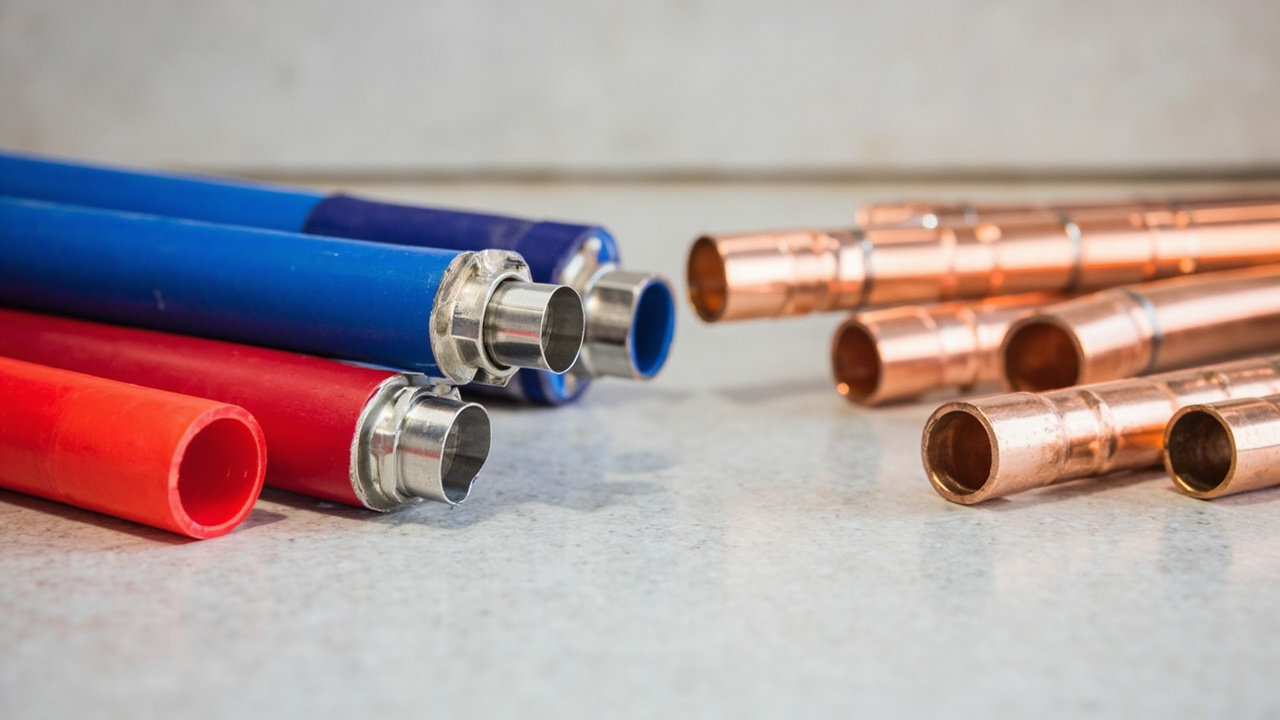
Cross-linked polyethylene (PEX) comes in three manufacturing methods: PEX-A (Engel method), PEX-B (silane method), and PEX-C (electron beam method). PEX-A has the most flexible molecular structure and the highest resistance to kinking. PEX tubing uses mechanical fittings (crimp rings, clamp rings, or push-fit connections) rather than soldered joints. This speeds installation and reduces the skill threshold for repairs.

PEX piping vs copper plumbing shows distinct advantages in remodel situations. You can snake PEX through existing walls with minimal demolition. The flexible tubing bends around obstacles and requires fewer fittings, which reduces leak points. PEX also eliminates the fire hazard of torch work in occupied homes. The downside is lower temperature tolerance. PEX is rated for 200-degree water at 80 psi, which is adequate for residential use but lower than copper's 400-degree tolerance. PEX cannot be used for outdoor hose bibs in direct sun or for any exposed exterior application without protective sleeving.

What Happens When You Evaluate PEX and Copper for Your Project

PEX vs. Copper Piping Guide for Nashville – Choose the Right Material for Your Home's Plumbing System
01

System Assessment

We start by examining your existing plumbing configuration, water source (municipal or well), and any history of leaks or water quality issues. This includes testing water pH and hardness if you are on well water, checking current pipe condition, and identifying whether your project is a full repipe, partial replacement, or new construction. Nashville homes with cast iron drains or galvanized supply lines often need comprehensive evaluation before selecting new supply pipe material.
02

Material Comparison

We walk through the copper vs PEX plumbing pros and cons specific to your situation. This includes installation cost differences (PEX typically runs 30 to 40 percent less installed), expected service life (copper 50-plus years, PEX 40-plus years based on current data), freeze performance, and code compliance. Nashville follows the International Plumbing Code with local amendments that permit both materials in most residential applications. We clarify any restrictions for your specific application.
03

Informed Decision

You receive a written comparison showing material costs, labor estimates, and performance expectations for both PEX and copper options. This allows you to make an evidence-based choice rather than relying on generic advice. Some Nashville homeowners choose copper for aesthetic reasons in exposed applications and PEX for concealed runs to balance cost and appearance. Others select one material throughout for consistency. The decision is yours, backed by accurate information.

Why Nashville Homeowners Trust Ironwood Plumbing for Pipe Material Guidance

Most plumbers push the material they prefer to install, not the material best suited to your home. Ironwood Plumbing Nashville takes a different approach. We install both copper and PEX daily and have no financial incentive to steer you toward one over the other. Our recommendations come from analyzing your water quality, your home's age and construction type, your budget, and your long-term plans.

We understand Nashville's building stock. Homes in Germantown and East Nashville often have historic designations that influence remodeling decisions. Preservationists sometimes prefer copper for authenticity in restored homes. New construction in Brentwood and Franklin gravitates toward PEX for speed and cost control. Ranch homes in Donelson with crawl space access make PEX installation straightforward. Two-story brick homes in Belle Meade with limited access may benefit from copper's rigidity and durability in the specific runs we can access.

Water chemistry matters more than most homeowners realize. Davidson County municipal water is relatively benign to both materials, but homes with private wells in the surrounding counties can have aggressive water that attacks copper or deposits scale in any pipe material. We test before we recommend, and we explain what the results mean for 20-year performance.

The PEX vs copper comparison also involves code compliance and resale considerations. Nashville's plumbing inspectors approve both materials when installed to code. Some home inspectors and buyers perceive copper as higher quality because of its longer track record, even though modern PEX has proven reliability. If you plan to sell within five years, this perception may influence your choice. If you plan to stay 20 years, performance and cost matter more than perception.

We provide written documentation of material choice, installation methods, and testing results. This creates a clear record for future homeowners and eliminates confusion during resale inspections.

What to Expect When Choosing Between PEX and Copper

Consultation Timeline

Initial consultation takes 30 to 60 minutes depending on your home's size and complexity. We review existing plumbing, discuss your goals, and answer questions about the difference between PEX and copper pipes in plain language. If water testing is needed, we collect samples and have results within 48 to 72 hours. You receive a written comparison with material costs, labor estimates, and installation timelines for both options within one week of the consultation. This gives you time to review without pressure.

Detailed Material Analysis

We explain the technical differences that affect your daily life, not just engineering specifications. This includes how each material handles Nashville's winter temperature swings, how each sounds during thermal expansion (copper ticks and pops more than PEX), and how each affects water taste if you are sensitive to metallic notes. We cover installation disruption for repiping projects, including how many access holes are required and how long your water will be off. Copper installation typically takes 20 to 30 percent longer than PEX for equivalent projects due to soldering time.

Performance Documentation

You receive documentation showing pipe specifications, fitting types, and pressure testing results after installation. Copper systems are pressure tested to 150 psi for 15 minutes minimum. PEX systems are tested to 100 psi for the same duration. We photograph all connections before closing walls and provide a diagram showing pipe routing for future reference. This documentation proves invaluable if you ever need to locate a specific line for remodeling or repair, and it satisfies home inspectors during resale.

Long-Term Considerations

Both materials require minimal maintenance when properly installed, but failure modes differ. Copper develops pinhole leaks at stress points or in aggressive water. PEX fails at fittings if improperly installed or if subjected to continuous UV exposure. We explain what to watch for and how to maintain your system. Copper can be repaired with traditional soldering. PEX repairs require cutting out the damaged section and installing new fittings. We provide guidance on shutoff valve locations and how to minimize damage if a leak occurs.

Frequently Asked Questions

You Have Questions,
We Have Answers

How Nashville's Freeze-Thaw Cycles Influence the PEX vs Copper Decision

Middle Tennessee experiences 60 to 70 freeze nights annually, with temperatures dropping into the teens during polar vortex events every few years. These conditions create expansion stress in water-filled pipes. Copper's rigidity and high thermal conductivity mean it freezes quickly and has no give when ice forms. A frozen copper pipe often bursts at elbows or tees where stress concentrates. PEX has some expansion tolerance and freezes more slowly due to lower thermal conductivity. While PEX can still burst if water freezes solid, it survives marginal freeze conditions that would rupture copper. Nashville homes with crawl spaces or exterior wall runs benefit from this freeze tolerance, especially in older homes with limited insulation.

Nashville's plumbing code follows the International Plumbing Code with Metro amendments that address local conditions. Both copper and PEX are approved for residential potable water supply when installed by licensed plumbers. Ironwood Plumbing Nashville maintains current knowledge of code updates and inspection requirements specific to Davidson County and surrounding counties. Our installations pass inspection on the first visit because we follow the correct procedures for each material. This local expertise prevents costly callbacks and ensures your plumbing system meets all legal requirements for insurance and resale purposes.

Plumbing Services in The Nashville Area

Looking for expert plumbing services near you? Ironwood Plumbing Nashville proudly serves homeowners and businesses throughout the greater Nashville area with professional plumbing repairs, water heater installation, leak detection, and emergency plumbing services. From Brentwood to Hendersonville, our licensed plumbers are ready to respond quickly and efficiently. Use the map below to explore our coverage areas and discover fast, reliable plumbing help right around the corner.

Address:
IronwoodPlumbingNashville, 3102 West End Ave Suite 400, American Center, Nashville, TN, 37203

Additional Services We Offer

Our news updates

Latest Articles & News from The Blogs

Lorem ipsum dolor sit amet. Aut expedita quaerat quo eligendi numquam et laudantium perspiciatis qui minima expedita rem consequatur ducimus.…

Test Blog 4

Lorem ipsum dolor sit amet. Aut expedita quaerat quo eligendi numquam et laudantium perspiciatis qui minima expedita rem consequatur ducimus.…

Test Blog 3

Lorem ipsum dolor sit amet. Aut expedita quaerat quo eligendi numquam et laudantium perspiciatis qui minima expedita rem consequatur ducimus.…

Test Blog 2

Lorem ipsum dolor sit amet. Aut expedita quaerat quo eligendi numquam et laudantium perspiciatis qui minima expedita rem consequatur ducimus.…

Contact Us

Stop guessing about pipe materials. Call Ironwood Plumbing Nashville at (615) 413-8833 for a no-pressure consultation. We will assess your specific situation and provide clear recommendations based on your water quality, budget, and long-term goals.