
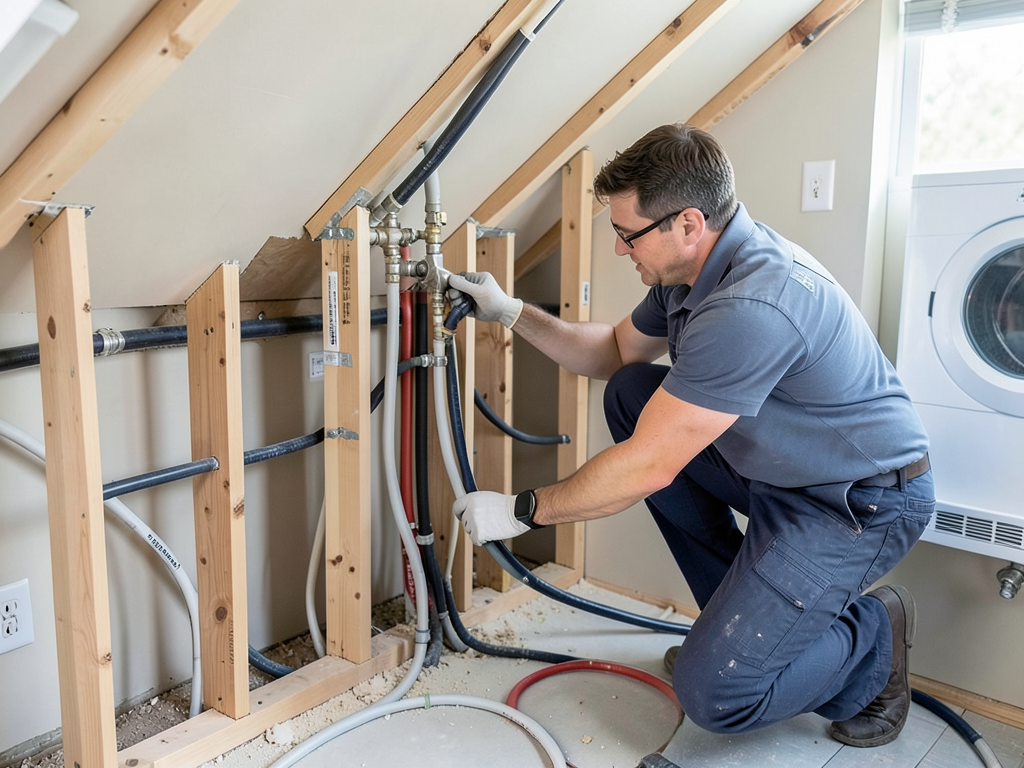
Moving Your Laundry Room to the Second Floor of Your Green Hills Home
Moving your laundry room upstairs can transform your daily routine by eliminating trips up and down the stairs with heavy laundry baskets. For Green Hills homeowners this renovation requires careful planning since Nashville’s building codes and home construction methods create specific challenges for second-floor plumbing relocations. Professional Plumbing Fixture Installation for Your Brentwood Remodel.
Why Consider Moving Your Laundry Room Upstairs
Many older Nashville homes in Green Hills were built with laundry rooms in basements or utility closets on the main floor. This setup worked fine decades ago but creates daily inconvenience for modern families. Moving laundry upstairs near bedrooms and closets makes perfect sense for busy households.
Beyond convenience this change can increase your home’s value. Potential buyers in Green Hills often view upstairs laundry as a premium feature especially in homes where the master suite sits on the second floor. The upgrade aligns with how people actually live today making your home more attractive to future buyers.
Understanding Nashville’s Building Requirements
Before you start planning your laundry room move you need to understand Nashville’s specific requirements. The Metro Nashville Department of Codes and Building Safety requires permits for any structural changes that affect plumbing systems. This means you cannot simply cut into walls and run new pipes without proper documentation. Metro Nashville Department of Codes and Building Safety.
Nashville follows the International Plumbing Code with Tennessee amendments. For laundry room relocations this means specific requirements for drain line sizing venting systems and water supply connections. The city requires all plumbing work to be inspected at multiple stages to ensure compliance with local safety standards. Tennessee Board of Plumbing Examiners.
Working with a licensed Nashville plumber ensures your project meets all code requirements. They understand the local permit process and can help you navigate inspections without delays. This expertise prevents costly mistakes that could require tearing out finished work to fix code violations.
Technical Requirements for Second Floor Laundry
Moving plumbing upstairs involves several technical considerations that differ from first-floor installations. Gravity affects how waste water flows through drain pipes. Second-floor laundry rooms need properly sized drain lines and adequate venting to prevent slow drainage and sewer gas problems. Who to Call When Your Pipes Burst in Nashville at 3 AM.
The standard drain line for washing machines is 2 inches in diameter. This size handles the rapid water discharge from modern washers without backing up. The standpipe where your washer drains must be between 18 and 30 inches tall to prevent siphoning and overflow issues. How to Deal with Hard Water Issues in Your Mt Juliet Home.
Venting becomes more critical on upper floors. Each plumbing fixture needs proper air intake to allow waste water to flow freely. Without adequate venting you will hear gurgling sounds and experience slow drainage. Nashville code requires specific vent pipe sizing and placement based on the distance from the main stack. Plumbing Mount Juliet.
Water Supply Considerations
Hot and cold water lines need proper sizing to handle the high water demand of washing machines. Standard 1/2 inch supply lines work for most installations but the distance from your water heater affects performance. Long runs of supply pipe can cause noticeable delays in getting hot water to your washer. Getting Your Franklin TN Water Heater Replaced Without the Stress.
PEX piping has become the standard for new installations in Nashville homes. This flexible plastic tubing resists freezing better than copper and costs less to install. PEX also reduces water hammer since it flexes slightly when water suddenly stops flowing.
Copper remains an option especially for homeowners who prefer its longevity and resistance to UV damage. However copper costs more and requires more skill to install properly. Your plumber can help you choose the best material based on your budget and home construction.
Foundation and Structural Factors
Green Hills homes typically have slab-on-grade or crawl space foundations. Each type creates different challenges for moving plumbing upstairs. Slab homes require cutting through concrete to access drain lines while crawl space homes allow easier access to existing plumbing.
Slab construction means more demolition work to create new paths for drain and supply lines. You may need to cut through floors and walls to reach the main plumbing stack. This increases both labor time and repair costs for patching and refinishing.
Crawl space homes offer easier access to existing plumbing systems. Plumbers can work from underneath to extend new lines upward. This approach reduces demolition but may still require cutting into walls to create clean installation paths.
Cost Factors Specific to Green Hills
Laundry room relocations in Green Hills typically cost between $3,500 and $8,000 depending on several factors. The distance from existing plumbing affects costs significantly since longer runs require more materials and labor.
Wall construction impacts pricing. Older Green Hills homes often have plaster walls that require more careful cutting and repair than modern drywall. The age and condition of existing plumbing also affects costs since outdated systems may need partial replacement.
Permit fees in Davidson County add $200 to $500 to your project depending on the scope. Inspection fees and plan review charges vary based on the complexity of your installation. Your plumber should include these costs in their estimate.
Common Challenges in Green Hills Homes
Many Green Hills homes were built in the 1960s and 1970s with galvanized steel plumbing. This material corrodes from the inside creating restricted water flow and eventual leaks. Moving laundry rooms in these homes often reveals the need to replace old supply lines.
Historic homes in the area may have cast iron drain pipes that are difficult to modify. These pipes require special cutting tools and transition fittings when connecting to modern PVC systems. The weight of cast iron also complicates structural modifications.
Newer Green Hills construction typically uses modern materials but may have tight wall cavities that complicate pipe routing. Finding space for new drain and supply lines without compromising structural integrity requires careful planning.
Ventilation and Moisture Control
Second floor laundry rooms need proper ventilation to prevent moisture buildup. Washing machines generate significant humidity that can lead to mold growth and structural damage if not properly managed. Nashville’s humid climate makes this concern even more important.
Exhaust fans rated for laundry rooms help remove moisture and prevent musty odors. The fan should vent directly outdoors not into attic spaces where moisture can cause hidden damage. Proper duct sizing ensures efficient moisture removal without excessive noise.
Water hammer arrestors protect your plumbing system from the shock of sudden water shutoff. These devices prevent pipe banging and extend the life of your connections. They are especially important for second floor installations where vibration travels through the entire house.
Timeline and Project Planning
A typical laundry room relocation takes 3 to 5 days from start to finish. The first day involves demolition and accessing existing plumbing. The second and third days focus on rough-in plumbing installation and inspection. The final days complete finish work and final inspections.
Permit processing in Davidson County takes 5 to 10 business days if all documentation is complete. Your plumber should handle permit applications to ensure proper drawings and specifications. Starting without permits can result in fines and required removal of completed work.
Plan for temporary laundry arrangements during the project. Most homeowners use laundromats or friends’ facilities for a few days. Discuss the timeline with your plumber to minimize disruption to your household routine.
Resale Value and Return on Investment
Upstairs laundry rooms typically return 50 to 70 percent of their cost in increased home value. In Green Hills this percentage may be higher due to buyer expectations in this upscale neighborhood. The convenience factor often outweighs pure financial calculations for many homeowners.
Appraisers consider laundry room location when evaluating homes. Second floor laundry can make your home more competitive with newer constructions that include this feature. The improvement may help your home sell faster in a competitive market.
Energy efficiency also matters to Green Hills buyers. Modern washing machines use less water and energy than older models. Combining a laundry room move with new efficient appliances can enhance your home’s appeal.
Choosing the Right Contractor
Not all plumbers have experience with second floor plumbing relocations. Look for contractors who specialize in residential remodeling and understand Nashville’s specific requirements. Ask about their experience with similar projects in Green Hills and surrounding areas.
Verify licensing and insurance before hiring anyone. Nashville requires plumbers to carry specific coverage for liability and workers’ compensation. Ask to see current licenses and certificates of insurance.
Get detailed written estimates that include all costs: materials, labor, permits, and inspections. Avoid contractors who provide verbal quotes or refuse to put everything in writing. Professional plumbers should explain their process and timeline clearly.
Maintenance Considerations
Second floor laundry rooms require different maintenance than basement installations. Check supply line connections annually for signs of wear or corrosion. PEX connections can loosen over time especially in homes with foundation movement.
Inspect drain lines periodically for slow drainage which can indicate partial clogs forming. Second floor drains are more sensitive to buildup since they rely on gravity rather than the additional pressure available in basement installations.
Consider installing water sensors near your washer to detect leaks early. Second floor leaks can cause significant damage to ceilings and walls below before you notice water on the floor. Early detection prevents expensive repairs.
Energy Efficiency Improvements
Moving your laundry room provides an opportunity to improve overall efficiency. Insulate hot water supply lines to reduce heat loss and get hot water to your washer faster. This simple addition can save energy and reduce wait times.
Consider tankless water heaters if your current unit is old or inefficient. These units provide endless hot water and take up less space than traditional tanks. The compact size works well in second floor installations where space may be limited.
Energy efficient washing machines use 30 percent less water than older models. Pairing a new washer with your relocated laundry room maximizes both convenience and utility savings.
Safety Features to Consider
Second floor laundry rooms benefit from automatic water shutoff valves that detect leaks and stop water flow. These devices prevent flooding if a supply line bursts while you are away from home. The peace of mind is worth the additional cost.
Floor drains provide backup protection against overflow and leaks. While not required by code in all areas they offer valuable protection for second floor installations where water damage can be extensive.
Proper electrical outlets with GFCI protection prevent shock hazards in laundry areas. Nashville code requires specific outlet placement and grounding for laundry room circuits. Your electrician should coordinate with your plumber to ensure all requirements are met.
Design Considerations
Second floor laundry rooms often serve multiple purposes as mudrooms or storage areas. Plan adequate space for sorting folding and storing laundry supplies. Built-in shelving and folding surfaces maximize functionality in smaller spaces.
Soundproofing helps minimize washer noise in bedrooms below. Adding insulation to walls and floors reduces vibration transmission. This consideration is especially important in Green Hills homes where bedroom layouts may place sleeping areas directly under laundry rooms.. Read more about Adding a Dedicated Dog Wash Station to Your East Nashville Mudroom.
Natural light and ventilation improve the laundry experience. If possible include a window or skylight in your design. Good lighting reduces eye strain when sorting and folding clothes.
Environmental Considerations
Water conservation matters in Nashville where summer water restrictions sometimes affect outdoor usage. High efficiency washers use less water and energy making them environmentally responsible choices. Some models also have faster spin cycles that reduce drying time.
Gray water systems can capture laundry rinse water for landscape irrigation. While not common in residential settings they are legal in Nashville with proper permits. This option works best for homes with extensive landscaping that needs regular watering.. Read more about Why Your Hillsboro Village Home Needs a Sewer Vent Pipe Inspection.
Energy Star certified appliances reduce both utility costs and environmental impact. Look for washers with cold water wash options that clean effectively without heating water for every load.
Frequently Asked Questions
How long does a laundry room relocation typically take?
Most laundry room moves require 3 to 5 days for complete installation including demolition rough-in work finish plumbing and final inspections. Permit processing adds 5 to 10 business days before work can begin.
Do I need to move the dryer vent as well?
Yes you should plan to relocate the dryer vent to match your new laundry room location. The vent pipe must be properly sized and routed to prevent lint buildup and maintain safe airflow. Nashville code has specific requirements for dryer vent length and termination points.
Can I move my laundry to a second floor with a slab foundation?
Yes but slab foundations require cutting through concrete to access existing plumbing. This increases demolition work and repair costs. Your plumber will need to route new lines through walls or create access panels to reach the main plumbing stack.
What permits are required for moving a laundry room?
Davidson County requires plumbing permits for any changes to existing plumbing systems. This includes moving supply lines drain pipes and vents. Electrical work if needed also requires separate permits. Your contractor should handle all permit applications and inspections.
How much does it cost to move a laundry room upstairs?
Costs range from $3,500 to $8,000 depending on distance from existing plumbing wall construction foundation type and whether you need to upgrade old plumbing. Permit fees add $200 to $500 to the total cost.