




Menu

Mold in Bathroom Cabinets in Nashville – Expert Diagnosis and Permanent Plumbing Fixes

When you spot mold in bathroom cabinets, you need more than surface cleaning. Our team diagnoses the plumbing failures and moisture sources causing mold growth, then fixes the root cause to protect your home and health.

Slider Image 1
Slider Image 2
Slider Image 3
Slider Image 4
Slider Image 5
Slider Image 7
Slider Image 8
Slider Image 9
Slider Image 10
Slider Image 11

Why Nashville Bathrooms Are Breeding Grounds for Cabinet Mold

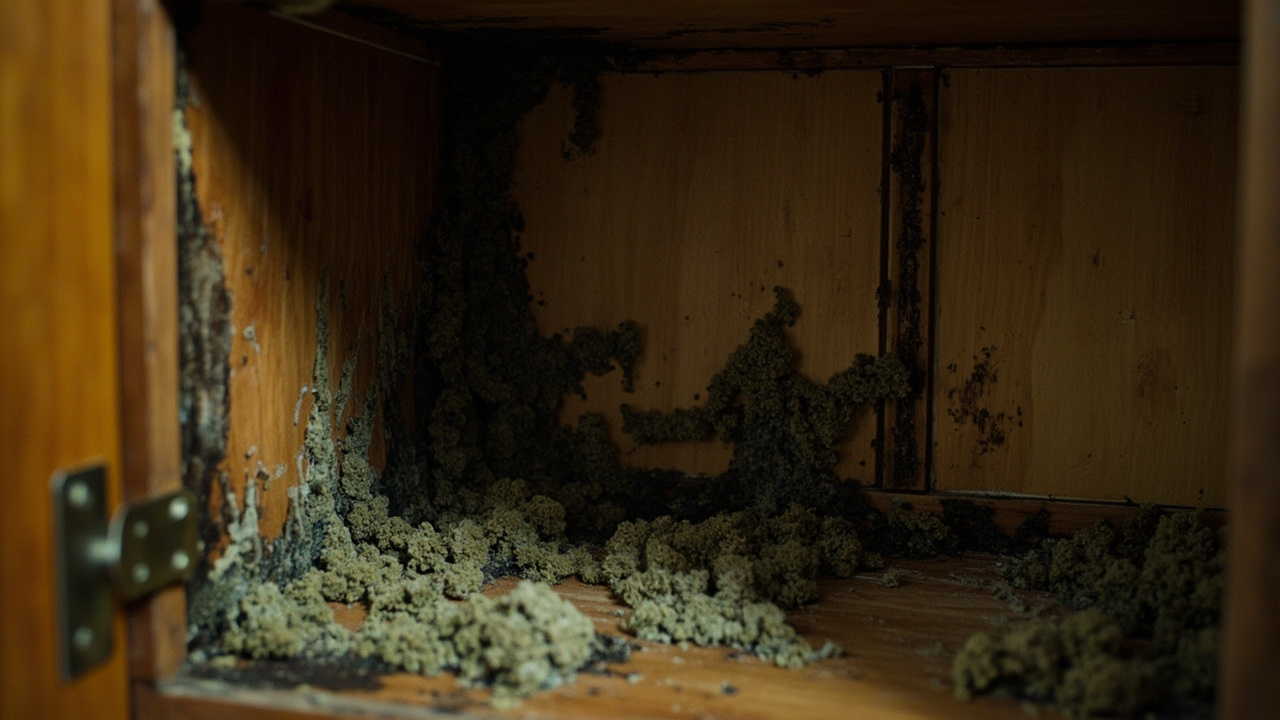
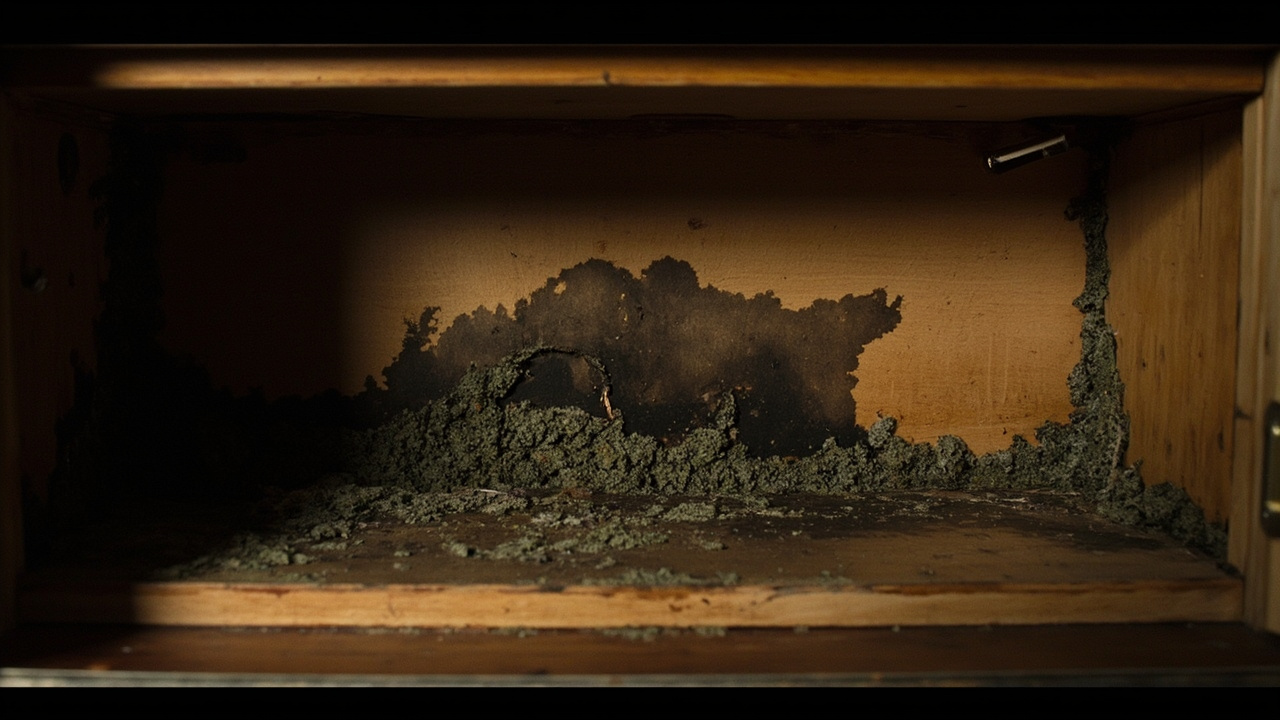
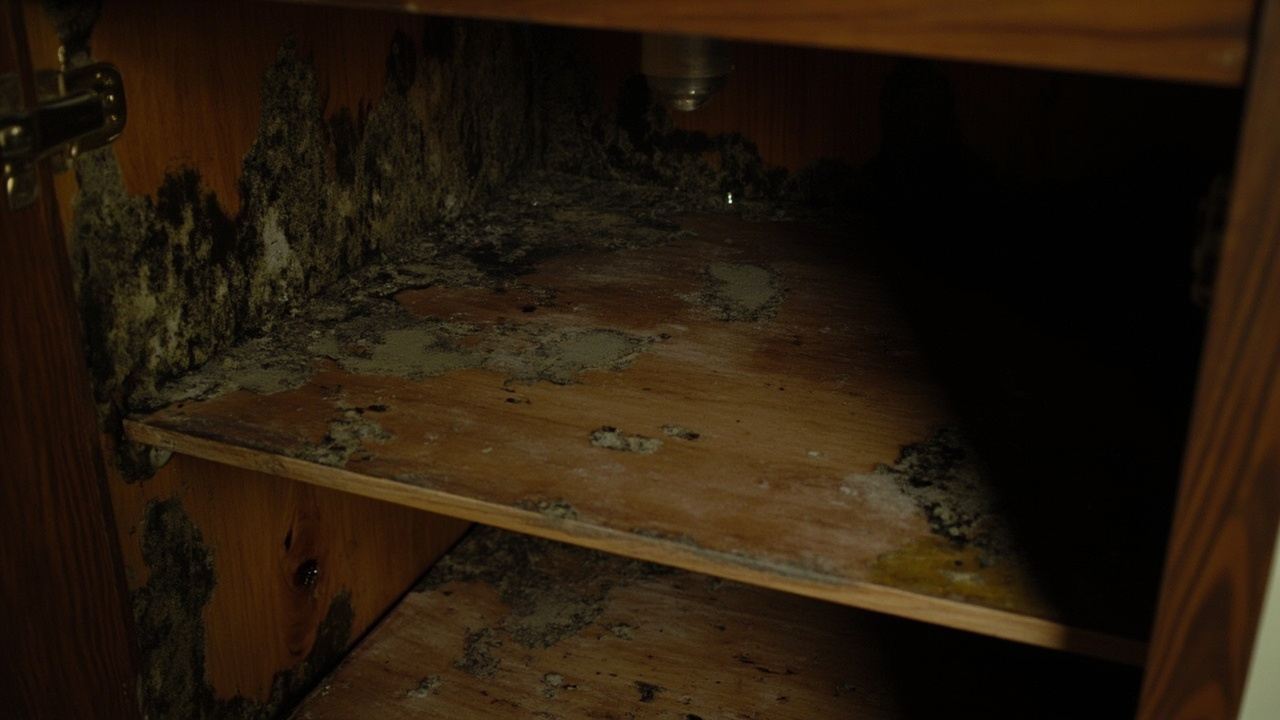
You open the bathroom vanity door and see it. Black spots. Fuzzy white patches. That earthy smell that makes your stomach turn. Mold under bathroom sink cabinets is not just ugly. It signals a plumbing problem that will only get worse.

Nashville's high humidity creates the perfect storm for bathroom cupboard mold. Our summers push indoor moisture levels to 70 percent or higher. Add a slow drip from a corroded P-trap, a leaking supply line connection, or condensation on cold water pipes, and you have mold growth inside vanity spaces within days.

The problem is location. Bathrooms in older Nashville neighborhoods like East Nashville or Germantown often have galvanized supply pipes that corrode from the inside out. You might not see water pooling, but moisture wicks through particleboard and MDF vanity boxes like a sponge. The cabinet traps that humidity. Mildew in bathroom cabinets starts as a film, then spreads to black mold colonies that release spores every time you open the door.

Most homeowners try bleach or vinegar. That kills surface mold but does nothing about the leak feeding it. Within weeks, the mold is back. You need to stop the water source. That means identifying whether you have a fixture leak, a drain leak, a supply line failure, or a ventilation problem. Each requires a different fix. Ignoring it means structural damage to your subfloor, wall framing, and even your health. Respiratory issues and allergic reactions are common when mold spores circulate through your home.

Why Nashville Bathrooms Are Breeding Grounds for Cabinet Mold
How We Stop Mold at the Source with Targeted Plumbing Repairs

How We Stop Mold at the Source with Targeted Plumbing Repairs

Surface mold removal is not our job. We are plumbers. We find the water. We stop the water. We prevent mold from coming back.

First, we inspect the entire vanity plumbing assembly. That means checking the faucet tailpieces, the drain tailpiece connection to the P-trap, the trap arm connection to the wall stub-out, the supply line ferrules, and the shut-off valve packing nuts. We also check for condensation on cold water lines, which happens when pipes are not insulated and Nashville humidity is high.

Most bathroom vanity mold starts at predictable failure points. Compression fittings on old chrome P-traps corrode and weep. Rubber slip-joint washers dry out and crack. Braided supply lines develop pinhole leaks at the crimped ends. Pop-up drain assemblies leak at the pivot rod gasket or the tailpiece threads. These are slow leaks. You will not see standing water, but the particle board or plywood vanity bottom stays damp.

If the leak is not obvious, we use a moisture meter to scan the cabinet interior, the wall behind the vanity, and the floor. Elevated moisture readings tell us where water is hiding. We also check the vent stack. If your bathroom exhaust fan is not vented to the outside or if the vent duct is disconnected in the attic, shower steam condenses inside the cabinet.

Once we locate the source, we make the repair. That might mean replacing the P-trap assembly with PVC, installing new braided supply lines, re-seating the sink drain with plumber's putty, or tightening a loose tailpiece. For condensation issues, we insulate cold water lines with foam pipe insulation. We do not guess. We fix what is broken.

What Happens When You Call Us About Moldy Cabinets

Mold in Bathroom Cabinets in Nashville – Expert Diagnosis and Permanent Plumbing Fixes
01

Initial Plumbing Inspection

We start by removing everything from the vanity and inspecting all visible plumbing connections under the sink. We check for active drips, corrosion stains, mineral buildup, and soft spots in the cabinet material. We run water through the faucet and drain to observe how connections behave under pressure. If the leak is not obvious, we use a moisture meter to scan hidden areas and pinpoint where water is accumulating.
02

Leak Repair and Replacement

Once we identify the failure point, we make the necessary repair or replacement. This could involve swapping out a corroded P-trap, replacing worn supply lines, resealing the sink drain, tightening compression fittings, or insulating cold water pipes to prevent condensation. We use quality components that will last. We do not patch failing parts. If a connection is compromised, we replace it. This is how you stop mold from returning.
03

Dry-Out and Prevention Check

After repairs, we verify all connections are dry and secure. We advise you on whether the cabinet material needs professional mold remediation or if it can be cleaned and dried. We also check your bathroom ventilation. If your exhaust fan is weak or not vented properly, we will tell you. Proper airflow is critical in Nashville's humid climate. We make sure you understand what caused the mold and how to prevent it moving forward.

Why Nashville Homeowners Trust Us with Mold-Related Plumbing Problems

Mold in bathroom cabinets scares people. You worry about health risks, repair costs, and whether the problem has spread behind your walls. You need someone who will tell you the truth and fix it right.

Ironwood Plumbing Nashville has seen every kind of vanity leak this city can produce. We have worked in the shotgun houses of East Nashville where original galvanized plumbing is still in use. We have repaired cabinets in Brentwood homes where builder-grade plastic P-traps failed after ten years. We understand how Nashville's water quality, humidity, and housing stock create specific plumbing challenges.

We do not sell you a new vanity if you only need a new drain assembly. We do not recommend whole-house repiping if the problem is a loose compression nut. We diagnose accurately and fix what is broken. That saves you money and gets you back to a dry, mold-free bathroom faster.

Our team knows local building codes and how they apply to bathroom plumbing repairs. If your home was built before 1980, we know what kind of piping and fittings to expect. We carry the parts needed for older homes and modern installations. We do not have to make a second trip for a specialty fitting.

You also get clear communication. We explain what we find, what it will take to fix it, and what you can do to prevent future problems. We do not use scare tactics. If your cabinet is structurally damaged and needs replacement, we will tell you. If it just needs to dry out after we fix the leak, we will tell you that too.

Local expertise matters when you are dealing with moisture issues. We understand that Nashville's summer humidity does not let up until October. We know that older homes often lack proper bathroom ventilation. We know that cheap vanity construction accelerates mold growth when leaks occur. That knowledge informs every repair we make.

What to Expect When We Fix Your Bathroom Cabinet Leak

Fast Response Time

We know that mold is a health concern. You do not want to wait a week for an appointment. We schedule service calls quickly and show up on time. Most vanity leak repairs take one to two hours once we arrive. If we need a specialty part, we will tell you upfront and get it as fast as possible. Our goal is to stop the leak and get your bathroom back to normal without dragging the process out.

Thorough Leak Diagnosis

We do not assume the problem. We test every connection, check for hidden moisture, and identify the exact source of the leak. That means pulling the P-trap, inspecting the tailpiece threads, checking supply line connections, and scanning for condensation on cold water pipes. We also evaluate your exhaust fan performance. If the mold is coming from poor ventilation rather than a plumbing leak, we will tell you. You get an accurate diagnosis, not a guess.

Permanent Plumbing Repairs

We use quality parts and proven techniques. If your P-trap is chrome and corroded, we replace it with PVC that will not rust. If your supply lines are old, we install braided stainless steel lines with proper compression fittings. If your drain is leaking at the tailpiece, we reseal it with plumber's putty and tighten it to the correct torque. We do not patch. We fix. That is how you eliminate mold at the source and keep it from coming back.

Follow-Up Guidance

After the repair, we walk you through what we did and what to watch for. We explain whether your vanity needs professional mold remediation or if it can be cleaned and dried on its own. We show you how to check for leaks in the future and what signs indicate a recurring problem. If your bathroom ventilation is inadequate, we will recommend solutions. You get the information you need to prevent mold from returning and protect your investment.

Frequently Asked Questions

You Have Questions,
We Have Answers

How do you get rid of mold in bathroom cabinets? +

Remove all items from the cabinet and spray affected areas with white vinegar or a bleach solution (one cup bleach per gallon of water). Scrub visible mold with a stiff brush, then wipe clean. Dry the area completely with fans or a dehumidifier. Nashville's high humidity makes proper ventilation critical. Fix any leaks under sinks or around pipes immediately. If mold has penetrated wood or covers more than 10 square feet, call a professional. Mold spreads fast in damp environments, so address the moisture source or it will return.

Why is mold growing in my bathroom vanity? +

Mold thrives when three things combine: moisture, warmth, and poor airflow. Your bathroom vanity likely has a slow leak from supply lines, drain traps, or the P-trap seal. Nashville's humidity (averaging 70 percent year-round) accelerates growth when cabinets stay closed. Check under the sink for water stains, condensation on pipes, or musty odors. Vanities against exterior walls in older Nashville homes are especially vulnerable during winter when warm interior air meets cold surfaces. Fix plumbing issues, improve ventilation, and keep cabinet doors open periodically to prevent recurrence.

Can moldy cabinets be saved? +

Yes, if you catch it early and the structural integrity holds. Surface mold on painted or sealed wood can be cleaned and treated. Sand affected areas, apply a mold-killing primer, then repaint or reseal. If mold has penetrated deep into particleboard or MDF (common in builder-grade vanities), replacement is safer. Nashville's moisture levels mean compromised wood will absorb humidity again. Check for soft spots, warping, or a persistent musty smell after cleaning. When in doubt, remove and replace affected sections. Saving cabinets only works if you eliminate the moisture source permanently.

Will mold go away if it dries out? +

No. Mold becomes dormant when it dries out, but it does not die. Spores remain viable and reactivate the moment moisture returns. Nashville homes face this problem during humid summers when AC units cycle off or after heavy rain events. Dried mold is still a health hazard and can release spores into the air when disturbed. You must physically remove mold and treat surfaces with antimicrobial solutions. Drying out a cabinet without proper remediation just pauses the problem. Address the root cause (leaks, ventilation) or mold will return within weeks.

What are the 10 warning signs of mold toxicity? +

Watch for persistent sinus congestion, chronic coughing, watery or itchy eyes, skin rashes, headaches, fatigue that worsens at home, difficulty concentrating, joint pain, shortness of breath, and nosebleeds. These symptoms often mimic allergies but do not respond to typical treatments. Mold toxicity builds over time with exposure. If multiple family members experience unexplained respiratory issues or cognitive fog, inspect bathrooms, crawl spaces, and attics. Nashville's older homes with poor ventilation and high humidity create perfect conditions for toxic mold growth. Seek medical evaluation and professional mold testing if symptoms persist after you leave your home.

What kills mold permanently? +

Nothing kills mold permanently if moisture remains. Bleach, hydrogen peroxide, and concrobium work on non-porous surfaces but only temporarily. For wood cabinets, use a borax solution (one cup per gallon of water) which penetrates deeper and prevents regrowth. Encapsulating primers seal surfaces after treatment. The real solution is controlling humidity below 50 percent and fixing leaks. Nashville homes need dehumidifiers in bathrooms without windows and exhaust fans that vent outside (not into attics). Professional remediation uses HEPA filtration and antimicrobial treatments, but even that fails without moisture control. Fix the plumbing, improve airflow, and mold stays gone.

How Nashville's Humid Summers Accelerate Mold Growth Inside Vanities

Nashville averages 75 percent humidity from June through September. That moisture infiltrates every corner of your home, especially enclosed spaces like bathroom cabinets. When you combine high ambient humidity with a slow plumbing leak or poor ventilation, you create an environment where mold colonizes within 48 hours. Particle board and MDF, the materials used in most builder-grade vanities, absorb moisture quickly and hold it. Even a small drip from a P-trap or supply line can saturate the cabinet bottom. The lack of airflow inside the cabinet prevents drying. Mold spreads across surfaces, into wall cavities, and under flooring. This is why bathroom vanity mold is so common in Nashville homes, especially those built before modern ventilation standards were adopted.

Ironwood Plumbing Nashville has repaired bathroom leaks in every neighborhood from Donelson to The Nations. We understand the specific challenges Nashville homeowners face with aging plumbing and high humidity. We know that older homes in areas like Inglewood and Sylvan Park often have original galvanized pipes that corrode from the inside. We know that newer homes in Antioch and Hermitage sometimes have poor-quality vanity installations with loose drain connections. Local expertise means faster diagnosis, better solutions, and repairs that account for Nashville's climate. When you hire a plumber who understands your city, you get better results.

Plumbing Services in The Nashville Area

Looking for expert plumbing services near you? Ironwood Plumbing Nashville proudly serves homeowners and businesses throughout the greater Nashville area with professional plumbing repairs, water heater installation, leak detection, and emergency plumbing services. From Brentwood to Hendersonville, our licensed plumbers are ready to respond quickly and efficiently. Use the map below to explore our coverage areas and discover fast, reliable plumbing help right around the corner.

Address:
IronwoodPlumbingNashville, 3102 West End Ave Suite 400, American Center, Nashville, TN, 37203

Additional Services We Offer

Our news updates

Latest Articles & News from The Blogs

Lorem ipsum dolor sit amet. Aut expedita quaerat quo eligendi numquam et laudantium perspiciatis qui minima expedita rem consequatur ducimus.…

Test Blog 4

Lorem ipsum dolor sit amet. Aut expedita quaerat quo eligendi numquam et laudantium perspiciatis qui minima expedita rem consequatur ducimus.…

Test Blog 3

Lorem ipsum dolor sit amet. Aut expedita quaerat quo eligendi numquam et laudantium perspiciatis qui minima expedita rem consequatur ducimus.…

Test Blog 2

Lorem ipsum dolor sit amet. Aut expedita quaerat quo eligendi numquam et laudantium perspiciatis qui minima expedita rem consequatur ducimus.…

Contact Us

Mold will not fix itself. The leak feeding it will only get worse. Call Ironwood Plumbing Nashville today at (615) 413-8833. We will find the source, stop the water, and give you a dry, mold-free bathroom.