
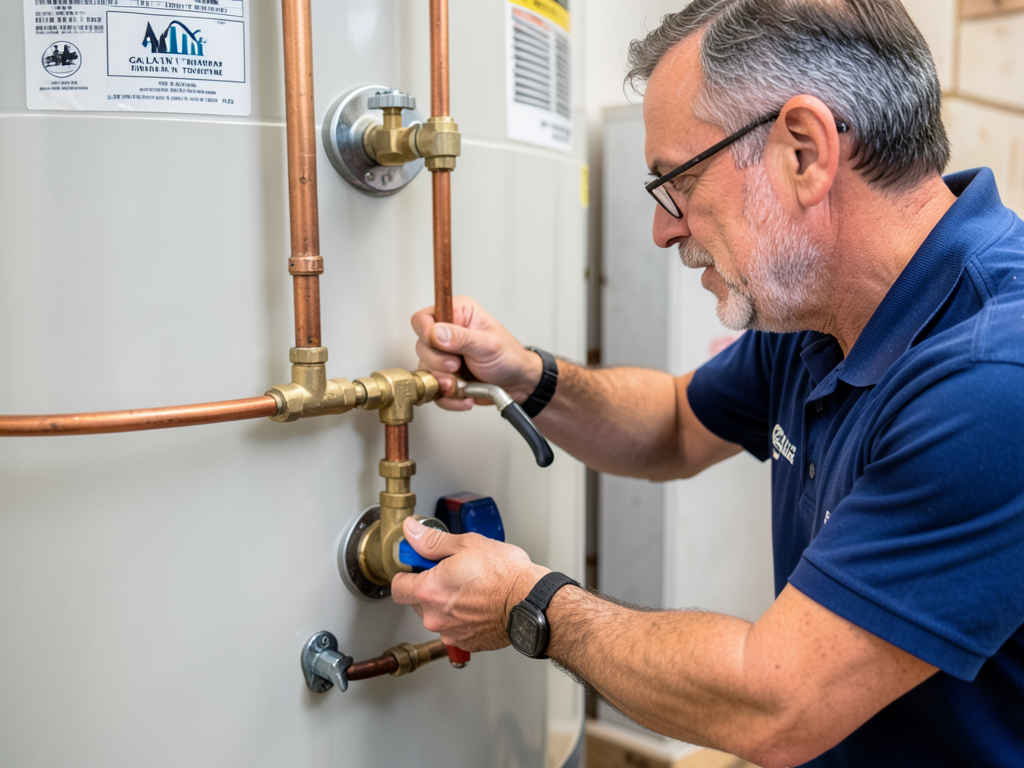
Installing a Thermostatic Mixing Valve to Prevent Scalding in Your Gallatin Home
Hot water scalds happen faster than you think. At 140°F, a serious burn occurs in just three seconds. A thermostatic mixing valve (TMV) automatically blends hot and cold water to deliver safe temperatures to your fixtures, protecting children and elderly residents from thermal shock. How to Deal with Hard Water Issues in Your Mt Juliet Home.
Middle Tennessee homes face unique challenges. Gallatin’s limestone bedrock and hard water accelerate mineral buildup inside valves, reducing their lifespan. The region’s clay soil also shifts seasonally, stressing plumbing connections and potentially compromising valve seals over time. Tennessee Department of Environment & Conservation.
Installing a TMV requires more than swapping parts. Tennessee plumbing codes mandate specific temperature ranges and pressure testing. A licensed plumber ensures compliance with TDEC water safety standards and installs the valve at the correct point in your system—either at the water heater (point-of-source) or at individual fixtures (point-of-use). Professional Plumbing Fixture Installation for Your Brentwood Remodel.
The internal mechanism uses either a wax element or diaphragm that expands and contracts with temperature changes. When incoming water exceeds the set point, the valve reduces hot water flow and increases cold water mix. This automatic adjustment maintains consistent output regardless of pressure fluctuations from other fixtures.
Cost factors include valve type, labor, and permit requirements. Basic TMVs start around $150 for materials, while premium ASSE 1017-certified models with digital displays cost more. Installation labor typically ranges from $300-600 depending on your home’s configuration and whether you need to modify existing piping. ASSE International.
ASSE 1017 valves protect the entire home by regulating water temperature at the heater. ASSE 1070 valves provide localized protection at individual fixtures like showers and sinks. Both meet safety standards, but point-of-use valves offer more precise control for high-risk areas like children’s bathrooms.. Read more about Troubleshooting a Vibrating Shower Handle in Your Bellevue Guest Bath.
Hard water in Gallatin accelerates valve wear. Mineral deposits can seize the internal mechanism within 3-5 years. Annual maintenance includes descaling and testing the temperature safety shutoff feature. Some homeowners install water softeners alongside TMVs to extend valve life.
DIY installation carries significant risks. Incorrect installation can create cross-connection contamination, void home insurance, or create scalding hazards worse than before. Licensed plumbers carry liability insurance and guarantee code-compliant work that protects your family.
Professional installation includes pressure testing, temperature calibration, and documentation for building inspectors. The plumber also checks for thermal expansion issues and may recommend an expansion tank if your system lacks one. This comprehensive approach prevents future failures.
Emergency situations require immediate attention. If a valve fails and delivers scalding water, shut off your water heater immediately and call a licensed plumber. Do not attempt to repair or replace the valve yourself—improper handling can cause serious injury.
Ironwood Plumbing serves Gallatin and surrounding areas including Hendersonville, Goodlettsville, and Mount Juliet. Our technicians understand local building codes, water chemistry, and the specific challenges Middle Tennessee homes face. We provide written estimates and guarantee all installation work. Plumbing Mount Juliet.
Call (615) 413-8833 today for a free consultation about installing a thermostatic mixing valve in your Gallatin home. Protect your family from preventable burns with professional installation that meets Tennessee safety standards.
How Thermostatic Mixing Valves Work
The valve contains a temperature-sensitive element that responds to water heat. As water temperature rises, the element expands, pushing a piston that reduces hot water flow while increasing cold water mix. This maintains a constant outlet temperature regardless of supply variations.
Wax-based elements offer reliable performance for most residential applications. Diaphragm-based valves provide more precise control and faster response times, making them ideal for commercial or high-demand situations. Both types automatically shut off if cold water supply fails, preventing scalding.
Temperature settings typically range from 100-120°F for safe household use. The valve allows you to keep your water heater at 140°F to prevent Legionella bacteria growth while delivering safe temperatures to fixtures. This balance protects both health and safety.
Pressure balancing occurs through a separate mechanism that maintains consistent temperature even when other fixtures operate. Without this feature, toilet flushing or washing machine use could cause sudden temperature spikes in showers.
Flow rates vary by valve size and design. Most residential TMVs handle 2-5 gallons per minute, sufficient for typical household use. Larger homes or those with multiple simultaneous fixtures may need higher-capacity valves.
Materials matter for longevity. Brass valves resist corrosion better than cheaper zinc alloys. Stainless steel internal components withstand hard water better than standard brass. Quality valves include built-in filters to catch sediment before it reaches the temperature element.
Installation location affects performance. Point-of-source valves at the water heater protect the entire home but require more complex piping. Point-of-use valves offer targeted protection but need multiple installations for complete coverage.
Maintenance intervals depend on water quality. Hard water areas like Gallatin may need annual servicing. Soft water areas might go 3-5 years between maintenance. Signs of needed service include inconsistent temperatures or visible mineral buildup.
Replacement intervals typically range from 5-10 years. Factors affecting lifespan include water chemistry, usage patterns, and initial valve quality. Premium valves with stainless internals often last longer than basic models.
Nashville-Area Building Codes and Safety Requirements
Tennessee plumbing code requires thermostatic mixing valves in certain applications. New construction and major renovations must comply with TDEC water safety standards. Rental properties face additional requirements to protect tenants from scalding hazards. Plumbing Springfield.
Metro Nashville codes align with state requirements but may include local amendments. Gallatin follows Sumner County regulations, which reference both state code and national standards like ASSE 1017 and 1070. Always verify local requirements before installation.
Permit requirements vary by jurisdiction. Nashville proper requires permits for most valve installations. Surrounding areas like Hendersonville or Goodlettsville may have different requirements. Your plumber should handle permit acquisition and inspections.
ASSE certification ensures the valve meets performance standards. ASSE 1017 covers point-of-source protection for the entire home. ASSE 1070 covers point-of-use protection at individual fixtures. Both standards require third-party testing and certification.
Temperature limits protect against Legionella while preventing scalding. Code typically requires outlet temperatures not exceed 120°F at fixtures. Water heaters can be set to 140°F or higher, with the mixing valve providing safe delivery temperatures.
Pressure testing verifies valve operation. Installation includes testing at multiple flow rates to ensure consistent temperature control. Failed tests require adjustment or valve replacement before final approval.
Documentation requirements include valve specifications, installation diagrams, and test results. Building inspectors may request this information during final inspection. Keep records for future reference and warranty claims.
Insurance considerations affect valve selection. Some insurers offer discounts for anti-scald devices. Others may require specific certifications or installation methods. Check with your provider about potential savings or requirements.
Commercial properties face stricter requirements. Restaurants, hotels, and healthcare facilities need higher-capacity valves and more frequent testing. Some industries require daily temperature logging and regular professional certification.
Multi-family buildings need centralized systems with individual unit controls. This allows property managers to maintain safe temperatures while giving residents some control over their water delivery.
Installation Process and What to Expect
Professional installation begins with a site assessment. The plumber evaluates your water heater location, existing piping, and fixture layout. This determines the best valve type and installation approach for your specific situation.
Water shutoff occurs at the main supply or water heater. The plumber drains affected pipes and removes any existing components that interfere with valve installation. This preparation prevents water damage during the work. Who to Call When Your Pipes Burst in Nashville at 3 AM.
Piping modifications may be necessary. Older homes often need updated connections or additional shutoff valves. The plumber installs unions or couplings that allow future valve removal without cutting pipes.
Valve mounting requires secure attachment to prevent movement that could stress connections. The plumber levels the valve and ensures proper orientation for water flow. Incorrect installation can cause premature failure or inconsistent temperatures.
Electrical connections may be needed for digital valves with displays or remote controls. The plumber installs proper wiring and ensures GFCI protection where required by code. Battery backup options provide operation during power outages.
Testing involves multiple steps. The plumber checks for leaks, verifies temperature accuracy at various flow rates, and tests the safety shutoff feature. Documentation includes test results and any adjustments made during installation.
Clean-up includes removing debris, wiping surfaces, and restoring any disturbed areas. The plumber explains valve operation, maintenance requirements, and warranty information. You receive written documentation of the work performed.
Follow-up may be necessary if issues arise. Most quality installations include a warranty period during which the plumber addresses any problems at no additional cost. This protects your investment and ensures satisfaction.
Cost factors include valve selection, installation complexity, and permit fees. Basic installations might cost $500-800 total. Complex jobs with extensive piping modifications could exceed $1,500. Your plumber provides detailed estimates before starting work.
Timeline varies by project scope. Simple replacements might take 2-3 hours. New installations or major modifications could require a full day or more. The plumber provides realistic timeframes and keeps you informed of progress.
Maintenance and Troubleshooting
Regular maintenance prevents most problems. Annual inspection includes checking for leaks, testing temperature accuracy, and cleaning mineral deposits from the valve body. Some valves have replaceable cartridges that extend overall life.
Symptoms of needed service include inconsistent temperatures, slow hot water delivery, or visible leaks. These issues often indicate mineral buildup or worn internal components. Early attention prevents complete valve failure.
Cleaning methods vary by valve type. Some require professional descaling using specialized solutions. Others have removable filters that homeowners can clean themselves. Always follow manufacturer guidelines to avoid damage.
Temperature adjustment allows customization for household needs. Most valves have a set screw or digital interface for temperature selection. Changes should be gradual and tested at multiple fixtures to ensure consistent delivery.
Pressure problems affect valve performance. Low pressure reduces flow rates. High pressure can damage internal components. Pressure-reducing valves may be necessary if supply pressure exceeds valve specifications.
Emergency shutoff procedures protect against scalding if the valve fails. Know the location of your main water shutoff valve and how to operate it. Some valves have built-in emergency stops that activate automatically during failure.
Replacement decisions depend on valve age, condition, and repair costs. If repair costs exceed 50% of replacement cost, installing a new valve often makes more sense. Newer models offer better efficiency and safety features.
Water quality testing helps predict maintenance needs. Hard water areas require more frequent service. High sediment areas might need additional filtration before the valve. Your plumber can recommend appropriate water treatment solutions.
Documentation should include installation date, model number, and service history. This information helps with warranty claims and helps future plumbers understand your system configuration.
DIY maintenance risks include improper reassembly, incorrect temperature settings, or missed problems. Professional service ensures proper diagnosis and repair, protecting your family from scalding hazards.
Frequently Asked Questions
How long does a thermostatic mixing valve last?
Quality valves typically last 5-10 years depending on water quality and usage. Hard water areas like Gallatin may see shorter lifespans due to mineral buildup. Regular maintenance can extend valve life significantly.
Can I install a TMV myself?
DIY installation is not recommended due to code requirements, safety risks, and potential insurance issues. Licensed plumbers ensure proper installation, testing, and documentation that protects your family and meets legal requirements.
What’s the difference between ASSE 1017 and 1070 valves?
ASSE 1017 valves protect the entire home at the water heater (point-of-source). ASSE 1070 valves protect individual fixtures (point-of-use). Both meet safety standards but serve different applications based on your needs.
How much does installation cost in Gallatin?
Basic installations typically cost $500-800 including materials and labor. Complex jobs with piping modifications may exceed $1,500. Your plumber provides detailed estimates after assessing your specific situation.
Will a TMV affect my water pressure?
Quality valves maintain consistent pressure while regulating temperature. Some reduction in flow rate may occur, but it should not affect normal household use. Pressure problems indicate installation issues or valve failure.
Do I need a permit for TMV installation?
Permit requirements vary by jurisdiction. Nashville proper requires permits for most installations. Surrounding areas have different requirements. Your licensed plumber handles permit acquisition and ensures code compliance.
How do I know if my valve needs service?
Signs include inconsistent temperatures, slow hot water delivery, visible leaks, or mineral buildup around the valve. Annual professional inspection catches problems early before they cause complete failure or scalding hazards.
Can a TMV prevent Legionnaires’ disease?
TMVs allow you to keep water heaters at 140°F to prevent Legionella growth while delivering safe temperatures to fixtures. This dual protection addresses both scalding and bacterial contamination risks.
What maintenance does a TMV require?
Annual inspection includes leak checking, temperature testing, and cleaning mineral deposits. Hard water areas may need more frequent service. Some valves have replaceable cartridges that extend overall life.
Will a TMV work with my tankless water heater?
Yes, TMVs work with both tank and tankless water heaters. Installation may require different piping configurations depending on your system. Your plumber ensures compatibility and proper operation with your specific equipment.
You may also find this helpful. Adding a Dedicated Dog Wash Station to Your East Nashville Mudroom.
You may also find this helpful. Designing a Modern Wet Room for Your Next 12 South Bathroom Remodel.