Understanding the Hidden Danger in Your Laundry Room
Your washing machine hoses work silently every day filling and draining water without a second thought. These rubber or braided steel tubes connect your appliance to your home’s water supply and carry hundreds of gallons of water each week. When these hoses fail they can release up to 650 gallons of water per hour into your Charlotte Park home causing thousands of dollars in damage before you even notice. How to Deal with Hard Water Issues in Your Mt Juliet Home.
Many Nashville homeowners never think about their washing machine hoses until disaster strikes. The rubber hoses that came with your machine might look fine on the outside but age and constant water pressure create weak spots that can burst without warning. A single hose failure can flood your laundry room and spread water throughout your house damaging floors walls and personal belongings. Who to Call When Your Pipes Burst in Nashville at 3 AM.
The problem becomes even more serious in older Charlotte Park homes where plumbing systems have seen decades of use. Hard water common throughout Middle Tennessee creates mineral buildup that accelerates hose deterioration. The clay soil in Nashville also shifts with seasonal changes putting extra stress on your home’s plumbing connections. Plumbing Manufacturers International.
Warning Signs Your Washing Machine Hoses Need Replacement
Before a catastrophic failure happens your washing machine hoses often give clear warning signs. Learning to recognize these signals can save you from a major flood and expensive water damage repairs. EPA WaterSense.
Look for visible cracks or bulges along the length of the hose. These weak spots form when the rubber deteriorates from constant pressure and temperature changes. Small cracks might seem harmless but they can quickly split open under normal water pressure.
Check the hose connections for rust or corrosion. The metal fittings at each end of the hose can rust over time especially in Nashville’s humid climate. Rusty connections indicate the hose has been under stress for years and may fail soon.
Feel the hose for soft spots or areas that seem thinner than the rest. When rubber ages it loses flexibility and can develop weak areas that feel different from the surrounding material.
If your washing machine hoses are more than five years old they need immediate replacement regardless of their appearance. Most manufacturers recommend replacing rubber hoses every three to five years because rubber naturally breaks down over time.
Listen for unusual sounds during the wash cycle. Hissing or spraying sounds might indicate a small leak that could become a major break at any moment.
Comparing Hose Materials Rubber vs. Braided Stainless Steel
Choosing the right washing machine hose material makes a significant difference in preventing floods and extending the life of your plumbing connections. Professional Plumbing Fixture Installation for Your Brentwood Remodel.
| Material Type | Average Lifespan | Burst Pressure Rating | Cost Range | Best For |
|---|---|---|---|---|
| Standard Rubber | 3-5 years | 150-200 PSI | $5-15 per hose | Budget installations |
| Reinforced Rubber | 5-7 years | 250-300 PSI | $15-25 per hose | Average use homes |
| Braided Stainless Steel | 10-15 years | 1500+ PSI | $25-50 per hose | Long-term protection |
| Burst-Proof Design | 15+ years | 2000+ PSI | $35-75 per hose | Maximum safety |
Standard rubber hoses remain the most common choice because they come standard with new washing machines and cost the least. However their short lifespan and low burst pressure make them the riskiest option for Charlotte Park homes.
Reinforced rubber hoses add an extra layer of protection with better burst resistance and longer life. These hoses work well for homes with moderate water pressure and average laundry usage.
Braided stainless steel hoses provide the best protection against flooding. The steel braiding prevents the rubber inside from expanding under pressure and resists damage from pets or accidental bumps. These hoses handle Nashville’s varying water pressure much better than standard rubber.
Burst-proof hoses take protection to the next level with automatic shutoff valves that stop water flow if the hose ruptures. While more expensive these hoses provide peace of mind for homeowners who travel frequently or want maximum protection.
Professional Installation vs. DIY Replacement
Replacing washing machine hoses seems simple but small mistakes can lead to big problems. Understanding when to call a professional plumber helps you avoid costly errors and ensure proper installation. Understanding Backflow Testing.
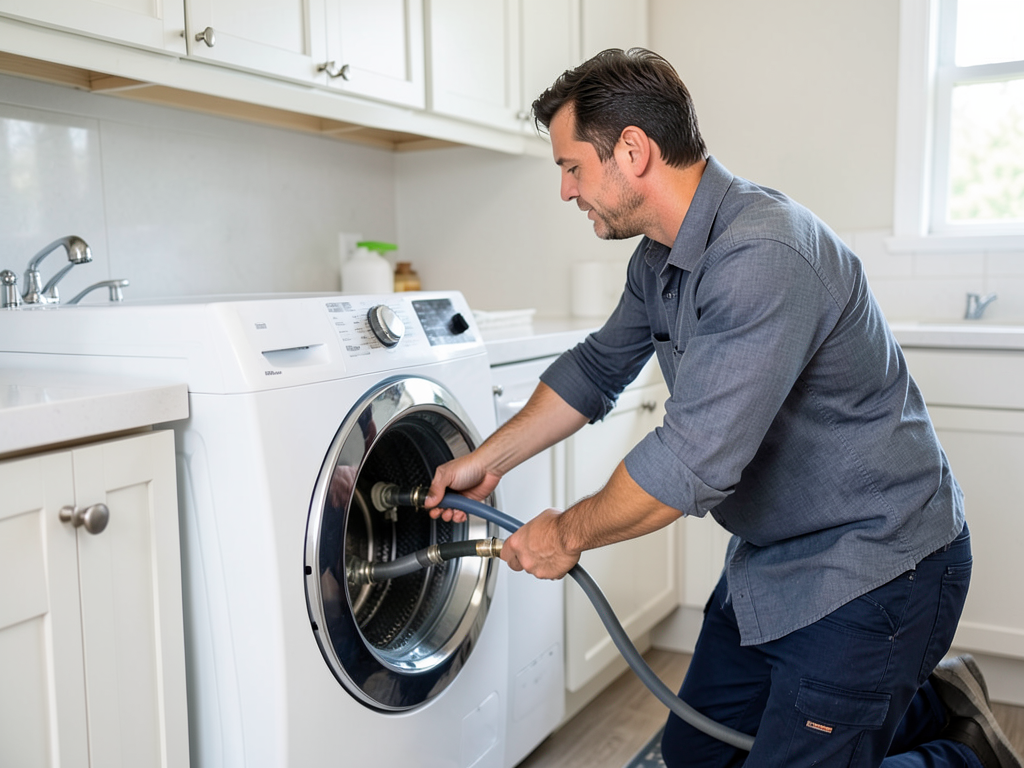
DIY replacement works for homeowners comfortable with basic plumbing tasks. The process involves shutting off water supply disconnecting old hoses connecting new ones and checking for leaks. However several factors make professional installation worth considering. Plumbing Mount Juliet.
Professional plumbers check your home’s water pressure during installation. Nashville’s water pressure varies significantly across different neighborhoods and high pressure can damage even the best hoses. A plumber can install a pressure regulator if needed to protect your new hoses.
Experienced technicians inspect your shut-off valves and supply lines while replacing hoses. Old or corroded valves might not close completely creating leak risks even with new hoses. A plumber can replace these components during the same visit.
Professional installation includes proper thread sealant application and torque specifications. Overtightening connections can crack fittings while undertightening leads to leaks. Plumbers use proper techniques to ensure leak-free connections.
Many homeowners discover other plumbing issues during professional inspections. A plumber might find corroded pipes worn-out valves or improper installations that could cause problems later.
- Turn Off Water Supply
Locate the shut-off valves behind your washing machine and turn them clockwise until they stop. Check that water flow stops completely.
- Disconnect Power and Move Machine
Unplug the washing machine and carefully slide it away from the wall to access the hoses. Have someone help with heavy machines.
- Remove Old Hoses
Use an adjustable wrench to loosen the connections at both the machine and wall valves. Have a bucket ready to catch any remaining water.
- Install New Hoses
Connect the new hoses hand-tight then use a wrench to snug them up. Do not overtighten. Apply thread sealant if recommended by the manufacturer.
- Test for Leaks
Turn the water supply back on slowly and check all connections for leaks. Run a short wash cycle to verify proper operation.
Nashville Water Pressure and Its Impact on Hose Longevity
Middle Tennessee’s water pressure varies significantly across different areas creating unique challenges for washing machine hoses. Understanding your local water pressure helps you choose the right protection for your home.
Downtown Nashville and older neighborhoods often experience higher water pressure due to aging infrastructure. Water pressure in these areas can exceed 80 PSI which is above the recommended maximum for household plumbing. High pressure puts extra stress on washing machine hoses causing them to wear out faster.
Suburban areas like Mount Juliet and Spring Hill typically have more stable water pressure around 60-70 PSI. While this is better than downtown pressure it still exceeds the burst pressure of standard rubber hoses over time.
Seasonal changes affect water pressure throughout the Nashville area. Summer months often bring higher pressure as water demand increases for lawns and gardens. Winter pressure can fluctuate as pipes expand and contract with temperature changes.
Water hammer effects common in Nashville homes create pressure spikes that damage hoses. When valves close quickly the sudden stop of water flow creates a shock wave that travels through pipes. This repeated stress weakens hose connections over time.
Hard water throughout Middle Tennessee leaves mineral deposits inside hoses that reduce their effective diameter. Smaller passages mean higher water velocity which increases pressure on hose walls. This mineral buildup accelerates hose deterioration especially in areas with very hard water.
Emergency Response What to Do When a Hose Bursts
Knowing how to respond quickly when a washing machine hose bursts can minimize water damage and protect your home. Every second counts when hundreds of gallons of water are flooding your house.
Locate your main water shut-off valve immediately. This valve controls water flow to your entire house and is usually near your water meter or where the main line enters your home. Practice finding this valve before an emergency occurs.
Turn off the washing machine if you hear unusual sounds or see water spraying. Many modern machines have emergency stop buttons that cut power immediately. Stopping the machine prevents it from trying to fill with more water.
Move quickly to the shut-off valves behind the washing machine if accessible. These valves control water to the machine only and are usually located on the wall behind the appliance. Turn both hot and cold valves clockwise to stop water flow.
Remove items from the floor and unplug nearby electrical devices. Water and electricity create serious shock hazards. Move electronics furniture and valuables to higher ground if possible.
Call for emergency plumbing service immediately. Most Nashville plumbing companies offer 24/7 emergency response for water damage situations. Quick professional help can prevent extensive structural damage.
Document the damage for insurance purposes. Take photos or videos of the flooding before cleanup begins. This documentation helps with insurance claims and can speed up the restoration process.
Cost Analysis DIY vs. Professional Hose Replacement
Understanding the true costs of washing machine hose replacement helps you make informed decisions about protecting your Charlotte Park home.
| Option | Parts Cost | Labor Cost | Total Cost | Time Required |
|---|---|---|---|---|
| DIY Rubber Hoses | $10-20 | $0 | $10-20 | 30-60 minutes |
| DIY Stainless Steel | $50-100 | $0 | $50-100 | 30-60 minutes |
| Professional Rubber | $10-20 | $75-150 | $85-170 | 45-90 minutes |
| Professional Stainless | $50-100 | $75-150 | $125-250 | 45-90 minutes |
DIY replacement offers the lowest upfront cost but carries risks if you lack plumbing experience. Incorrect installation can lead to leaks that cause more damage than the original problem. You also miss the opportunity for a professional inspection that might identify other issues.
Professional installation costs more initially but provides several advantages. Plumbers bring proper tools and experience to ensure leak-free connections. They can identify and fix related issues like corroded valves or high water pressure that might cause future problems.
The cost difference between rubber and stainless steel hoses is relatively small compared to potential water damage. A single hose burst can cause thousands of dollars in damage while quality hoses cost less than $100 total.
Consider the value of your time and peace of mind. Professional plumbers complete the job quickly and correctly the first time. They also provide warranties on their work that protect you if problems develop later.
Preventative Maintenance Schedule for Nashville Homeowners
Creating a regular maintenance schedule helps prevent washing machine hose failures and extends the life of your plumbing connections. Consistent checks catch problems before they become emergencies.
Inspect your washing machine hoses every six months for signs of wear. Look for cracks bulges rust or soft spots along the entire length of each hose. Check the connections at both ends for corrosion or mineral buildup.
Test your shut-off valves annually to ensure they work properly. Turn each valve off and on to verify they move freely and completely stop water flow. Replace any valve that sticks or leaks.
Clean the area around your washing machine regularly to spot leaks early. Water stains on walls or floors indicate slow leaks that might not be visible when the machine is pushed against the wall.
Consider installing water alarms near your washing machine and water heater. These inexpensive devices sound an alert when they detect moisture helping you catch leaks before major damage occurs.
Replace washing machine hoses every five years regardless of their appearance. This preventative replacement costs much less than emergency repairs after a burst hose.
Have a professional plumber inspect your laundry room plumbing every two years. Professional inspections can identify issues like high water pressure corroded pipes or improper installations that homeowners might miss.
Local Service Areas and Emergency Response
Ironwood Plumbing serves Charlotte Park and surrounding Nashville neighborhoods with comprehensive plumbing services including emergency response for washing machine hose failures.
Our service area includes Mount Juliet where many new homes need plumbing inspections and updates. The rapid growth in this area means many homes have newer plumbing that still benefits from professional maintenance.
Springfield residents often deal with well water systems that can accelerate hose deterioration. Our plumbers understand the unique challenges of well water and can recommend appropriate hose materials and replacement schedules.
Spring Hill homeowners frequently ask about preventing water damage in their laundry rooms. We provide same-day service for emergency hose replacements and can install water detection systems to prevent future problems.
Portland area homes often have older plumbing systems that need careful inspection before hose replacement. Our experienced technicians know how to work with various pipe materials and connection types common in this region.
Murfreesboro residents benefit from our understanding of local water pressure variations. We test water pressure during every service call and can install regulators if needed to protect your plumbing investments.
Emergency service is available 24/7 throughout our service area. When a hose bursts water damage happens quickly and every minute matters. Our team responds rapidly to minimize damage and restore your home’s safety.
Protecting Your Investment Beyond Hose Replacement
Preventing washing machine hose failures involves more than just replacing old hoses. A comprehensive approach to laundry room plumbing protects your home from water damage.
Install an automatic shutoff valve system that detects leaks and stops water flow immediately. These systems use moisture sensors to detect water where it shouldn’t be and shut off the supply before major damage occurs.
Consider a whole-house water pressure regulator if your home experiences high pressure. These devices maintain consistent pressure throughout your plumbing system protecting all fixtures and appliances from pressure-related damage.
Upgrade to a stainless steel braided supply line for your water heater as well. Water heaters can also cause significant water damage if their connections fail and the same principles of protection apply.
Install a drain pan under your washing machine to catch minor leaks before they spread. These pans connect to your home’s drainage system and provide an extra layer of protection against water damage.
Consider a water monitoring system that tracks your home’s water usage and alerts you to unusual patterns. These smart devices can detect leaks anywhere in your home and send alerts to your phone.
Regular plumbing inspections catch problems before they cause damage. A professional inspection every two years costs much less than emergency repairs after a major leak.
Frequently Asked Questions
How often should I replace my washing machine hoses?
Replace rubber washing machine hoses every three to five years regardless of their appearance. Stainless steel braided hoses last longer but should still be replaced every seven to ten years as a preventative measure.
Can I use any type of hose for my washing machine?
No. Use only hoses specifically designed for washing machines. These hoses handle the high water pressure and frequent cycling that washing machines require. Garden hoses or other types are not safe for this application.
What causes washing machine hoses to burst?
Several factors cause hose failure including age water pressure mineral buildup physical damage and manufacturing defects. The most common cause is simply the natural deterioration of rubber over time from constant water exposure.
How much water can leak from a burst washing machine hose?
A single burst washing machine hose can release up to 650 gallons of water per hour. This volume of water can cause extensive damage to floors walls and personal belongings in a very short time.
Should I turn off my washing machine water supply when not in use?
Yes. Turning off the water supply when you’re away for extended periods or when the machine is not in use provides extra protection against hose failures and leaks.
Take Action Today to Protect Your Home
Don’t wait for a washing machine hose to burst and flood your Charlotte Park home. The cost of preventative maintenance is minimal compared to the thousands of dollars in water damage a single hose failure can cause.
Schedule a professional inspection of your washing machine hoses and laundry room plumbing today. Our experienced technicians will check for signs of wear test water pressure and recommend the best protection for your specific situation.
Call Ironwood Plumbing at (615) 413-8833 to schedule your inspection or emergency service. We serve Charlotte Park Mount Juliet Springfield Spring Hill Portland Murfreesboro and all surrounding Nashville communities with fast reliable plumbing service.
Protect your home and your peace of mind with quality washing machine hose replacement from Nashville’s trusted plumbing professionals. Don’t let a simple hose failure turn into a major disaster. For more information, visit Air-Conditioning, Heating, and Refrigeration Institute.