
How to Fix Low Water Pressure That Only Happens at the Kitchen Faucet in Franklin
Nothing frustrates a homeowner faster than turning on the kitchen faucet and getting a weak trickle when you need a strong stream. If the rest of your house has normal water pressure but your kitchen faucet sputters like it’s gasping for air, you’ve got a localized problem that’s often fixable without calling a plumber. The good news is that this issue rarely signals a major plumbing disaster. Instead, it’s usually caused by mineral buildup, a clogged aerator, or a failing faucet component. Getting Your Franklin TN Water Heater Replaced Without the Stress.
Before you panic and start budgeting for a complete repipe, let’s walk through the most common causes of kitchen faucet low water pressure in Franklin and how to fix them. Franklin residents deal with specific water quality issues that can accelerate these problems, so we’ll cover those too. How to Deal with Hard Water Issues in Your Mt Juliet Home.
Quick Check: Is it Just the Kitchen Faucet?
Before disassembling anything, verify that the problem is isolated to your kitchen faucet. Turn on the bathroom sink, shower, and any other faucets in your home. If they all have normal pressure, you’ve confirmed the issue is faucet-specific. If other fixtures are also weak, the problem might be a failing pressure reducing valve, a main line leak, or a municipal water supply issue.. Read more about Why Your Kitchen Island Sink Gurgles (And How Air Admittance Valves Work in The Nations).
Franklin residents should also check with Franklin Water Management for any known outages or maintenance work in your area. Sometimes what feels like a faucet problem is actually a temporary supply issue affecting the entire neighborhood.
Step 1: The Aerator (The #1 Cause in Middle Tennessee)
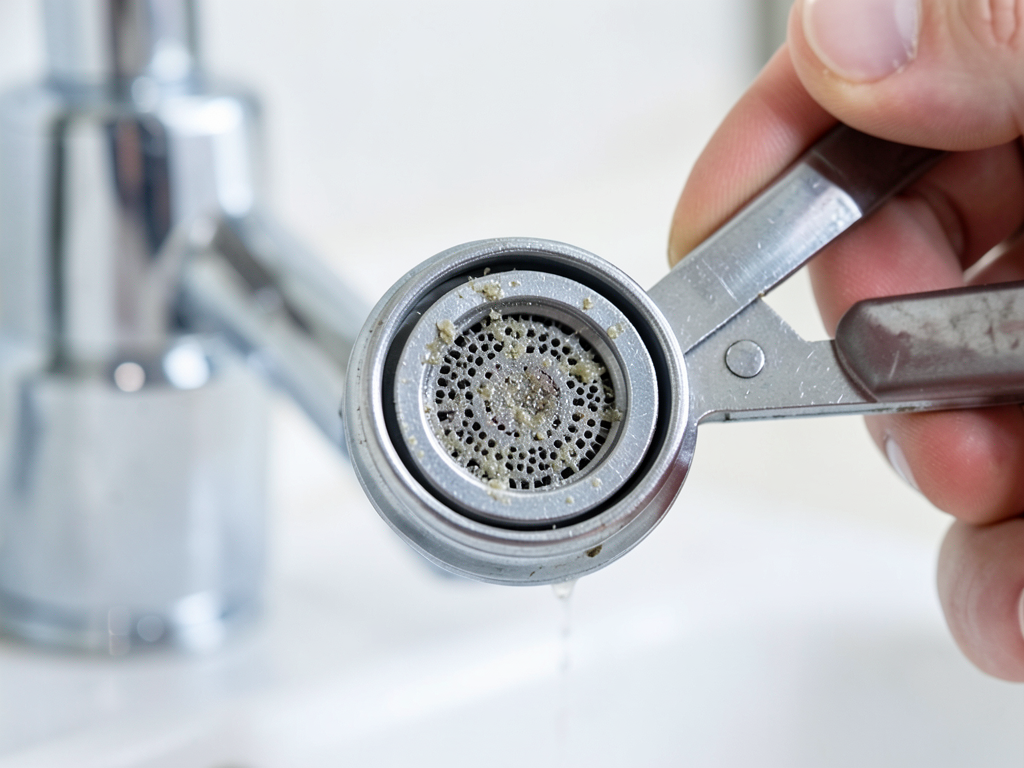
The aerator is that small mesh screen at the tip of your faucet where water exits. It’s designed to create a smooth flow and reduce splashing, but it’s also the perfect trap for mineral deposits. Franklin’s water supply contains significant calcium and magnesium levels, which means aerators clog faster here than in many other regions.
Here’s how to clean or replace your aerator:
- Remove the Aerator
Unscrew the aerator from the faucet tip. Most modern aerators have a recessed design that requires a special aerator key, which you can buy at any hardware store for under $10. If you don’t have a key, try wrapping the aerator in a cloth and using pliers, but be gentle to avoid scratching the finish.
- Inspect for Debris
Look inside the aerator housing. You’ll likely see white, crusty deposits or black sediment. This is mineral buildup and possibly rust particles from older pipes. Who to Call When Your Pipes Burst in Nashville at 3 AM.
- Clean Thoroughly
Soak the aerator in white vinegar for 30 minutes to dissolve mineral deposits. Use an old toothbrush to scrub away stubborn buildup. Rinse thoroughly with clean water.
- Test the Flow
Before reassembling, turn the water on briefly to flush any loose debris from the faucet body. Then screw the aerator back on and test the pressure.
If cleaning doesn’t restore normal flow, the aerator may be permanently damaged or too corroded to clean effectively. Replacement aerators cost $5-15 and are worth trying before moving to more complex repairs.
Step 2: Checking for a Clogged Spray Head or Diverter
Modern pull-down and pull-out kitchen faucets have additional components that can restrict flow. The spray head contains its own aerator and filter, while the diverter valve routes water between the main spout and spray functions.
For pull-down faucets:
- Remove the spray head by unscrewing it from the hose. Most have a quick-connect fitting you can release by pressing a button.
- Check the spray head’s internal filter screen for mineral buildup. Clean or replace as needed.
- Inspect the hose for kinks or damage. A kinked hose can severely restrict flow even if the faucet components are clean.
The diverter valve, located inside the faucet body, can also fail. If your faucet has separate hot and cold handles and the diverter sticks, it may only allow partial water flow. Diverter replacement typically requires faucet disassembly and is best left to professionals unless you’re comfortable with plumbing repairs. Professional Plumbing Fixture Installation for Your Brentwood Remodel.
Step 3: Inspecting the Cartridge and Supply Lines
Single-handle faucets use a cartridge to control water mixing and flow. Over time, debris from your water supply can get trapped in the cartridge, or the cartridge itself can wear out. This is especially common in older Franklin homes with galvanized pipes that shed rust particles.
Cartridge inspection steps:
- Turn off the hot and cold water supply valves under the sink.
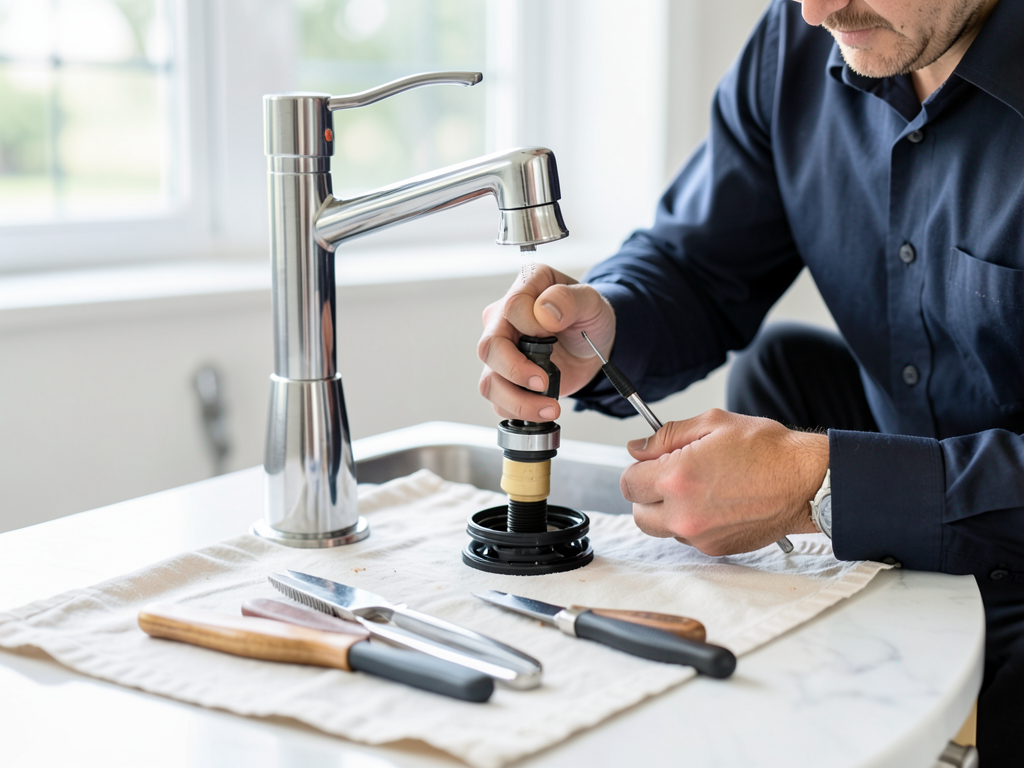
- Remove the faucet handle according to the manufacturer’s instructions. This usually involves removing a decorative cap and unscrewing a handle screw.
- Pull out the cartridge. Note its orientation before removal so you can reinstall it correctly.
- Inspect the cartridge for mineral buildup, debris, or worn seals. Clean with vinegar or replace if damaged.
While you have the faucet disassembled, check the supply lines. Turn off the water, disconnect the lines from the faucet, and point them into a bucket. Turn the water back on briefly to flush any debris. If the flow from the supply lines is strong but weak at the faucet, the cartridge is likely the culprit.
Nashville Hard Water & Your Plumbing
Franklin’s water supply comes from the Cumberland River and local aquifers, which naturally contain high levels of dissolved calcium and magnesium. According to the EPA’s WaterSense program, Middle Tennessee water typically measures 180-250 parts per million for hardness, which falls into the “very hard” category.
This means Franklin residents experience mineral buildup about 3-4 times faster than areas with soft water. The white crusty deposits you see on faucets and showerheads are calcium carbonate. Over time, these deposits narrow water passages inside your faucet, reducing flow rate and pressure.
Hard water also affects faucet performance in other ways:
| Hard Water Effect | Impact on Faucet | Typical Timeline in Franklin |
|---|---|---|
| Aerator clogging | Reduced flow rate | 6-12 months |
| Cartridge wear | Inconsistent temperature, weak pressure | 3-5 years |
| Supply line buildup | Gradual pressure loss | 5-10 years |
| Valve seat corrosion | Dripping, difficulty turning | 7-12 years |
Understanding these timelines helps you anticipate when parts might need replacement rather than just cleaning.
When to Call a Professional Nashville Plumber
While many faucet pressure issues are DIY-friendly, some problems require professional tools and expertise. Call a plumber if:
- You’ve cleaned the aerator and replaced the cartridge, but pressure remains low.
- You notice water discoloration along with pressure loss, which could indicate pipe corrosion.
- Your home has galvanized steel pipes that are over 40 years old.
- The pressure loss is sudden rather than gradual.
- You’re uncomfortable working with plumbing or lack the necessary tools.
Professional plumbers in Franklin use specialized equipment like flow meters to diagnose pressure issues accurately. They can also identify if your problem stems from a failing pressure reducing valve or hidden pipe damage that isn’t visible during basic troubleshooting.
For homes in older Franklin neighborhoods like Westhaven or Fieldstone Farms, pipe age and material become significant factors. Galvanized pipes, common in homes built before 1980, corrode from the inside out. You might have excellent pressure at the main line but barely a trickle at your fixtures due to internal pipe diameter reduction from rust buildup.
Prevention and Maintenance Tips
Once you’ve restored your kitchen faucet’s pressure, keep it flowing strong with these maintenance practices:
- Annual Aerator Cleaning
Remove and clean your aerator every 6-12 months, or whenever you notice flow reduction. This simple step prevents most pressure problems.
- Water Softener Consideration
If you’re constantly battling mineral buildup, a whole-house water softener might be worth the investment. These systems exchange calcium and magnesium ions for sodium or potassium, preventing scale formation throughout your plumbing. Plumbing Mount Juliet.
- Quality Fixtures
When replacing faucets, choose models with ceramic disc cartridges rather than traditional rubber washers. Ceramic components resist mineral buildup better and typically last 5-10 years longer in hard water areas.
- Regular Supply Line Flushing
Every few years, turn off your main water supply and briefly open all faucets to flush sediment from your pipes. This prevents debris from reaching and clogging faucet components.
Cost Comparison: DIY vs. Professional Repair
Understanding the potential costs helps you decide whether to tackle the repair yourself or call a professional. Here’s what you might expect for common kitchen faucet pressure repairs in Franklin:
| Repair Type | DIY Cost Range | Professional Cost Range | Time Required |
|---|---|---|---|
| Aerator cleaning/replacement | $5-15 | $75-150 | 15-30 minutes |
| Cartridge replacement | $20-80 | $150-300 | 1-2 hours |
| Spray head replacement | $30-100 | $100-250 | 30-45 minutes |
| Supply line replacement | $15-40 | $200-400 | 1-3 hours |
| Complete faucet replacement | $100-500 | $350-800 | 2-4 hours |
The wide cost ranges reflect different faucet brands, quality levels, and the complexity of your specific installation. Premium brands like Kohler or Moen typically cost more for both parts and labor.
Local Water Quality Considerations
Franklin’s water treatment process by Franklin Water Management ensures safe drinking water but doesn’t remove the minerals that cause hardness. The utility maintains water pressure between 40-80 psi throughout the distribution system, which is adequate for most homes.
However, pressure can vary by neighborhood and even by street. Homes in newer developments like Cool Springs or Eastview typically have more consistent pressure due to modern infrastructure. Older neighborhoods might experience pressure fluctuations, especially during peak usage times like morning and evening.
If you’re experiencing pressure issues that seem related to supply rather than your faucet, consider installing a pressure gauge on an outdoor spigot. Readings below 40 psi indicate a supply problem that requires investigation beyond your faucet.
Frequently Asked Questions
Why is my kitchen faucet the only one with low water pressure?
Isolated low pressure usually indicates a problem specific to that fixture, such as a clogged aerator, failing cartridge, or kinked supply line. Whole-house pressure issues would affect multiple fixtures simultaneously.
How often should I clean my kitchen faucet aerator?
In Franklin’s hard water conditions, clean your aerator every 6-12 months or whenever you notice reduced flow. Homes with water softeners might only need annual cleaning.
Can a water filter cause low faucet pressure?
Yes, inline water filters and faucet-mounted filters can restrict flow as they age. Replace filter cartridges according to the manufacturer’s schedule, typically every 3-6 months.
Is low water pressure dangerous for my plumbing?
Low pressure itself isn’t dangerous, but it can indicate developing problems like pipe corrosion or supply line issues that might worsen over time. Address persistent pressure loss to prevent more serious damage.
How do I know if my faucet cartridge needs replacement?
Signs include inconsistent water temperature, difficulty adjusting flow, or persistent low pressure even after cleaning the aerator. Most cartridges last 5-10 years in hard water areas.
Restore Your Kitchen Faucet’s Flow Today
Low water pressure in your kitchen faucet doesn’t have to be a mystery or a major expense. Most Franklin homeowners can resolve the issue themselves by cleaning the aerator or replacing a simple component. The key is understanding that Franklin’s hard water creates unique challenges that require specific solutions.
Start with the simple fixes we’ve outlined above. Clean your aerator, check for obvious kinks or blockages, and test your supply lines. If these steps don’t restore normal pressure, you might be dealing with a worn cartridge or more complex issue that benefits from professional attention.
Remember that persistent low pressure, especially if it develops suddenly or affects water quality, could signal bigger plumbing problems. Don’t ignore these warning signs or you might face more extensive repairs down the road.
Ready to get your kitchen faucet flowing like new again? Start with the aerator cleaning steps above. If you need professional help or want to schedule a comprehensive plumbing inspection, call Ironwood Plumbing at (615) 413-8833. Our experienced Franklin plumbers understand local water conditions and can quickly diagnose and fix any pressure issue, ensuring your kitchen works the way it should.
Don’t let a trickle slow you down. Take action today and enjoy the strong, reliable water flow your kitchen deserves.
You may also find this helpful. Comparing the Best Sink Materials for a Long-Lasting North Nashville Kitchen.