



Menu

Grease Trap Cleaning & Pumping in Nashville | Keep Your Business Open and Compliant

Scheduled grease trap cleaning and pumping that prevents shutdowns, maintains health department compliance, and keeps your Nashville restaurant or commercial kitchen operating without interruption.

Slider Image 1
Slider Image 2
Slider Image 3
Slider Image 4
Slider Image 5
Slider Image 7
Slider Image 8
Slider Image 9
Slider Image 10
Slider Image 11

Why Nashville Food Service Operations Depend on Consistent Grease Trap Maintenance

Your grease interceptor protects your business from three threats: health code violations, operational shutdowns, and sewer backups that halt revenue. In Nashville, Metro Public Health Department enforces strict codes requiring regular commercial grease trap pumping for all food service facilities. Missing a scheduled cleanout puts your permit at risk.

Nashville's food scene runs year-round, with tourist traffic from Broadway and the Gulch driving consistent demand. Summer heat accelerates grease breakdown inside interceptors, creating odors and accelerating buildup. Winter cold causes solidification that clogs drain lines faster. Your grease trap works harder in both conditions.

Most violations happen because operators wait for visible problems. A grease interceptor at 25 percent capacity still flows normally but fails inspection. At 50 percent, you risk backup during peak hours. By the time you smell it or see slow drainage, you have already crossed compliance thresholds.

Restaurant grease trap service keeps you ahead of citations. Regular grease trap cleanout prevents the emergency calls that cost triple and shut down your kitchen during dinner rush. Scheduled maintenance costs less than one day of lost revenue. Commercial operations need predictable service intervals based on volume, not guesswork.

Health inspectors check interceptor logs. Missing pumping records trigger violations even if the trap looks clean. Grease trap waste removal requires certified haulers and proper manifests. DIY attempts or unlicensed services leave you liable for environmental fines that exceed five figures in Tennessee.

Why Nashville Food Service Operations Depend on Consistent Grease Trap Maintenance
How Professional Grease Interceptor Cleaning Protects Business Continuity

How Professional Grease Interceptor Cleaning Protects Business Continuity

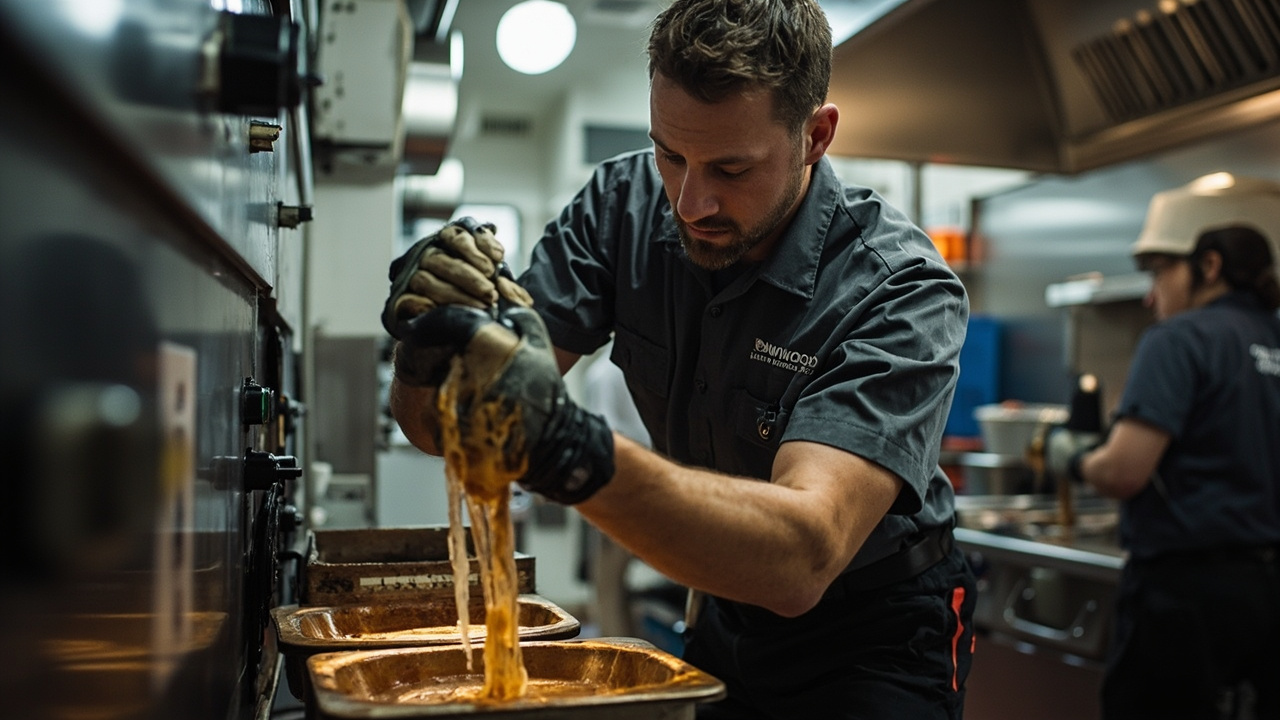
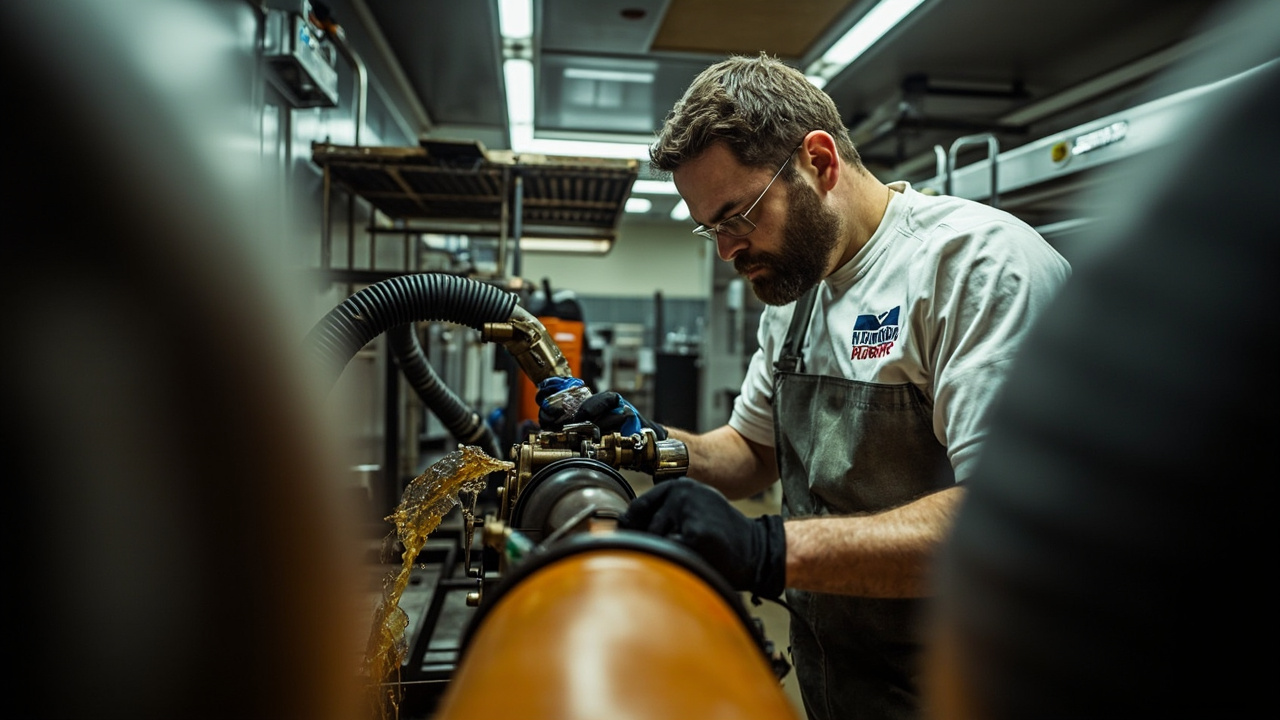
Effective grease trap pumping removes three layers: floating FOG (fats, oils, grease), middle wastewater, and bottom solids. Incomplete pumping leaves residual buildup that accelerates the next cycle. We extract all three layers, pressure wash baffles, and inspect gaskets for integrity.

Our vacuum trucks handle interceptors from 500 to 2,000 gallons without requiring kitchen shutdown. We pump from exterior access points when possible to avoid disrupting prep areas. For indoor traps under dishwashers or three-compartment sinks, we use low-profile equipment and containment barriers that prevent cross-contamination.

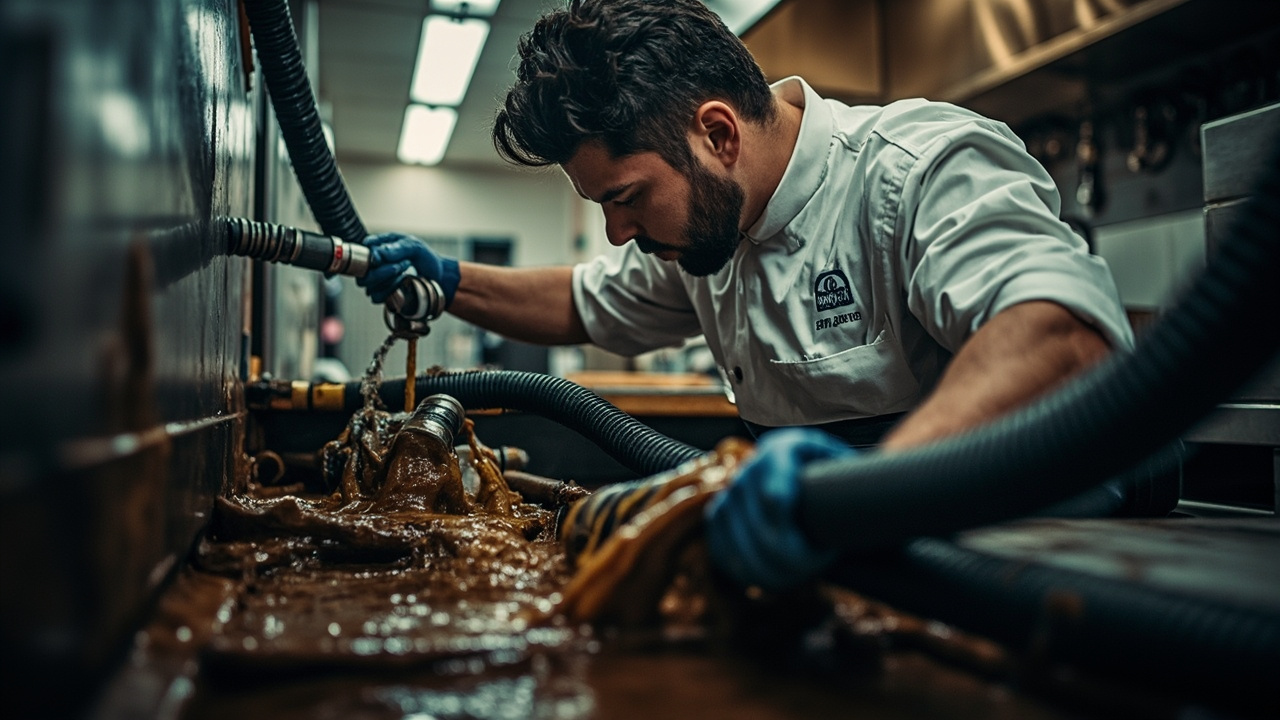
After extraction, we flush inlet and outlet lines to clear accumulated grease in the piping between your sinks and the interceptor. Most service failures happen in these connecting pipes, not the trap itself. High-pressure water jetting removes hardened deposits that slow drainage and cause backups during high-volume periods.

We measure sludge depth with a grease trap depth gauge and document findings on your service manifest. This record proves compliance during health inspections. If we find structural issues like cracked baffles, corroded walls, or failing gaskets, we photograph and report them before they become emergency repairs.

Your waste goes to approved processing facilities with chain-of-custody documentation. Tennessee requires manifests showing origin, hauler, and disposal site for all FOG waste. We provide copies for your records within 48 hours. Ironwood Plumbing Nashville maintains all required waste hauler permits and environmental certifications.

Scheduled service intervals depend on your daily grease load. High-volume kitchens need monthly service. Lower-volume operations run quarterly. We calculate frequency based on interceptor size and your menu profile, not arbitrary timelines.

What Happens During Your Grease Trap Service Appointment

Grease Trap Cleaning & Pumping in Nashville | Keep Your Business Open and Compliant
01

Pre-Service Site Assessment

We confirm interceptor location, access point clearance, and truck positioning before starting pumping equipment. Our technician reviews your service history to identify any previous issues with baffles, venting, or drainage patterns. We verify the interceptor size matches your permit specifications and check that lids open freely without damage. This assessment takes five minutes and prevents delays once pumping begins.
02

Complete Trap Evacuation

We remove all FOG, wastewater, and settled solids using industrial vacuum equipment that extracts material without splashing or odor release. Baffles get scraped clean of hardened grease, and we inspect mounting hardware for corrosion. Inlet and outlet piping receives high-pressure flushing to clear blockages in the flow path. The entire extraction process takes 30 to 45 minutes for standard restaurant interceptors, longer for larger commissary or hotel kitchen systems.
03

Documentation and Compliance Reporting

After pumping, we measure trap dimensions, photograph the clean interior, and record all findings on your service manifest. You receive a signed copy showing date, volume removed, and disposal facility destination. We note any maintenance needs like damaged gaskets or settling issues that require follow-up. This paperwork satisfies Metro Public Health requirements and provides your defense during inspections. Digital copies go to your email within two business days for your permanent records.

Why Nashville Restaurants Trust Local Grease Trap Specialists

Metro codes require FOG service providers to maintain specific permits that many regional haulers lack. Ironwood Plumbing Nashville holds all required Tennessee environmental certifications and waste hauler credentials. We know which disposal facilities Metro accepts and which trigger violations. Out-of-area services often use unapproved dump sites that leave you liable.

Our trucks reach tight Downtown Nashville locations where 18-wheelers cannot access. We service kitchens in The Gulch, Germantown, and East Nashville's narrow alleys without blocking traffic or requiring street closures. Morning service windows before 10 a.m. keep us out of your prep time.

We understand Nashville's food service calendar. We avoid scheduling during CMA Fest, July 4th at Riverfront Park, and NFL game days when your volume doubles. Flexible appointment times match your operational reality, not a corporate service grid designed for another city.

Our technicians recognize the difference between a standard under-sink trap and a large exterior interceptor serving multiple prep stations. We size pumping frequency to your actual grease load, not a one-size template. A hot chicken restaurant generates different waste than a salad bar. Your service interval should reflect that reality.

When health inspectors arrive, your grease trap log needs dates, volumes, and hauler signatures. We provide compliant documentation that matches Metro's requirements exactly. Generic service receipts from national chains often lack the detail inspectors demand. Our manifests include every data point Metro codes specify.

Long-term clients get priority scheduling during emergencies. If you call with a backup during Saturday dinner service, we respond within two hours, not Monday morning. That access matters when every hour of downtime costs you revenue and reputation.

What Your Business Gets with Professional Grease Trap Service

Service Timing and Availability

Scheduled pumping appointments happen during your chosen maintenance window, typically early morning before kitchen prep begins or late night after close. Standard service takes 30 to 60 minutes depending on interceptor size and access configuration. We confirm appointments 48 hours in advance and arrive within a 30-minute window to minimize disruption. Emergency service for backups and overflows gets same-day response seven days a week. You will not wait until Monday when grease blocks your drain line on Friday night.

Trap Inspection and Problem Identification

Every service includes visual inspection of baffles, gaskets, inlet and outlet piping, and structural integrity. We measure sludge depth before pumping to calculate your actual accumulation rate. This data determines whether your current service interval matches your grease load or needs adjustment. If we find cracks, corrosion, or mechanical failures, we document them with photos and provide repair recommendations before they cause compliance issues. You get a condition report with every service showing exactly what we found and what needs attention.

Clean Operation and Final Result

After complete evacuation, your interceptor has zero FOG layer, clear water, and clean baffles. Inlet and outlet lines flow freely without restriction. Lids seat properly with intact gaskets that prevent odor escape. We pressure wash interior walls to remove residual grease film that accelerates the next buildup cycle. The trap functions at full design capacity, giving you maximum time before the next service. Your drainage returns to full speed, and you have documentation proving the system meets Metro Public Health standards.

Ongoing Compliance Support

We maintain your complete service history in our system and send reminders 10 days before your next scheduled pumping. You receive copies of all manifests showing waste volume, disposal location, and hauler credentials that satisfy Metro inspection requirements. If your volume changes due to menu modifications or expansion, we adjust service frequency to match your new grease load. Our documentation package includes everything health inspectors request, organized in the format they expect. You will not scramble for paperwork during surprise inspections.

Frequently Asked Questions

You Have Questions,
We Have Answers

How often do grease traps need to be pumped? +

Pump frequency depends on trap size, wastewater volume, and food-oil content. Most commercial kitchens in Nashville pump every 1-3 months. High-volume operations like Broadway honky-tonks or East Nashville brunch spots may require monthly service. Metro Health requires pumping when the trap reaches 25% solids. Track your flow rate and grease load. Schedule proactive pumping to avoid FOG violations, backups, and the fines that come with non-compliance. Regular pumping protects your business continuity and keeps you audit-ready.

How much does a 1000 gallon grease trap cost to clean? +

Costs vary based on trap accessibility, waste volume, and disposal logistics. Nashville area pricing typically factors in pumping time, hauling distance to approved disposal sites, and labor. Larger traps require specialized vacuum trucks and more disposal fees. Request itemized quotes from licensed haulers. Compare per-gallon rates, service response times, and compliance documentation. The lowest bid often means corner-cutting on proper manifesting or disposal. Budget for quarterly pumping as an operational cost, not a surprise expense. Proper budgeting prevents emergency service premiums.

How often should grease traps be cleaned? +

Clean grease traps every 1-3 months depending on kitchen output and trap capacity. Nashville Metro codes mandate cleaning when solids reach 25% of total depth. High-volume restaurants, hotels, and institutional kitchens often need monthly service. Lower-volume operations may extend to quarterly. Monitor effluent levels weekly. Schedule cleaning before you hit the threshold. Consistent cleaning prevents solidification, clogs, and the odor complaints that trigger health inspections. Documentation of regular service protects you during audits and demonstrates code compliance.

Can I clean a grease trap myself? +

No. Commercial grease trap pumping requires licensed haulers, vacuum trucks, proper manifesting, and legal disposal at approved facilities. DIY efforts violate Nashville Metro codes and Tennessee environmental regulations. Improper disposal of FOG waste results in fines, liability exposure, and potential facility closure. You lack the equipment to fully evacuate and clean the trap. You also cannot legally transport or dispose of the waste. Hire certified professionals who provide compliance documentation. Self-service exposes your business to regulatory penalties and environmental liability.

How much does it cost to pump out a grease trap? +

Costs depend on trap size, location accessibility, waste volume, and service frequency. Nashville area pricing reflects disposal fees at Metro Water Services approved sites, labor, and equipment costs. Expect higher costs for emergency callouts, difficult access points, or traps in poor condition. Establish a scheduled service contract to reduce per-visit costs and ensure compliance. Budget pumping as a regular operational expense. Deferred pumping leads to blockages, overflows, and costly emergency repairs. Request detailed invoicing to track waste volume and optimize pumping intervals.

What are the signs of a full grease trap? +

Slow draining sinks and floor drains signal accumulation. Foul odors from drains or the trap itself indicate decomposition. Grease backup into sinks or dishwashers means the trap is over capacity. Visible grease floating on the effluent layer shows the trap has exceeded 25% solids. Fruit flies or drain flies clustering near the trap suggest organic buildup. These signs mean you are past due for pumping and risk code violations. Schedule immediate service to prevent overflow, fines, and operational shutdown during peak business hours.

How Nashville's Food Service Growth Drives Grease Trap Demand

Nashville's restaurant sector expanded 23 percent in the past five years, with new openings concentrated in The Nations, Wedgewood-Houston, and Midtown. This growth increases demand for compliant grease interceptor cleaning as operators navigate Metro's FOG management program. High-volume tourism from Broadway and the convention center means many kitchens run longer hours and higher volumes than standard operations. Seasonal events like CMA Fest and NFL games create demand spikes that stress undersized or poorly maintained interceptors. Nashville's mix of hot chicken concepts, barbecue joints, and upscale dining generates different grease profiles that require tailored service intervals.

Metro Public Health conducts unannounced inspections at all food service facilities. Violations for improper grease trap maintenance result in point deductions that become public record on inspection reports posted online. Repeat offenders face permit suspension and mandatory re-inspection fees. Working with a certified local provider who understands Metro's specific documentation requirements protects your permit and your reputation. Ironwood Plumbing Nashville maintains relationships with Metro environmental inspectors and stays current on code updates that affect FOG service requirements. We help you stay ahead of regulation changes before they become violation risks.

Plumbing Services in The Nashville Area

Looking for expert plumbing services near you? Ironwood Plumbing Nashville proudly serves homeowners and businesses throughout the greater Nashville area with professional plumbing repairs, water heater installation, leak detection, and emergency plumbing services. From Brentwood to Hendersonville, our licensed plumbers are ready to respond quickly and efficiently. Use the map below to explore our coverage areas and discover fast, reliable plumbing help right around the corner.

Address:
IronwoodPlumbingNashville, 3102 West End Ave Suite 400, American Center, Nashville, TN, 37203

Additional Services We Offer

Our news updates

Latest Articles & News from The Blogs

Lorem ipsum dolor sit amet. Aut expedita quaerat quo eligendi numquam et laudantium perspiciatis qui minima expedita rem consequatur ducimus.…

Test Blog 4

Lorem ipsum dolor sit amet. Aut expedita quaerat quo eligendi numquam et laudantium perspiciatis qui minima expedita rem consequatur ducimus.…

Test Blog 3

Lorem ipsum dolor sit amet. Aut expedita quaerat quo eligendi numquam et laudantium perspiciatis qui minima expedita rem consequatur ducimus.…

Test Blog 2

Lorem ipsum dolor sit amet. Aut expedita quaerat quo eligendi numquam et laudantium perspiciatis qui minima expedita rem consequatur ducimus.…

Contact Us

Do not wait for a citation or backup to address your grease interceptor. Call (615) 413-8833 now to schedule service or request a compliance review. We provide same-week appointments and emergency response when you need it.