Getting Rid of the Strong Chlorine Smell in Your Metro Nashville Tap Water
The first thing you notice when you turn on the tap in your Nashville home is that unmistakable bleach-like odor. That strong chlorine smell comes from Metro Water Services adding disinfectants to protect the city’s water supply from bacteria and viruses. While this keeps your water safe to drink it also creates an unpleasant taste and odor that many homeowners want to eliminate. Metro Water Services Nashville.
Why Nashville Homeowners are Filtering Their City Water
Nashville’s water treatment process relies heavily on chlorine to treat water from the Cumberland River. The city adds enough chlorine to maintain a residual level throughout the entire distribution system which means by the time it reaches your home in East Nashville or Brentwood the chlorine concentration can be quite noticeable. Many residents report their tap water smells like a swimming pool especially during summer months when demand is higher. How to Deal with Hard Water Issues in Your Mt Juliet Home.
The chlorine not only affects taste and smell but also impacts your daily life. It dries out skin and hair causes rubber seals in appliances to break down faster and can create unpleasant chemical reactions with organic matter in your plumbing. Homeowners in older neighborhoods like Germantown with aging pipes often notice the smell more intensely due to the longer water residence time in the system. Who to Call When Your Pipes Burst in Nashville at 3 AM.
Chlorine vs. Chloramine: What’s in the Nashville Supply?
Metro Water Services primarily uses free chlorine for disinfection but some areas may receive water treated with chloramines which are chlorine combined with ammonia. Chloramines last longer in the distribution system but are harder to remove than free chlorine. This matters because standard activated carbon filters work well for chlorine but require catalytic carbon to effectively remove chloramines.
The Cumberland River provides Nashville’s water source and its varying conditions throughout the year affect treatment needs. During high runoff periods after spring rains Metro Water Services may increase chlorine levels to handle the additional organic matter entering the system. This seasonal variation means the chlorine smell can be stronger at certain times of year particularly in neighborhoods at the end of water mains like parts of Hermitage or Antioch.
Our Whole-Home Filtration Solutions
Whole-home filtration systems installed at your main water line provide the most comprehensive solution for chlorine removal. These point-of-entry systems ensure every faucet shower and appliance in your home receives filtered water. For typical Nashville homes ranging from 1 500 to 3 000 square feet we recommend systems with flow rates between 10 to 15 gallons per minute to maintain adequate water pressure.
| System Type | Best For | Media Required | Flow Rate |
|---|---|---|---|
| Whole Home Carbon Filter | Chlorine removal only | Activated Carbon | 10-15 GPM |
| Catalytic Carbon System | Chloramine removal | Catalytic Carbon | 10-15 GPM |
| Combined Softener+Filter | Hard water + chlorine | Carbon + Resin | 12-18 GPM |
Point-of-use systems installed under sinks work well for drinking water but don’t address the chlorine your skin absorbs during showers or the damage to appliances. Many Nashville homeowners in Spring Hill and Franklin choose whole-home systems because they want consistent water quality throughout their entire house not just at the kitchen sink. Getting Your Franklin TN Water Heater Replaced Without the Stress.
The Installation Process: What to Expect
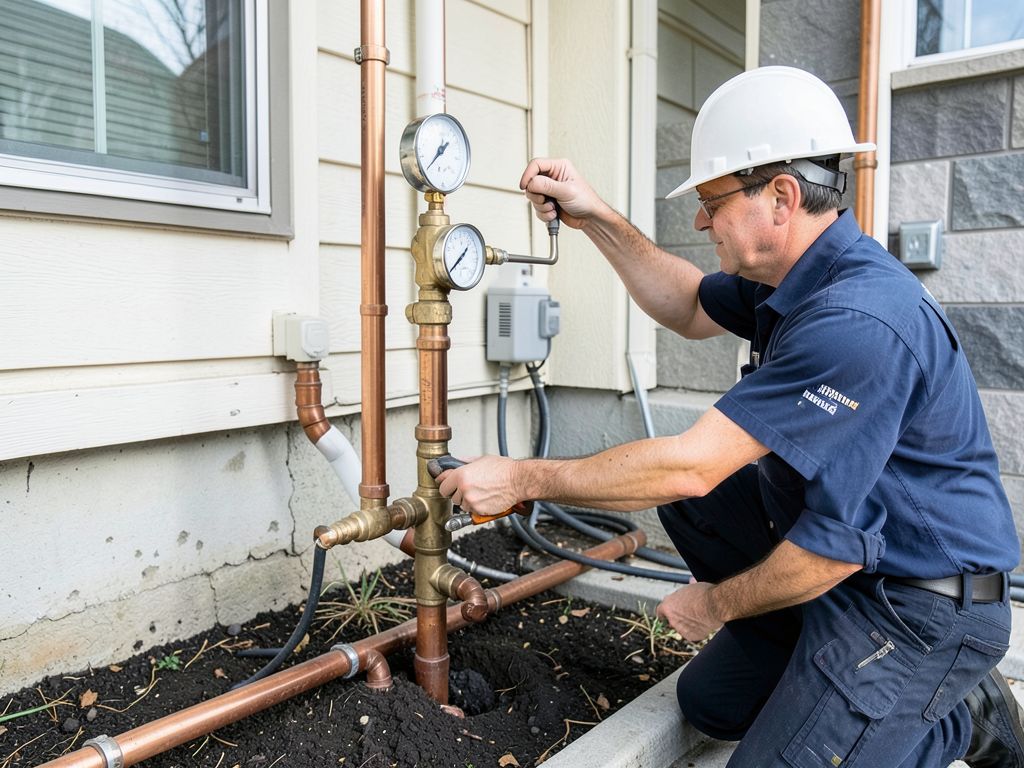
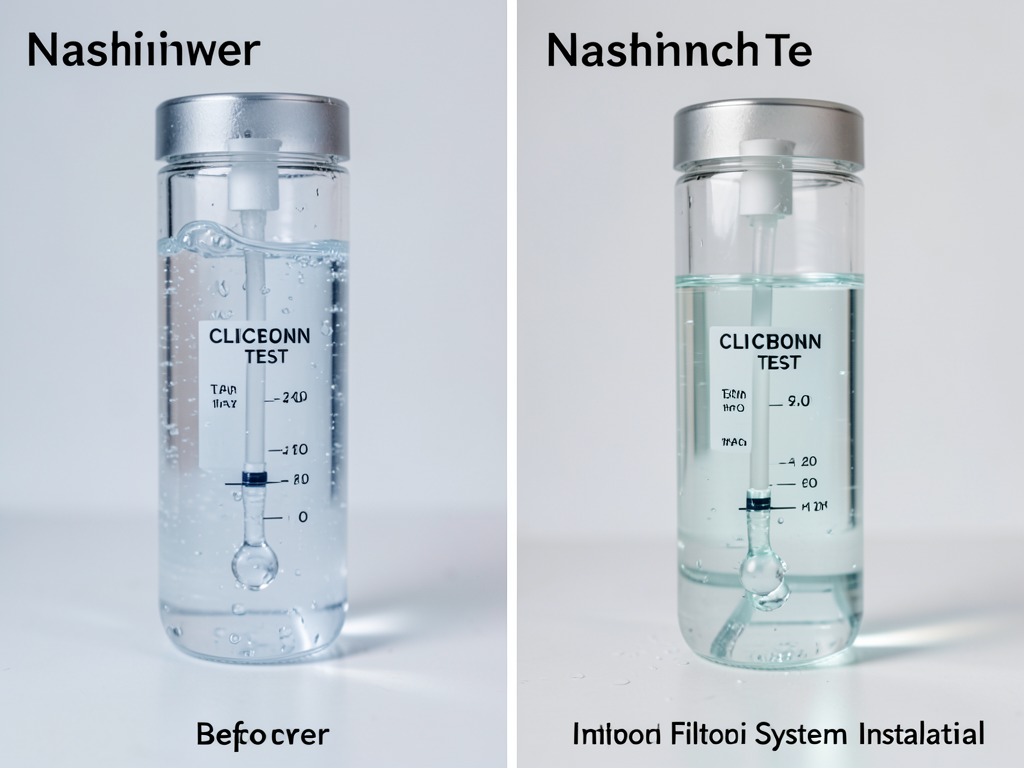
Professional installation ensures your filtration system works correctly and doesn’t violate local plumbing codes. The process starts with a water test to confirm chlorine levels and determine if chloramines are present. Our licensed plumbers then locate the optimal installation point typically near your main water shutoff valve. Professional Plumbing Fixture Installation for Your Brentwood Remodel.
Installation includes cutting into your main water line installing the filter housing and adding a bypass valve for maintenance. We pressure test all connections and ensure the system meets Nashville Metro Water Services requirements. Most installations in Mount Juliet and surrounding areas take 2 to 4 hours depending on your home’s plumbing configuration.
- Initial Assessment
Water testing and plumbing inspection to determine system requirements.
- System Selection
Choosing the right filter media and size based on your home’s water usage and chlorine levels.
- Installation
Cutting into main line installing filter housing and bypass valve.
- Testing
Pressure testing and chlorine level verification after installation.
Customer Success Stories in Middle Tennessee
Residents throughout the Nashville area have experienced dramatic improvements after installing whole-home filtration. A family in Donelson noticed their skin irritation disappeared within two weeks of installation. They had been dealing with persistent eczema that seemed to worsen after showers until they removed the chlorine from their water.
A homeowner in Hendersonville with a new construction house chose to install filtration during the building process. This prevented chlorine damage to their expensive PEX plumbing and ensured their entire home received clean filtered water from day one. The builder appreciated that our system met all local code requirements and came with professional installation documentation.
Impact on Nashville Plumbing Systems
Chlorine affects more than just taste and smell. It can degrade rubber components in your plumbing system including toilet flappers faucet washers and washing machine hoses. In Nashville’s humid climate where moisture accelerates rubber breakdown removing chlorine extends the life of these components significantly.
Many Nashville homes built in the 1970s and 1980s have polybutylene piping which is particularly susceptible to chlorine damage. While whole-home filtration won’t reverse existing damage it prevents further deterioration. Homes with copper piping also benefit as chlorine can accelerate pitting corrosion especially in areas with aggressive water chemistry.
Maintenance and Filter Replacement
Carbon media in filtration systems typically lasts 12 to 36 months depending on your water usage and chlorine levels. Nashville’s higher chlorine concentrations mean more frequent replacement than areas with minimal treatment. We recommend annual testing to monitor chlorine breakthrough which occurs when the carbon becomes saturated.
Replacement involves swapping out the filter media which takes about 30 minutes for most systems. Some Nashville homeowners choose to have this done during their annual plumbing inspection to combine services. The cost of replacement media is significantly less than the ongoing expense of bottled water or the damage chlorine causes to plumbing fixtures.
Benefits Beyond Chlorine Removal
Whole-home filtration systems remove more than just chlorine. They also reduce sediment volatile organic compounds and other contaminants that may be present in Nashville’s water supply. This comprehensive filtration improves the taste of coffee tea and cooking water throughout your home.
Many Nashville residents report softer skin and hair after installing filtration systems. Chlorine strips natural oils from skin and hair causing dryness and irritation. Removing it allows your body’s natural moisture balance to return. This is particularly noticeable in the winter months when indoor air is already dry.
Cost Considerations for Nashville Homeowners
The investment in whole-home filtration varies based on system size and features. Basic activated carbon systems start around $1 500 while advanced catalytic carbon systems with smart monitoring can exceed $3 000. When evaluating cost consider the ongoing expenses of bottled water shortened appliance life and potential plumbing repairs from chlorine damage. EPA drinking water regulations.
Many Nashville homeowners find that filtration pays for itself within 2 to 3 years when accounting for these factors. Additionally filtered water protects your investment in high-end fixtures and appliances which can be particularly important in luxury homes in areas like Belle Meade or Green Hills. How to Stop Your Belle Meade Basement from Flooding This Season.
Frequently Asked Questions
Is chlorine in Nashville water dangerous to drink?
Metro Water Services maintains chlorine levels well within EPA safety standards. While the smell and taste are unpleasant the water remains safe to drink. Filtration is about improving quality of life not addressing safety concerns.
How do I know if I have chloramines instead of chlorine?
Only water testing can definitively determine whether your water contains chloramines. Metro Water Services can provide this information for your specific area or we can test your water during a consultation.
Will a water softener remove chlorine?
Standard water softeners do not remove chlorine. Some combined systems include both softening and filtration media but they serve different purposes. Softeners remove hardness minerals while filters remove chlorine and other chemicals.
How long does installation take?
Most whole-home filtration installations in Nashville homes take 2 to 4 hours. The exact time depends on your plumbing configuration and whether any modifications are needed to meet local codes.
Making the Right Choice for Your Home
Choosing the right filtration system depends on your specific water quality concerns home size and budget. Homes in areas with known chloramine treatment need catalytic carbon systems while those with only chlorine can use standard activated carbon. Consider your long-term plans for the home and whether you want to protect expensive fixtures and appliances.
The best way to determine your needs is through professional water testing. This identifies exactly what’s in your water and helps recommend the most cost-effective solution. Many Nashville homeowners start with basic testing and then decide on system features based on the results.
Take Action Today
Living with that strong chlorine smell doesn’t have to be your reality. Professional whole-home filtration systems provide immediate relief from unpleasant odors while protecting your plumbing and improving your daily water quality. Whether you’re in downtown Nashville East Nashville or the surrounding suburbs clean filtered water is within reach.
Our team understands Nashville’s specific water treatment challenges and can recommend systems that address your exact needs. We handle everything from initial water testing through professional installation and ongoing maintenance. Stop tolerating that bleach smell and start enjoying clean fresh water throughout your entire home.
Ready to eliminate that chlorine smell for good? Call Ironwood Plumbing Nashville today at (615) 413-8833 for a free water quality consultation. Our licensed plumbers will test your water recommend the right system and provide clear pricing with no surprises. Your family deserves better than swimming pool water from the tap.
You may also find this helpful. Why Your Newer Home in The Nations Might Already Have Pinhole Leaks in the Pipes.