





Menu

Gas Line Repair & Installation in Nashville – Fast, Code-Compliant Service for Homes and Businesses

Ironwood Plumbing Nashville delivers expert gas line repair, gas piping installation, and gas line replacement that meets Nashville's strict building codes and keeps your property safe from gas leaks and system failures.

Slider Image 1
Slider Image 2
Slider Image 3
Slider Image 4
Slider Image 5
Slider Image 7
Slider Image 8
Slider Image 9
Slider Image 10
Slider Image 11

Why Gas Line Problems Can't Wait in Nashville Homes and Buildings

Nashville's diverse building stock, from historic Germantown row houses to new construction in Nations and East Nashville, creates unique challenges for gas line systems. Older homes often have galvanized steel pipes that corrode from the inside out, while newer developments sometimes cut corners with substandard connections during fast-track builds.

The city's clay-heavy soil shifts with seasonal moisture changes, placing stress on underground gas lines that run from the street to your meter. A minor leak becomes a major safety hazard fast. You might notice a sulfur smell near appliances, hear a hissing sound near the meter, or see dead vegetation in a concentrated patch above your buried line.

Gas pipe repair is not a DIY project. Natural gas is combustible at concentrations as low as five percent in air. A small leak in your basement or crawlspace can reach dangerous levels in hours, not days. The Tennessee Public Utility Commission requires immediate evacuation and utility company notification for any suspected leak.

Gas line replacement becomes necessary when corrosion has weakened the pipe wall beyond safe limits, when you add new appliances that exceed your existing line capacity, or when you convert from propane to natural gas service. Gas piping installation for new water heaters, ranges, or outdoor kitchens must follow precise pressure calculations and Nashville's adopted codes from the International Fuel Gas Code.

Gas leak repair requires immediate response, specialized detection equipment, and pressure testing after the fix. This is life safety work. Gas line plumbers must know how to size pipes correctly, test for leaks using manometer pressure holds, and document the work for inspection.

Why Gas Line Problems Can't Wait in Nashville Homes and Buildings
How Professional Gas Line Service Protects Your Nashville Property

How Professional Gas Line Service Protects Your Nashville Property

Gas line work starts with shutting off supply at the meter and purging the system. We use electronic combustible gas detectors calibrated to detect concentrations as low as 10 parts per million. This catches leaks your nose will miss.

For gas pipe repair on exposed lines, we cut out the damaged section and install black steel pipe with threaded connections or approved CSST flexible gas line, depending on the application. Every joint gets pipe dope rated for natural gas, and we verify thread engagement meets code minimums.

Underground gas line replacement requires excavation to expose the existing line from the meter to the building penetration. We install Schedule 40 coated steel pipe or PE 2708 polyethylene pipe with tracer wire for future locates. The trench gets backfilled with sand to prevent rock damage, and we document burial depth for Metro codes.

Gas piping installation for new appliances requires load calculation to confirm your existing line capacity. A standard half-inch line feeding a 40-gallon water heater cannot handle an additional high-BTU range without pressure drop. We measure existing supply pressure, calculate total BTU demand, and size branch lines using the longest-run method to prevent appliance starvation.

Pressure testing is non-negotiable. We cap all outlets, install a test gauge, and pressurize the system to 15 psi for 15 minutes minimum. Zero pressure drop means zero leaks. We also perform a soap bubble test at every connection point before turning gas back on.

Gas leak repair often happens at appliance connectors, union joints, or where dissimilar metals create galvanic corrosion. We replace compromised fittings, apply leak detection solution, and verify integrity under operating pressure before releasing the system back to service.

What Happens During Your Gas Line Service Call

Gas Line Repair & Installation in Nashville – Fast, Code-Compliant Service for Homes and Businesses
01

Safety Assessment and Leak Detection

We arrive with calibrated electronic sniffers and immediately check for active leaks from the meter through your entire distribution system. If we detect gas, we shut off supply at the meter and ventilate the space before any repair work begins. You get a written assessment of every issue we find, prioritized by safety risk.
02

Repair or Installation Work

We execute the gas line replacement, gas pipe repair, or new gas piping installation using code-compliant materials and methods. All work follows Nashville's adopted fuel gas code requirements for pipe sizing, support spacing, and protection from physical damage. We document everything with photos for your records and the inspection file.
03

Testing and System Restoration

Every connection gets pressure tested and soap-tested before we restore gas service. We purge air from the lines, relight pilot lights, and verify proper appliance operation. You receive documentation of all pressure tests and a system diagram showing what was repaired or installed. We call for inspection when required by code.

Why Nashville Property Owners Choose Ironwood Plumbing for Gas Line Work

Gas line plumbers need more than a pipe wrench and a prayer. This work requires knowledge of Nashville's Metro codes, which adopt the International Fuel Gas Code with local amendments. We know the inspection requirements for Davidson County, including when you need a permit and when repairs fall under the maintenance exemption.

Our team understands the difference between working on historic homes in Sylvan Park, where gas lines might be 70-year-old galvanized steel hidden in plaster walls, versus new construction in Wedgewood-Houston, where CSST runs through open framing. Each situation demands different tools, techniques, and safety protocols.

We carry the detection equipment that matters. Our combustible gas detectors read down to 10 ppm sensitivity. Our manometers measure test pressure accurately to 0.1 psi. We use a pipe fusion machine for PE gas line joins, not the compression fittings that fail in clay soil movement.

The clay soil throughout Nashville expands when wet and contracts when dry. This seasonal movement stresses underground gas lines at the building penetration point. We install expansion couplings and maintain proper cover depth to prevent shear stress on buried pipes. This detail work prevents callbacks.

When gas leaks happen, response time determines whether you have a service call or an evacuation. We prioritize gas leak repair above other plumbing work because the stakes are different. A sewer backup is inconvenient, but a gas leak is dangerous.

Ironwood Plumbing Nashville pulls permits when required and coordinates inspection scheduling. We provide the documentation you need for insurance claims, property sales, or compliance verification. Our work passes inspection the first time because we follow code requirements, not internet shortcuts.

What to Expect from Gas Line Repair and Installation Service

Response Time for Emergency and Scheduled Work

Gas leak repair gets priority response, typically within two hours of your call. We treat every reported gas smell as an emergency until proven otherwise. For scheduled gas piping installation or gas line replacement projects, we provide arrival windows and confirm the day before. Most single-appliance installations complete in one visit. Whole-house gas line replacement or underground service line work may require multiple days, depending on the scope and inspection requirements. We coordinate with Nashville Gas to schedule meter disconnection and reconnection when necessary.

Initial Evaluation and System Assessment

We start every job with electronic leak detection across your entire gas distribution system, from the meter through every appliance connection. You get a written assessment identifying any active leaks, code violations, or capacity limitations. For gas piping installation projects, we measure existing system pressure, calculate total appliance BTU load, and determine if your service line and meter have adequate capacity. We explain your options in plain language, including the cost factors for different repair approaches. You approve the scope before we start cutting pipe.

The Quality of Completed Gas Line Work

Your gas pipe repair or gas line replacement will pass pressure testing and code inspection. We use black steel pipe with threaded connections for exposed residential work and coated steel or PE pipe for underground installations. Every joint gets proper sealant rated for natural gas service. All gas line plumbers on our team know how to size pipes correctly using pressure drop calculations, not guesswork. You receive photos documenting the work, copies of pressure test results, and a system diagram showing what was installed. The work is clean, the connections are tight, and your appliances receive proper gas pressure.

Follow-Up and System Monitoring

After gas piping installation or major gas line replacement, we recommend an annual visual inspection and electronic leak check. Gas systems are stable when installed correctly, but connection points can develop leaks over time from vibration or building settlement. We provide documentation you need for property sales or insurance requirements. If you smell gas between service visits, call us immediately and evacuate. We prioritize gas leak repair callbacks because safety issues cannot wait. Our documentation shows the inspector exactly what was done, which simplifies permit closeout and compliance verification.

Frequently Asked Questions

You Have Questions,
We Have Answers

How much does it cost to have a gas line repaired? +

Gas line repair costs vary based on leak location, pipe material, and accessibility. A simple fitting replacement might run lower, while excavating underground lines or replacing corroded sections costs more. Nashville's clay soil can shift foundations and stress gas pipes, adding complexity. Emergency calls cost more than scheduled repairs. Factors include permit fees, pressure testing, and whether you need trench restoration or drywall patching. A licensed plumber inspects the system, locates the leak with specialized tools, and provides an estimate before work begins. Get multiple quotes, but prioritize safety and proper licensing over price alone.

Do plumbers or HVAC run gas lines? +

Both licensed plumbers and HVAC techs can run gas lines in Tennessee, but it depends on their specific certifications. Many plumbers hold gas line installation licenses and handle the full scope from meter to appliance. HVAC contractors often connect gas to furnaces or water heaters as part of equipment installation. In Nashville, verify the contractor holds proper state licensure for gas work and pulls required permits. The job requires pressure testing, leak detection, and code compliance. Choose a professional experienced with Nashville's building codes and inspection requirements to avoid costly callbacks or safety hazards.

How much does it cost for gas installation? +

Gas installation costs depend on distance from the meter, number of appliances, pipe material, and whether you need trenching or wall penetrations. Installing a line to a single appliance like a dryer or range costs less than running multiple branches to a fireplace, furnace, and water heater. Nashville homes with crawlspaces or basements may have easier access than slab foundations. You pay for materials like black iron or flexible CSST pipe, labor, permits, and final inspection. Always get a detailed written estimate that includes pressure testing and code compliance verification before work starts.

Can you repair your own gas line? +

No. Gas line repair requires licensed professionals in Tennessee. Natural gas is odorless until mercaptan is added, making leaks deadly if missed. You risk explosions, carbon monoxide poisoning, and code violations that void homeowner insurance. Nashville requires permits and inspections for gas work. Licensed plumbers use calibrated leak detectors, pressure gauges, and proper pipe threading tools. They know local codes, proper venting, and appliance connection standards. Attempting DIY gas work endangers your family and neighbors. If you smell gas, evacuate immediately, call 911 from outside, and contact a licensed plumber once the area is safe.

How Nashville's Building Age and Soil Conditions Affect Gas Line Safety

Nashville's housing stock spans 150 years, from Victorian-era homes in Edgefield with original galvanized gas lines to new builds in The Gulch with modern CSST systems. Older neighborhoods often have undersized gas pipes installed when homes used gas only for cooking and heating. Adding a tankless water heater or gas fireplace to a home built in 1950 usually requires gas line replacement because the existing half-inch service line cannot handle the increased load. The clay soil throughout Davidson County swells with rain and shrinks during dry periods, creating stress points where underground gas lines enter the foundation. This movement explains why gas leak repair calls spike after heavy storms or extended droughts.

Nashville's Metro codes adopt the International Fuel Gas Code with specific amendments for our region. Gas line plumbers working in Davidson County must understand permit requirements, inspection protocols, and the documentation standards inspectors expect. Ironwood Plumbing Nashville maintains relationships with local inspectors and knows exactly what they want to see during final inspection. We also understand Nashville Gas procedures for service disconnection and reconnection, which matters when you need gas shut off for major gas line replacement work. Choosing a local plumber familiar with Metro codes and Nashville Gas protocols means your project moves efficiently from estimate to inspection approval.
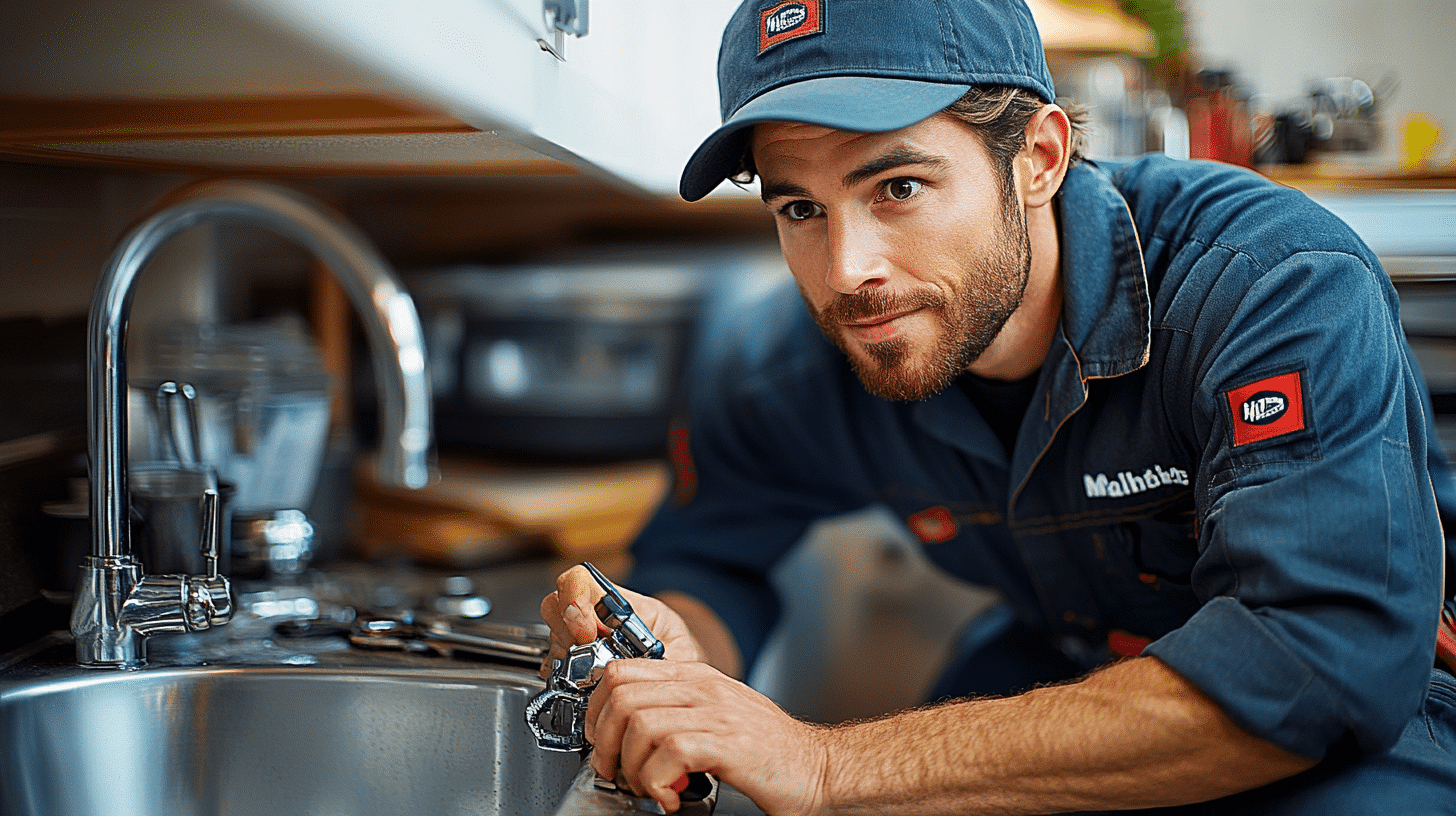
Plumbing Services in The Nashville Area

Looking for expert plumbing services near you? Ironwood Plumbing Nashville proudly serves homeowners and businesses throughout the greater Nashville area with professional plumbing repairs, water heater installation, leak detection, and emergency plumbing services. From Brentwood to Hendersonville, our licensed plumbers are ready to respond quickly and efficiently. Use the map below to explore our coverage areas and discover fast, reliable plumbing help right around the corner.

Address:
IronwoodPlumbingNashville, 3102 West End Ave Suite 400, American Center, Nashville, TN, 37203

Additional Services We Offer

Our news updates

Latest Articles & News from The Blogs

Lorem ipsum dolor sit amet. Aut expedita quaerat quo eligendi numquam et laudantium perspiciatis qui minima expedita rem consequatur ducimus.…

Test Blog 4

Lorem ipsum dolor sit amet. Aut expedita quaerat quo eligendi numquam et laudantium perspiciatis qui minima expedita rem consequatur ducimus.…

Test Blog 3

Lorem ipsum dolor sit amet. Aut expedita quaerat quo eligendi numquam et laudantium perspiciatis qui minima expedita rem consequatur ducimus.…

Test Blog 2

Lorem ipsum dolor sit amet. Aut expedita quaerat quo eligendi numquam et laudantium perspiciatis qui minima expedita rem consequatur ducimus.…

Contact Us

Gas leaks demand immediate attention. New gas appliances need proper installation. Call Ironwood Plumbing Nashville at (615) 413-8833 for gas line repair, gas piping installation, or emergency gas leak repair. We respond fast and fix it right.