
Finding That Hidden Water Leak in Your Green Hills Basement
You notice a damp spot on the wall or a musty smell in the basement. Maybe your water bill jumped up for no clear reason. These signs point to a hidden water leak. In Green Hills homes built on clay soil, even a small leak can cause big problems. Water seeps into basements through foundation cracks or slab joints. Over time it damages walls, floors, and stored items. It also creates the perfect environment for mold to grow.
Green Hills homes often sit on heavy red clay soil. This soil expands when wet and shrinks when dry. That constant movement puts stress on pipes and foundation walls. Many homes in the area have basements or crawl spaces that are vulnerable to moisture intrusion. If you suspect a leak, acting quickly can save you thousands in repairs.
Common signs of a hidden leak include:
- Unexplained increases in your water bill
- Damp spots on walls or floors
- Musty odors or visible mold growth
- Cracking or buckling of flooring
- Water meter running when all fixtures are off
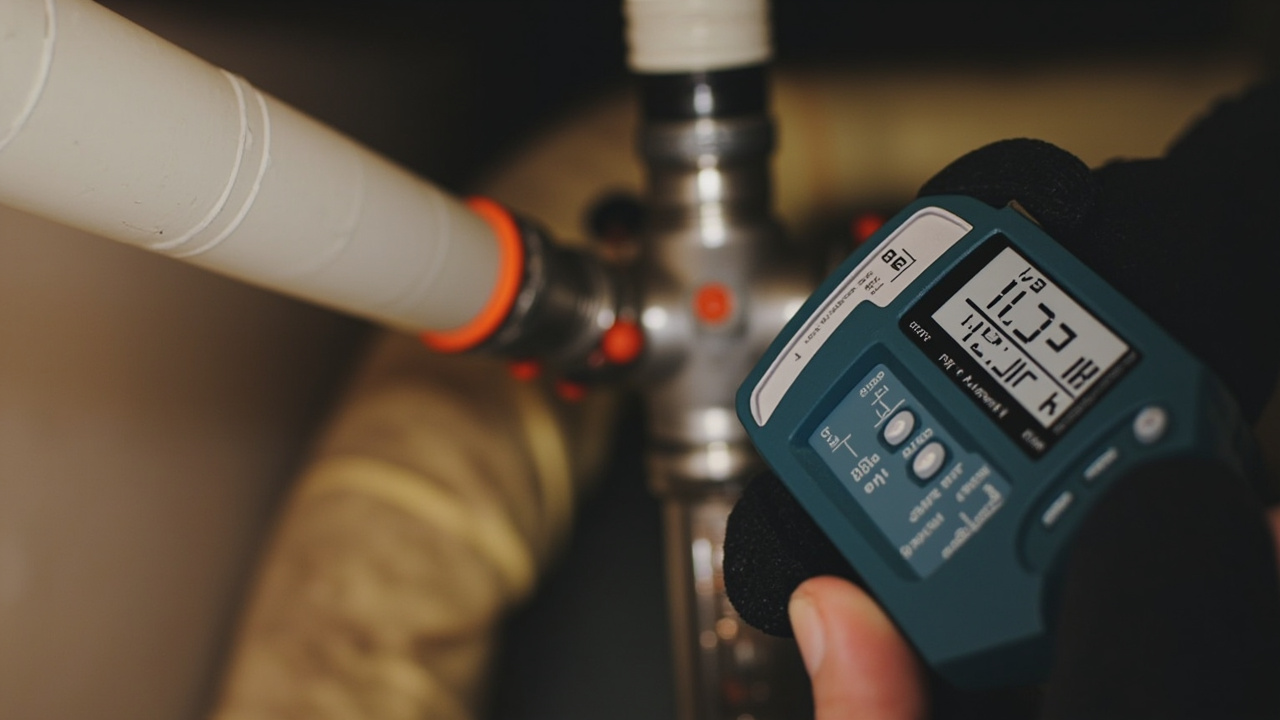
If you notice any of these signs, it’s time to investigate. A professional leak detection service can find the source without tearing into walls or floors. Modern tools like acoustic sensors and thermal imaging cameras pinpoint leaks quickly. This saves you from unnecessary damage during the search.
Why Green Hills Homes Are Prone to Basement Leaks
Green Hills sits in a region with specific challenges. The area’s heavy clay soil absorbs water slowly. When it does get wet, it swells. When it dries, it contracts. This cycle creates pressure on underground pipes and foundation walls. Over time, small cracks form. Water finds those cracks and enters your basement.
Many Green Hills homes were built in the 1960s through 1980s. Those homes often have older plumbing materials like galvanized steel or early PVC. These materials can corrode or become brittle. Tree roots from mature oaks and maples also seek out water sources. They can grow into sewer lines or water mains and cause leaks.
Seasonal weather adds to the problem. Nashville gets heavy spring rains and occasional winter freezes. These events stress plumbing systems. A pipe that holds up fine in summer might burst during a cold snap. Clay soil holds moisture longer than sandy soil. That means leaks can go unnoticed for weeks or months.
Basements in Green Hills often sit partially below grade. This makes them more vulnerable to groundwater pressure. If the grading around your home slopes toward the foundation, water pools near the walls. Over time, hydrostatic pressure forces water through the smallest gaps.
How Professionals Find Hidden Leaks
Finding a hidden leak takes more than a flashlight and guesswork. Professionals use specialized equipment to locate leaks without damaging your home. The process starts with a visual inspection. Technicians look for signs of moisture, corrosion, or stress on visible pipes.
Next they use acoustic leak detection. This involves sensitive microphones that listen for the sound of water escaping from pipes. Even a tiny leak makes a distinct noise. The equipment can hear it through concrete, soil, or walls. This method works well for slab leaks and underground pipes.
Thermal imaging cameras show temperature differences. Water leaking from a pipe cools the surrounding area. The camera displays these cool spots as darker colors. This helps find leaks inside walls or under floors. It also works for finding moisture behind drywall or under flooring.
Some leaks require tracer gas testing. This involves injecting a safe, non-toxic gas into the plumbing system. The gas escapes through the leak. A sensitive detector finds where the gas comes out. This method works for very small leaks or leaks in hard-to-reach places.
Water meter testing can confirm a leak exists. The technician turns off all water fixtures and watches the meter. If the meter still moves, water is escaping somewhere. This test does not find the location but proves a leak is present.
Common Leak Locations in Green Hills Basements
Leaks can occur in several places in a typical Green Hills basement. The most common spot is the water main where it enters the home. This pipe runs underground from the street to your basement wall. It can crack from soil movement or tree root intrusion.
Another frequent location is the sewer line. This pipe carries waste from your home to the city sewer. In Green Hills, many of these lines are old and made of clay or cast iron. Tree roots often grow into these pipes through small cracks. Over time the roots expand and break the pipe further.
Water supply lines inside the basement can also leak. These pipes run to sinks, toilets, and appliances. A small drip at a joint can cause big damage over time. Supply lines are under constant pressure. Even a pinhole leak will spray water continuously.
Water heaters in basements sometimes develop leaks. The tank can rust through after years of use. The temperature and pressure relief valve can fail. Supply pipes to the heater can corrode. A leaking water heater can flood a basement quickly.
Foundation walls themselves can develop cracks. These cracks let groundwater seep in. They often start as hairline cracks and grow over time. Water pressure from outside pushes through these cracks into your basement.
Comparing Detection Methods
| Method | Best For | Accuracy | Time Required |
|---|---|---|---|
| Acoustic Detection | Slab leaks, underground pipes | High | 1-2 hours |
| Thermal Imaging | Wall leaks, floor moisture | Medium-High | 30-60 minutes |
| Tracer Gas | Tiny leaks, hard-to-find leaks | Very High | 2-3 hours |
| Visual Inspection | Exposed pipes, fixtures | Medium | 30 minutes |
Steps to Take When You Suspect a Leak
Finding a hidden leak requires a methodical approach. Here are the steps professionals follow:
- Confirm the Leak
Check your water meter. Turn off all water fixtures. If the meter still moves, you have a leak.
- Look for Signs
Check for damp spots, mold, or musty odors. Look at walls, floors, and ceilings.
- Check Appliances
Inspect water heaters, washing machines, and dishwashers for leaks.
- Examine Visible Pipes
Look at exposed pipes in basements and crawl spaces. Check for corrosion or moisture.
- Call a Professional
If you cannot find the source, contact a leak detection specialist.
Preventing Future Basement Leaks
Once you fix a leak, take steps to prevent future problems. Start with your landscaping. Make sure the ground slopes away from your foundation. Water should flow away from your home, not toward it.
Clean your gutters and downspouts regularly. Clogged gutters cause water to overflow and pool near your foundation. Extend downspouts at least five feet from your home. This keeps water away from the basement walls.
Check your sump pump if you have one. Test it by pouring water into the pit. Make sure it turns on and pumps water out. Replace the pump if it is more than seven years old. Consider a battery backup for power outages.
Seal any foundation cracks you find. Small cracks can be sealed with hydraulic cement. Larger cracks may need professional repair. Do not ignore new cracks. They often get worse over time.
Have your plumbing inspected annually. A professional can spot corrosion, loose fittings, or other problems before they cause leaks. This is especially important for older Green Hills homes.
Consider installing a water alarm in your basement. These devices sound an alert when they detect moisture. They can give you early warning of a leak.
Cost Factors for Leak Detection and Repair
Several factors affect the cost of finding and fixing a hidden leak. The location of the leak matters. A leak under a concrete slab costs more to access than one in a basement wall. The type of pipe involved also affects cost. Copper pipes cost more to repair than PVC.
The detection method used impacts the price. Simple visual inspections cost less than thermal imaging or tracer gas testing. More advanced methods find leaks faster but cost more upfront.
Repair costs vary by the extent of damage. A simple fitting replacement costs much less than replacing a section of pipe. If water damage has occurred, you may need additional repairs to walls, floors, or insulation.
Emergency service calls cost more than scheduled appointments. If you need help on a weekend or holiday, expect to pay a premium. Some companies charge by the hour, while others charge by the job.
Insurance may cover some leak repairs. Check your policy. Many policies cover sudden, accidental leaks but not gradual ones. Document any damage with photos for your claim.
Why Choose a Local Expert
Local plumbers understand Green Hills’ specific challenges. They know about the clay soil, the age of the homes, and the common plumbing issues in the area. They can often diagnose problems faster because they have seen them before.
Local companies respond faster to emergencies. They are already in the area and can often arrive within an hour. They also understand local building codes and permit requirements.
Established local plumbers have relationships with suppliers and other contractors. This can speed up repairs and ensure you get quality parts. They also depend on local reputation, so they are motivated to do good work.
Look for a company with experience in leak detection specifically. Not all plumbers have the equipment or training for this work. Ask about their detection methods and success rate.
Check reviews from other Green Hills customers. See how they handled similar problems. A good company will have references and be happy to share them.
When to Call for Help
Call a professional if you notice any of these signs:
- Your water bill increases without explanation
- You hear water running when all fixtures are off
- You see damp spots that do not dry
- You smell musty odors in your basement
- Your water pressure drops suddenly
Do not wait to call for help. Small leaks become big problems quickly. Water damage can lead to mold, structural issues, and expensive repairs. The longer you wait, the more it costs to fix.
Most leak detection services offer free estimates. They can tell you what they think the problem is and how they would fix it. This gives you information to make a decision.
Remember that finding the leak is only the first step. A good company will also give you repair options and help you understand the costs. They should explain what caused the leak and how to prevent it in the future.
Frequently Asked Questions
How long does leak detection take?
Most leak detection takes between one and three hours. Simple leaks may be found in under an hour. Complex leaks requiring multiple methods can take longer.
Will leak detection damage my home?
Professional leak detection is non-invasive. Technicians use tools that find leaks without cutting into walls or floors. Only if repairs are needed will any demolition occur.
How much does leak detection cost?
Leak detection typically costs between $200 and $500. The price depends on the methods used and the complexity of the job. Some companies waive the fee if you hire them for repairs.
Can I find a leak myself?
You can check for obvious signs like damp spots or water meter movement. However, hidden leaks require professional equipment to locate accurately. DIY attempts often miss the source or cause unnecessary damage.
What causes most basement leaks?
Most basement leaks come from foundation cracks, pipe corrosion, or poor drainage around the home. In Green Hills, clay soil movement and tree root intrusion are common causes.
How do I know if my insurance covers leak damage?
Check your policy or call your insurance agent. Most policies cover sudden, accidental leaks but not gradual ones. Document any damage with photos and keep repair receipts.
If you suspect a hidden water leak in your Green Hills basement, do not wait. Call Ironwood Plumbing Nashville at (615) 413-8833 for professional leak detection. Our experienced technicians use advanced equipment to find leaks quickly and minimize damage to your home. We understand the unique challenges of Green Hills properties and offer fast, reliable service to protect your investment.