




Menu

Dripping Faucets & Leaks in Nashville | Expert Diagnosis & Permanent Repairs

Stop the constant drip and prevent water damage with precise leak detection and lasting faucet repairs from Nashville plumbers who understand local water pressure issues and mineral buildup challenges.

Slider Image 1
Slider Image 2
Slider Image 3
Slider Image 4
Slider Image 5
Slider Image 7
Slider Image 8
Slider Image 9
Slider Image 10
Slider Image 11

Why Nashville Homes Battle Constant Dripping and Water Waste

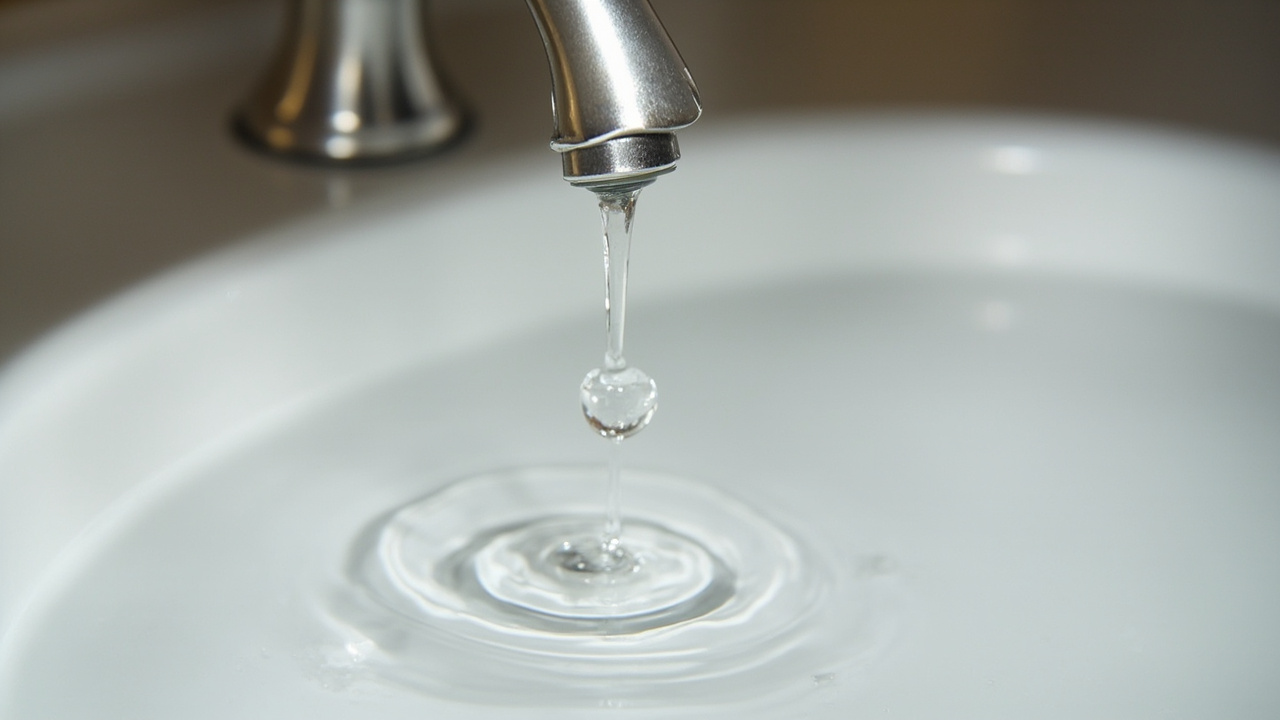
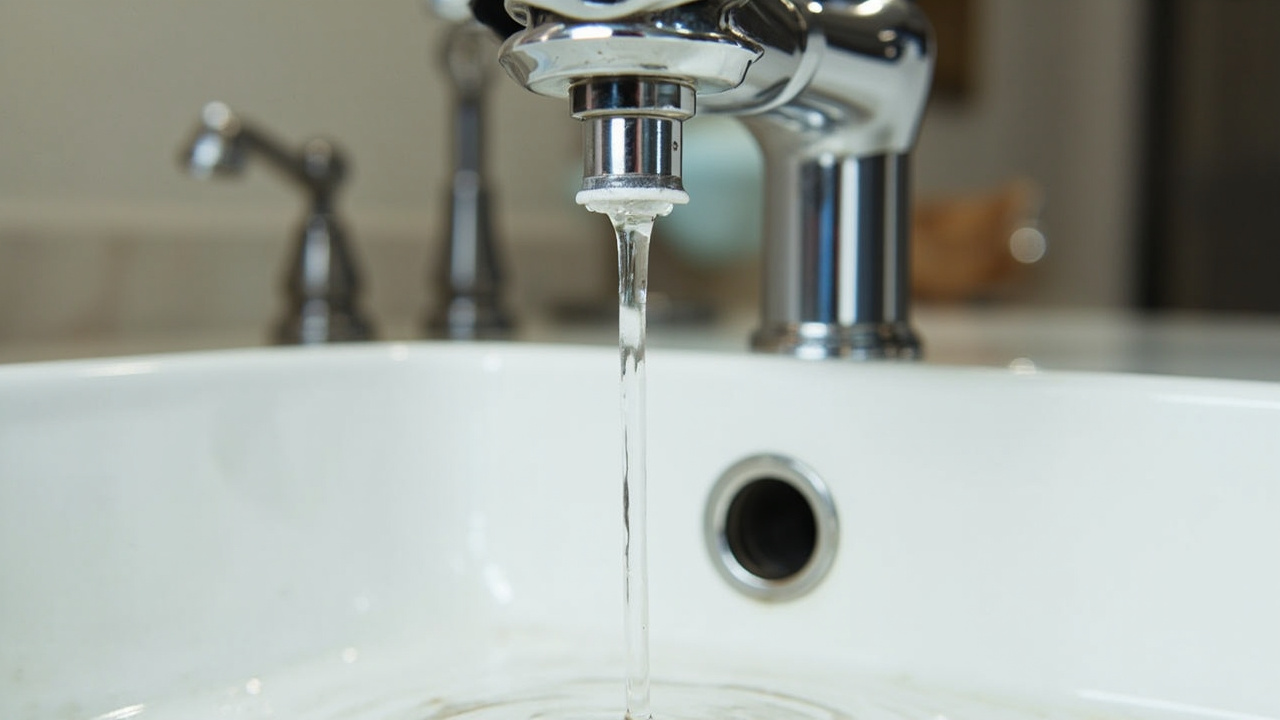
You hear it at night. That rhythmic drip from the kitchen sink or bathroom faucet that won't stop no matter how hard you twist the handle. In Nashville, that leaky faucet is more than annoying. It's wasting water, driving up your utility bill, and signaling a problem that will only get worse.

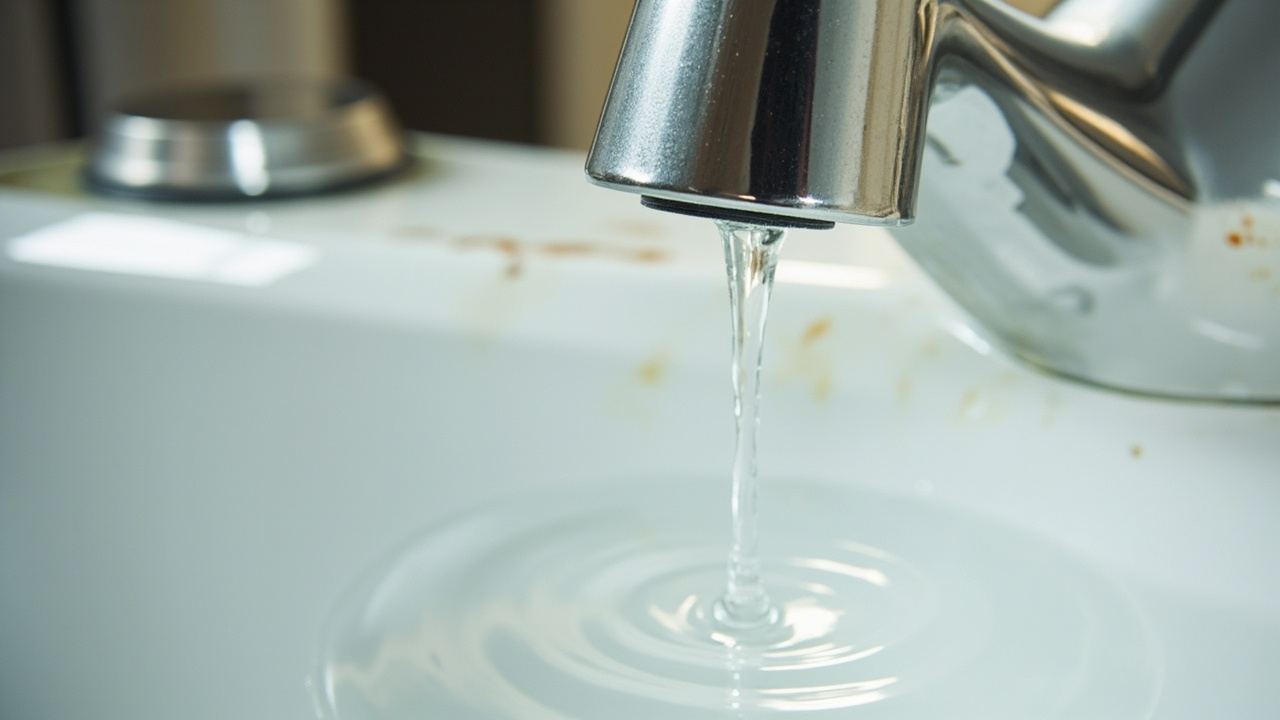
Nashville's moderately hard water accelerates mineral deposits inside faucet cartridges and valve seats. Calcium and magnesium build up where rubber washers meet metal, preventing a complete seal. That's why your dripping tap keeps going even after you replace a washer. The deposits create grooves and pitting in the brass seat itself.

Temperature swings between humid summers and freezing winters also stress the internal components of your fixtures. Expansion and contraction crack ceramic cartridges and wear down O-rings faster than in more stable climates. A faucet water leak that starts as a minor seep can quickly become a steady stream as the damage spreads.

The leaking spigot you ignore today wastes thousands of gallons annually. A single faucet dripping once per second wastes over 3,000 gallons per year. That's money flowing straight into your drain. More concerning is the constant moisture around the fixture base, which promotes mold growth in cabinets and rots out the wood under your sink.

Homes in East Nashville and Germantown with older plumbing face additional challenges. Original compression faucets from the 1950s and 60s require frequent washer replacement. Modern cartridge-style faucets eliminate some problems but introduce their own when Nashville's mineral-heavy water clogs the ceramic discs. Knowing which repair method matches your specific fixture type determines whether you get a fix that lasts six months or six years.

Why Nashville Homes Battle Constant Dripping and Water Waste
How We Stop Leaks at the Source, Not Just the Surface

How We Stop Leaks at the Source, Not Just the Surface

Most homeowners try the quick fix. They replace a washer or tighten a packing nut and hope the constant dripping stops. It works for a week, then the leak returns. That's because surface repairs ignore the underlying cause.

When you call Ironwood Plumbing Nashville, we start by identifying your faucet type. Compression, cartridge, ball, or ceramic disc models all fail differently. We disassemble the valve body to inspect the seat for pitting and scoring. If the seat is damaged, no washer will seal properly. We resurface or replace the seat using precision tools designed for each manufacturer's specifications.

For cartridge faucets common in Nashville homes, we check for mineral buildup inside the cartridge housing. Hard water deposits jam the internal seals and prevent smooth operation. We flush the system, clean the housing, and install manufacturer-matched replacement cartridges. Generic parts from hardware stores create gaps that lead to new leaks within months.

Ball faucets require different attention. We inspect the cam, ball, and spring assemblies for wear patterns. Nashville's water pressure fluctuations stress these components unevenly. We replace the entire assembly rather than individual pieces to ensure balanced operation and eliminate future drips.

For outdoor hose bibs and spigots, we address freeze damage and sediment intrusion. A leaking spigot at your foundation can saturate the soil and compromise your home's structure. We install frost-proof sillcocks with proper pitch to prevent winter bursts and add vacuum breakers to meet Nashville's backflow prevention codes.

We also test your home's water pressure during every faucet repair. Pressure above 80 PSI accelerates wear on all fixtures and creates leaks throughout your plumbing system. If needed, we recommend pressure regulation to protect your investment and extend the life of every fixture in your home.

What Happens When You Schedule a Leak Repair

Dripping Faucets & Leaks in Nashville | Expert Diagnosis & Permanent Repairs
01

Initial Inspection and Diagnosis

We examine every visible component of your faucet and test water pressure at the fixture. You tell us the leak history, and we trace it to the exact failure point. We identify your faucet brand and model to source correct replacement parts. This diagnostic phase reveals whether you need a simple washer replacement or complete valve body rebuild. We explain what we find in plain terms before starting any work.
02

Precision Repair or Replacement

We shut off water supply at the fixture or main line, then disassemble the faucet using manufacturer-specific tools to prevent damage to finish surfaces. We clean mineral deposits from all internal surfaces, replace worn components with OEM or equivalent quality parts, and resurface valve seats when required. For fixtures beyond economical repair, we recommend replacement options that match your existing plumbing configuration and aesthetic preferences while improving water efficiency.
03

Testing and Prevention Guidance

After reassembly, we test the repair under full water pressure and temperature extremes to verify complete seal integrity. We check for leaks at the base, handle, and spout. You operate the fixture to confirm smooth function and proper shutoff. We clean the work area and explain maintenance steps that extend fixture life in Nashville's water conditions. Before we leave, we verify you're completely satisfied with the repair and answer questions about preventing future leaks.

Why Nashville Homeowners Trust Local Plumbing Expertise

When you live in Nashville, you need a plumber who understands how local conditions affect your home. The water coming from your tap originates from the Cumberland River and area reservoirs. It carries specific mineral content that impacts how long your fixtures last and how they fail.

Ironwood Plumbing Nashville has repaired thousands of leaky faucets across Davidson County. We know which fixture brands hold up best in local water. We understand the plumbing configurations common to Nashville's historic neighborhoods, where cast iron supply lines and outdated shut-off valves complicate simple repairs. When we work on a home in Sylvan Park or Belmont-Hillsboro, we anticipate the challenges before we open the toolbox.

We also stay current with Metro Nashville plumbing codes and permitting requirements. While most faucet repairs don't require permits, related work like replacing supply lines or modifying drain assemblies must meet specific standards. We handle compliance so you avoid problems during home inspections or insurance claims.

Our technicians carry a full inventory of common repair parts on every truck. We stock cartridges, seats, springs, O-rings, and washers for major faucet brands sold at Nashville area retailers. That means most repairs finish in a single visit without waiting for special order parts. When we do need manufacturer-specific components, we source them quickly through established local and regional supply relationships.

You also get straightforward pricing before work begins. We diagnose the problem, explain your options, and quote the repair cost. No hidden fees or surprise charges when the job is done. If the repair cost approaches the price of a quality replacement fixture, we tell you. Our goal is helping you make the informed decision that serves your home and budget best, not maximizing our invoice.

We're your neighbors. We respond quickly because we're based here in Nashville, not dispatched from a regional call center an hour away.

What to Expect When You Call for Leak Repair

Response Time and Scheduling

We schedule most faucet repairs within 24 to 48 hours of your call. For leaks causing active water damage or complete loss of fixture function, we offer same-day service when you contact us before noon. Our dispatch team provides arrival windows and calls ahead when your technician is 30 minutes out. We respect your schedule and arrive when promised. Most single-fixture repairs take 60 to 90 minutes, including diagnosis, repair, and testing. If we discover complications requiring additional time or parts, we discuss options before proceeding. You're never locked into work you didn't approve.

How We Diagnose Your Specific Problem

Our technician asks about leak history, frequency, and any recent changes to your water system. We observe the leak behavior and test the fixture under various conditions. We measure water pressure at the fixture to rule out system-wide issues. We identify the faucet manufacturer and model, then disassemble only what's necessary to inspect internal components. You see the worn parts and understand why the leak occurred. We explain whether the problem is isolated to this fixture or indicates broader plumbing issues requiring attention. This thorough assessment prevents repeat service calls and identifies problems before they cause serious damage.

The Quality of Completed Work

When we finish a faucet repair, the leak stops completely. Not a slow drip, not an occasional seep. Complete shutoff every time you close the handle. We use OEM parts or quality equivalents that meet or exceed original specifications. We clean and restore finish surfaces so the faucet looks maintained, not just functional. We test hot and cold operation, verify proper flow rate, and check for leaks at all connection points. We leave your sink and cabinet area cleaner than we found it. Before we consider the job complete, you operate the fixture and confirm it works exactly as it should. Our work reflects the pride we take in solving problems correctly the first time.

Protection After the Repair

Our repairs come with a guarantee on both parts and labor. If a component we installed fails within the coverage period, we return and make it right at no additional charge. We provide maintenance guidance specific to your fixture type and Nashville's water conditions. For homes with persistent hard water problems, we discuss whole-house filtration or point-of-use treatment options that protect all your fixtures and appliances. We keep detailed service records so future visits build on previous work rather than starting from scratch. You also get priority scheduling as an established customer and direct access to the technician who knows your home's plumbing history.

Frequently Asked Questions

You Have Questions,
We Have Answers

How do I get my faucet to stop dripping? +

Turn off the water supply under the sink. Remove the faucet handle by loosening the screw, usually hidden under a decorative cap. Pull off the handle to expose the cartridge or stem assembly. Replace the worn washer, O-ring, or cartridge, depending on your faucet type. Reassemble the handle and turn the water back on. If you see continued dripping or struggle with corroded parts (common in Nashville homes with hard water), a licensed plumber can diagnose the issue fast and prevent water waste.

What is the most common cause of a leaky dripping to handle a faucet? +

A worn-out washer or O-ring causes most dripping faucets. These rubber seals compress every time you turn the water on and off. Over time, they crack, harden, or tear, breaking the watertight seal. Nashville's mineral-rich water speeds up this deterioration. Cartridge-style faucets can also drip when the internal cartridge wears out. The constant friction and water pressure create failure points. Replacing these small parts stops the drip, but you need the correct size and type for your specific faucet model.

Is a dripping faucet considered a leak? +

Yes. A dripping faucet is a leak. Any unwanted water flow counts as a leak, whether it drips slowly or gushes. Even a slow drip wastes gallons per day and inflates your water bill. In Nashville, where humidity already runs high, a dripping faucet adds unnecessary moisture to your home, potentially encouraging mold growth under sinks or in cabinets. Ignoring a drip turns a five-dollar washer problem into expensive water damage or fixture replacement. Treat every drip as a leak requiring repair.

Why is my faucet dripping when the water is turned off? +

Your faucet drips when the water is off because internal seals have failed. Washers, O-rings, or cartridges no longer create a tight seal against water pressure. Even with the handle closed, residual pressure pushes water past the damaged seal. In compression faucets, a worn seat washer is the culprit. In cartridge or ceramic disc faucets, a cracked cartridge allows seepage. Nashville's hard water deposits mineral buildup on seals, accelerating wear. Replacing the failed component stops the drip and restores full shutoff function.

What is the most likely cause of a faucet that won't stop dripping? +

A deteriorated washer or cartridge is the most likely cause. These parts handle constant pressure and friction. They wear out from normal use. In compression faucets, the seat washer compresses against a valve seat. When it hardens or cracks, water seeps through. Ball, cartridge, and ceramic disc faucets rely on internal cartridges or seals. If those fail, dripping continues. Nashville's mineral-heavy water accelerates seal degradation. Replacing the worn part fixes most drips. Damaged valve seats require resurfacing or replacement by a plumber.

What does spraying WD-40 in a faucet do? +

Spraying WD-40 in a faucet temporarily lubricates moving parts and can quiet squeaks or ease stiff handles. It does not fix leaks or stop drips. WD-40 is a penetrating oil, not a plumbing sealant. It can help free corroded screws or cartridges during disassembly, making repairs easier. Do not use it as a permanent fix for dripping faucets. You need to replace worn washers, O-rings, or cartridges to stop leaks. WD-40 is a disassembly aid, not a repair solution.

Should I call a plumber for a leaky faucet? +

Call a plumber if you lack the tools, time, or confidence to fix it yourself. A leaky faucet seems simple, but corroded parts, hard-to-reach supply lines, or incorrect replacement parts complicate repairs. If you replaced the washer and the drip continues, the valve seat may be pitted or the faucet body cracked. A plumber diagnoses the root cause fast, carries the correct parts, and prevents costly mistakes. For Nashville homeowners dealing with mineral buildup or older fixtures, professional repair saves time and frustration.

What is the dripping faucet theory? +

The dripping faucet theory refers to a psychological concept where persistent, minor annoyances cause disproportionate stress over time. The constant drip becomes mentally exhausting, even though each drip is small. In plumbing, it also illustrates how small leaks create large waste. A faucet dripping once per second wastes over 3,000 gallons per year. That minor drip drives up your water bill, stresses your nerves, and signals bigger fixture problems ahead. Fixing small issues early prevents compounding damage and mental fatigue.

How to remove a bathroom faucet handle with no visible screws? +

Look for a small setscrew on the handle's underside or side. It may be hidden under a decorative cap or button. Pop off the cap with a flathead screwdriver, then loosen the setscrew with an Allen wrench or small screwdriver. Some handles use a threaded collar at the base. Twist the collar counterclockwise to release the handle. If no screws are visible, gently pull upward while wiggling the handle. Some designs use friction-fit clips. Be patient to avoid breaking the handle or damaging the finish.

What happens if you don't fix a dripping faucet? +

If you ignore a dripping faucet, you waste thousands of gallons of water per year and inflate your utility bill. The constant moisture creates mold and mildew under sinks and inside cabinets, common in humid Nashville homes. Mineral deposits from hard water accumulate inside the faucet, corroding internal parts and making future repairs more expensive. A worn washer can damage the valve seat, requiring full faucet replacement. Small drips escalate into bigger leaks, risking water damage to countertops, flooring, and cabinetry. Fix drips immediately.

How Nashville's Water Chemistry Creates Persistent Faucet Problems

Nashville's municipal water supply averages 80 to 120 parts per million of dissolved minerals, classifying it as moderately hard. That calcium and magnesium leaves scale deposits inside faucet cartridges and on valve seats. Over time, these deposits prevent rubber seals from making complete contact with metal surfaces. What starts as a slow drip becomes a steady leak as mineral buildup etches grooves into the brass seat. The Cumberland River source water also carries sediment that abrades internal faucet components faster than in areas with well-filtered groundwater supplies. Homes near West End and downtown Nashville, which have older distribution pipes, see additional particulate matter that accelerates wear on ceramic disc cartridges and compression valves.

Working with a plumber who understands Nashville's specific water conditions means getting repairs that account for local challenges. We stock parts designed to resist mineral buildup and recommend fixtures with replaceable cartridges rather than integrated valve bodies that require complete faucet replacement when they fail. Our familiarity with plumbing installations common to Nashville's housing stock, from early 1900s bungalows in East Nashville to 1970s ranch homes in Donelson, means we anticipate complications before they delay your repair. We know which shutoff valves will turn without breaking and which supply lines need replacement before we touch them. That local knowledge translates to faster, more reliable repairs that last.

Plumbing Services in The Nashville Area

Looking for expert plumbing services near you? Ironwood Plumbing Nashville proudly serves homeowners and businesses throughout the greater Nashville area with professional plumbing repairs, water heater installation, leak detection, and emergency plumbing services. From Brentwood to Hendersonville, our licensed plumbers are ready to respond quickly and efficiently. Use the map below to explore our coverage areas and discover fast, reliable plumbing help right around the corner.

Address:
IronwoodPlumbingNashville, 3102 West End Ave Suite 400, American Center, Nashville, TN, 37203

Additional Services We Offer

Our news updates

Latest Articles & News from The Blogs

Lorem ipsum dolor sit amet. Aut expedita quaerat quo eligendi numquam et laudantium perspiciatis qui minima expedita rem consequatur ducimus.…

Test Blog 4

Lorem ipsum dolor sit amet. Aut expedita quaerat quo eligendi numquam et laudantium perspiciatis qui minima expedita rem consequatur ducimus.…

Test Blog 3

Lorem ipsum dolor sit amet. Aut expedita quaerat quo eligendi numquam et laudantium perspiciatis qui minima expedita rem consequatur ducimus.…

Test Blog 2

Lorem ipsum dolor sit amet. Aut expedita quaerat quo eligendi numquam et laudantium perspiciatis qui minima expedita rem consequatur ducimus.…

Contact Us

That constant dripping is costing you money and creating hidden damage right now. Call Ironwood Plumbing Nashville at (615) 413-8833 for a repair that actually lasts. We'll diagnose the real problem and fix it right the first time.