





Menu

Discolored or Rusty Water in Nashville – Fast Diagnosis and Expert Repair

When brown tap water or reddish water from pipes appears in your Nashville home, you need accurate diagnosis and targeted repair to restore safe, clear water fast.

Slider Image 1
Slider Image 2
Slider Image 3
Slider Image 4
Slider Image 5
Slider Image 7
Slider Image 8
Slider Image 9
Slider Image 10
Slider Image 11

Why Nashville Homeowners See Rusty Colored Water from Their Faucets

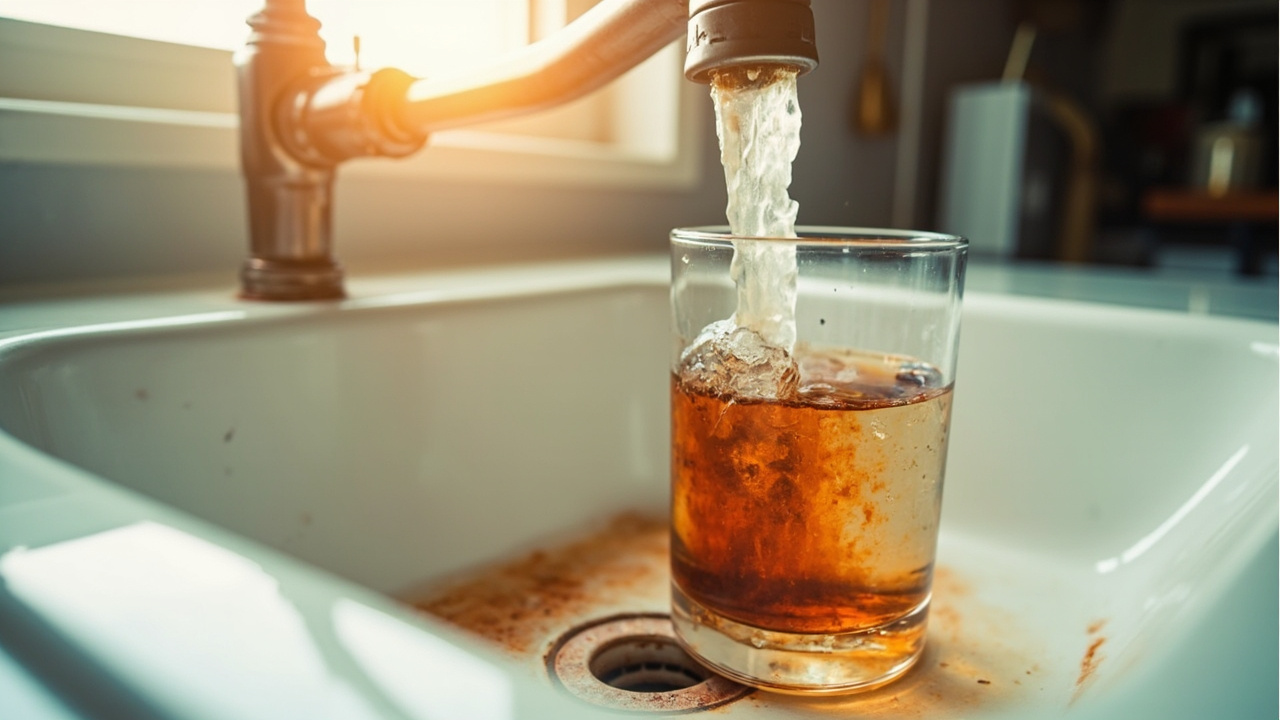
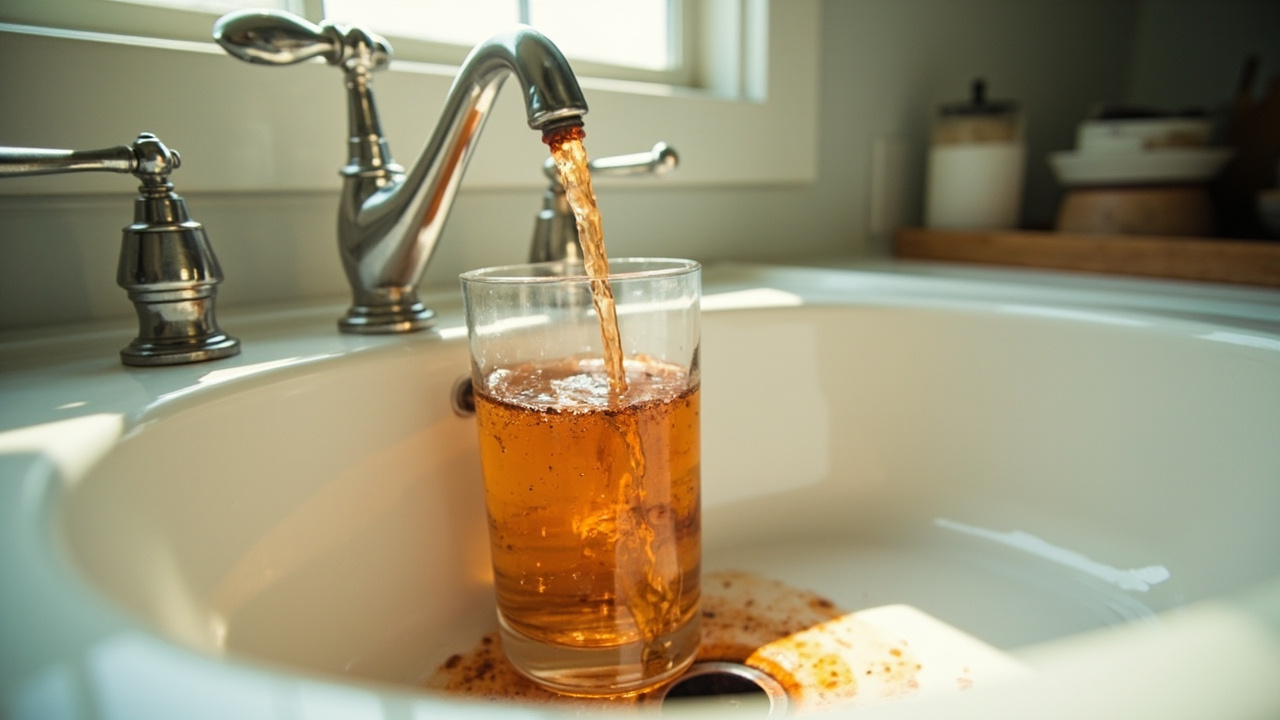
You turn on your faucet and the water runs brown, yellow, or rust-colored. Sometimes it is just the hot water. Other times, every tap in the house pours out discolored water that looks like weak tea or diluted rust. This is not normal, and it is not safe to ignore.

Nashville sits on limestone bedrock with high mineral content in the groundwater. The city's water distribution system mixes surface water from the Cumberland River with well water, creating variable mineral loads that accelerate corrosion inside aging galvanized pipes. Many homes built before 1980 still have original galvanized supply lines that shed iron oxide as they corrode from the inside out. The result is reddish water from pipes, especially after periods of low usage or when water pressure spikes.

You might see yellow water from faucets first thing in the morning or after a vacation. That stagnant water has been sitting in corroded pipes, leaching iron and manganese. Hot water often looks worse because heat accelerates the corrosion process inside your water heater tank. Sediment builds up at the bottom of the tank, and the heating element stirs it into suspension every time the burner cycles.

Discolored hot water usually points to a failing anode rod or heavy sediment accumulation inside the tank. Brown tap water from cold lines indicates supply pipe corrosion or a municipal main break stirring up sediment. Either way, the problem will not fix itself. Corrosion spreads. Sediment accumulates. Water quality degrades. You need a professional to identify the source and stop the contamination at the root.

Why Nashville Homeowners See Rusty Colored Water from Their Faucets
How We Diagnose and Fix Rusty Water Problems in Nashville Homes

How We Diagnose and Fix Rusty Water Problems in Nashville Homes

We do not guess. We test, trace, and confirm the source before we recommend a fix. Discolored water can originate from multiple points in your plumbing system, and the wrong repair wastes your money without solving the problem.

First, we isolate the contamination zone. We run each fixture independently to determine if the discolored hot water comes from the water heater or if brown tap water flows from cold lines too. If only hot water is discolored, the issue is usually sediment buildup or a corroded anode rod inside the tank. We drain a sample, inspect the anode rod condition, and check for heavy particulate at the bottom of the tank.

If both hot and cold lines produce rusty colored water, we trace back to the supply piping. Galvanized steel pipes corrode from the inside as zinc coating erodes, exposing bare steel to oxidation. We check the main shutoff valve, pressure regulator, and distribution manifold to locate the highest concentration of rust. A whole-house filtration test helps us determine if the contamination is systemic or localized to one branch.

For reddish water from pipes that only appears intermittently, we test for manganese and iron levels using a colorimeter. High iron content above 0.3 parts per million indicates advanced pipe corrosion. We also inspect for pinhole leaks, which often precede visible rust staining.

Once we identify the source, we give you options. If the water heater is the culprit, we flush the tank, replace the anode rod, or recommend a replacement if the tank lining has failed. If supply pipes are corroding, we repipe the affected sections with PEX or copper. We do not patch over symptoms. We eliminate the source so your water stays clear.

What Happens When You Call About Yellow or Brown Water

Discolored or Rusty Water in Nashville – Fast Diagnosis and Expert Repair
01

Initial Water Quality Test

We start by testing samples from multiple fixtures to determine if the discolored water is isolated to the water heater or spreading through supply lines. This involves running hot and cold taps separately, checking pressure differentials, and visually inspecting sediment levels. We use a turbidity meter and iron test strips to quantify contamination levels, which tells us whether the problem is cosmetic or a health risk requiring immediate action.
02

Source Identification and Inspection

Once we pinpoint whether the rusty colored water originates from the tank or pipes, we inspect the water heater anode rod, drain valve, and internal lining. For pipe-related discoloration, we trace the main supply line and check shutoff valves, pressure regulators, and exposed pipe sections for corrosion scale. We often use a borescope camera to inspect hidden sections of galvanized pipe without tearing into walls, saving you unnecessary demolition costs.
03

Targeted Repair or Replacement

After diagnosis, we execute the most cost-effective permanent fix. If the water heater is salvageable, we flush the tank and install a new anode rod. If the tank has failed, we replace it with a properly sized unit. For corroded supply pipes, we repipe affected sections using corrosion-resistant PEX or Type L copper. You get clear water within hours, not days, and we verify water quality with a final test before we leave.

Why Nashville Residents Trust Ironwood Plumbing for Water Quality Issues

Nashville's plumbing infrastructure is aging. Homes in neighborhoods like East Nashville, Germantown, and Sylvan Park were built between 1920 and 1970, when galvanized steel was the standard for supply lines. These pipes are now at the end of their service life. We have diagnosed and repaired hundreds of discolored water cases across Davidson County, and we understand the specific failure patterns in local housing stock.

We know that homes served by Metro Water Services often experience sediment spikes after main line repairs or pressure fluctuations during high-demand periods. We also know that well water in rural parts of Davidson County carries higher iron and manganese concentrations, which accelerate corrosion in older tanks and pipes. This local knowledge allows us to diagnose faster and recommend solutions that match Nashville's water chemistry and housing conditions.

You also get transparency. We show you the contaminated water sample, explain what caused it, and walk you through the repair options with upfront information about what each solution involves. No upselling. No scare tactics. Just honest assessment and skilled execution.

Our technicians carry diagnostic tools that most plumbers skip: turbidity meters, iron test kits, and borescope cameras. We do not rely on guesswork or assume every brown tap water issue needs a full repipe. Sometimes a tank flush and anode replacement solve the problem for a fraction of the cost. Other times, a section of corroded pipe needs replacement to stop the contamination. We match the repair to the diagnosis, and we stand behind the work.

When you call Ironwood Plumbing Nashville, you are not getting a generic plumber. You are getting a team that knows Nashville water, Nashville pipes, and Nashville homes.

What to Expect When You Schedule a Water Quality Service Call

Same-Day Diagnostic Availability

We understand that rusty colored water is alarming. You do not want to bathe in it, cook with it, or wait three days for someone to show up. We prioritize water quality calls and offer same-day diagnostic appointments for most Nashville service areas. Our technicians arrive with testing equipment and diagnostic tools ready to identify the source immediately. You will know what is wrong and what it takes to fix it before the end of the first visit. No return trips to "get parts" or "check with the boss."

Comprehensive Water and Pipe Assessment

We test water from multiple fixtures, measure iron and manganese levels, and inspect visible plumbing components for corrosion. If the water heater is suspect, we drain a sample and check the anode rod and tank lining condition. If supply pipes are the issue, we trace the discoloration back to the source using pressure tests and visual inspection. You get a written diagnosis that explains what we found, why it happened, and what needs to happen next. No jargon. No confusion.

Clear Water Restoration

Once we complete the repair, we flush the system and verify that the discolored water is gone. We run every affected fixture and test the output to confirm clarity. If we replaced a section of pipe, we pressure test the new installation to ensure no leaks. If we serviced the water heater, we verify proper temperature and pressure relief valve operation. You get documentation of the work performed, including photos of the contaminated components we removed and confirmation that your water now meets safe quality standards.

Preventive Maintenance Recommendations

After we restore your water quality, we provide guidance on preventing future issues. This might include annual water heater flushing to remove sediment buildup, anode rod replacement schedules, or water softener installation if high mineral content is accelerating corrosion. We do not push products you do not need, but we do explain what conditions led to the problem and how to minimize recurrence. You also get priority scheduling for future service if you join our maintenance program.

Frequently Asked Questions

You Have Questions,
We Have Answers

How to tell if water is rusty? +

Rusty water has a yellow, orange, or reddish-brown tint. Fill a clear glass and hold it up to natural light. If the water looks cloudy or colored instead of clear, you have rust or sediment. Run your cold water tap for two minutes. If the color clears, the rust sits in your pipes. If it stays discolored, the issue comes from your water heater or the main supply line. Nashville homes with older galvanized pipes see this often. Check all faucets. If only hot water runs rusty, your water heater needs attention.

Is discolored water safe to drink? +

Discolored water usually signals rust or sediment, not bacteria or toxins. The EPA states rust particles are not a health hazard. That said, discoloration can mean pipe corrosion or a compromised water line. Do not drink it until you identify the source. Nashville residents should contact Metro Water Services if all taps run discolored. If only your home is affected, call a licensed plumber. Rusty water tastes metallic and stains laundry. Testing confirms safety, but discoloration always needs investigation. Never assume it is safe without verification.

Is it safe to drink rusty tap water? +

Rusty tap water contains iron oxide, which is not toxic in small amounts. The EPA does not classify rust as a health risk. You might experience an upset stomach if you drink large quantities. The real concern is what caused the rust. Corroded pipes can harbor bacteria or leach lead if older materials exist. Nashville homes built before 1986 may have lead solder. If your tap water runs rusty, stop drinking it and call a plumber. A water test identifies contaminants beyond rust.

What does discolored water mean? +

Discolored water signals sediment, rust, or minerals in your plumbing. Brown or yellow water usually means iron oxide from corroding pipes. Milky or cloudy water indicates air trapped in the lines. Green or blue water points to copper corrosion. Nashville water contains natural minerals, but discoloration means something changed. Check if neighbors report the same issue. If only your home sees discolored water, the problem sits in your internal plumbing or water heater. A plumber can diagnose the exact source.

Does brown water mean pipes need replacing? +

Brown water does not always mean full pipe replacement. Temporary discoloration from city main flushing or sudden pressure changes clears on its own. If brown water persists, your pipes have significant corrosion. Galvanized steel pipes, common in older Nashville homes, corrode from the inside out. A plumber inspects the pipes using a camera to assess damage. Localized corrosion may only need a section replaced. Widespread rust and low water pressure mean full repiping. Ignoring chronic brown water leads to pinhole leaks and water damage.

What color is rust in water? +

Rust in water appears yellow, orange, or reddish-brown. Light rust gives water a faint yellow tint. Heavy rust turns water dark brown or reddish. The color depends on iron oxide concentration. Nashville water heaters accumulate rust as the anode rod depletes. Galvanized pipes shed rust flakes that cloud the water. If you see orange or brown stains in your sink or toilet, rust is leaching into your supply. Run the water. If sediment settles at the bottom of a glass, rust particles are present.

Can you shower in discoloured water? +

You can shower in discolored water if rust causes it. Rust is not a skin irritant and does not pose health risks during bathing. Your hair and skin may feel dry or smell metallic. Discolored water stains white towels and grout. If discoloration comes from sediment or minerals, showering is fine. If the cause is unknown, avoid it until a plumber inspects your system. Nashville residents should not shower if neighbors report a water main break or boil advisory. Always confirm the source before using discolored water for any purpose.

Why does my water look brownish? +

Brownish water comes from rust, sediment, or disturbed mineral deposits. Corroding galvanized pipes or a failing water heater release iron oxide. Nashville experiences occasional main line flushing, which stirs up sediment temporarily. If brown water only affects hot taps, your water heater anode rod has corroded. If cold water runs brown, check with Metro Water Services for main line work. A sudden change in water pressure can dislodge rust buildup. Run cold water for five minutes. If it clears, the issue is minor. Persistent brown water needs professional diagnosis.

What are the symptoms of contaminated water? +

Contaminated water causes nausea, stomach cramps, diarrhea, and vomiting. You may develop a fever or headache. Bacterial contamination from sewage or animal waste produces these symptoms within hours or days. Chemical contamination can cause dizziness, skin rashes, or respiratory issues. Rusty water tastes metallic but rarely causes illness. Nashville residents should report sudden illness and discolored water to Metro Water Services. If your household experiences gastrointestinal symptoms after drinking tap water, stop using it immediately. A certified lab tests for bacteria, lead, and other contaminants. Seek medical attention if symptoms persist.

What happens if rust gets in your drink? +

Drinking rust particles causes no immediate harm. Iron oxide passes through your digestive system without absorbing. Large amounts may cause nausea or constipation. The danger lies in what rust indicates. Corroded pipes can harbor Legionella bacteria or leach lead. Rusty water tastes unpleasant and stains your teeth temporarily. Nashville homes with galvanized plumbing face higher rust exposure. If you accidentally drink rusty water, monitor for stomach discomfort. One instance will not harm you. Chronic exposure to corroded plumbing needs addressing to prevent contamination from other sources.

How Nashville's Limestone Water and Aging Galvanized Pipes Cause Rusty Water

Nashville's municipal water is treated surface water from the Cumberland River blended with limestone aquifer well water. This combination creates moderately hard water with elevated calcium and magnesium levels. While the water meets federal safety standards, the mineral content accelerates corrosion inside aging galvanized pipes. The zinc coating that once protected these pipes erodes over decades, exposing the steel underneath to oxidation. When iron oxide flakes off the pipe walls, you see reddish water from pipes, especially after low-usage periods overnight or during vacations. The problem is worse in older neighborhoods where original 1940s-era plumbing has never been updated.

Ironwood Plumbing Nashville has worked in every corner of Davidson County, from historic homes in The Nations to post-war bungalows in Donelson. We understand the plumbing challenges specific to Nashville's housing stock and water chemistry. Our technicians know which neighborhoods are most likely to have galvanized pipe corrosion, which water heater brands hold up best in hard water conditions, and how Metro Water pressure fluctuations can stir up sediment in older pipes. That local knowledge means faster diagnosis and better repair decisions. When you call a plumber who knows Nashville, you get solutions that work the first time.

Plumbing Services in The Nashville Area

Looking for expert plumbing services near you? Ironwood Plumbing Nashville proudly serves homeowners and businesses throughout the greater Nashville area with professional plumbing repairs, water heater installation, leak detection, and emergency plumbing services. From Brentwood to Hendersonville, our licensed plumbers are ready to respond quickly and efficiently. Use the map below to explore our coverage areas and discover fast, reliable plumbing help right around the corner.

Address:
IronwoodPlumbingNashville, 3102 West End Ave Suite 400, American Center, Nashville, TN, 37203

Additional Services We Offer

Our news updates

Latest Articles & News from The Blogs

Lorem ipsum dolor sit amet. Aut expedita quaerat quo eligendi numquam et laudantium perspiciatis qui minima expedita rem consequatur ducimus.…

Test Blog 4

Lorem ipsum dolor sit amet. Aut expedita quaerat quo eligendi numquam et laudantium perspiciatis qui minima expedita rem consequatur ducimus.…

Test Blog 3

Lorem ipsum dolor sit amet. Aut expedita quaerat quo eligendi numquam et laudantium perspiciatis qui minima expedita rem consequatur ducimus.…

Test Blog 2

Lorem ipsum dolor sit amet. Aut expedita quaerat quo eligendi numquam et laudantium perspiciatis qui minima expedita rem consequatur ducimus.…

Contact Us

Do not wait for rusty water to damage your fixtures or compromise your health. Call Ironwood Plumbing Nashville at (615) 413-8833 for same-day diagnosis and expert repair. We will find the source, fix it right, and restore safe, clear water to your home.