
Comparing Gas and Electric Pool Heaters for Your Franklin Backyard
Choosing the right pool heater in Franklin means understanding how Middle Tennessee’s climate and energy costs affect your long-term comfort and budget. With our humid summers and unpredictable shoulder seasons, the decision between gas and electric heating systems impacts more than just your first bill. Getting Your Franklin TN Water Heater Replaced Without the Stress.
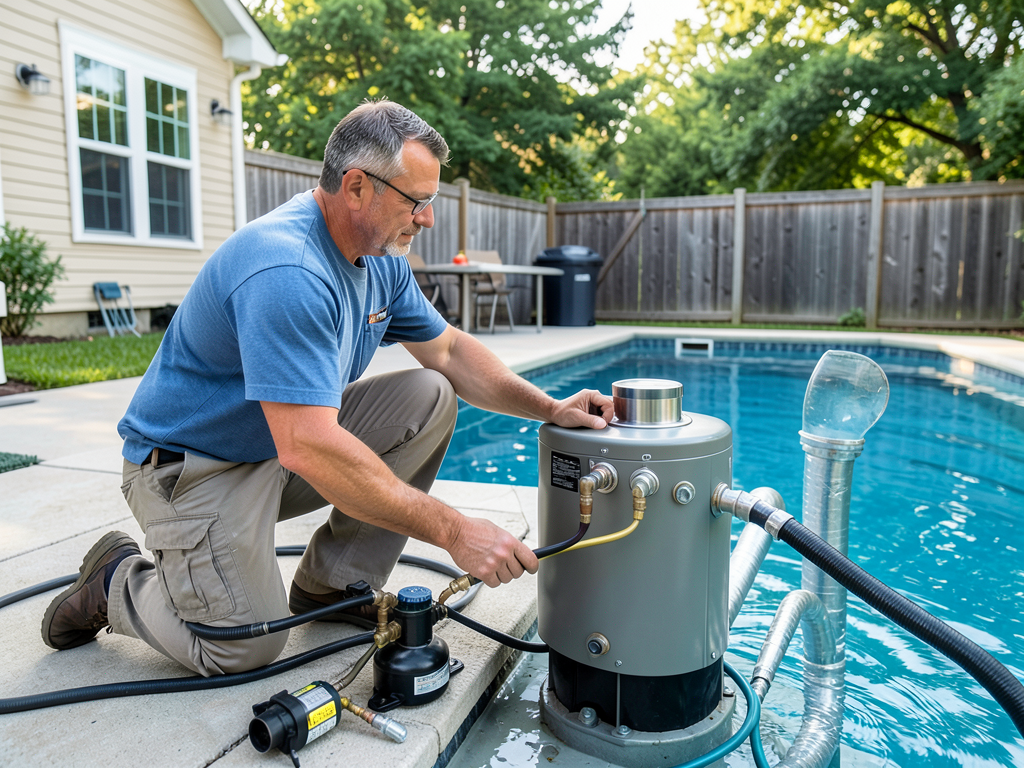
How Franklin’s Climate Affects Pool Heating Choices
Franklin sits in a transition zone where summer humidity and mild winters create unique challenges for pool owners. The high moisture content in the air means heat pumps must work harder to extract warmth, while gas heaters provide consistent performance regardless of humidity levels.
Our typical pool season runs from April through October, but April and October often bring cool nights that drop water temperatures below comfortable levels. Gas heaters can raise pool temperature by 20 degrees in just a few hours, making them ideal for weekend entertaining when you need quick results. Electric heat pumps require ambient air temperatures above 50 degrees to operate efficiently, which means they struggle during those early spring and late fall months when you want to extend your swimming season. How to Deal with Hard Water Issues in Your Mt Juliet Home.
Understanding Heat Pump Technology
Electric heat pumps work by extracting heat from the surrounding air and transferring it to your pool water. They use a refrigerant cycle similar to air conditioners but in reverse. The key metric for heat pump performance is the Coefficient of Performance (COP), which typically ranges from 4 to 6 for modern units. This means for every unit of electricity consumed, the heat pump produces 4 to 6 units of heat energy.
However, in Franklin’s climate, high humidity can reduce COP by 15-20% because the heat pump must first remove moisture from the air before extracting heat. During July and August, when humidity regularly exceeds 80%, heat pumps still operate but with reduced efficiency compared to drier climates.
Gas Heater Performance and Benefits
Gas pool heaters burn natural gas or propane to generate heat directly through a combustion chamber. They deliver BTU output ranging from 100,000 to 400,000+ per hour, making them the fastest heating option available. A typical 200,000 BTU gas heater can raise a 15,000-gallon pool temperature by 1-2 degrees per hour.
The thermal efficiency of modern gas heaters ranges from 82% to 95%, meaning most of the fuel energy converts to heat rather than being lost through exhaust. This direct heating method makes gas heaters particularly effective during Franklin’s cooler months when heat pumps struggle to extract sufficient warmth from the air.
Cost Comparison: Local Utility Rates Matter
Energy costs in Franklin vary significantly between electric and gas options. Piedmont Natural Gas typically charges around $1.10 to $1.30 per therm for residential customers, while Middle Tennessee Electric Membership Corporation (MTEMC) charges approximately $0.11 to $0.13 per kilowatt-hour. Piedmont Natural Gas residential rates.
For a typical 20,000-gallon pool maintained at 80 degrees during the swimming season, monthly operating costs break down as follows:
| Heating Method | Monthly Operating Cost | Typical Monthly Usage |
|---|---|---|
| Gas Heater | $180-$250 | 150-200 therms |
| Heat Pump | $80-$120 | 600-800 kWh |
These estimates assume April through October operation with average Franklin temperatures and humidity levels. Gas heating costs more per month but provides faster temperature recovery and works in all weather conditions.
Installation Requirements and Local Codes
Gas heater installation requires proper gas line sizing, venting, and safety controls. Williamson County requires permits for all gas appliance installations, and Franklin follows the 2021 International Fuel Gas Code. A typical installation needs a 1-inch gas line for heaters up to 250,000 BTU and 1.25-inch lines for larger units.
Heat pump installations require dedicated 240-volt circuits with proper amperage based on unit size. Most residential heat pumps need 30-50 amp circuits, which may require electrical panel upgrades in older Franklin homes built before 2000.
Both systems require proper placement considerations. Gas heaters need 3 feet of clearance from structures and proper venting to prevent carbon monoxide accumulation. Heat pumps need adequate airflow and cannot be installed in enclosed spaces.
Maintenance Requirements by System Type
Gas heaters require annual maintenance including burner inspection, heat exchanger cleaning, and gas pressure testing. The heat exchanger typically lasts 5-7 years in Franklin’s humid climate before scale buildup or corrosion requires replacement. Pilot light systems need occasional thermocouple replacement.
Heat pumps need regular coil cleaning, refrigerant level checks, and fan motor lubrication. The compressor typically lasts 8-12 years, but Franklin’s high humidity can reduce lifespan by 15-20% due to increased corrosion on aluminum components. The evaporator coil requires cleaning every 6 months to maintain efficiency.
Environmental Impact Considerations
Gas heaters produce direct carbon emissions, with a typical 200,000 BTU heater generating approximately 11 pounds of CO2 per hour of operation. Over a full season, this can total 400-500 pounds of carbon emissions.
Heat pumps use electricity that comes primarily from TVA’s mixed generation sources, which include coal, natural gas, nuclear, and hydroelectric power. The carbon footprint varies by time of day but averages approximately 0.5 pounds of CO2 per kilowatt-hour, making the seasonal impact of heat pumps generally lower than gas heaters for equivalent heating output.
Making the Right Choice for Your Franklin Pool
The decision between gas and electric heating depends on your specific usage patterns and priorities. If you swim daily and want to maintain consistent temperatures throughout the season, a heat pump provides lower operating costs and adequate performance during summer months. If you entertain occasionally and need quick heating for weekend gatherings, gas provides the flexibility and speed you need.
Consider your home’s existing infrastructure as well. If you already have natural gas service, adding a pool heater becomes simpler and less expensive. If you lack gas service but have adequate electrical capacity, heat pumps offer a cleaner installation with lower monthly costs.
Climate plays a crucial role in system selection. Franklin’s high humidity reduces heat pump efficiency but doesn’t eliminate their effectiveness. Gas heaters provide reliable performance regardless of weather conditions, making them the better choice for year-round heating or quick temperature recovery.
Local Installation Considerations
Franklin homes built in the 1980s and 1990s often have 100-amp electrical service that may not support heat pump installations without upgrades. Gas line availability varies by neighborhood, with some areas having natural gas infrastructure while others require propane tanks.
The local soil conditions in Franklin, which include clay and limestone, can affect underground gas line installation and may require additional trenching considerations. Heat pump outdoor units need stable concrete pads that resist settling in our expansive clay soils.
Permitting requirements in Franklin typically take 3-5 business days and include inspections for both gas and electrical work. Professional installation ensures compliance with local codes and maintains manufacturer warranties. Professional Plumbing Fixture Installation for Your Brentwood Remodel.
Cost Factors Beyond Monthly Operating Expenses
Initial installation costs vary significantly between the two technologies. Gas heaters typically cost $2,500 to $4,000 installed, while heat pumps range from $3,500 to $6,000 installed. The higher upfront cost of heat pumps often offsets their lower monthly operating costs over a 5-7 year period.
Additional costs may include gas line installation ($500-$1,500), electrical upgrades ($800-$2,000), or concrete pad installation ($300-$600). These infrastructure costs can significantly impact the total investment required for either system.
Replacement parts also factor into long-term costs. Gas heater heat exchangers cost $400-$800 to replace, while heat pump compressors cost $800-$1,500. The frequency of these replacements affects the total cost of ownership over the system’s lifespan.
Performance in Franklin’s Shoulder Seasons
April and October represent the most challenging months for pool heating in Franklin. During these shoulder seasons, nighttime temperatures frequently drop into the 40s and 50s, while daytime highs reach the 60s and 70s.
Heat pumps struggle during these months because the average daily temperature falls below their optimal operating range. A heat pump might take 24-48 hours to raise pool temperature by 10 degrees when ambient air temperatures hover in the 50s to 60s.
Gas heaters excel during shoulder seasons, providing the quick temperature recovery needed for weekend use. They can raise pool temperature from 60 to 80 degrees in 8-12 hours, making them ideal for extending the swimming season when you want occasional use during cooler months.
Safety Considerations for Each System
Gas heaters require proper ventilation and carbon monoxide detectors in enclosed equipment areas. Professional installation includes gas pressure testing and leak detection to ensure safe operation. Annual maintenance checks for gas leaks and proper venting are essential for safe operation.
Heat pumps operate at lower temperatures and don’t produce combustion byproducts, making them inherently safer from a fire and carbon monoxide perspective. However, they require proper electrical grounding and GFCI protection to prevent shock hazards in wet environments.
Both systems need proper freeze protection in Franklin’s occasional cold snaps. Heat pumps have built-in freeze protection that cycles the compressor to prevent ice damage. Gas heaters typically require manual draining or the installation of freeze protection valves in exposed plumbing. Plumbing Mount Juliet.
Future-Proofing Your Pool Heating Investment
Energy costs and environmental regulations continue to evolve. Natural gas prices have remained relatively stable in Middle Tennessee, while electricity rates have shown gradual increases of 2-3% annually over the past decade.
Heat pump technology continues to improve, with new models achieving COP ratings above 7.0. These improvements could make heat pumps more cost-effective in the future, especially as TVA’s generation mix becomes cleaner with increased solar and nuclear capacity.
Hybrid systems that combine heat pumps with gas backup are becoming available, offering the efficiency of heat pumps during optimal conditions with the reliability of gas during extreme weather. These systems represent the future of pool heating technology.
Frequently Asked Questions
Which pool heater works better in Franklin’s humid climate?
Gas heaters perform consistently regardless of humidity, while heat pumps lose 15-20% efficiency when humidity exceeds 80%. For year-round reliability in Franklin, gas heaters provide more consistent performance.
How long does it take to heat a pool with each system?
Gas heaters can raise temperature by 1-2 degrees per hour, heating a 15,000-gallon pool from 60 to 80 degrees in 10-12 hours. Heat pumps take 12-24 hours for the same temperature increase when air temperatures are above 60 degrees.
What are the typical installation costs in Franklin?
Gas heater installation costs $2,500-$4,000 including necessary gas line work. Heat pump installation ranges from $3,500-$6,000, potentially requiring electrical upgrades that add $800-$2,000 to the total cost.
Do I need permits for pool heater installation in Franklin?
Yes, Williamson County requires permits for both gas and electric pool heater installations. The process typically takes 3-5 business days and includes required inspections for safety compliance.
Which system has lower long-term operating costs?
Heat pumps cost $80-$120 monthly to operate versus $180-$250 for gas heaters during the swimming season. Over 5-7 years, the lower operating costs of heat pumps often offset their higher initial installation costs.
Ready to Extend Your Swimming Season?
Whether you choose gas or electric heating, professional installation ensures safe, efficient operation that maximizes your swimming season. Ironwood Plumbing has served Franklin homeowners for years with expert pool heater installations that comply with all local codes and manufacturer specifications. Plumbing Springfield.
Don’t let cool nights cut your swimming season short. Call Ironwood Plumbing today at (615) 413-8833 to schedule your pool heater consultation and get a customized recommendation for your Franklin backyard. Our licensed technicians will evaluate your home’s infrastructure, discuss your usage patterns, and install the perfect heating solution for your needs.. Read more about Planning a Backyard Oasis with an Outdoor Shower or Pool House in Richland.
Ironwood Plumbing – Your trusted Franklin plumbing experts for all your pool heating needs. For more information, visit Energy.gov pool heat pump guide.
You may also find this helpful. How to Safely Connect Your Gas Grill to Your Home Gas Line in Hendersonville.