




Menu

Cold Water Sandwich Effect in Nashville – Expert Diagnosis and Permanent Fixes for Tankless Water Heaters

Experience intermittent cold water bursts during your shower? Ironwood Plumbing Nashville specializes in diagnosing and eliminating the cold water sandwich effect in tankless systems, restoring consistent hot water delivery throughout your home.

Slider Image 1
Slider Image 2
Slider Image 3
Slider Image 4
Slider Image 5
Slider Image 7
Slider Image 8
Slider Image 9
Slider Image 10
Slider Image 11

Why Your Tankless Water Heater Delivers Cold Water Bursts Mid-Shower

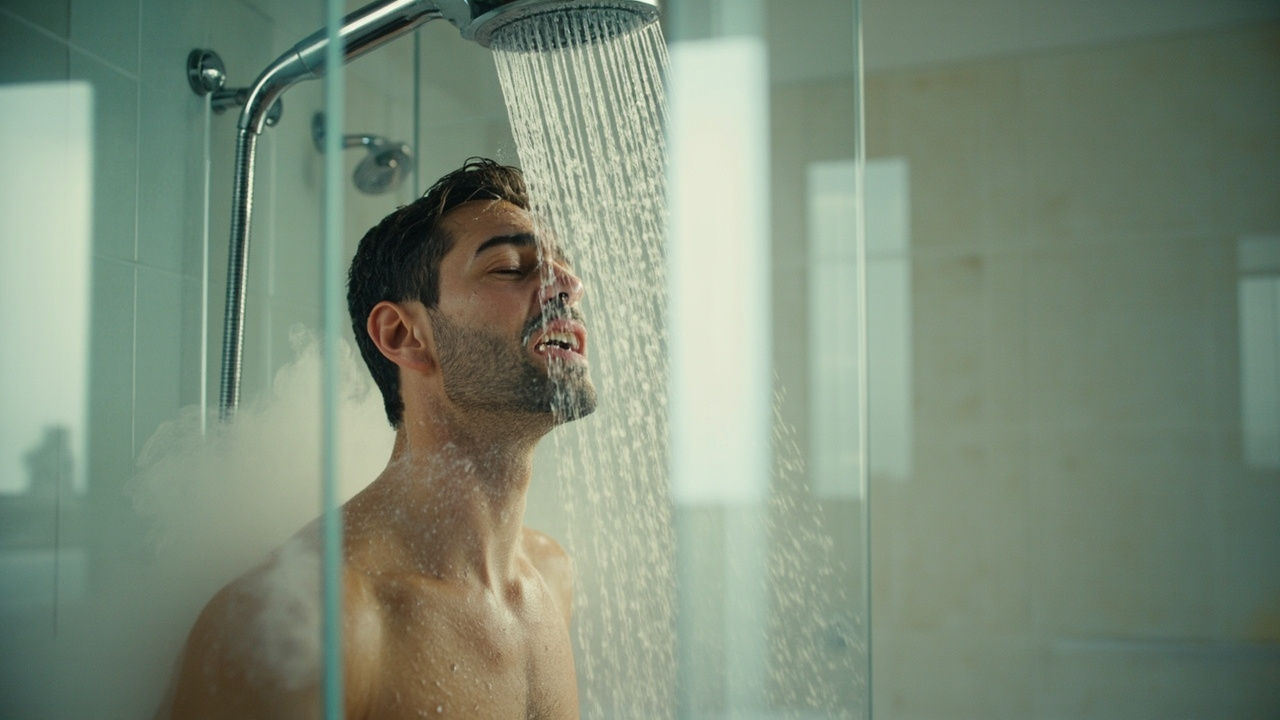
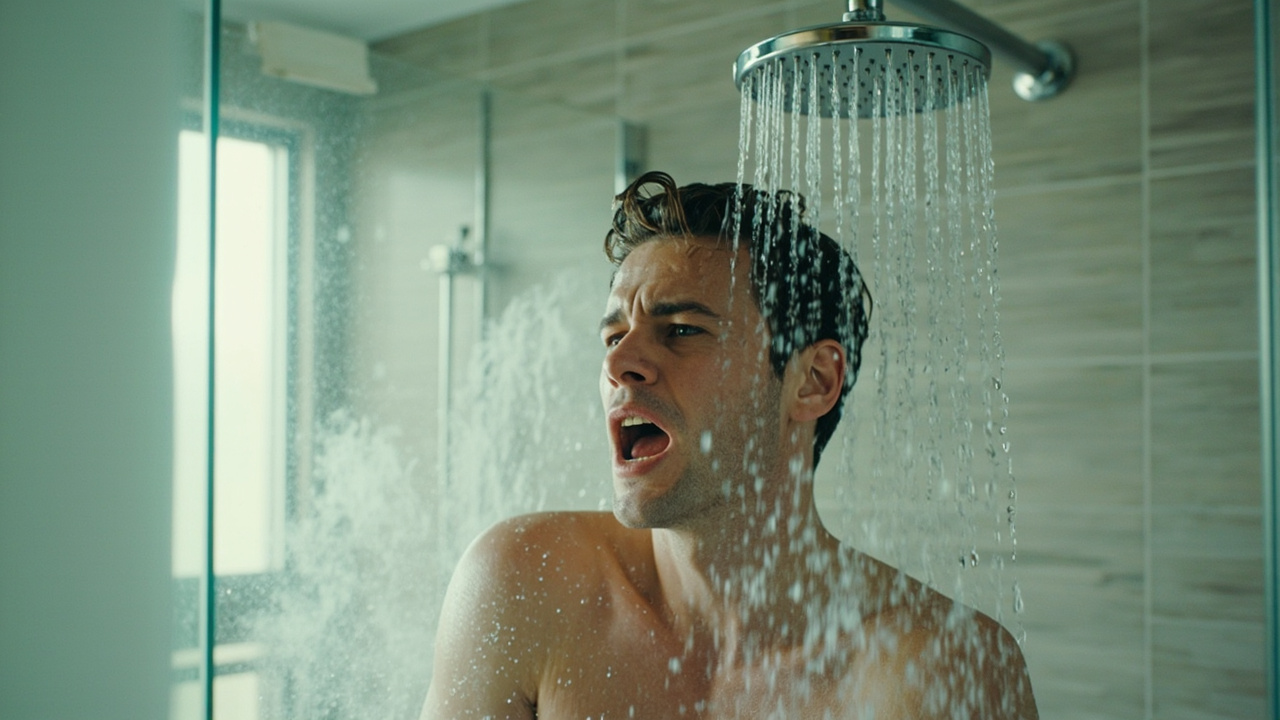
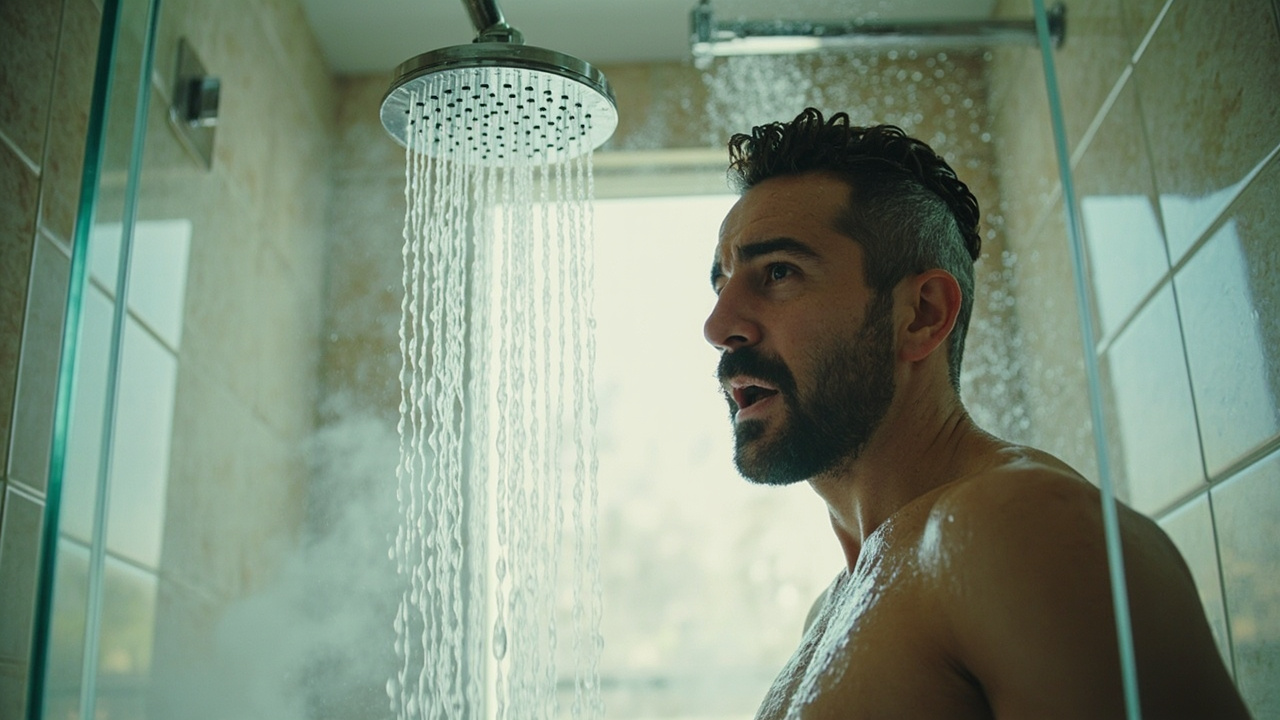
You turn on the hot water. It comes out warm. Then suddenly, a blast of cold water hits you mid-shower. A few seconds later, it is hot again. This is the cold water sandwich effect, and it plagues tankless water heater owners across Nashville.

Here is what happens. When you turn off a faucet, hot water sits in the pipes between your tankless unit and that fixture. The heater shuts down. When you turn the water back on within a few minutes, you get that leftover hot water first. Then comes the cold water slug, the unheated water that was sitting in the supply line. Finally, the tankless unit fires up and delivers hot water again. The result is a cold water burst sandwiched between two hot water flows.

Nashville's sprawling single-story ranch homes and split-level layouts make this worse. Long pipe runs from the garage-mounted tankless unit to bathrooms on the opposite end of the house create more opportunity for that cold water slug to form. The greater the distance, the longer the cold burst lasts.

This tankless temperature fluctuation frustrates families every morning. You are not imagining it. It is a real phenomenon tied to how tankless systems operate and how your home is plumbed. The intermittent cold water tankless issue becomes especially noticeable in homes with multiple bathrooms where someone might briefly turn on a sink, then turn on the shower moments later.

Understanding why this happens is the first step. Fixing it requires specific modifications to your plumbing system, not just adjusting the heater settings.

Why Your Tankless Water Heater Delivers Cold Water Bursts Mid-Shower
How We Eliminate Tankless Water Heater Cold Water Sandwich Problems

How We Eliminate Tankless Water Heater Cold Water Sandwich Problems

Fixing the cold water sandwich effect requires strategic plumbing modifications, not just tweaking your tankless unit. We approach this problem through three proven methods, selected based on your home's layout and your budget.

The most effective solution is installing a small recirculation system with a buffer tank. This keeps a reserve of hot water ready between the tankless heater and your fixtures. When you open a tap, you draw from this buffer first, giving the tankless unit time to fire up without that cold water slug interrupting your flow. We size the buffer tank based on your home's pipe volume and typical usage patterns.

For homes where a buffer tank is not practical, we install point-of-use tankless heaters at high-demand fixtures. A small electric tankless unit under your master bathroom sink eliminates the problem at that location entirely. This works well in Nashville's larger homes where the main tankless heater sits in the garage, 60 feet from the bathroom.

The third method involves reconfiguring your hot water delivery piping into a recirculation loop with a pump and timer. The pump moves water through the loop during peak usage times, keeping hot water close to your fixtures. This reduces the cold water sandwich effect and cuts wait time for hot water.

Each approach has trade-offs in upfront expense, ongoing energy use, and complexity. We evaluate your existing plumbing configuration, measure your pipe runs, and calculate the volume of water sitting between your heater and fixtures. Then we recommend the solution that makes sense for your specific situation.

Generic advice from online forums does not account for Nashville's typical home layouts or local water pressure variations. We fix this problem daily.

What Happens When We Diagnose Your Tankless Temperature Fluctuation

Cold Water Sandwich Effect in Nashville – Expert Diagnosis and Permanent Fixes for Tankless Water Heaters
01

System Mapping and Flow Testing

We trace your hot water lines from the tankless unit to every fixture, measuring pipe runs and calculating the water volume in each section. Using flow meters, we document your gallons per minute at each tap and identify pressure drops that worsen the cold water sandwich effect. We also test your tankless unit's activation threshold to see how much flow is required to trigger ignition.
02

Temperature Profiling at Fixtures

We run hot water at your most-used fixtures while monitoring temperature with infrared sensors. This shows us exactly when the cold water burst occurs, how long it lasts, and how severe the temperature drop is. We repeat this test with different flow rates and usage intervals to understand your specific tankless cold water burst pattern under real-world conditions.
03

Solution Design and Cost Comparison

Based on our measurements, we design two or three solutions tailored to your home. You get a written proposal showing what each option fixes, what it requires for installation, and what it means for your monthly utility bills. We explain the trade-offs clearly so you can choose the fix that matches your priorities and budget, not just the most expensive option.

Why Nashville Homeowners Trust Ironwood Plumbing for Tankless Water Heater Issues

The cold water sandwich effect is a nuanced problem. It requires understanding both tankless water heater mechanics and residential plumbing design. Most plumbers can install a tankless unit. Fewer can diagnose why it delivers intermittent cold water and design the right fix.

We have spent years working in Nashville's diverse housing stock, from 1950s brick ranches in Donelson to new construction in Thompson's Station. We know how these homes are plumbed. We know where the tankless units typically get installed and how far water has to travel to reach your shower. That familiarity matters when diagnosing your specific cold water slug problem.

Nashville's moderate winters mean most tankless units sit in garages or exterior utility closets. That puts them far from bathrooms, increasing pipe run length and making the cold water sandwich effect more pronounced. We account for this in every solution we design.

We also understand local water conditions. Nashville's water is moderately hard, which affects how we size and maintain buffer tanks. Mineral buildup in small tanks can create new problems if not addressed during installation and service intervals.

When we propose a recirculation system or buffer tank, we pull permits and follow Metro Nashville plumbing codes. We use expansion tanks where required, install backflow prevention, and ensure all work meets inspection standards. Unlicensed handymen skip these steps, leaving you with code violations that surface during home sales.

You are hiring us for expertise in solving this one frustrating problem correctly. We do not upsell whole-system replacements when a targeted fix will work. We focus on eliminating your tankless temperature fluctuation so you can shower in peace.

What to Expect When We Fix Your Tankless Cold Water Sandwich Problem

Diagnostic Timing and Scheduling

The initial diagnostic visit takes 60 to 90 minutes. We schedule these appointments in the morning or early afternoon when we can test your system under typical usage conditions. You will get a written diagnosis the same day, with solution options and pricing. If you approve one of the fixes, we typically schedule installation within five to seven business days, depending on whether we need to order a specific buffer tank or recirculation pump for your setup.

How We Evaluate Your Plumbing System

We do not guess. We measure pipe lengths, test flow rates, and record temperature fluctuations with calibrated instruments. You will see the data that drives our recommendations. We photograph your existing plumbing configuration and show you exactly where we plan to install buffer tanks, recirculation pumps, or point-of-use heaters. If your home's layout makes one solution impractical, we explain why before proposing alternatives. You will understand what we are fixing and why it works.

The Final Result You Can Feel

When we finish, your cold water sandwich effect is gone. You turn on the shower and get consistent hot water without that jarring cold burst mid-flow. We test every affected fixture before we leave, running water multiple times to confirm the intermittent cold water tankless issue is resolved. You get documentation of what we installed, including model numbers and specifications, so future service technicians know exactly how your system is configured.

Ongoing System Maintenance

Buffer tanks and recirculation pumps require periodic maintenance to stay effective. We recommend annual inspections where we check for sediment buildup, test pump operation, and flush the buffer tank if needed. If you install a point-of-use electric tankless heater, we show you how to descale it yourself or schedule service. Most of our cold water sandwich solutions require minimal upkeep, but we stay available if issues arise or you have questions about system operation.

Frequently Asked Questions

You Have Questions,
We Have Answers

What is a cold water sandwich effect? +

The cold water sandwich effect happens when you use a tankless water heater and turn the hot water on for a short burst, then off, then back on quickly. Cold water trapped in the pipes between the heater and your fixture gets pushed out first, creating a brief shock of cold water between two hot streams. This occurs because tankless units heat water on demand. When you stop the flow, the unit shuts off. Residual cold water sits in the line. When you restart, you get cold water until the heater fires up again. Common in Nashville homes during quick rinse cycles or when multiple fixtures operate intermittently.

What is the downside to tankless water? +

Tankless water heaters have three main downsides. First, the upfront installation cost runs higher than traditional tank units. Second, they require higher gas line capacity or electrical upgrades, adding expense. Third, you may experience the cold water sandwich effect during intermittent use. Flow rate limitations also matter. If you run multiple showers and appliances simultaneously, a single unit may struggle to keep up. Nashville homes with high simultaneous demand often need multiple units or a larger model. Hard water in Middle Tennessee can also cause mineral buildup faster, requiring more frequent descaling maintenance to prevent efficiency loss and premature failure.

How to get rid of cold water sandwich? +

You can reduce or eliminate the cold water sandwich by installing a small recirculation system or buffer tank between your tankless unit and fixtures. This keeps a small volume of hot water ready. You can also add a thermostatic mixing valve to blend and stabilize output temperature. Another solution involves installing a point-of-use mini tank at frequently used fixtures like kitchen sinks. Upgrading to a tankless model with built-in recirculation capability helps too. Nashville homeowners often combine a small electric tank with a tankless unit as a hybrid approach, maintaining instant hot water while keeping energy costs lower than traditional tanks alone.

Why do plumbers not recommend tankless water heaters? +

Plumbers voice concerns about tankless water heaters for several practical reasons. Installation costs run significantly higher due to venting requirements, gas line upgrades, and electrical modifications. Repairs cost more because parts and specialized knowledge are less common. Hard water in Nashville accelerates mineral scaling inside heat exchangers, requiring annual maintenance most homeowners skip. Flow rate limitations disappoint families expecting unlimited simultaneous hot water. The cold water sandwich effect frustrates users. Tankless units also perform poorly when incoming groundwater drops below 50 degrees during Nashville winters. Traditional tanks remain simpler, cheaper to install, easier to repair, and more forgiving when maintenance gets neglected.

What happens after 30 days of cold showers? +

This question falls outside plumbing expertise. Cold showers for 30 days reportedly improve circulation, boost alertness, and may strengthen immune response, but these claims lack rigorous scientific consensus. From a plumbing perspective, taking only cold showers means your water heater sits idle, wasting standby energy if you have a tank model. You could lower your thermostat or switch it to vacation mode to save on utility bills. If you experience only cold water unintentionally for 30 days, you have a broken water heater, and you should call a licensed plumber immediately to diagnose the issue and restore hot water to your Nashville home.

Do cold showers help burn fat? +

This question addresses health and fitness, not plumbing systems. While some studies suggest cold exposure may activate brown fat and slightly increase calorie burn, the effect remains minimal for weight loss. Cold showers will not replace proper diet and exercise. From a plumbing standpoint, if you prefer cold showers to save energy, a tankless water heater offers no advantage over a traditional tank since you bypass the heating function entirely. Nashville residents concerned about energy bills should focus on insulating hot water lines, fixing leaks, lowering water heater temperature settings, and ensuring proper maintenance regardless of shower temperature preference.

Will my electric bill go up with a tankless water heater? +

Electric tankless water heaters typically increase your bill compared to gas tankless models, but the impact depends on usage patterns and your current system. Electric tankless units require significant amperage, often needing panel upgrades. They heat water less efficiently than gas models in high-demand situations. However, if you currently use an old electric tank heater with high standby loss, switching to electric tankless may reduce costs by eliminating constant reheating. Nashville residents with natural gas access should choose gas tankless units for better efficiency and lower operating costs. Calculate your usage and compare utility rates before deciding which fuel source makes financial sense.

How do amish get hot water? +

This question does not relate to the cold water sandwich effect or tankless water heaters. Amish communities traditionally heat water using wood-fired stoves, propane heaters, or solar thermal systems depending on their specific Ordnung rules. Some Amish groups allow propane appliances while prohibiting electric grid connections. Methods vary widely between communities and church districts. If you want to explore alternative water heating methods for your Nashville home, a licensed plumber can discuss propane tankless units, solar thermal collectors, or heat pump water heaters that reduce reliance on electricity while meeting modern building codes and safety standards required in Davidson County.

Can I take a long shower with a tankless water heater? +

Yes, you can take long showers with a properly sized tankless water heater. Unlike tank heaters that run out of hot water after depleting stored capacity, tankless units heat water continuously as long as demand stays within their flow rate capacity. The key factor is gallons per minute. A typical showerhead uses 2 to 2.5 GPM. If your tankless unit delivers 8 GPM, you can run multiple showers simultaneously without temperature drops. Nashville homes with high simultaneous demand may need a larger unit or multiple units installed in tandem. Proper sizing during installation prevents disappointment and ensures endless hot water for long showers.

Why does Chinese medicine say not to drink cold water? +

This question addresses traditional Chinese medicine philosophy, not plumbing or water heating systems. Traditional Chinese medicine suggests cold water disrupts digestive qi and burdens the spleen, though Western medicine does not support these claims with clinical evidence. From a plumbing perspective, drinking water temperature depends entirely on personal preference and has no impact on your home water heating system. Nashville municipal water arrives cold from underground pipes year-round. If you prefer room temperature drinking water, you can install a dedicated ambient temperature tap or simply let cold water sit before drinking. Your water heater exists to provide hot water for bathing, cleaning, and appliances.

How Nashville's Sprawling Home Layouts Worsen Tankless Water Heater Cold Water Sandwich Issues

Nashville's residential architecture trends toward single-story ranch homes and split-level designs with significant square footage. Many homes in neighborhoods like Hermitage, Antioch, and Bellevue feature master bathrooms at one end and the garage at the opposite end, creating 50 to 80 feet of pipe run between the tankless water heater and your shower. That distance means more water sits in the pipes when the heater shuts off, creating a longer and colder cold water slug when you restart the flow. The city's affordable land encouraged builders to spread homes out rather than build up, making long pipe runs the norm rather than the exception. This layout directly amplifies the cold water sandwich effect.

Solving this problem in Nashville requires familiarity with how local homes are plumbed and where tankless units typically get installed. We work throughout Davidson County and surrounding areas, so we understand the common configurations in different neighborhoods and subdivisions. We also stay current with Metro Nashville plumbing codes, ensuring any buffer tanks, recirculation systems, or point-of-use heaters we install meet local requirements and pass inspection. Choosing a plumber who works exclusively in this area means you get solutions designed for your specific home type, not generic fixes borrowed from other climates or housing markets.
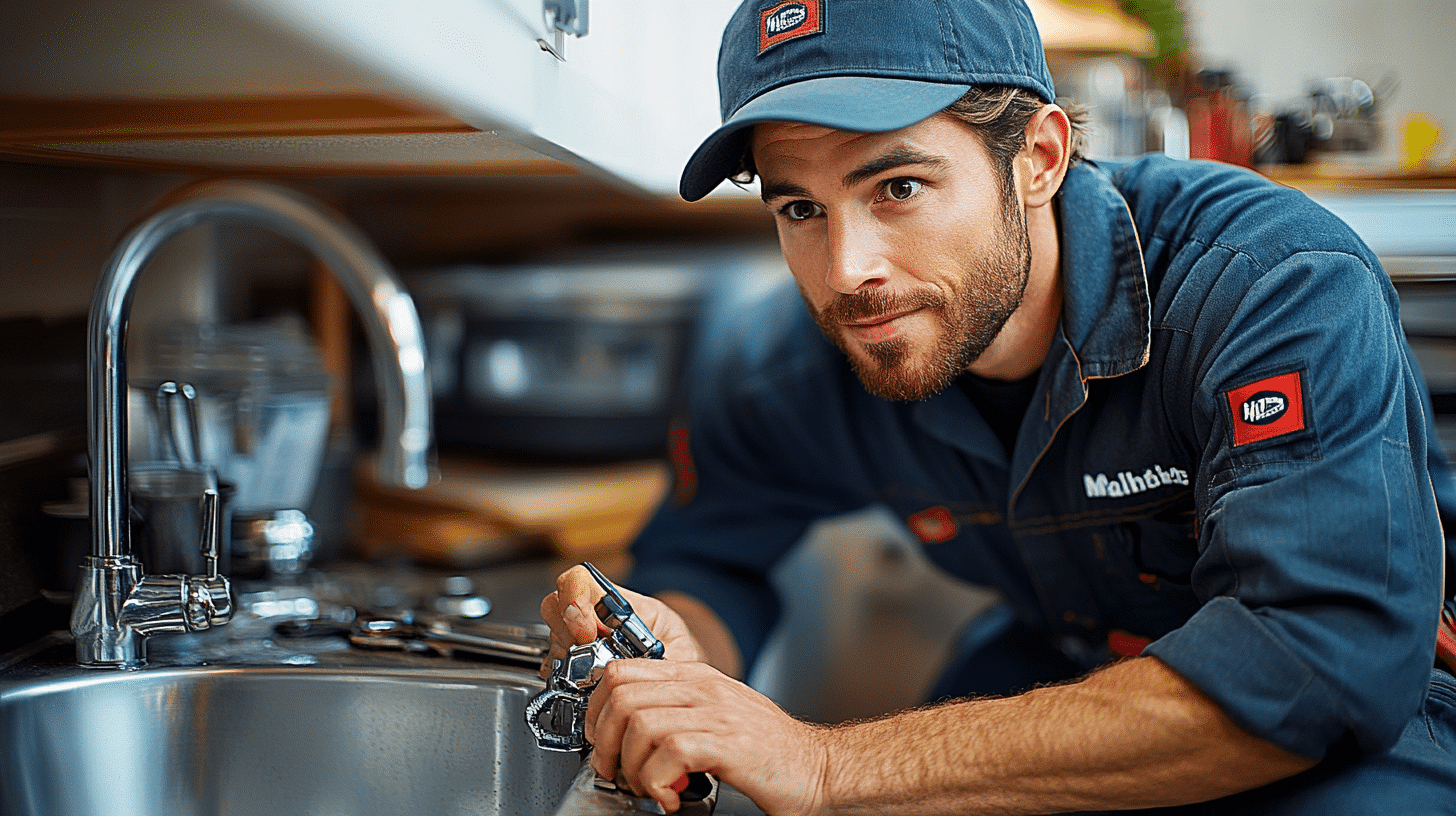
Plumbing Services in The Nashville Area

Looking for expert plumbing services near you? Ironwood Plumbing Nashville proudly serves homeowners and businesses throughout the greater Nashville area with professional plumbing repairs, water heater installation, leak detection, and emergency plumbing services. From Brentwood to Hendersonville, our licensed plumbers are ready to respond quickly and efficiently. Use the map below to explore our coverage areas and discover fast, reliable plumbing help right around the corner.

Address:
IronwoodPlumbingNashville, 3102 West End Ave Suite 400, American Center, Nashville, TN, 37203

Additional Services We Offer

Our news updates

Latest Articles & News from The Blogs

Lorem ipsum dolor sit amet. Aut expedita quaerat quo eligendi numquam et laudantium perspiciatis qui minima expedita rem consequatur ducimus.…

Test Blog 4

Lorem ipsum dolor sit amet. Aut expedita quaerat quo eligendi numquam et laudantium perspiciatis qui minima expedita rem consequatur ducimus.…

Test Blog 3

Lorem ipsum dolor sit amet. Aut expedita quaerat quo eligendi numquam et laudantium perspiciatis qui minima expedita rem consequatur ducimus.…

Test Blog 2

Lorem ipsum dolor sit amet. Aut expedita quaerat quo eligendi numquam et laudantium perspiciatis qui minima expedita rem consequatur ducimus.…

Contact Us

Call Ironwood Plumbing Nashville at (615) 413-8833 right now to schedule your tankless water heater diagnostic. We will identify what is causing your cold water bursts and design a fix that works for your home and budget.