




Menu

Backflow Prevention & Testing in Nashville – Annual Certification & Compliance Experts

Stay compliant with Metro Water Services regulations through certified backflow assembly testing and annual device inspections that protect Nashville's municipal water supply from contamination.

Slider Image 1
Slider Image 2
Slider Image 3
Slider Image 4
Slider Image 5
Slider Image 7
Slider Image 8
Slider Image 9
Slider Image 10
Slider Image 11

Why Nashville Properties Need Backflow Prevention Testing

Nashville's municipal water system serves over 750,000 people across Davidson County, and Metro Water Services enforces strict backflow prevention compliance to protect that supply. When water pressure drops during a main break or high-demand period, contaminated water can reverse flow back into the clean water system. This creates a direct contamination risk from irrigation systems, commercial boilers, fire suppression lines, or industrial processes.

Tennessee regulations require annual backflow certification for properties with cross-connection control devices. Metro Nashville codes mandate that any property with an irrigation system, fire sprinkler, chemical injection system, or auxiliary water supply install an approved backflow preventer and test it yearly. Residential properties with lawn sprinklers need RPZ valves or double-check assemblies. Commercial facilities with multiple water uses face even stricter requirements.

The Cumberland River watershed creates unique water pressure fluctuations across Nashville neighborhoods. Properties in Green Hills, East Nashville, and Germantown experience different baseline pressures due to elevation changes. During drought periods or water main work, these pressure drops increase backflow risk. Your backflow device testing confirms the check valves, spring mechanisms, and relief ports function correctly under real-world conditions.

Failed tests trigger immediate notification to Metro Water Services. You have 10 days to repair or replace the assembly and schedule retesting. Properties without valid annual backflow certification face water service disconnection. Ironwood Plumbing Nashville handles backflow assembly testing for residential and commercial clients throughout Davidson County, maintaining compliance records and coordinating with Metro Water Services on your behalf.

Why Nashville Properties Need Backflow Prevention Testing
How Professional Backflow Testing Protects Your Property

How Professional Backflow Testing Protects Your Property

Backflow preventer inspection requires certified testers using calibrated gauge kits that measure differential pressure across check valves. We test reduced pressure zone devices, double check valve assemblies, pressure vacuum breakers, and atmospheric vacuum breakers according to ASSE Series 5000 standards. The test procedure measures check valve tightness, spring load on the relief valve, and the air gap function in RPZ devices.

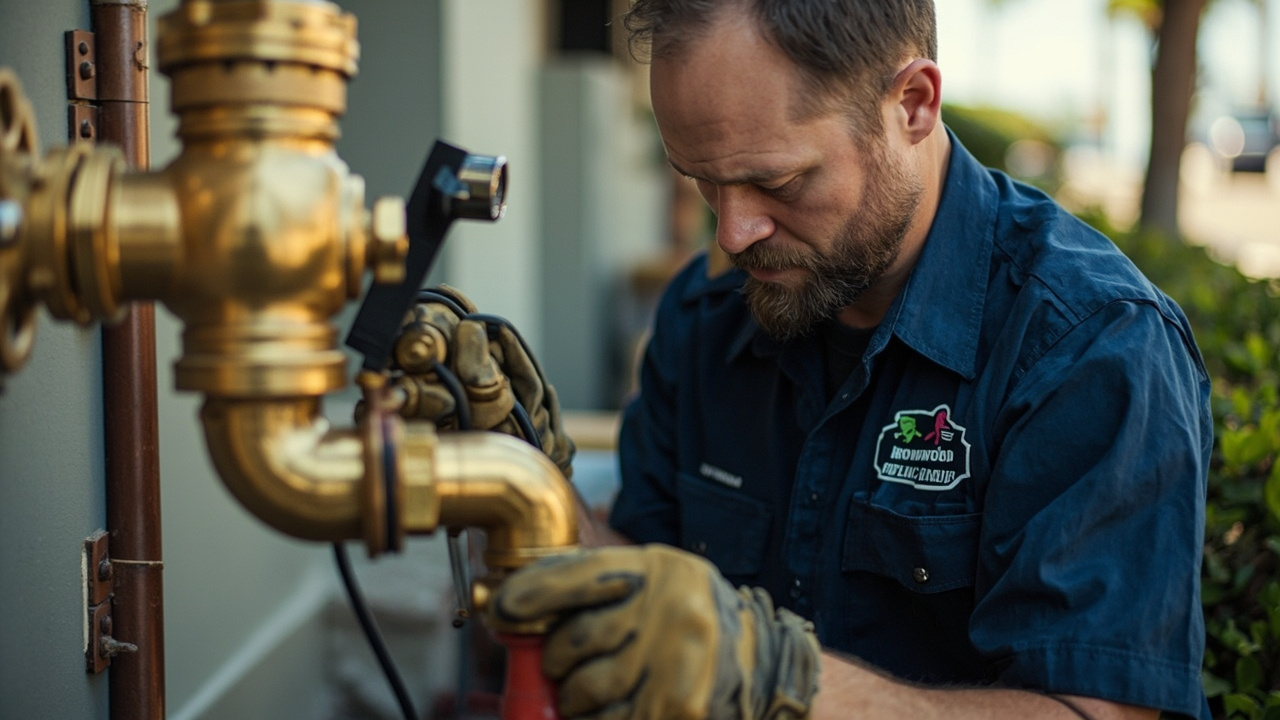
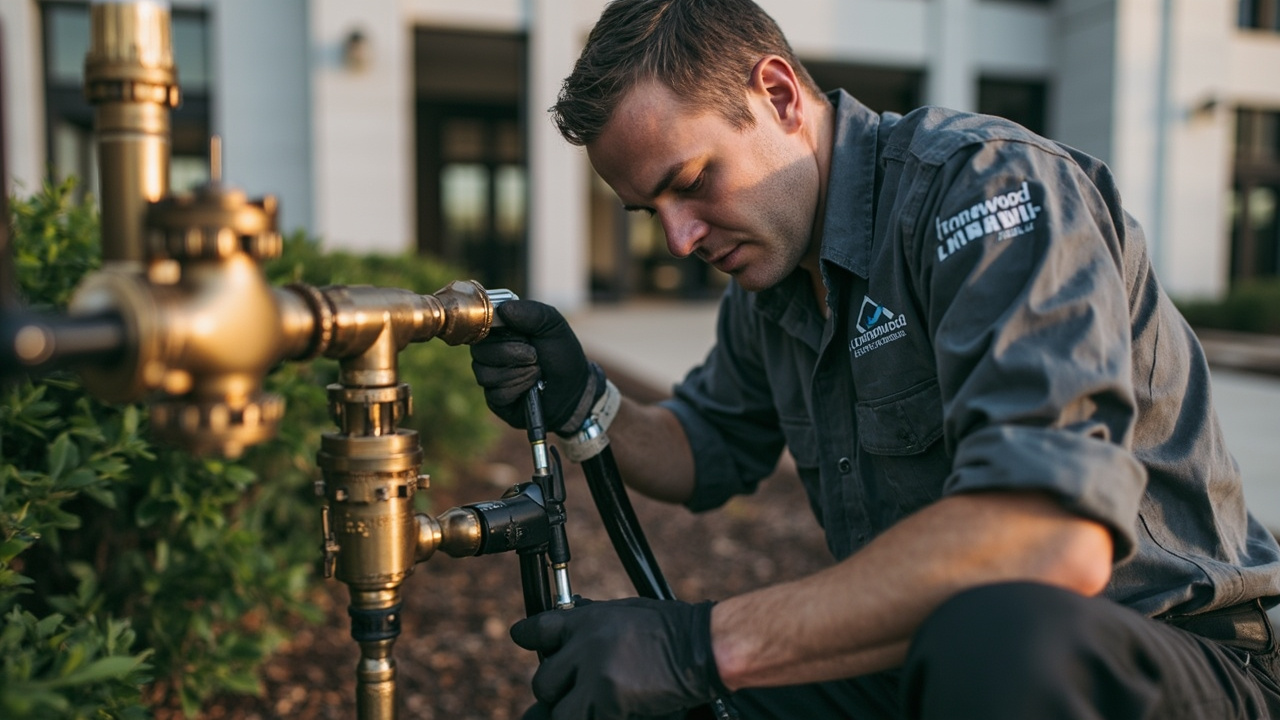
During backflow device testing, we isolate the assembly from the downstream system and attach test cocks to measure pressure at specific points. For RPZ valves, we verify the relief valve opens when pressure drops below acceptable levels. For double-check assemblies, we confirm both check valves seal completely with no reverse flow. Pressure vacuum breakers require testing the air inlet valve opens properly when pressure drops.

Tennessee-certified backflow testers must recertify every three years through approved training programs. Our technicians carry ASSE 5110 certification and maintain calibrated test equipment with annual gauge verification. We document inlet pressure, check valve pressure drop, and relief valve opening point for every test. These measurements prove your assembly functions within manufacturer specifications and state codes.

Failed assemblies require disassembly for cleaning or parts replacement. Debris in check valves, worn rubber seals, or weakened springs cause most failures. We stock repair kits for Watts, Wilkins, Ames, and Febco assemblies common in Nashville installations. After repairs, we retest the device and file compliance paperwork with Metro Water Services. You receive a stamped test report showing passing results and the next required test date.

What Happens During Your Backflow Test Appointment

Backflow Prevention & Testing in Nashville – Annual Certification & Compliance Experts
01

Device Identification and Isolation

We locate your backflow assembly, verify the make and model, and check the last test date on the tag. The device gets isolated from downstream pressure using the shutoff valves on both sides of the assembly. We attach our calibrated test kit to the four test cocks and bleed air from the hoses. For commercial properties with multiple assemblies, we coordinate testing schedules to minimize water service disruption.
02

Pressure Testing and Measurement

We run the complete test procedure for your specific assembly type. RPZ testing includes check valve tightness, relief valve opening point, and pressure differential measurements. Double-check assemblies get tested for both check valve seal integrity under static and flowing conditions. Each measurement gets recorded on the official test form with gauge readings and pass/fail status for every component.
03

Documentation and Filing

You receive a completed test report with all pressure readings, test results, and the next due date. We file the passing test results directly with Metro Water Services through their online reporting system. For failed tests, we provide a detailed explanation of the failure mode and repair options. Your property maintains continuous compliance status, and we send test reminders 30 days before your next annual deadline.

Why Nashville Property Owners Choose Ironwood Plumbing

Metro Water Services maintains a list of certified backflow testers, but not all testers understand Nashville's specific requirements. Properties in the Urban Services District face different compliance timelines than those in General Services areas. Commercial properties need coordination with health department inspections for food service or medical facilities. We navigate these local regulations daily and maintain direct communication channels with Metro Water compliance officers.

Davidson County's rapid growth means constant water main upgrades and pressure zone changes. New developments in The Nations, Wedgewood-Houston, and North Nashville connect to different pressure zones than older neighborhoods. We track these infrastructure changes and recommend backflow device upgrades when pressure conditions change. Your 15-year-old double-check assembly might need replacement with an RPZ device if new regulations affect your area.

Our service area covers all of Nashville proper, from Bellevue to Donelson and from Joelton to Antioch. We maintain relationships with major property management companies managing apartment complexes, office parks, and retail centers. For commercial clients with multiple locations, we schedule annual testing cycles that align with your operational calendar. Restaurant clients get priority scheduling during slow seasons. Industrial facilities coordinate testing during planned maintenance shutdowns.

Tennessee requires separate certification for backflow testing versus backflow device installation and repair. Our technicians hold both credentials, which means we diagnose problems during testing and complete repairs immediately instead of scheduling return visits. We stock common repair parts on service vehicles and carry relationships with local supply houses for same-day parts availability on specialized assemblies.

What to Expect from Backflow Testing Service

Testing Timeline and Scheduling

Most residential backflow tests take 20 to 30 minutes per assembly. Commercial properties with multiple devices need one to three hours depending on the number of assemblies and accessibility. We schedule morning appointments to minimize business disruption and provide 30-minute arrival windows. You receive text notifications when our technician is en route. We offer bulk scheduling discounts for property management companies testing multiple buildings. Annual testing reminders go out 60 days and 30 days before your compliance deadline, giving you time to schedule without penalty risk.

Assembly Evaluation and Condition Report

Testing reveals more than just pass or fail status. We document valve condition, check for corrosion, note any signs of tampering, and photograph the installation. If your assembly sits in standing water, lacks proper drainage, or shows signs of freezing damage, we document these installation defects. Backflow devices need protection from freezing temperatures, which means Nashville properties without proper enclosures face winter damage risk. We provide detailed condition reports with photos and recommend preventive measures before failures occur and require emergency replacements.

Compliance Documentation and Filing

You receive an official Tennessee Department of Environment and Conservation test form signed by our certified tester. The form includes your property address, assembly serial number, test date, all gauge readings, and pass/fail status. We electronically file passing tests with Metro Water Services within 24 hours. You get a copy for your records and a dated tag attached to the assembly showing the next test due date. For commercial properties, we provide compliance certificates suitable for health inspections, insurance audits, or tenant documentation requirements.

Repair Services and Retesting

Failed tests require repair or replacement before retesting. We provide upfront pricing for common repairs like check valve cleaning, spring replacement, or seal kits. Complete assembly replacement gets recommended when repair costs exceed 60 percent of replacement cost or when the device exceeds its service life. We stock popular assemblies in our warehouse and complete same-day installations for standard residential sizes. After repairs, we retest the assembly at no additional charge and file the passing results. Properties stay in compliance without service interruption or Metro Water penalties.

Frequently Asked Questions

You Have Questions,
We Have Answers

What is backflow prevention testing? +

Backflow prevention testing checks if your device stops contaminated water from reversing into Nashville's clean water supply. A certified tester uses gauges to measure pressure differentials and valve functionality. The test ensures check valves, relief valves, and air gaps work correctly. Nashville Water requires annual testing for commercial properties and irrigation systems to comply with Tennessee cross-connection control regulations. The tester shuts off downstream water, creates pressure conditions that simulate backflow, and measures if the device holds. You receive a pass or fail report filed with Metro Water Services.

Is backflow testing really necessary? +

Yes. Backflow testing protects Nashville's drinking water from contamination. When water pressure drops due to main breaks or high-demand events, dirty water can reverse through your pipes into the municipal system. This happened in multiple Tennessee cities during infrastructure failures. Metro Water Services mandates annual testing for commercial buildings, irrigation systems, and fire sprinkler connections. Properties with chemical injection systems or pools face stricter requirements. Skipping testing violates local codes and puts your neighbors at risk. The test takes minutes but prevents widespread waterborne illness outbreaks.

Can I test my own backflow preventer? +

No. Tennessee requires a state-certified backflow prevention assembly tester to perform annual inspections. You need specialized gauge equipment calibrated within the past year and a Tennessee Department of Environment and Conservation certification. Nashville Water only accepts reports from certified testers registered in their database. DIY testing voids your compliance and risks fines. The certification course covers hydraulics, cross-connection hazards, and proper testing procedures. Even licensed plumbers cannot test backflow devices without this separate credential. Hire a certified professional to ensure your report gets accepted by Metro Water Services.

How much to charge to test a backflow? +

Backflow testing costs in Nashville typically range from $75 to $150 per device for residential properties. Commercial sites with multiple assemblies may pay $50 to $100 per unit when testing several devices. Prices depend on device type, accessibility, and whether repairs are needed. Double-check assemblies and reduced pressure zone devices take longer to test than simple check valves. Expect higher costs if your device sits in a cramped vault or requires excavation. Most testers charge trip fees for properties outside Davidson County. Always confirm pricing includes filing the compliance report with Nashville Water.

Do all plumbers do backflow testing? +

No. Backflow testing requires a separate Tennessee certification beyond a plumbing license. Many plumbers offer backflow services, but some focus only on installation and repairs. The tester must hold a current TCEQ Backflow Prevention Assembly Tester credential and maintain calibrated gauges. Nashville has hundreds of certified testers, but not all are plumbers. Some work for landscaping companies or specialize only in testing. When hiring, verify the technician appears in Metro Water Services' approved tester database. Ask to see their certification card and gauge calibration records before allowing them to test your device.

What happens if I don't do backflow testing? +

Nashville Water Services will send violation notices and assess fines for non-compliance. You risk water service disconnection if you ignore repeated warnings. Commercial properties face steeper penalties and potential health department action. During an outbreak investigation, your property becomes liable if untested backflow devices contributed to contamination. Insurance may deny claims related to backflow incidents when you lack testing documentation. Your device could fail without your knowledge, silently allowing pesticides, bacteria, or chemicals into the drinking water supply. Annual testing costs far less than reconnection fees, legal liability, and community health risks.

Who pays for backflow testing? +

Property owners pay for backflow testing. If you rent, your lease determines responsibility, but landlords typically cover testing for installed devices. Commercial tenants often handle irrigation system testing per their lease agreements. Nashville Water Services bills the property owner for water service, making them ultimately responsible for compliance. Homeowner associations may cover testing for common irrigation systems. When buying property in Nashville, verify testing history and factor annual costs into your budget. The previous owner's compliance does not transfer. You assume responsibility immediately and must schedule testing by the due date on existing devices.

Do all houses have a backflow valve? +

No. Most Nashville homes built before 2000 lack dedicated backflow preventers unless they have irrigation systems or pools. Modern homes may have dual-check valves at the meter, but these differ from testable assemblies. Nashville Water requires testable devices only when you create cross-connection hazards. Installing a lawn sprinkler system triggers this requirement. Homes with wells, fire sprinklers, boiler systems, or chemical feeders need backflow protection. Your water meter may have a simple check valve for thermal expansion, but it does not require annual testing. Only testable assemblies need certification.

How long does a water backflow test take? +

A typical backflow test takes 15 to 30 minutes per device for an experienced certified tester. Accessible devices in good condition test faster. Difficult locations, corroded fittings, or devices needing valve exercising add time. The tester must shut off downstream water, attach gauge manifolds, open and close test cocks, record multiple pressure readings, and check relief valve operation. First-time testing on older devices may take 45 minutes if bolts are seized or test cocks leak. After testing, the technician files your report electronically with Nashville Water Services, usually within 24 hours.

Is backflow testing hard? +

Backflow testing requires technical skill and specialized knowledge. You must understand hydraulics, pressure differentials, and device mechanics. The Tennessee certification exam covers cross-connection theory, device types, and testing procedures. Performing the physical test takes practice. You attach gauges, manipulate multiple valves in sequence, and interpret pressure readings accurately. Mistakes cause false failures or miss actual problems. You need calibrated equipment and steady hands working in tight spaces. The paperwork and compliance reporting add complexity. While experienced testers make it look easy, DIY attempts usually fail. Proper training and certification are necessary for accurate, accepted results.

How Nashville's Water Infrastructure Creates Backflow Risks

Nashville's water system operates multiple pressure zones because of significant elevation changes from the Cumberland River valley to surrounding hills. Properties in West Meade sit 300 feet higher than riverfront areas in downtown. Metro Water Services uses pump stations and pressure-reducing valves to maintain consistent service across these zones. During pump station maintenance, power outages, or water main breaks, pressure fluctuations create backflow conditions. The 2021 water main break on Charlotte Avenue dropped pressure across downtown and Midtown, triggering backflow risk for hundreds of properties. Annual backflow assembly testing confirms your device will respond correctly during these events.

Metro Nashville building codes require backflow prevention on all new construction and major renovations. The Metropolitan Government adopted the 2018 International Plumbing Code with local amendments that exceed state minimums for backflow protection. Properties built before current codes need retrofits when ownership changes or significant plumbing work occurs. Local plumbers familiar with Metro codes know which properties need upgraded protection and how to navigate the permit process. Ironwood Plumbing Nashville works directly with Metro codes inspectors and maintains current knowledge of local amendments that affect backflow prevention compliance across Davidson County.

Plumbing Services in The Nashville Area

Looking for expert plumbing services near you? Ironwood Plumbing Nashville proudly serves homeowners and businesses throughout the greater Nashville area with professional plumbing repairs, water heater installation, leak detection, and emergency plumbing services. From Brentwood to Hendersonville, our licensed plumbers are ready to respond quickly and efficiently. Use the map below to explore our coverage areas and discover fast, reliable plumbing help right around the corner.

Address:
IronwoodPlumbingNashville, 3102 West End Ave Suite 400, American Center, Nashville, TN, 37203

Additional Services We Offer

Our news updates

Latest Articles & News from The Blogs

Lorem ipsum dolor sit amet. Aut expedita quaerat quo eligendi numquam et laudantium perspiciatis qui minima expedita rem consequatur ducimus.…

Test Blog 4

Lorem ipsum dolor sit amet. Aut expedita quaerat quo eligendi numquam et laudantium perspiciatis qui minima expedita rem consequatur ducimus.…

Test Blog 3

Lorem ipsum dolor sit amet. Aut expedita quaerat quo eligendi numquam et laudantium perspiciatis qui minima expedita rem consequatur ducimus.…

Test Blog 2

Lorem ipsum dolor sit amet. Aut expedita quaerat quo eligendi numquam et laudantium perspiciatis qui minima expedita rem consequatur ducimus.…

Contact Us

Stay compliant with Metro Water Services regulations and protect Nashville's water supply. Call (615) 413-8833 now to schedule certified backflow testing. We handle testing, repairs, and compliance filing for residential and commercial properties throughout Davidson County.