Adding a Dedicated Dog Wash Station to Your East Nashville Mudroom
East Nashville homeowners are discovering that a dedicated dog wash station in the mudroom solves more than just muddy paw problems. The area’s mix of historic bungalows and newer builds creates unique plumbing challenges that require careful planning before installation. Nashville Metro Plumbing Code.
The humid Tennessee climate means pets track in mud year-round, and the area’s red clay soil sticks to everything. A properly installed dog wash station prevents that mess from spreading through your home while protecting your main plumbing system from pet hair clogs and sediment buildup. Professional Plumbing Fixture Installation for Your Brentwood Remodel.
Technical Requirements for Dog Wash Plumbing
Standard bathroom fixtures won’t handle the demands of regular pet washing. A dog wash station requires specific plumbing components designed for heavy use and pet-related debris. Plumbing Mount Juliet.
The drainage system needs a 2-inch P-trap minimum, not the standard 1.5-inch used for sinks. This larger diameter prevents hair and dirt from causing blockages in your main sewer line. The trap arm must maintain a 1/4-inch-per-foot slope toward the main drain to ensure proper flow.
Water supply lines require both hot and cold feeds with individual shutoff valves. The mixing valve should be thermostatic rather than pressure-balanced to maintain consistent temperature when water pressure fluctuates. Nashville’s water pressure typically ranges from 40-80 psi, so a pressure-reducing valve may be necessary if your home exceeds 80 psi. How to Deal with Hard Water Issues in Your Mt Juliet Home.
Venting is critical and often overlooked in DIY installations. The drain must connect to the home’s existing vent stack or require a mechanical vent. Without proper venting, you’ll experience slow drainage and gurgling sounds that indicate air is trapped in the system.
Key Components: Hair Interceptors and Pressure Valves
A hair interceptor or pet hair strainer is non-negotiable for dog wash stations. These devices catch fur before it enters your plumbing system, preventing the main drain clogs that plague many pet owners. The interceptor should be easily removable for cleaning and sized appropriately for your expected pet traffic.
Pressure-balancing valves protect against scalding when someone else in the house uses water during your dog’s bath. Nashville’s water temperature can vary significantly between seasons, making this protection essential for pet safety.
Backflow preventers may be required by Metro Nashville codes, especially if the station connects to a finished basement or below-grade area. This prevents contaminated water from flowing back into your clean water supply during pressure drops.
Popular Locations: Mudrooms, Garages, and Laundry Rooms
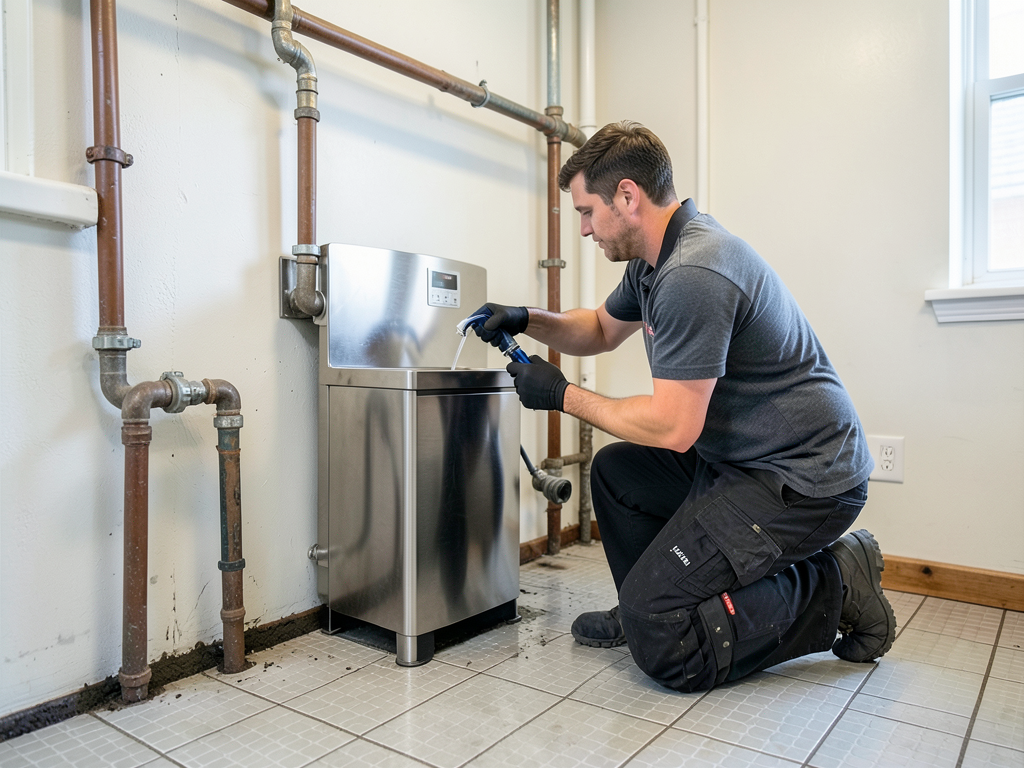
Mudrooms are the most popular location for dog wash stations in East Nashville homes. The existing tile or vinyl flooring provides a waterproof base, and the proximity to exterior doors makes it easy to bring in dirty pets. However, mudrooms often lack existing plumbing, requiring new supply and drain line installation.
Garages offer excellent drainage options since they typically connect directly to exterior walls. The concrete floor provides a solid base for mounting fixtures, but you’ll need to ensure proper waterproofing to prevent moisture damage to stored items.
Laundry rooms combine convenience with existing plumbing infrastructure. The nearby water supply and drain make installation simpler, but space constraints can limit station size. Many East Nashville homes have compact laundry areas that require creative solutions for fitting both a dog wash and laundry functions.
Floor-level stations work best for larger dogs that can’t easily climb into elevated tubs. Elevated stations save your back during washing but require ramps or steps for pet access. The choice depends on your dog’s size and your physical comfort during use.
Nashville Plumbing Codes and Permits
Metro Nashville requires permits for any new plumbing fixture installation, including dog wash stations. The permit process ensures your installation meets local codes for drainage, venting, and water supply. Permit costs typically range from $75-150 depending on the project scope.
Davidson County follows the 2021 International Plumbing Code with local amendments. Key requirements include minimum pipe sizes, proper venting methods, and backflow prevention where applicable. The local inspection department reviews plans to ensure compliance before installation begins. EPA WaterSense Program.
Water conservation requirements may affect your fixture choices. Low-flow showerheads and sprayers help meet Nashville’s water efficiency goals while still providing adequate pressure for pet washing. Some neighborhoods with older infrastructure may have additional requirements for new installations.
Hiring a licensed Nashville plumber ensures your installation passes inspection on the first attempt. Unpermitted work can result in fines and may complicate future home sales. A professional can also identify potential issues with your home’s existing plumbing that could affect the new installation.
Estimated Cost and ROI
Professional installation of a dog wash station typically costs between $1,200-3,500 in the Nashville area. This range depends on location complexity, fixture quality, and whether existing plumbing needs modification. Simple garage installations run toward the lower end, while mudroom installations requiring new supply lines cost more.
DIY installations can save 40-60% on labor costs but risk code violations and improper drainage that lead to expensive repairs. The average DIYer spends 20-30 hours on a dog wash installation, often spread over multiple weekends.
High-end fixtures like stainless steel commercial-grade sprayers and built-in ramps can push costs to $5,000+. These premium features offer better durability and ease of use but may not provide proportional value for occasional use.
Installation timeline varies by complexity. Simple garage installations take 1-2 days. Mudroom installations requiring new supply lines take 2-4 days including permit acquisition and inspection. Most homeowners can use the space within a week of starting the project.
ROI considerations extend beyond resale value. A dog wash station can save $300-500 annually in professional grooming costs for medium to large dogs. The convenience factor and home cleanliness improvements often justify the investment regardless of resale impact.
Installation Process Overview
- Planning and Permits
Measure the space, select fixtures, and obtain necessary permits from Metro Nashville. A professional plumber can help with code-compliant design.
- Plumbing Rough-In
Install new supply lines, drain pipes, and venting according to local codes. This step often requires cutting into walls or floors. Who to Call When Your Pipes Burst in Nashville at 3 AM.
- Fixture Installation
Mount the basin or floor pan, install the mixing valve, and connect the handheld sprayer. Test all connections for leaks.
- Finishing Touches
Add waterproofing, install the hair interceptor, and complete any tile or wall work. Schedule final inspection with Metro Nashville.
Maintenance and Long-Term Care
Regular maintenance prevents the most common dog wash station problems. Clean the hair interceptor after every 2-3 uses to prevent main drain clogs. Monthly inspection of supply line connections can catch small leaks before they cause water damage.
Nashville’s hard water can cause mineral buildup on fixtures. Installing a water softener or using vinegar-based cleaning solutions helps prevent scale formation on spray heads and valves. This is especially important for homes in areas like Brentwood or Franklin where water hardness is higher. Getting Your Franklin TN Water Heater Replaced Without the Stress.
Check the P-trap quarterly for debris accumulation. Even with a hair interceptor, dirt and sand can build up over time. Remove and clean the trap if you notice slow drainage or gurgling sounds.
Inspect waterproofing annually, especially in mudroom installations where moisture exposure is constant. Look for signs of water damage on adjacent walls or flooring. Early detection prevents costly structural repairs.
Replace supply line hoses every 5-7 years as a preventive measure. The constant pressure and temperature fluctuations in pet washing applications accelerate hose deterioration compared to standard plumbing fixtures.
Choosing the Right Fixtures
Commercial-grade fixtures offer better durability for dog wash applications. Look for stainless steel construction rather than chrome-plated brass, which can corrode from constant moisture exposure. Commercial sprayers typically have higher flow rates and more durable trigger mechanisms.
Floor-mounted stations require heavy-duty floor anchors to prevent movement during use. The mounting hardware should be stainless steel to prevent rust stains on tile or concrete floors.
Handheld sprayers with multiple spray patterns provide better cleaning versatility. A pause function helps conserve water during lathering, while a high-pressure jet setting helps remove stubborn dirt from thick fur.
Consider ADA-compliant fixtures if you have mobility concerns. Lever-style handles are easier to operate with wet hands, and pull-out sprayers provide better reach for washing larger dogs.
Common Installation Mistakes to Avoid
Undersized drainage is the most frequent DIY error. A 1.5-inch drain pipe will work initially but causes problems within months of regular use. Always install 2-inch minimum for pet washing applications.
Skipping the P-trap or using an improper trap configuration leads to sewer gas odors and potential health hazards. Every drain must have a proper trap, regardless of the fixture type.
Inadequate waterproofing in mudroom installations causes water damage to adjacent walls and flooring. Use waterproof membrane behind all walls and ensure floor drains properly to prevent standing water.
Improper venting creates slow drainage and gurgling sounds. Even if the drain works initially, poor venting becomes problematic as debris accumulates in the pipes.
Using standard residential fixtures instead of commercial-grade components reduces the station’s lifespan significantly. Pet washing subjects fixtures to more frequent use and harsher conditions than typical bathroom applications.
Frequently Asked Questions
Do I need a permit for a dog wash station in Nashville?
Yes, Metro Nashville requires permits for any new plumbing fixture installation. The permit ensures your installation meets local codes for drainage, venting, and water supply. Permit costs typically range from $75-150.
How long does professional installation take?
Simple garage installations take 1-2 days. Mudroom installations requiring new supply lines take 2-4 days including permit acquisition and inspection. Most homeowners can use the space within a week.
What size drain pipe do I need?
A minimum 2-inch P-trap is required for dog wash stations. This larger diameter prevents hair and dirt from causing blockages in your main sewer line. The trap arm must maintain a 1/4-inch-per-foot slope toward the main drain.
Can I install a dog wash station in my existing laundry room?
Yes, laundry rooms are excellent locations since they already have water supply and drainage. However, space constraints may limit station size. You’ll need to ensure proper waterproofing and may need to upgrade existing plumbing to handle the additional load.
How much does a dog wash station cost in Nashville?
Professional installation typically costs between $1,200-3,500. Simple garage installations run toward the lower end, while mudroom installations requiring new supply lines cost more. High-end fixtures can push costs to $5,000+.
Ready to Add a Dog Wash Station to Your East Nashville Home?
A properly installed dog wash station adds convenience and protects your home’s plumbing system from pet-related damage. The humid Nashville climate makes this upgrade particularly valuable for local pet owners.
Ironwood Plumbing has extensive experience with dog wash installations throughout East Nashville, including areas near Five Points, Lockeland Springs, and Historic Edgefield. We understand the unique challenges of working in older homes with original plumbing systems and can ensure your installation meets all Metro Nashville codes.
Don’t risk improper installation that could lead to costly repairs down the road. Our licensed plumbers can handle everything from permit acquisition to final inspection, ensuring your new dog wash station works perfectly from day one.
Call Ironwood Plumbing today at (615) 413-8833 to schedule your free consultation. We’ll assess your space, discuss fixture options, and provide a detailed quote for your East Nashville dog wash station installation.
You may also find this helpful. Designing a Modern Wet Room for Your Next 12 South Bathroom Remodel.
You may also find this helpful. Adding a Cold Plunge or Luxury Steam Room to Your Belle Meade Home Gym.