The Hidden Cost of Ignoring a Ghost Flushing Toilet in Your Donelson Home
Your toilet keeps flushing by itself. That random whoosh sound in the middle of the night is more than just annoying. It is draining your wallet and wasting precious water every single day.
Ghost flushing happens when your toilet tank refills without anyone pressing the handle. The water leaks from the tank into the bowl and triggers the fill valve to top off the tank. This cycle repeats constantly wasting hundreds of gallons monthly.
Donelson homes face unique challenges. The area’s hard water from Nashville’s limestone aquifer causes mineral buildup that wears out toilet components faster than in other regions. Many Donelson homes also have aging plumbing systems that make ghost flushing more common.
Understanding what causes ghost flushing helps you stop the waste. This guide explains the hidden costs of ignoring the problem and shows you exactly what to do about it.
What Makes Your Toilet Flush on Its Own
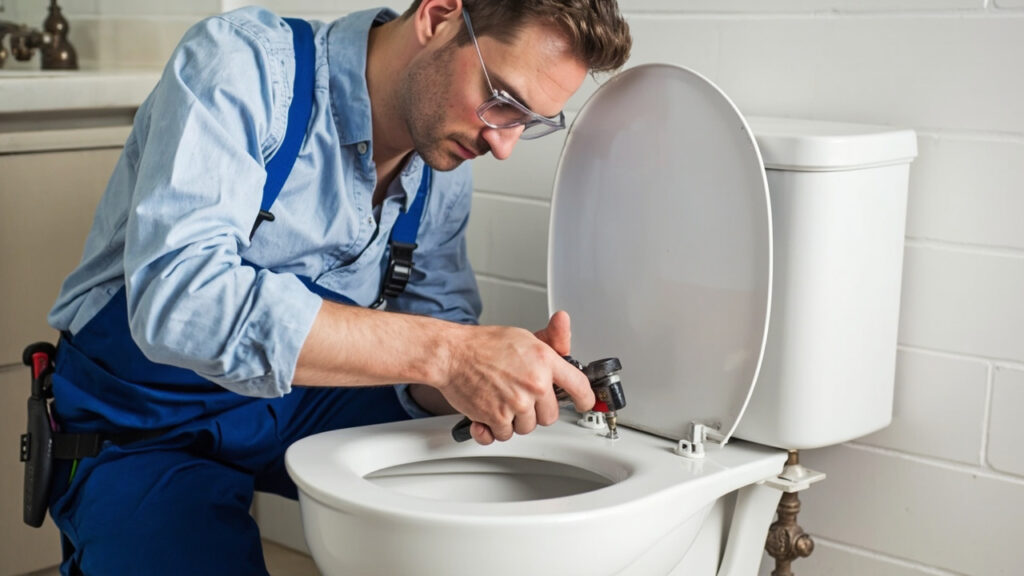
Several issues can cause your toilet to refill automatically. The most common culprit is a worn-out flapper valve that no longer seals properly. When the flapper degrades mineral deposits or warping prevent it from creating a tight seal between the tank and bowl.
The fill valve might also malfunction. If the float gets stuck or the valve fails to shut off completely water slowly drains into the overflow tube triggering constant refills.
Sometimes the refill tube extends too far into the overflow pipe. This creates a siphoning effect that continuously pulls water from the tank into the bowl even when the toilet is not in use.
How Much Water and Money Are You Losing
A ghost flushing toilet wastes significant water. A leaky flapper can waste 200 gallons per day or more. That adds up to over 6000 gallons monthly.
Metro Water Services charges based on usage tiers. Wasting 6000 gallons monthly could add $50 to $100 to your water bill depending on your usage level. The actual cost varies based on your home’s size and whether you have irrigation systems.
Beyond the direct water cost ghost flushing increases your sewer charges since most Nashville homes pay sewer fees based on water consumption. You pay twice for the same wasted water.
The environmental impact matters too. Nashville draws water from the Cumberland River and local aquifers. Wasting thousands of gallons monthly strains local water resources especially during dry periods.
Common Causes of Ghost Flushing in Donelson Homes
Donelson’s specific conditions contribute to toilet problems. The area’s hard water contains high mineral content that accelerates wear on rubber and plastic components.
Many Donelson homes were built in the 1970s and 1980s. These toilets often have original parts that have degraded over decades of use.
Water pressure fluctuations in Donelson can also trigger ghost flushing. Homes near major water mains or at the bottom of hills may experience pressure surges that affect toilet operation.
1. Worn or Corroded Flapper
The flapper is a rubber seal that covers the flush valve opening. Over time minerals from Nashville’s hard water coat the flapper creating an uneven surface that prevents proper sealing.
Flappers typically last 3 to 5 years in areas with normal water quality. In Donelson’s hard water conditions they often fail in 1 to 2 years.
Signs of flapper failure include visible cracks warping or a chalky white mineral buildup on the surface.
2. Fill Valve Problems
The fill valve controls water entering the tank after each flush. When it malfunctions water either flows continuously or cycles on and off.
Float issues are common. The float might stick in the raised position preventing the valve from closing completely. Alternatively the float mechanism might be waterlogged and unable to rise properly.
Fill valves contain small filters that trap sediment. In Donelson’s hard water these filters clog quickly reducing valve performance.
3. Improper Refill Tube Setup
The refill tube directs water from the fill valve into the overflow tube during tank refill. If this tube extends too far into the overflow pipe it creates a siphoning effect.
During normal operation the refill tube should never extend below the water level in the overflow pipe. When it does water continuously siphons from the tank into the bowl.
This issue often occurs after DIY repairs when the refill tube is not positioned correctly.
Testing Your Toilet for Ghost Flushing
You can confirm ghost flushing with a simple dye test. This method reveals whether water is leaking from the tank to the bowl.
Remove the tank lid and add 10 to 15 drops of food coloring to the tank water. Wait 30 minutes without flushing. Check the bowl water color.
If the bowl water changes color you have a leak. The colored water indicates that tank water is seeping past the flapper or through other openings.
Perform this test on all toilets in your home. Multiple toilets might have issues contributing to water waste.
DIY Fixes You Can Try Today
Many ghost flushing issues have simple DIY solutions. Start with the easiest fixes before calling a plumber.
Check the flapper first. Turn off the water supply valve under the toilet. Flush to empty the tank. Inspect the flapper for damage or mineral buildup.
Clean the flapper with vinegar to remove mineral deposits. If cleaning does not solve the problem replace the flapper. This costs $5 to $15 at any hardware store.
Adjust the refill tube position. Ensure it does not extend below the overflow pipe opening. The tube should be positioned above the overflow pipe opening to prevent siphoning.
Check the float level. The water should stop about one inch below the top of the overflow pipe. Adjust the float screw or clip to set the correct water level.
When to Call a Nashville Plumber
Some toilet problems require professional help. Call a plumber if you notice these signs.
Multiple attempts at DIY repairs fail to stop the ghost flushing. This suggests a more complex issue like a cracked tank or faulty fill valve assembly.
You hear constant running water or notice your toilet refilling every few minutes even when not in use. This indicates a severe leak that wastes significant water.
Your toilet is over 15 years old. Older toilets often have multiple worn components that work better when replaced as a complete assembly.
You notice water damage around the toilet base or on the floor. This could indicate a failing wax ring or cracked toilet that requires immediate attention.
Professional Repair vs. Toilet Replacement
Deciding between repair and replacement depends on several factors. Consider your toilet’s age condition and the extent of the problems.
Toilets under 10 years old with minor issues usually benefit from targeted repairs. Replacing just the flapper fill valve or flush valve often solves the problem at low cost.
Toilets over 15 years old or those with multiple issues might waste more money on repeated repairs. A new toilet provides better reliability and water efficiency.
Modern toilets use 1.28 gallons per flush compared to older models using 3 to 5 gallons. Replacing an old toilet can save 20000 gallons annually for a family of four.
Preventing Future Ghost Flushing Issues
Regular maintenance prevents most toilet problems. Clean your toilet tank annually to remove mineral buildup. Turn off the water supply and scrub the tank interior with a brush and vinegar solution.
Check toilet components every six months. Look for signs of wear mineral deposits or misalignment. Early detection prevents major water waste.
Consider installing a water softener if you have severe hard water issues. This protects not just your toilet but all plumbing fixtures in your home.
Local Water Quality Impact on Toilets
Nashville’s water comes from the Cumberland River and underground aquifers. The water naturally picks up minerals from limestone bedrock creating hard water.
Hard water contains calcium and magnesium that deposit on plumbing surfaces. These minerals form a white chalky scale that damages rubber components and reduces seal effectiveness.
The Nashville Metro Water Services treats water to safe drinking standards but does not soften it. This means every Donelson home deals with similar hard water challenges.
Cost Comparison: Repair vs. Replacement
Understanding typical costs helps you make informed decisions. Here is a comparison of common toilet repair and replacement options.
| Service | Typical Cost Range | Time Required |
|---|---|---|
| Flapper replacement | $5 to $15 DIY / $75 to $150 pro | 15 to 30 minutes |
| Fill valve replacement | $10 to $25 DIY / $100 to $200 pro | 30 to 45 minutes |
| Complete rebuild kit | $25 to $50 DIY / $150 to $300 pro | 45 to 60 minutes |
| New toilet installation | $250 to $600 total | 2 to 3 hours |
| High-efficiency toilet | $400 to $800 total | 2 to 3 hours |
Additional Cost Factors
Several factors affect toilet repair and replacement costs in Donelson. Understanding these helps you budget accurately.
Emergency service calls cost 1.5 to 2 times more than scheduled appointments. Plumbers charge premium rates for nights weekends and holidays.
Older homes may need additional work to meet current plumbing codes. This could include updating supply lines or adding shut-off valves that were not required when the house was built.
Some Donelson neighborhoods have limited parking or narrow driveways. Plumbers may charge extra for difficult access or longer setup times.
Water Conservation Benefits
Fixing ghost flushing contributes to water conservation efforts. Nashville faces growing water demands as the population increases.
Metro Water Services encourages conservation through education and incentives. Fixing leaks is one of the most effective ways to reduce household water consumption.
A family that fixes a ghost flushing toilet can save enough water annually to fill a small swimming pool. This reduction helps ensure adequate water supply for everyone.
Donelson Specific Considerations
Donelson’s location affects plumbing performance. The area sits at a lower elevation than parts of Nashville creating different water pressure conditions.
Many Donelson homes have basements where toilet issues might go unnoticed longer. The sound of ghost flushing might be masked by other household noises.
Donelson’s mix of older and newer homes means plumbing quality varies significantly between properties. Newer homes might have modern fixtures while nearby houses have original 1970s plumbing.
Nearby Neighborhoods Affected by Similar Issues
Hermitage residents face the same hard water challenges as Donelson. The limestone bedrock affects water quality throughout the area creating similar toilet problems.
Old Hickory homes built around the same time as Donelson properties often have matching plumbing systems. Many houses from the 1970s and 1980s share the same toilet component failures.
Anderson Road and Bell Road areas experience similar water pressure fluctuations due to their proximity to major water mains. These pressure changes can trigger ghost flushing in homes throughout the region.
Emergency Situations
Some toilet problems escalate quickly requiring immediate attention. Call an emergency plumber if you notice these issues.
Water pooling around the toilet base indicates a failing wax ring or cracked toilet. This can cause significant water damage to floors and ceilings below.
A toilet that overflows repeatedly suggests a blockage or pressure problem in your sewer line. This might affect multiple fixtures in your home.
Sewer gas odors near toilets indicate a broken seal or venting issue. This creates health hazards requiring prompt repair.
Frequently Asked Questions
Why does my toilet make noise at night but not during the day?
Nighttime noise often occurs because household water usage drops. With less demand on the system water pressure stabilizes making toilet leaks more noticeable. During busy daytime hours toilet cycling might be masked by other water usage sounds.
Can hard water cause ghost flushing?
Yes hard water significantly contributes to ghost flushing. Mineral deposits prevent proper sealing between the flapper and flush valve. These deposits also clog small openings in fill valves reducing their effectiveness. Nashville’s hard water accelerates this wear compared to areas with softer water.
How long does a toilet flapper last in Nashville?
In Nashville’s hard water conditions toilet flappers typically last 1 to 2 years. Areas with softer water might get 3 to 5 years from the same component. Regular inspection helps catch failing flappers before they waste significant water.
Is ghost flushing covered by homeowners insurance?
Standard homeowners insurance usually does not cover ghost flushing repairs. Insurance typically covers sudden damage from covered perils like storms or accidents but not gradual wear and tear. However if ghost flushing causes water damage to floors or ceilings that damage might be covered.
Should I replace all toilet components at once?
For toilets over 10 years old replacing all internal components at once often makes sense. A complete rebuild kit costs $25 to $50 and ensures all parts work together properly. This prevents the cycle of replacing one part only to have another fail soon after.
Take Action Today
Ghost flushing wastes water money and creates unnecessary stress. The constant sound of refilling water disrupts sleep and peace of mind.
Start with a simple dye test to check for leaks. If you find evidence of ghost flushing try the DIY fixes outlined in this guide. Most issues resolve with basic adjustments or part replacements.
If problems persist call a Nashville plumber who understands local water conditions and common toilet issues in Donelson homes. Professional diagnosis prevents wasted time and ensures proper repairs.
Every day you wait ghost flushing continues wasting water and increasing your utility bills. Take action today to stop the waste and restore quiet to your home.
Ready to fix your ghost flushing toilet? Learn about preventing tree roots from damaging sewer lines or understand mandatory backflow testing requirements to protect your entire plumbing system.